Department of Emergency Medicine and Services, Helsinki University Hospital, and Emergency Medicine, Helsinki University, Helsinki, Finland.
Department of Anesthesiology and Intensive Care Medicine, University of Helsinki and Helsinki University Hospital, Helsinki, Finland.
Scand J Trauma Resusc Emerg Med. 2020 Jan 28;28(1):6. doi: 10.1186/s13049-020-0699-y.
Nonspecific complaint (NSC) is a common presenting complaint in the emergency setting, especially in the elderly population. Individual studies have shown that it is associated with significant morbidity and mortality. This prognostic systematic review draws a synthesis of reported outcomes for patients presenting with NSC and compares them with outcomes for patients presenting with a specific complaint.
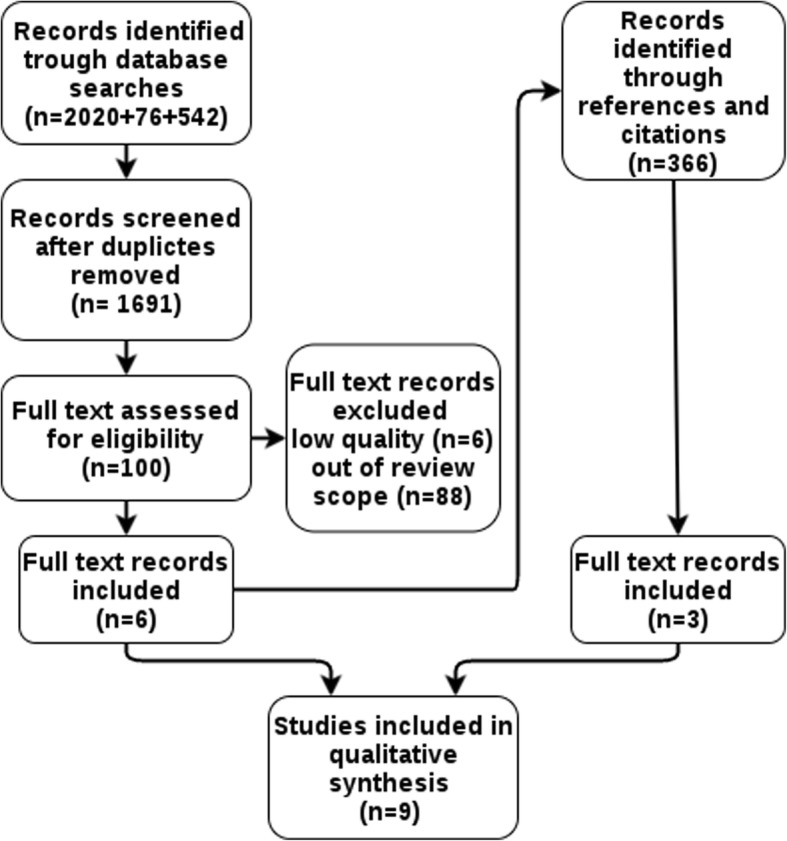
We conducted a literature search for publications, abstracts and conference presentations from Ovid, Scopus and Web of Science for the past 20 years. Studies were included which treated adult patients presenting to the Emergency Medical Services or Emergency Department with NSC. 2599 studies were screened for eligibility and quality was assessed using the SIGN assessment for bias tool. We excluded any low-quality studies, resulting in nine studies for quantitative analysis. We analysed the included studies for in-hospital mortality, triage category, emergency department length of stay, admission rate, hospital length of stay, intensive care admissions and re-visitation rate and compared outcomes to patients presenting with specific complaints (SC), where data were available. We grouped discharge diagnoses by ICD-10 category.
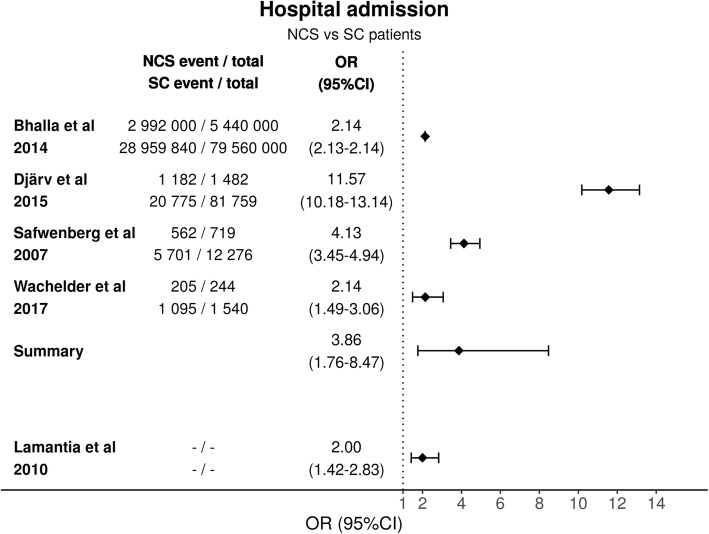
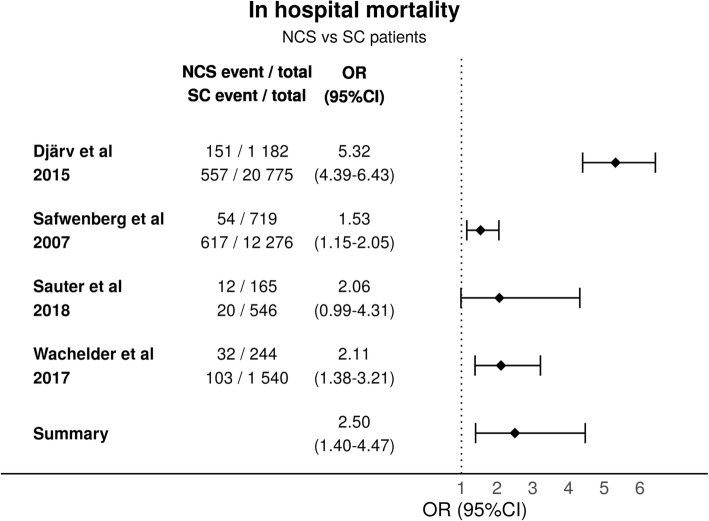
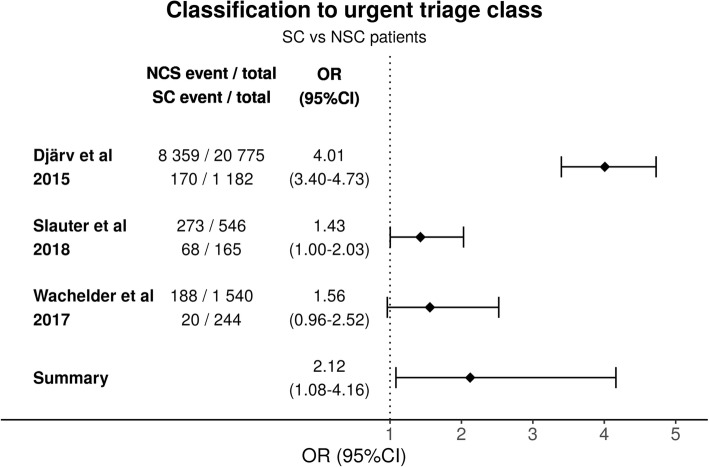
We found that patients presenting with NSC were mostly older adults. Mortality for patients with NSC was significantly increased compared to patients presenting with SC [OR 2.50 (95% CI 1.40-4.47)]. They were triaged as urgent less often than SC patients [OR 2.12 (95% CI 1.08-4.16)]. Emergency department length of stay was increased in two out of three studies. Hospital length of stay was increased by 1-3 days. Admission rates were high in most studies, 55 to 84%, and increased in comparison to patients with SC [OR 3.86 (95% CI 1.76-8.47)]. These patients seemed to require more resources than patients with SC. The number for intensive care admissions did not seem to be increased. Data were insufficient to make conclusions regarding re-visitation rates. Discharge diagnoses were spread throughout the ICD-10 main chapters, infections being the most prevalent.
Patients with NSC have a high risk of mortality and their care in the Emergency Department requires more time and resources than for patients with SC. We suggest that NSC should be considered a major emergency presentation.
非特异性主诉(NSC)是急诊环境中常见的主诉,尤其是在老年人群中。个别研究表明,它与显著的发病率和死亡率相关。本预后系统综述综合了报告的 NSC 患者的结局,并将其与特定主诉患者的结局进行了比较。
我们对过去 20 年 Ovid、Scopus 和 Web of Science 中的出版物、摘要和会议演讲进行了文献检索。纳入了治疗成年患者因 NSC 就诊于急诊医疗服务或急诊科的研究。对 2599 项研究进行了资格筛选,并使用 SIGN 评估偏倚工具进行了质量评估。我们排除了任何低质量的研究,从而对 9 项研究进行了定量分析。我们分析了纳入研究的院内死亡率、分诊类别、急诊停留时间、入院率、住院时间、重症监护病房入院率和再就诊率,并将其与可获得数据的特定主诉(SC)患者的结局进行了比较。我们按 ICD-10 类别对出院诊断进行了分组。
我们发现,NSC 患者主要为老年人。与 SC 患者相比,NSC 患者的死亡率显著增加[比值比 2.50(95%置信区间 1.40-4.47)]。他们被分诊为紧急情况的比例低于 SC 患者[比值比 2.12(95%置信区间 1.08-4.16)]。在三项研究中有两项研究中,急诊停留时间增加。在大多数研究中,住院时间增加了 1-3 天。在大多数研究中,入院率较高,为 55%至 84%,与 SC 患者相比有所增加[比值比 3.86(95%置信区间 1.76-8.47)]。这些患者似乎比 SC 患者需要更多的资源。似乎没有增加重症监护病房入院人数。关于再就诊率的数据不足以得出结论。出院诊断分布在 ICD-10 的主要章节中,感染是最常见的。
NSC 患者的死亡率较高,他们在急诊科的护理需要比 SC 患者更多的时间和资源。我们建议将 NSC 视为一种主要的急诊表现。