Perruchon Chiara, Vasileiadis Sotirios, Papadopoulou Evangelia S, Karpouzas Dimitrios G
Laboratory of Plant and Environmental Biotechnology, Department of Biochemistry and Biotechnology, University of Thessaly, Larissa, Greece.
Front Microbiol. 2020 Jan 10;10:3009. doi: 10.3389/fmicb.2019.03009. eCollection 2019.
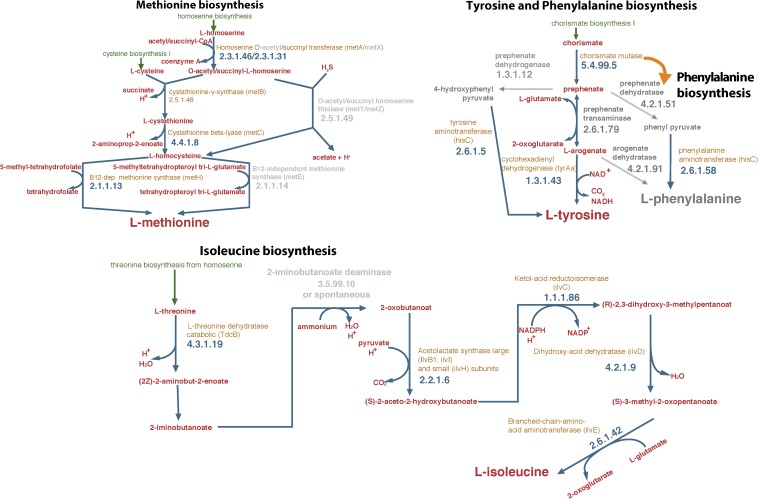
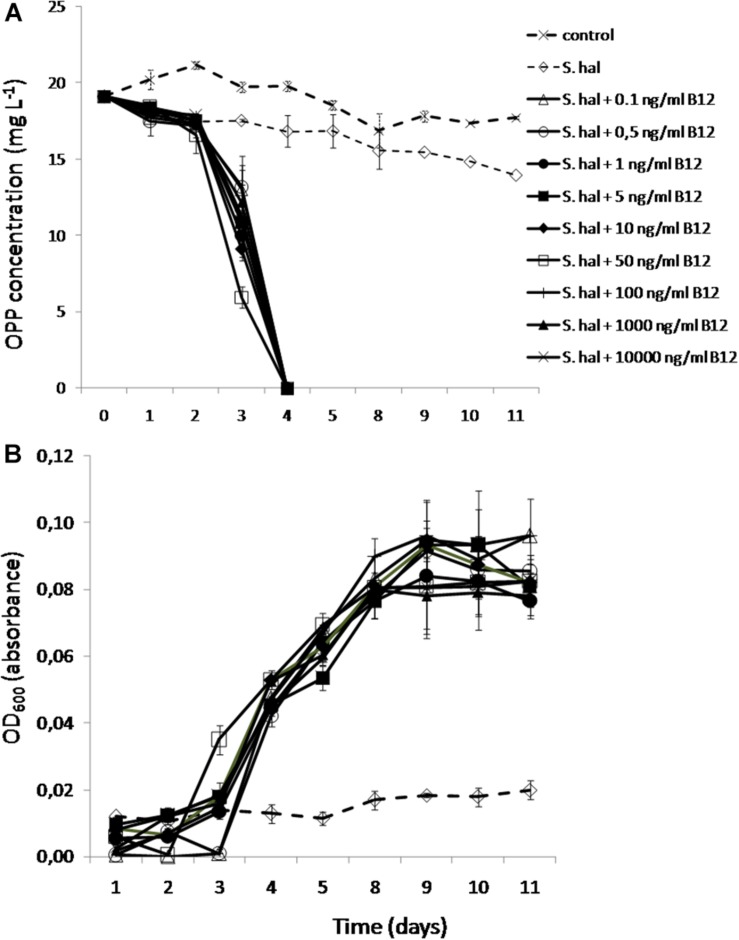
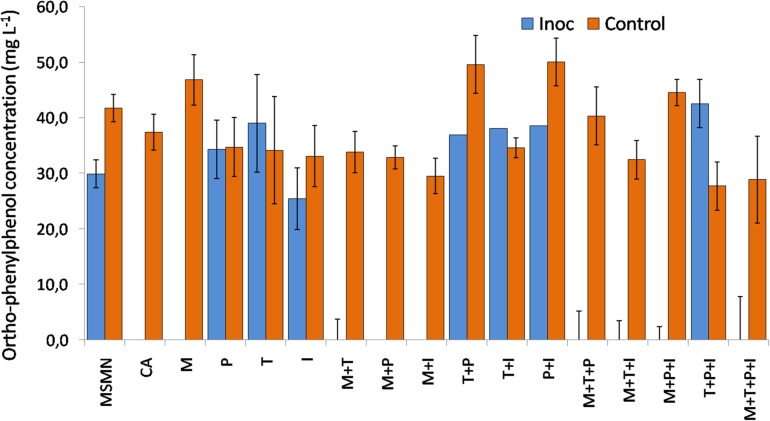
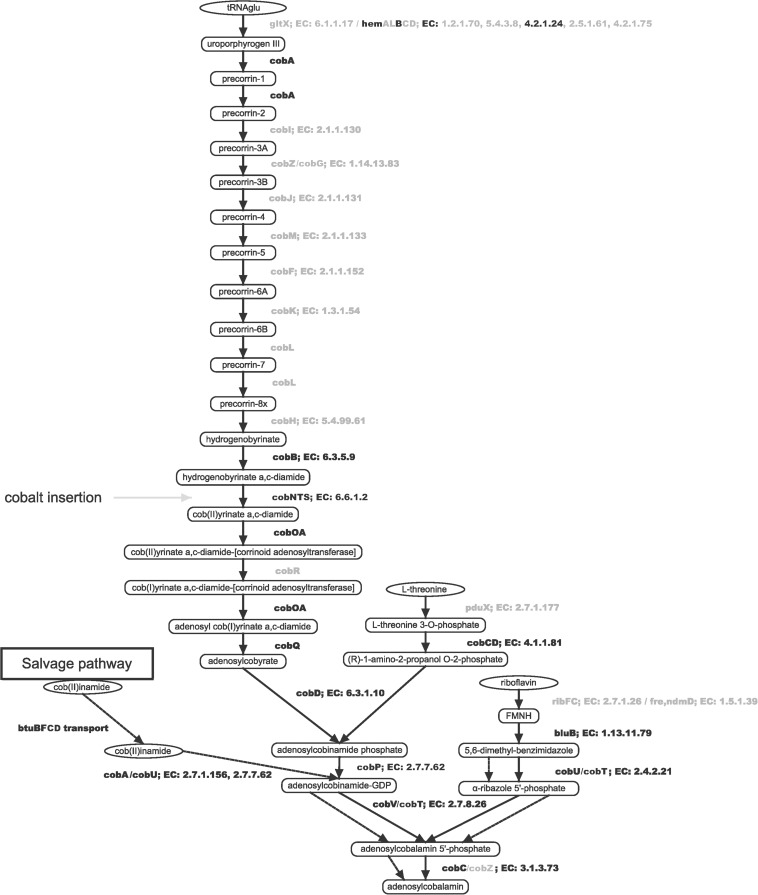
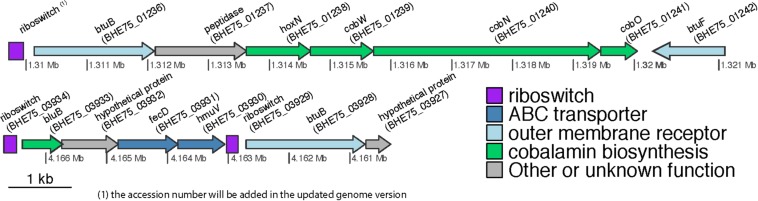
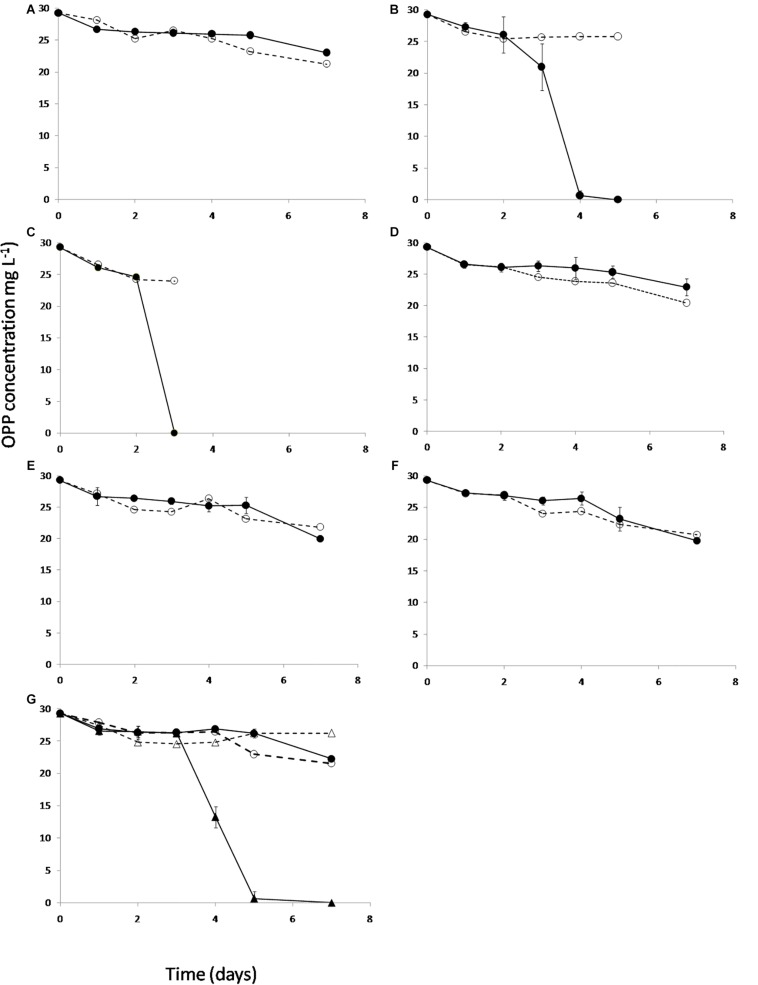
Auxotrophy to amino acids and vitamins is a common feature in the bacterial world shaping microbial communities through cross-feeding relations. The amino acid auxotrophy of pollutant-degrading bacteria could hamper their bioremediation potential, however, the underlying mechanisms of auxotrophy remain unexplored. We employed genome sequence-based metabolic reconstruction to identify potential mechanisms driving the amino acid auxotrophy of a strain degrading the fungicide -phenylphenol (OPP) and provided further verification for the identified mechanisms bacterial assays. The analysis identified potential gaps in the biosynthesis of isoleucine, phenylalanine and tyrosine, while methionine biosynthesis was potentially effective, relying though in the presence of B12. Supplementation of the bacterium with the four amino acids in all possible combinations rescued its degrading capacity only with methionine. Genome sequence-based metabolic reconstruction and analysis suggested that the bacterium was incapable of biosynthesis of B12 (missing genes for the construction of the corrin ring) but carried a complete salvage pathway for corrinoids uptake from the environment, transmembrane transportation and biosynthesis of B12. In line with this the bacterium maintained its degrading capacity and growth when supplied with environmentally relevant B12 concentrations (i.e., 0.1 ng ml). Using genome-based metabolic reconstruction and testing we unraveled the mechanism driving the auxotrophy of a pesticide-degrading . Further studies will investigate the corrinoids preferences of for optimum growth and OPP degradation.
对氨基酸和维生素的营养缺陷是细菌界的一个常见特征,它通过交叉喂养关系塑造微生物群落。然而,污染物降解细菌的氨基酸营养缺陷可能会阻碍它们的生物修复潜力,但其营养缺陷的潜在机制仍未得到探索。我们采用基于基因组序列的代谢重建方法,来确定驱动一株降解杀真菌剂邻苯基苯酚(OPP)的菌株出现氨基酸营养缺陷的潜在机制,并通过细菌试验对所确定的机制进行进一步验证。分析确定了异亮氨酸、苯丙氨酸和酪氨酸生物合成过程中可能存在的缺口,而甲硫氨酸的生物合成可能是有效的,但依赖于维生素B12的存在。用所有可能的组合向该细菌补充这四种氨基酸,结果只有补充甲硫氨酸时才能恢复其降解能力。基于基因组序列的代谢重建和分析表明,该细菌无法合成维生素B12(缺乏构建咕啉环的基因),但具有从环境中摄取类咕啉、跨膜运输和合成维生素B12的完整补救途径。与此相符的是,当提供与环境相关浓度的维生素B12(即0.1 ng/ml)时,该细菌保持其降解能力和生长。通过基于基因组的代谢重建和测试,我们揭示了驱动一种农药降解菌营养缺陷的机制。进一步的研究将调查该菌对类咕啉的偏好,以实现最佳生长和OPP降解。