Laboratory of Immunology and Inflammation, Department of Cell Biology, University of Brasília, Brasilia, Brazil.
Laboratory of Immunopharmacology, Institute of Oswaldo Cruz-Fiocruz, Rio de Janeiro, Brazil.
Front Immunol. 2020 Jan 9;10:2927. doi: 10.3389/fimmu.2019.02927. eCollection 2019.
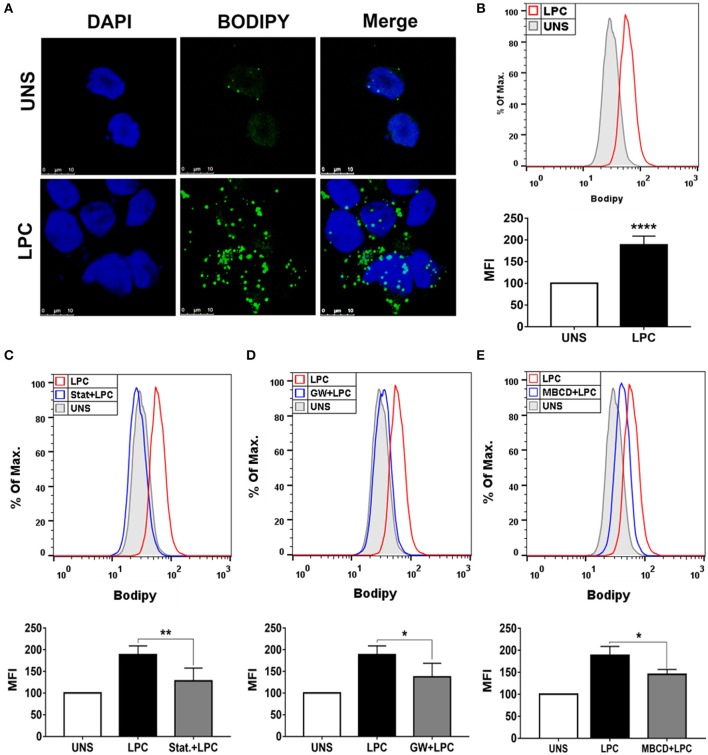
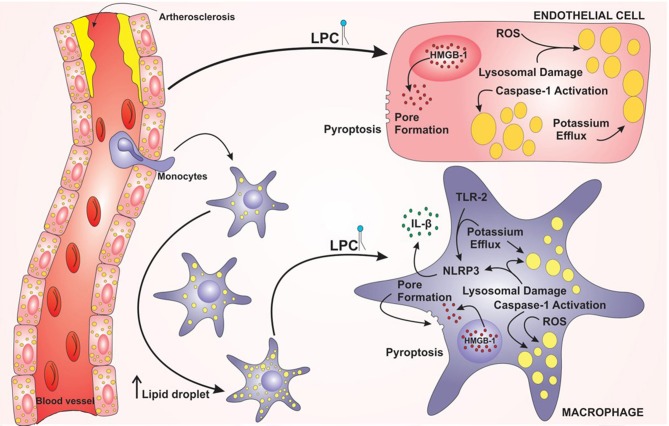
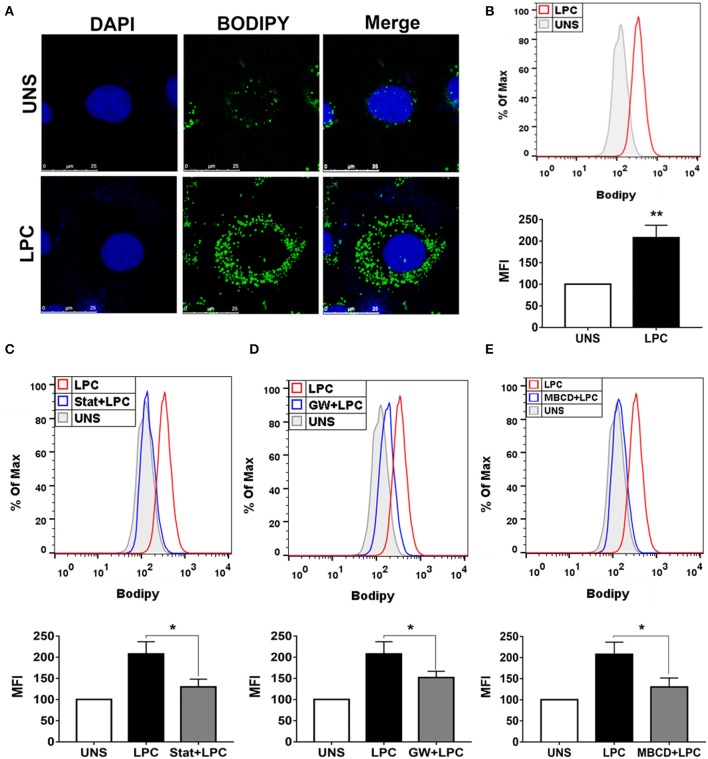
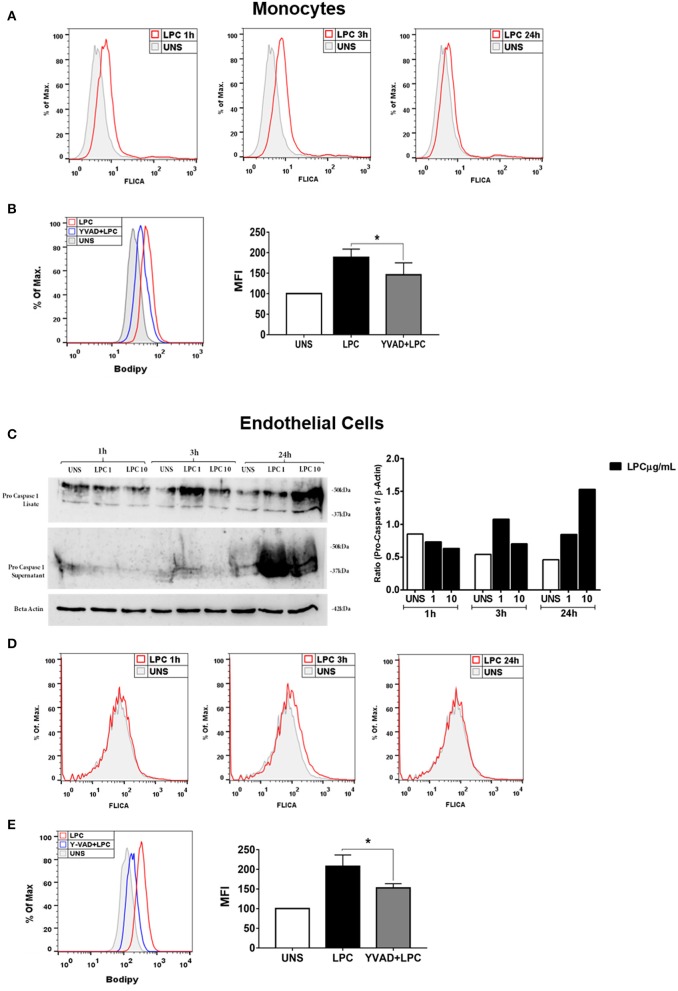
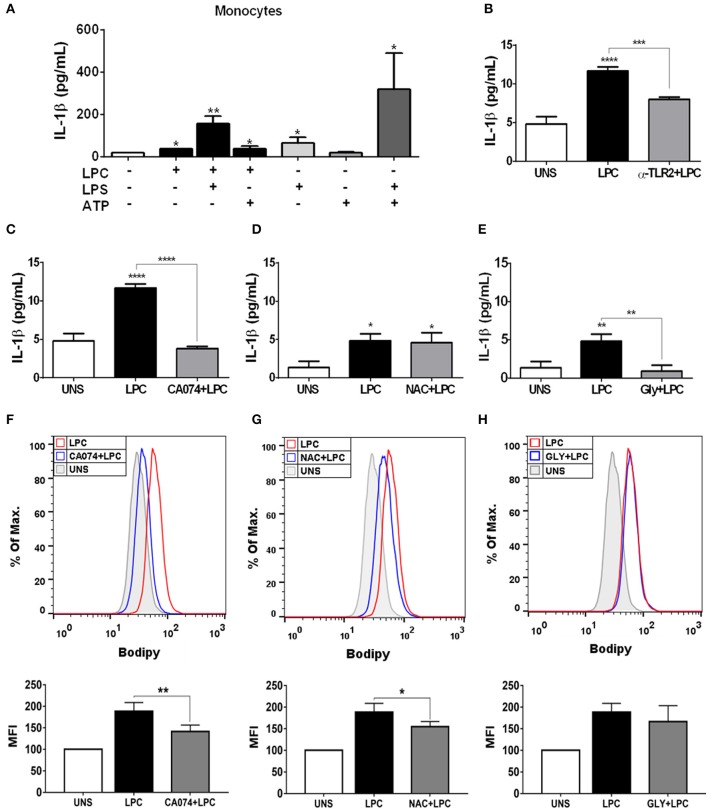
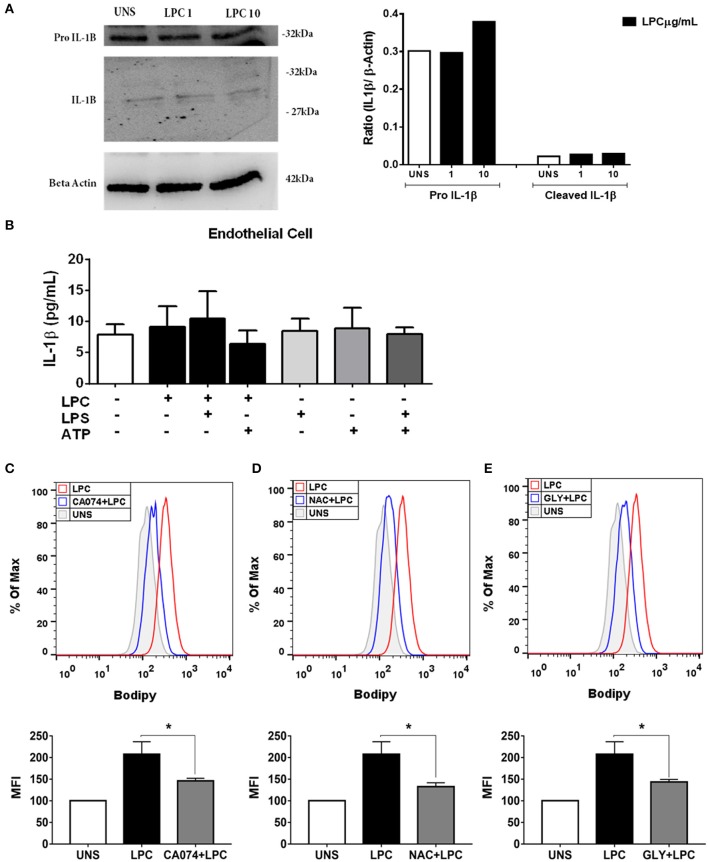
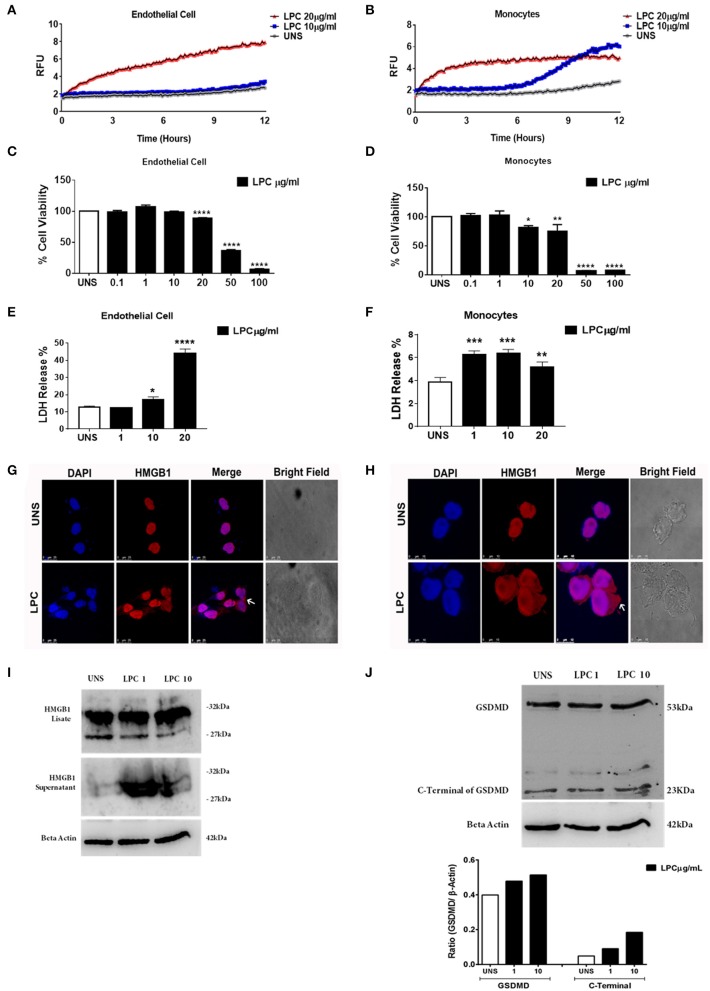
Foam cells are specialized lipid-loaded macrophages derived from monocytes and are a key pathological feature of atherosclerotic lesions. Lysophosphatidylcholine (LPC) is a major lipid component of the plasma membrane with a broad spectrum of proinflammatory activities and plays a key role in atherosclerosis. However, the role of LPC in lipid droplet (LD) biogenesis and the modulation of inflammasome activation is still poorly understood. In the present study, we investigated whether LPC can induce foam cell formation through an analysis of LD biogenesis and determined whether the cell signaling involved in this process is mediated by the inflammasome activation pathway in human endothelial cells and monocytes. Our results showed that LPC induced foam cell formation in both types of cells by increasing LD biogenesis via a NLRP3 inflammasome-dependent pathway. Furthermore, LPC induced pyroptosis in both cells and the activation of the inflammasome with IL-1β secretion, which was dependent on potassium efflux and lysosomal damage in human monocytes. The present study described the IL-1β secretion and foam cell formation triggered by LPC via an inflammasome-mediated pathway in human monocytes and endothelial cells. Our results will help improve our understanding of the relationships among LPC, LD biogenesis, and NLRP3 inflammasome activation in the pathogenesis of atherosclerosis.
泡沫细胞是由单核细胞分化而来的富含脂质的巨噬细胞,是动脉粥样硬化病变的一个关键病理特征。溶血磷脂酰胆碱(LPC)是质膜的主要脂质成分,具有广泛的促炎活性,在动脉粥样硬化中发挥关键作用。然而,LPC 在脂滴(LD)生物发生和炎症小体激活的调节中的作用仍知之甚少。在本研究中,我们通过分析 LD 生物发生来研究 LPC 是否可以诱导泡沫细胞形成,并确定参与该过程的细胞信号是否通过人内皮细胞和单核细胞中的炎症小体激活途径介导。我们的结果表明,LPC 通过 NLRP3 炎症小体依赖性途径增加 LD 生物发生,从而诱导两种细胞的泡沫细胞形成。此外,LPC 诱导两种细胞发生细胞焦亡,并激活炎症小体导致白细胞介素 1β(IL-1β)分泌,这依赖于人单核细胞中的钾离子外流和溶酶体损伤。本研究描述了 LPC 通过人单核细胞和内皮细胞中的炎症小体介导途径触发的 IL-1β 分泌和泡沫细胞形成。我们的研究结果将有助于更好地理解 LPC、LD 生物发生和 NLRP3 炎症小体激活在动脉粥样硬化发病机制中的关系。