Bader Miaad, Li Yazhou, Tweedie David, Shlobin Nathan A, Bernstein Adi, Rubovitch Vardit, Tovar-Y-Romo Luis B, DiMarchi Richard D, Hoffer Barry J, Greig Nigel H, Pick Chaim G
Department of Anatomy and Anthropology, Sackler Faculty of Medicine, Tel Aviv University, Tel Aviv, Israel.
Translational Gerontology Branch, Intramural Research Program, National Institute on Aging, National Institutes of Health, Baltimore, MD, United States.
Front Cell Dev Biol. 2020 Jan 10;7:356. doi: 10.3389/fcell.2019.00356. eCollection 2019.
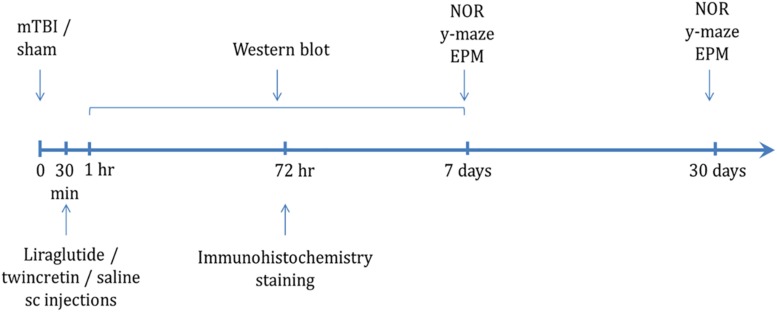
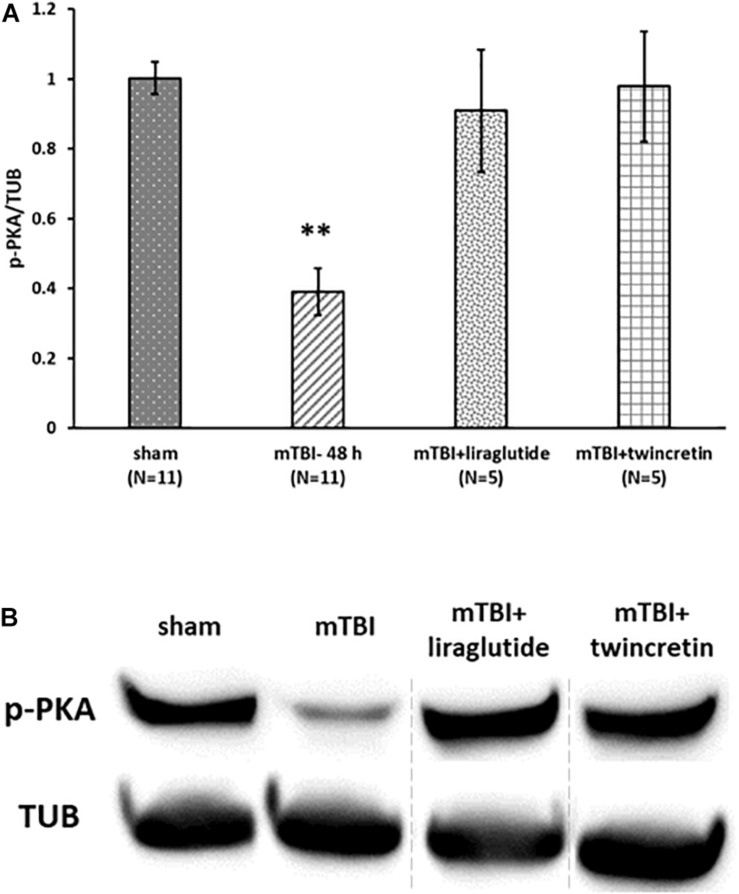
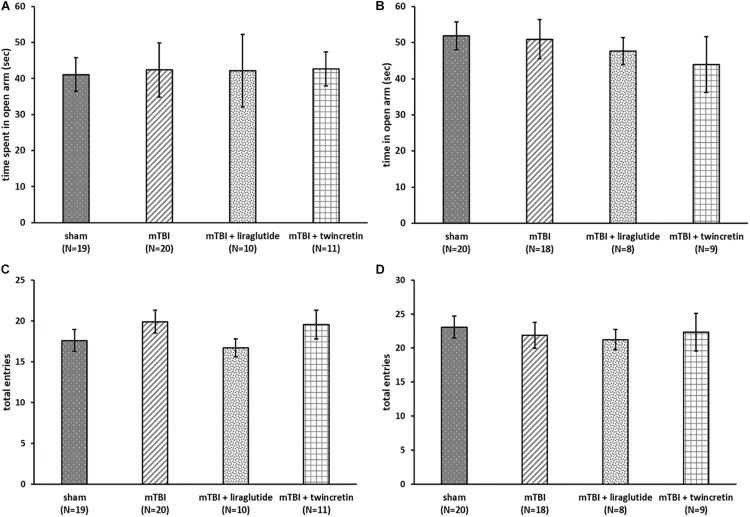
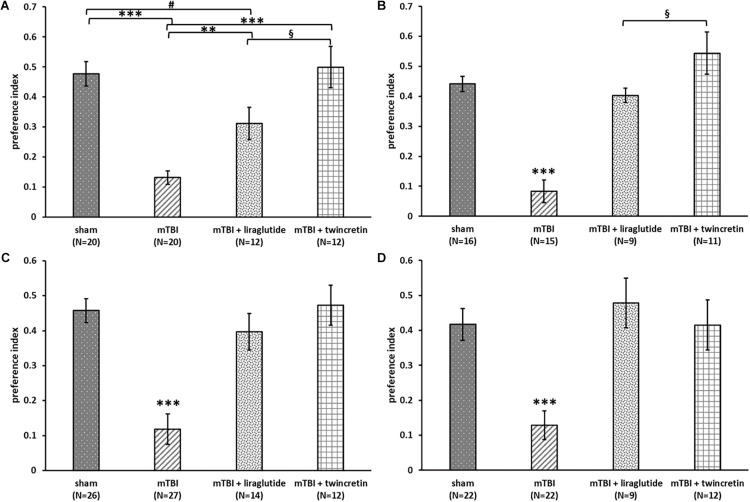
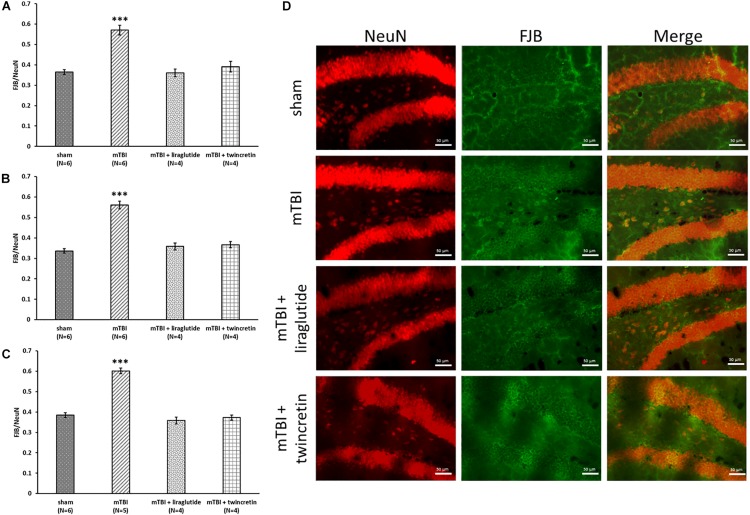
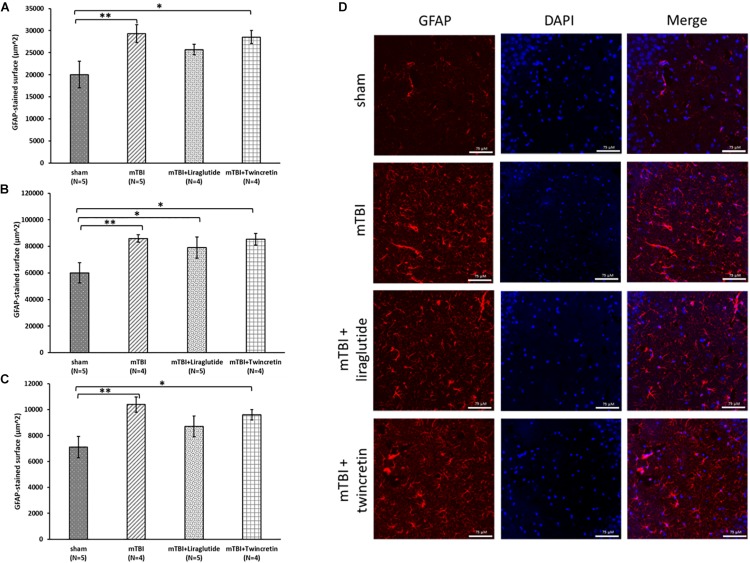
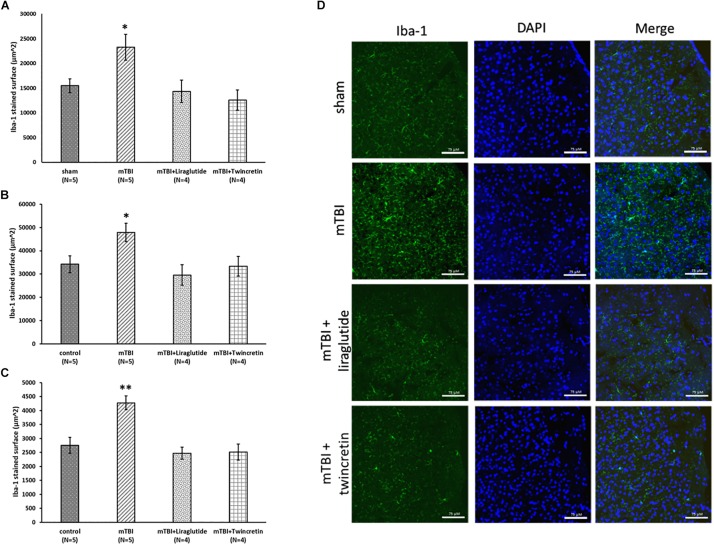
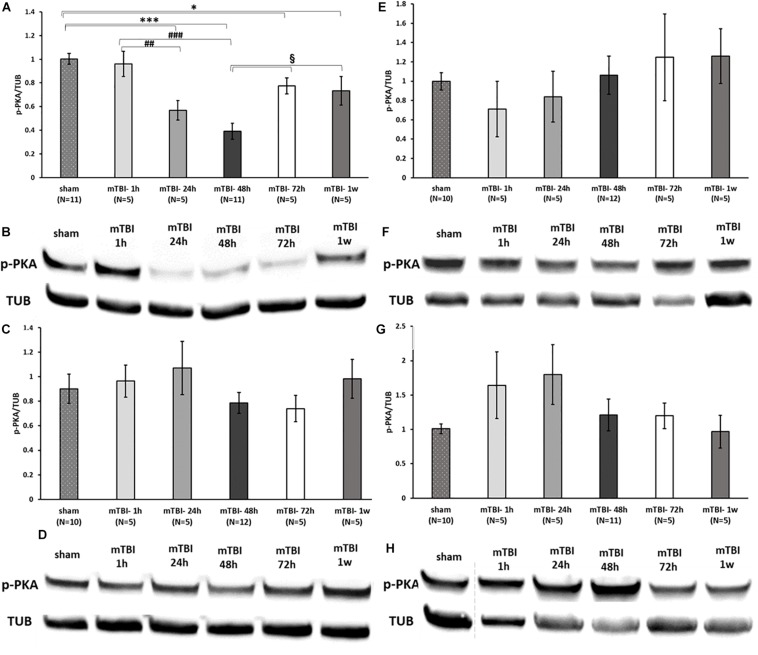
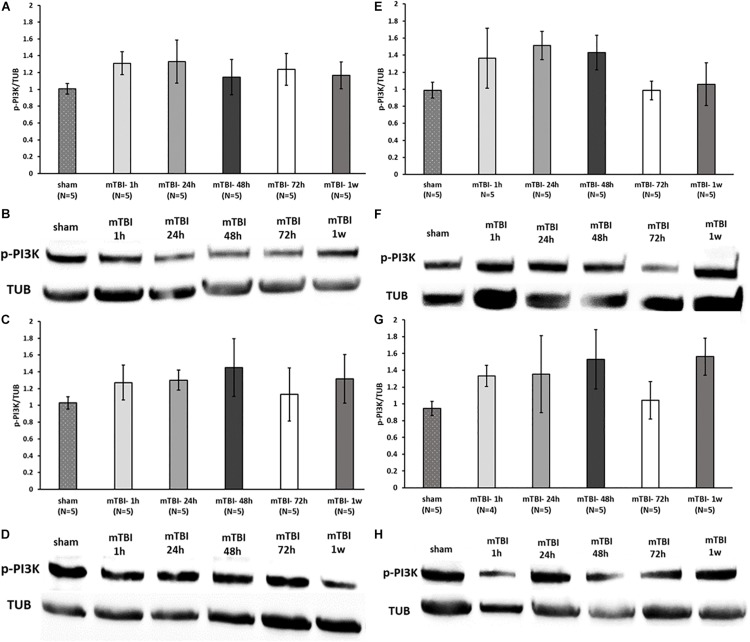
Traumatic brain injury (TBI) is a commonly occurring injury in sports, victims of motor vehicle accidents, and falls. TBI has become a pressing public health concern with no specific therapeutic treatment. Mild TBI (mTBI), which accounts for approximately 90% of all TBI cases, may frequently lead to long-lasting cognitive, behavioral, and emotional impairments. The incretins glucagon-like peptide-1 (GLP-1) and glucose-dependent insulinotropic polypeptide (GIP) are gastrointestinal hormones that induce glucose-dependent insulin secretion, promote β-cell proliferation, and enhance resistance to apoptosis. GLP-1 mimetics are marketed as treatments for type 2 diabetes mellitus (T2DM) and are well tolerated. Both GLP-1 and GIP mimetics have shown neuroprotective properties in animal models of Parkinson's and Alzheimer's disease. The aim of this study is to evaluate the potential neuroprotective effects of liraglutide, a GLP-1 analog, and twincretin, a dual GLP-1R/GIPR agonist, in a murine mTBI model. First, we subjected mice to mTBI using a weight-drop device and, thereafter, administered liraglutide or twincretin as a 7-day regimen of subcutaneous (s.c.) injections. We then investigated the effects of these drugs on mTBI-induced cognitive impairments, neurodegeneration, and neuroinflammation. Finally, we assessed their effects on neuroprotective proteins expression that are downstream to GLP-1R/GIPR activation; specifically, PI3K and PKA phosphorylation. Both drugs ameliorated mTBI-induced cognitive impairments evaluated by the novel object recognition (NOR) and the Y-maze paradigms in which neither anxiety nor locomotor activity were confounds, as the latter were unaffected by either mTBI or drugs. Additionally, both drugs significantly mitigated mTBI-induced neurodegeneration and neuroinflammation, as quantified by immunohistochemical staining with Fluoro-Jade/anti-NeuN and anti-Iba-1 antibodies, respectively. mTBI challenge significantly decreased PKA phosphorylation levels in ipsilateral cortex, which was mitigated by both drugs. However, PI3K phosphorylation was not affected by mTBI. These findings offer a new potential therapeutic approach to treat mTBI, and support further investigation of the neuroprotective effects and mechanism of action of incretin-based therapies for neurological disorders.
创伤性脑损伤(TBI)在体育运动、机动车事故受害者及跌倒人群中较为常见。TBI已成为一个紧迫的公共卫生问题,且尚无特效治疗方法。轻度创伤性脑损伤(mTBI)约占所有TBI病例的90%,常可导致持久的认知、行为及情感障碍。肠促胰岛素胰高血糖素样肽-1(GLP-1)和葡萄糖依赖性促胰岛素多肽(GIP)是胃肠激素,可诱导葡萄糖依赖性胰岛素分泌、促进β细胞增殖并增强抗凋亡能力。GLP-1类似物已作为2型糖尿病(T2DM)的治疗药物上市,且耐受性良好。GLP-1和GIP类似物在帕金森病和阿尔茨海默病动物模型中均显示出神经保护特性。本研究旨在评估GLP-1类似物利拉鲁肽和双效GLP-1受体/ GIP受体激动剂双肠促胰岛素在小鼠mTBI模型中的潜在神经保护作用。首先,我们使用落体装置使小鼠遭受mTBI,随后给予利拉鲁肽或双肠促胰岛素进行为期7天的皮下注射给药方案。然后,我们研究了这些药物对mTBI诱导的认知障碍、神经退行性变和神经炎症的影响。最后,我们评估了它们对GLP-1受体/ GIP受体激活下游的神经保护蛋白表达的影响;具体而言,是对PI3K和PKA磷酸化的影响。两种药物均改善了通过新物体识别(NOR)和Y迷宫范式评估的mTBI诱导的认知障碍,在这些范式中焦虑和运动活动均未产生混淆,因为后者不受mTBI或药物的影响。此外,两种药物均显著减轻了mTBI诱导的神经退行性变和神经炎症,分别通过用Fluoro-Jade /抗NeuN和抗Iba-1抗体进行免疫组织化学染色定量。mTBI刺激显著降低了同侧皮质中的PKA磷酸化水平,两种药物均可减轻这种降低。然而,PI3K磷酸化不受mTBI影响。这些发现为治疗mTBI提供了一种新的潜在治疗方法,并支持进一步研究基于肠促胰岛素的疗法对神经系统疾病的神经保护作用及其作用机制。