Université de Nantes, Inserm, CRCINA, F-44000 Nantes, France.
LabEx IGO, Université de Nantes, Nantes, France.
J Immunother Cancer. 2020 Jan;8(1). doi: 10.1136/jitc-2019-000311.
Genome editing offers unique perspectives for optimizing the functional properties of T cells for adoptive cell transfer purposes. So far, editing has been successfully tested mainly in chimeric antigen receptor T (CAR-T) cells and human primary T cells. Nonetheless, for patients with solid tumors, the adoptive transfer of effector memory T cells specific for tumor antigens remains a relevant option, and the use of high avidity T cells deficient for programmed cell death-1 (PD-1) expression is susceptible to improve the therapeutic benefit of these treatments.
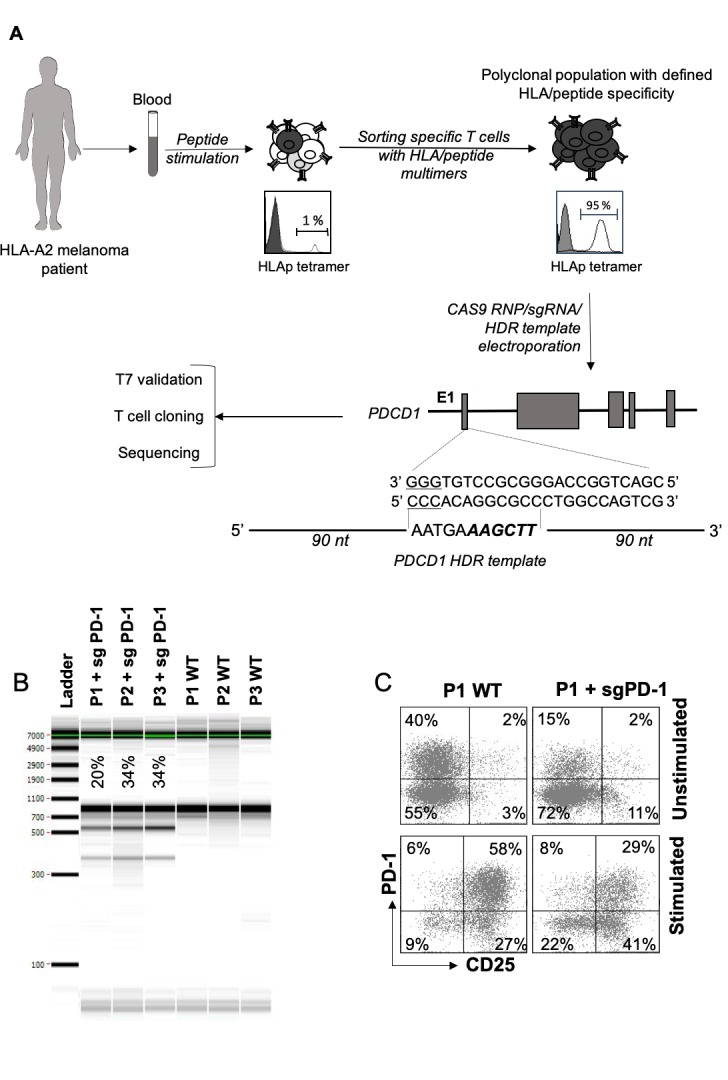
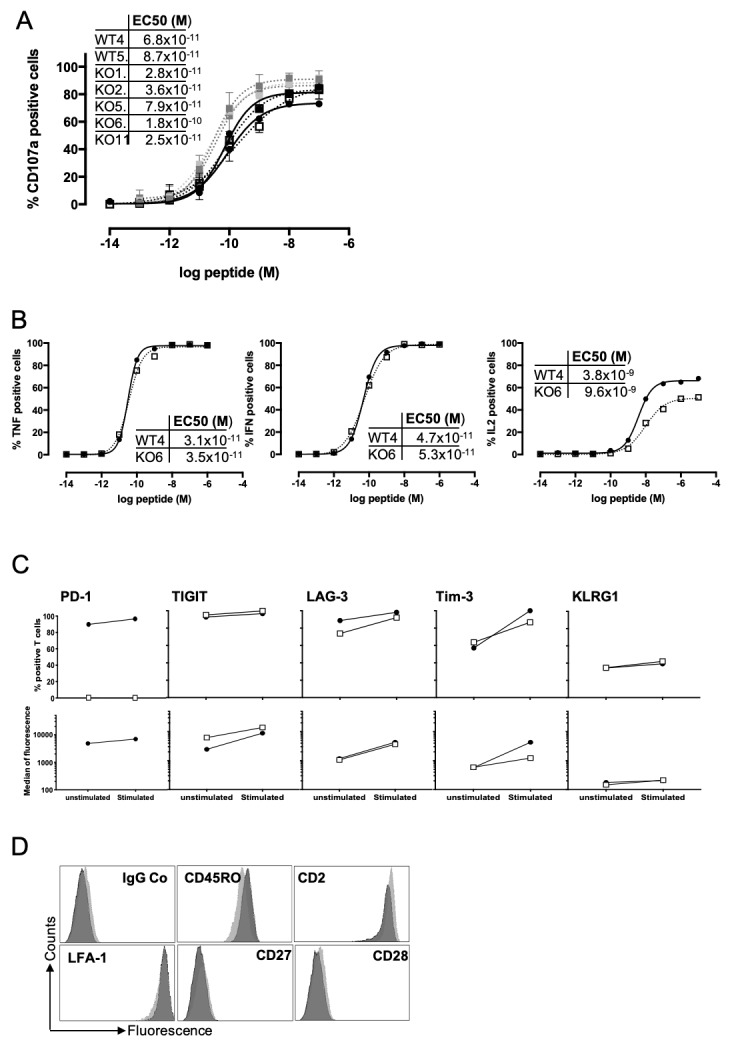
Here we used the transfection of CAS9/sgRNA ribonucleoproteic complexes to edit gene in human effector memory CD8 T cells specific for the melanoma antigen Melan-A. We cloned edited T cell populations and validated editing through sequencing and cytometry in each T cell clone, together with T-cell receptor (TCR) chain's sequencing. We also performed whole transcriptomic analyses on wild-type (WT) and edited T cell clones. Finally, we documented in vitro and in vivo through adoptive transfer in NOD scid gamma (NSG) mice, the antitumor properties of WT and PD-1KO T cell clones, expressing the same TCR.
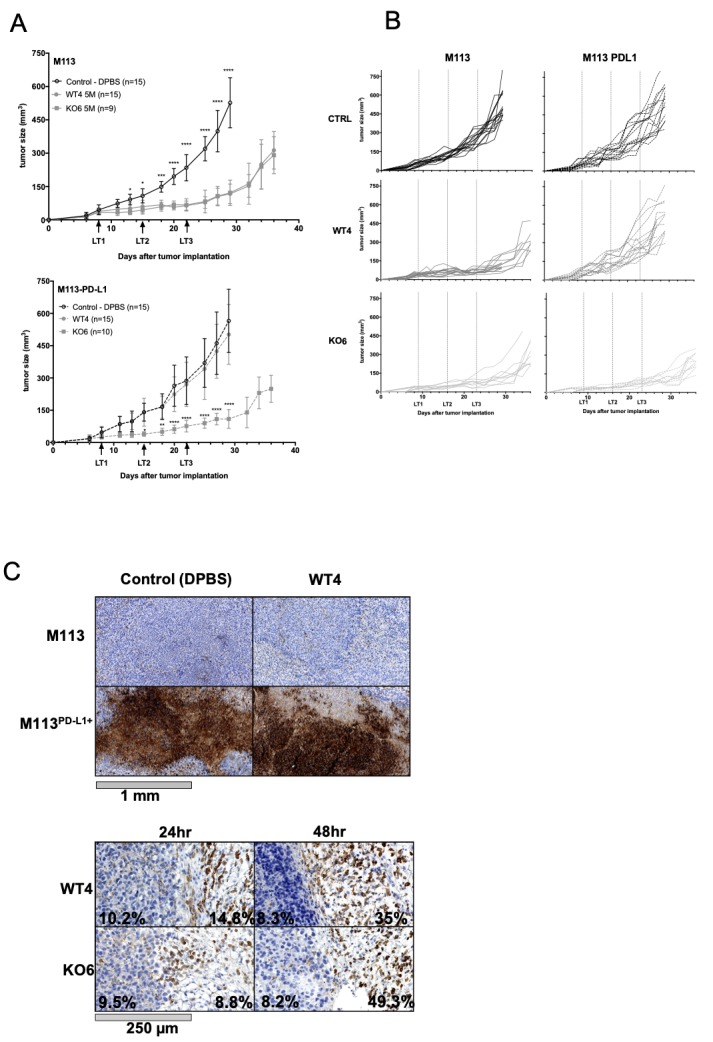
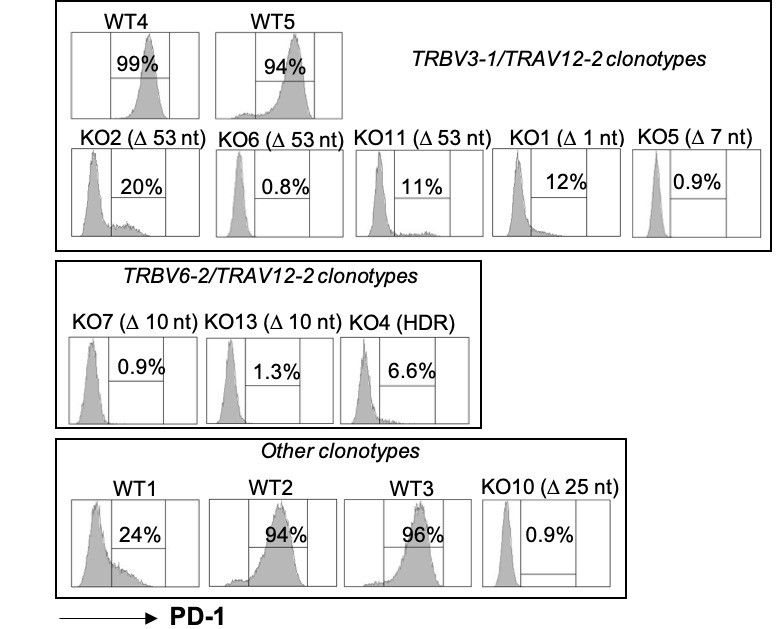
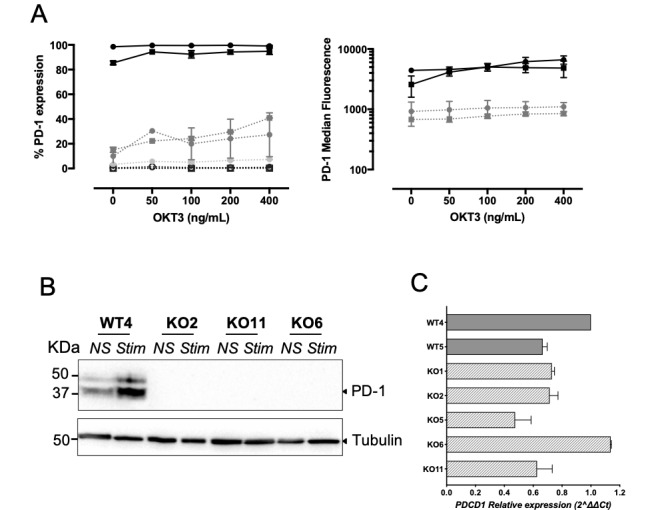
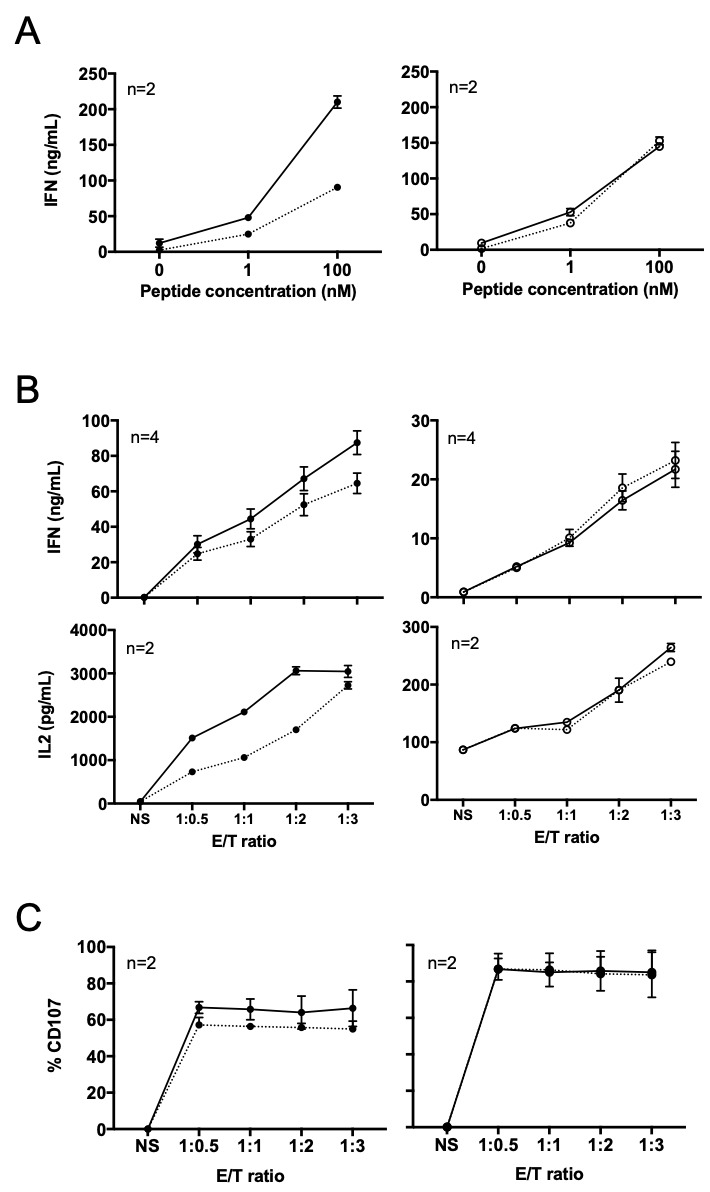
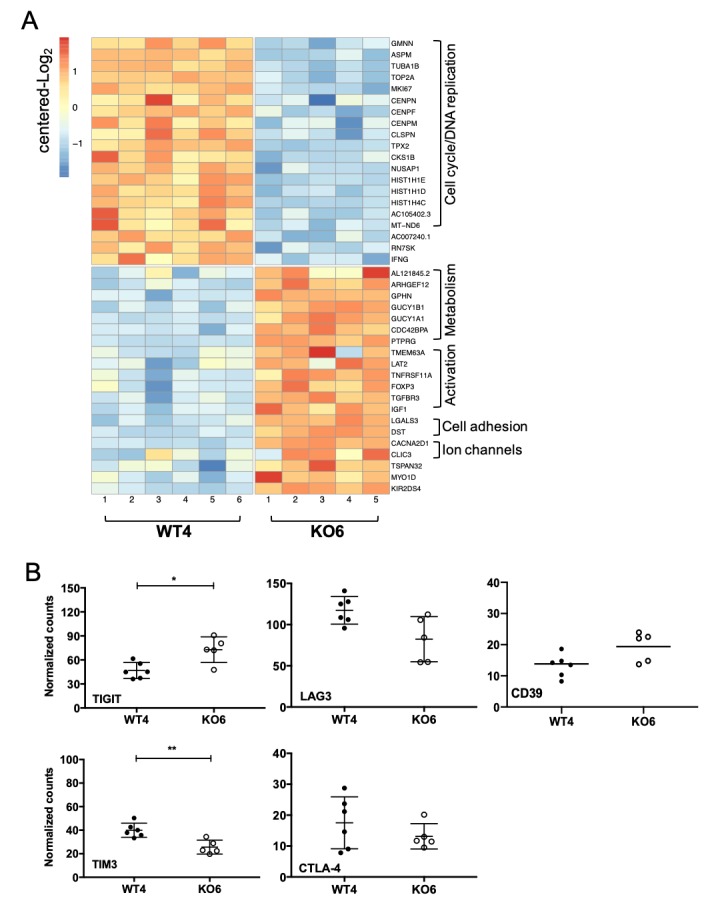
Here we demonstrated the feasibility to edit gene in human effector memory melanoma-specific T lymphocytes. We showed that PD-1 expression was dramatically reduced or totally absent on -edited T cell clones. Extensive characterization of a panel of T cell clones expressing the same TCR and exhibiting similar functional avidity demonstrated superior antitumor reactivity against a PD-L1 expressing melanoma cell line. Transcriptomic analysis revealed a downregulation of genes involved in proliferation and DNA replication in PD-1-deficient T cell clones, whereas genes involved in metabolism and cell signaling were upregulated. Finally, we documented the superior ability of PD-1-deficient T cells to significantly delay the growth of a PD-L1 expressing human melanoma tumor in an NSG mouse model.
The use of such lymphocytes for adoptive cell transfer purposes, associated with other approaches modulating the tumor microenvironment, would be a promising alternative to improve immunotherapy efficacy in solid tumors.
基因组编辑为优化用于过继细胞转移的 T 细胞的功能特性提供了独特的视角。到目前为止,编辑已成功地在嵌合抗原受体 T(CAR-T)细胞和人原代 T 细胞中进行了测试。尽管如此,对于实体瘤患者,特异性针对肿瘤抗原的效应记忆 T 细胞的过继转移仍然是一种相关的选择,并且使用高亲和力且缺乏程序性细胞死亡蛋白 1(PD-1)表达的 T 细胞有望提高这些治疗的治疗效益。
我们使用 CAS9/sgRNA 核糖核蛋白复合物转染来编辑特异性针对黑色素瘤抗原 Melan-A 的人类效应记忆 CD8 T 细胞中的 基因。我们克隆了编辑后的 T 细胞群体,并通过对每个 T 细胞克隆进行测序和细胞术以及 TCR 链测序来验证 编辑。我们还对野生型(WT)和编辑后的 T 细胞克隆进行了全转录组分析。最后,我们通过在 NOD scid gamma(NSG)小鼠中进行过继转移,记录了 WT 和 PD-1KO T 细胞克隆的体内外抗肿瘤特性,这些 T 细胞克隆表达相同的 TCR。
我们证明了在人类效应记忆黑色素瘤特异性 T 淋巴细胞中编辑 基因的可行性。我们表明,PD-1 的表达在 -编辑的 T 细胞克隆上显著降低或完全缺失。对表达相同 TCR 并表现出相似功能亲和力的一组 T 细胞克隆进行广泛表征表明,对 PD-L1 表达的黑色素瘤细胞系具有更高的抗肿瘤反应性。转录组分析显示,PD-1 缺陷型 T 细胞克隆中涉及增殖和 DNA 复制的基因下调,而涉及代谢和细胞信号的基因上调。最后,我们记录了 PD-1 缺陷型 T 细胞在 NSG 小鼠模型中显著延迟 PD-L1 表达的人类黑色素瘤肿瘤生长的能力。
将此类淋巴细胞用于过继细胞转移目的,并结合其他调节肿瘤微环境的方法,将是改善实体瘤免疫治疗效果的有前途的替代方法。