Wang Nanbu, Wang Haoyu, Li Lingyu, Li Yunchuan, Zhang Ronghua
The First Affiliated Hospital, Jinan University, Guangzhou, China.
College of Traditional Chinese Medicine, Jinan University, Guangzhou, China.
Front Pharmacol. 2020 Jan 17;10:1529. doi: 10.3389/fphar.2019.01529. eCollection 2019.
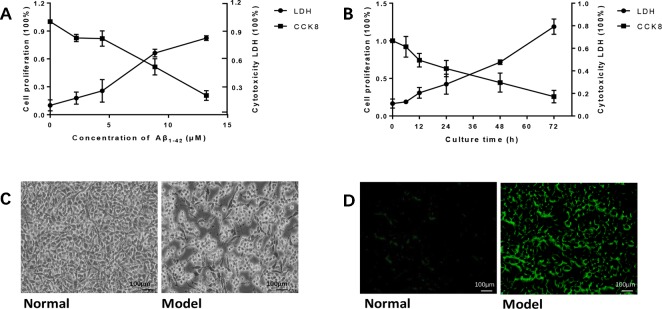
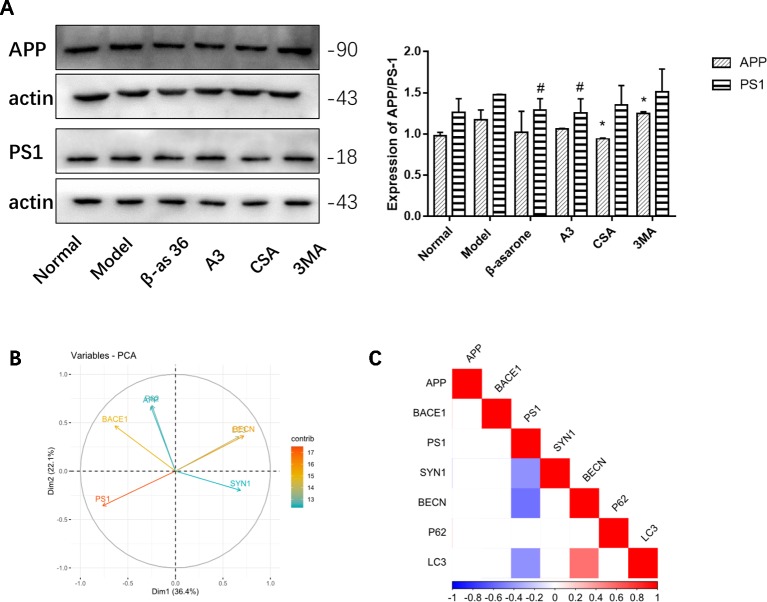
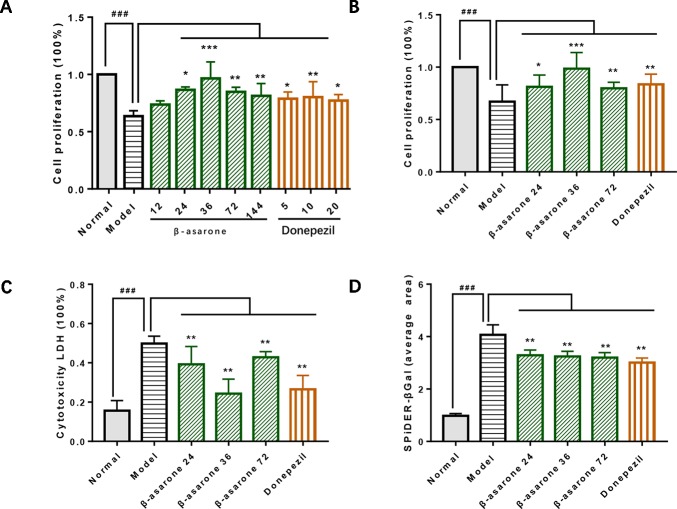
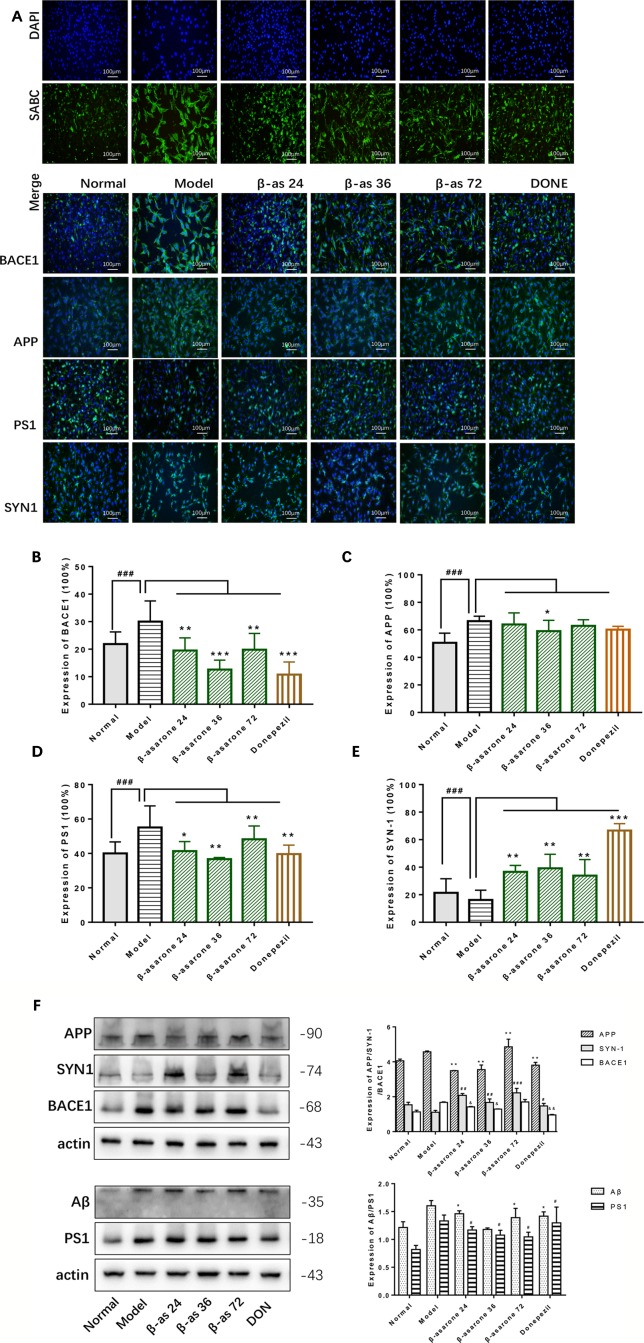
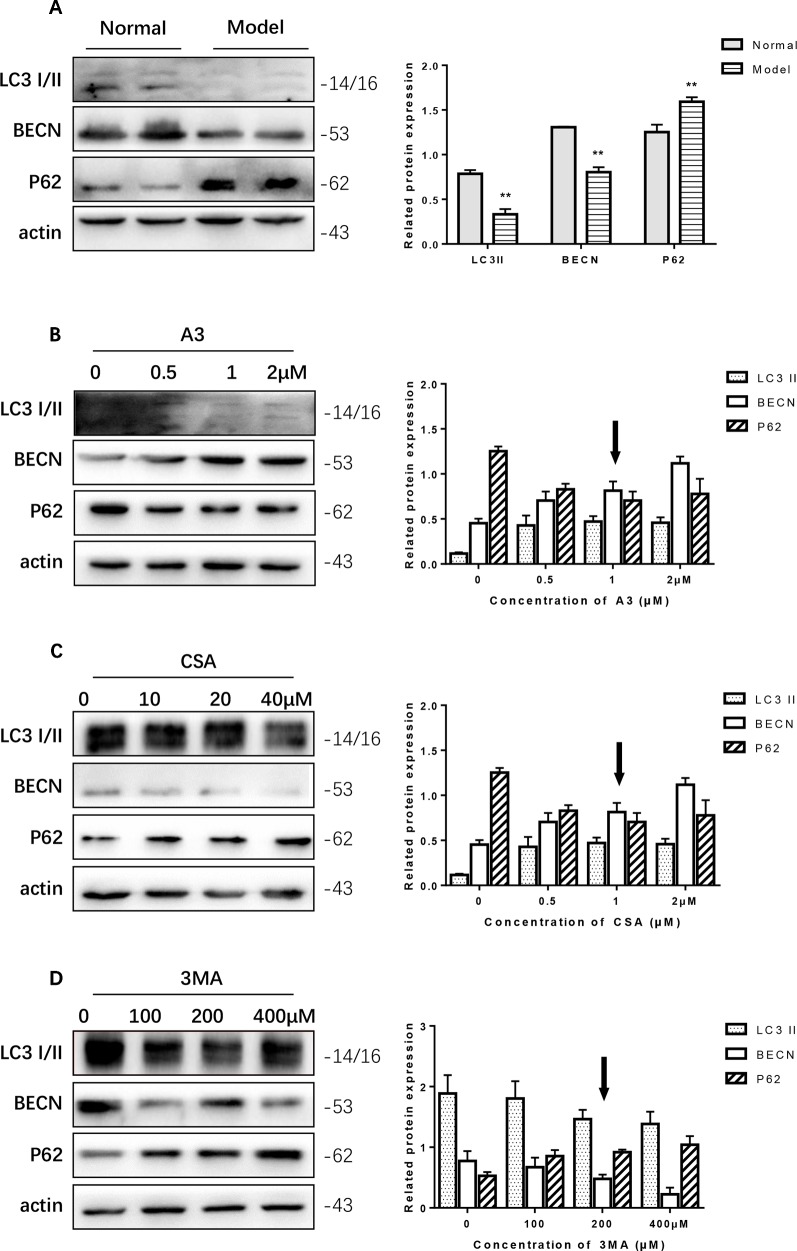
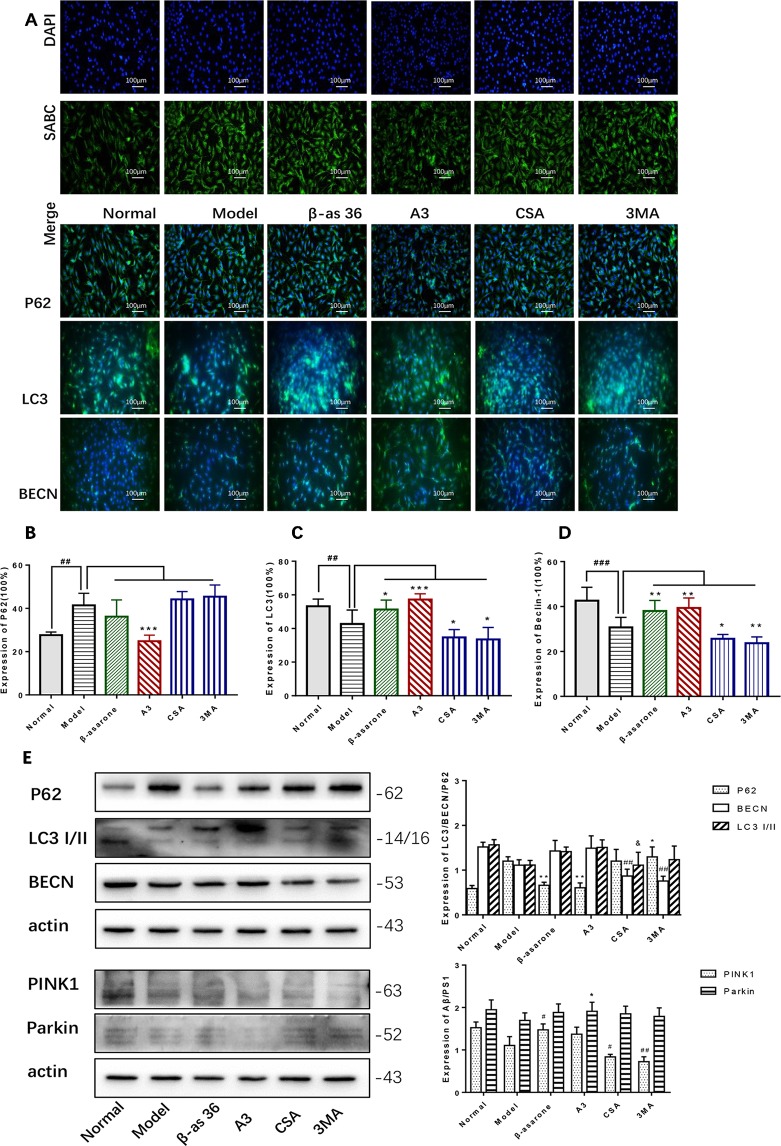
Alzheimer's disease (AD) is one of the most common types of dementia that causes memory, thinking, and behavior problems. The most important feature of AD is the gradual irreversible loss of cognitive ability through the formation of amyloid β (Aβ) plaques and neurofibrillary tangles composed of tau protein. The metabolism of Aβ and tau proteins is closely related to and is affected by autophagy. Current research speculates that autophagy dysfunction leads to an increase in harmful proteins in AD. β-Asarone is the main constituent of Schott and has important effects on the central nervous system. In this paper, we primarily explored the effects of β-asarone on the clearance of noxious proteins and the associated potential mechanisms autophagy in a PC12 cell AD model. A CCK-8 assay and LDH experiments were used to assess cell viability/toxicity, and SPiDER-βGal was used to detect cellular senescence. The important proteins associated with the pathogenesis of AD including APP, PS1, Aβ, BACE1, and SYN1 were analyzed by immunofluorescence (IF) and Western blot analysis. Antimycin A (A3) and cyclosporine A (CSA) were selected as the activators and inhibitors of autophagy, respectively. LC3, BECN, P62, PINK1, and Parkin protein expression were also examined by IF and Western blot analysis. The data showed that β-asarone administration significantly dose-dependently increased cell proliferation and decreased cytotoxicity; moreover, β-asarone inhibited SA-βGal and improved cell senescence. The results further showed that, compared to the model, APP, PS1, Aβ, BACE1, and p62 were reduced, while SYN1, BECN1, and LC3 were increased after treatment with β-asarone. The results of Canonical Correlation Analysis (CCA) showed a highly significant relationship between the pathological factors of AD and the protein expression of autophagy. In conclusion, our study demonstrated that β-asarone can inhibit Aβ, and this effect may occur by promoting autophagy in a cell model of AD.
阿尔茨海默病(AD)是最常见的痴呆类型之一,会导致记忆、思维和行为问题。AD的最重要特征是通过由tau蛋白组成的淀粉样β(Aβ)斑块和神经原纤维缠结的形成,认知能力逐渐不可逆转地丧失。Aβ和tau蛋白的代谢与自噬密切相关并受其影响。目前的研究推测,自噬功能障碍会导致AD中有害蛋白质增加。β-细辛醚是石菖蒲的主要成分,对中枢神经系统有重要作用。在本文中,我们主要探讨了β-细辛醚对PC12细胞AD模型中有害蛋白质清除及自噬相关潜在机制的影响。采用CCK-8法和LDH实验评估细胞活力/毒性,并用SPiDER-βGal检测细胞衰老。通过免疫荧光(IF)和蛋白质免疫印迹分析,分析了与AD发病机制相关的重要蛋白质,包括APP、PS1、Aβ、BACE1和SYN1。分别选用抗霉素A(A3)和环孢素A(CSA)作为自噬的激活剂和抑制剂。还通过IF和蛋白质免疫印迹分析检测了LC3、BECN、P62、PINK1和Parkin蛋白表达。数据显示,给予β-细辛醚显著剂量依赖性地增加细胞增殖并降低细胞毒性;此外,β-细辛醚抑制SA-βGal并改善细胞衰老。结果进一步表明,与模型组相比,β-细辛醚处理后APP、PS1、Aβ、BACE1和p62减少,而SYN1、BECN1和LC3增加。典型相关分析(CCA)结果显示,AD的病理因素与自噬蛋白表达之间存在高度显著的关系。总之,我们的研究表明,β-细辛醚可以抑制Aβ,这种作用可能是通过在AD细胞模型中促进自噬而发生的。