Department of Radiology, Memorial Sloan Kettering Cancer Center, New York, New York, USA.
Bioinformatics Core Computational Biology Program, Memorial Sloan Kettering Cancer Center, New York, New York, USA.
Cancer Biother Radiopharm. 2020 Aug;35(6):459-473. doi: 10.1089/cbr.2019.3150. Epub 2020 Feb 3.
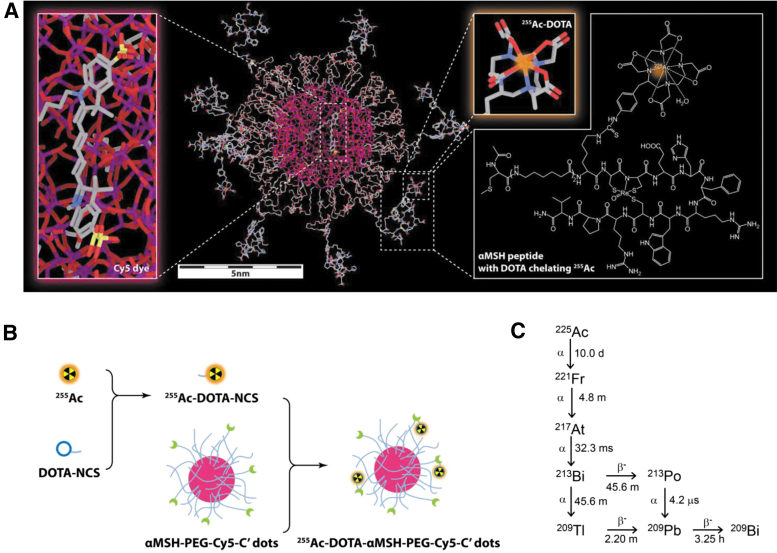
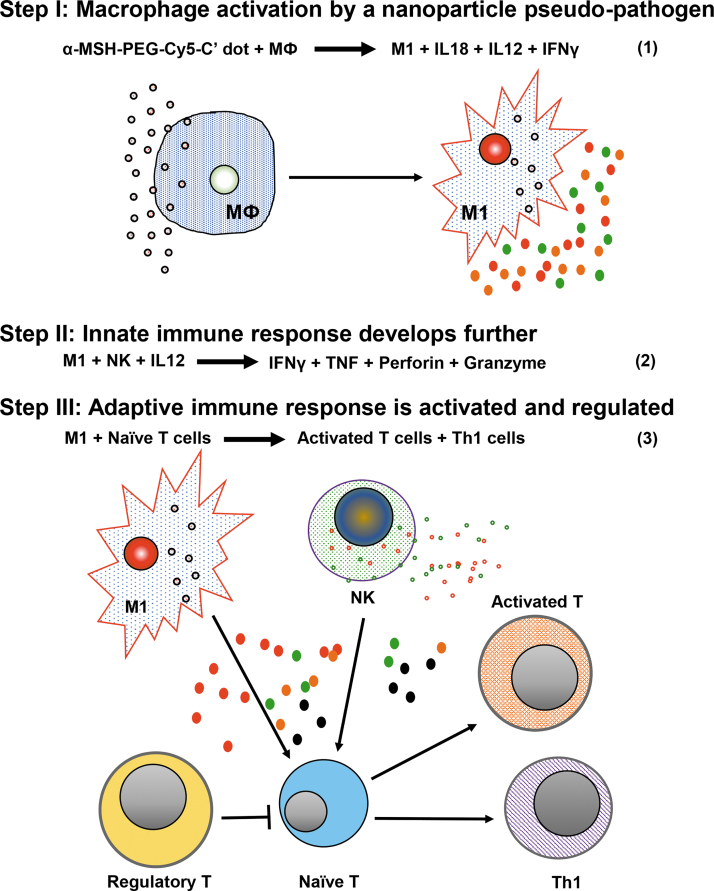
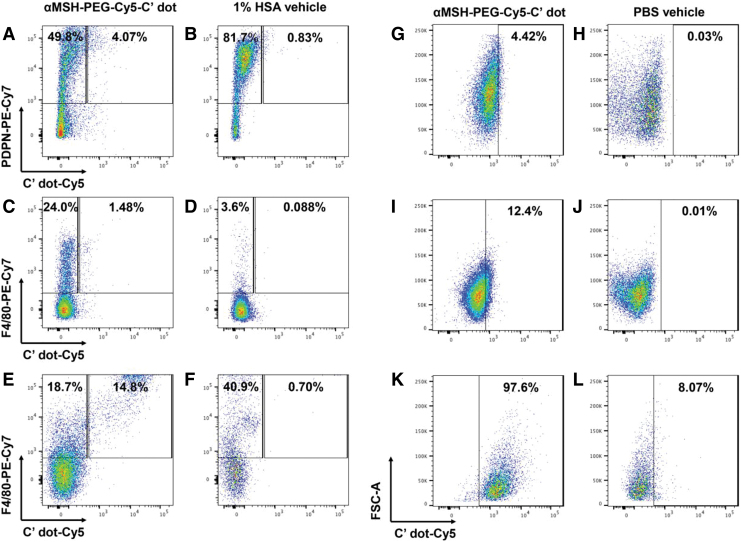
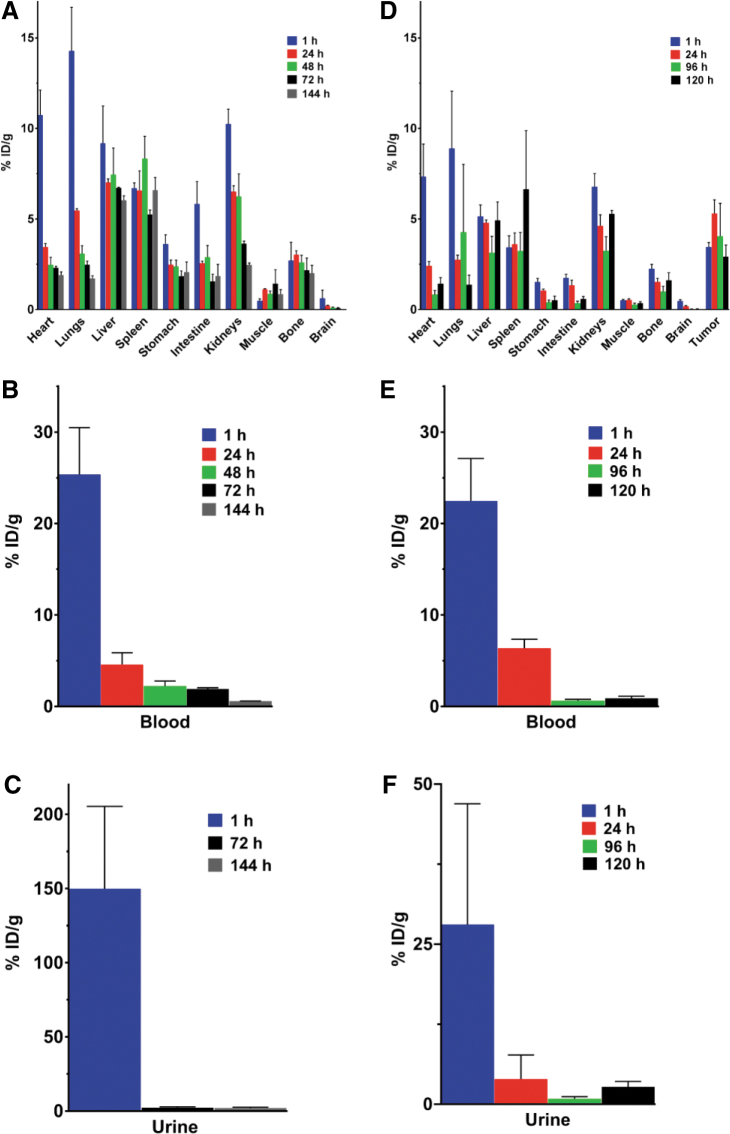
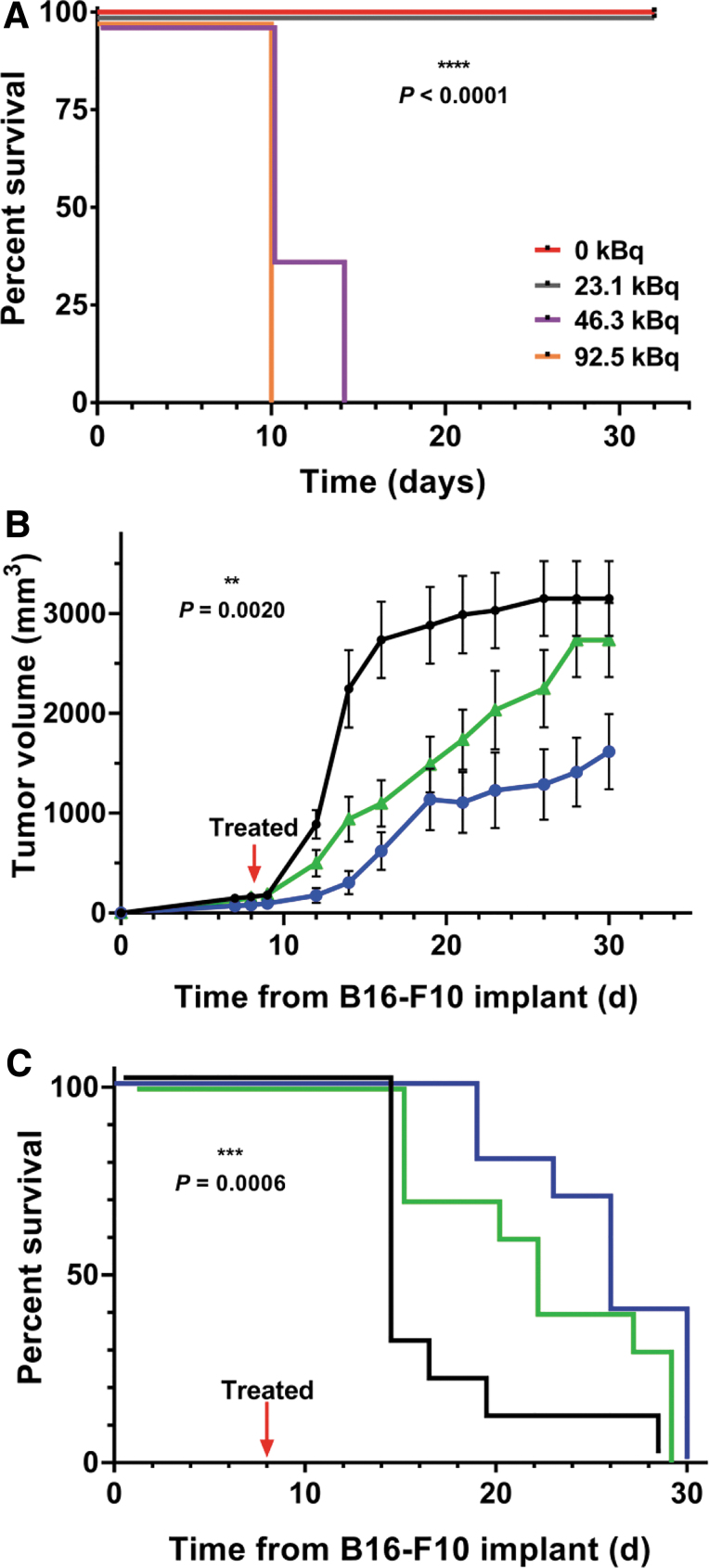
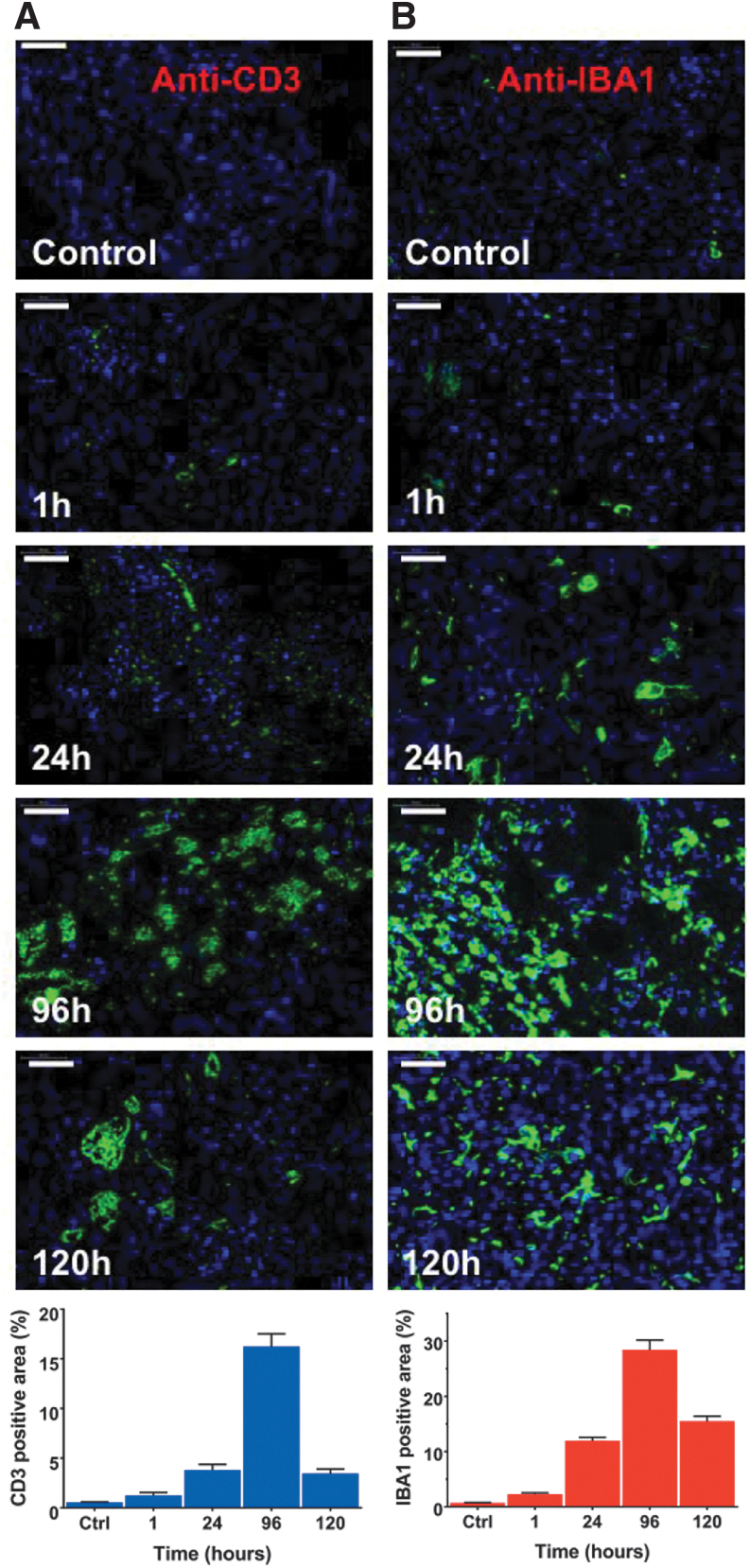
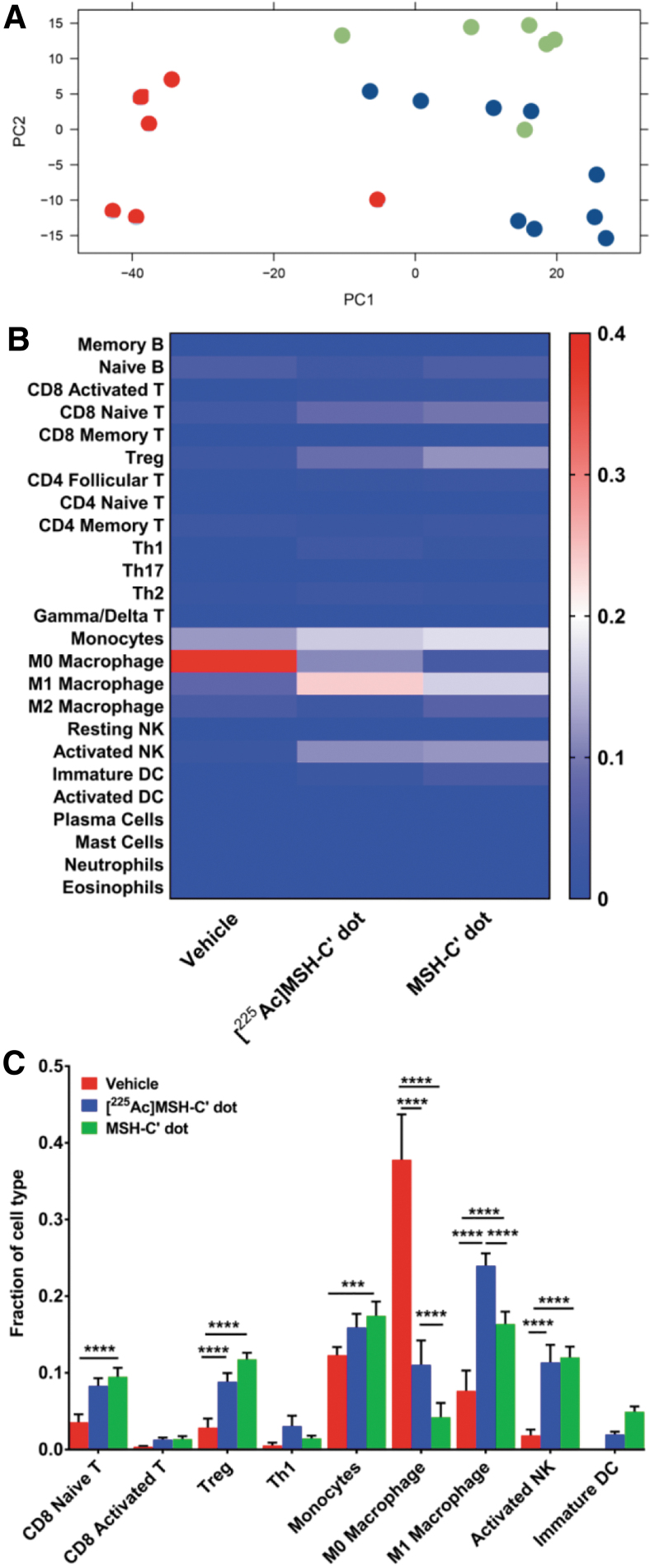
An α particle-emitting nanodrug that is a potent and specific antitumor agent and also prompts significant remodeling of local immunity in the tumor microenvironment (TME) has been developed and may impact the treatment of melanoma. Biocompatible ultrasmall fluorescent core-shell silica nanoparticles (C' dots, diameter ∼6.0 nm) have been engineered to target the melanocortin-1 receptor expressed on melanoma through α melanocyte-stimulating hormone peptides attached to the C' dot surface. Actinium-225 is also bound to the nanoparticle to deliver a densely ionizing dose of high-energy α particles to cancer. Nanodrug pharmacokinetic properties are optimal for targeted radionuclide therapy as they exhibit rapid blood clearance, tumor-specific accumulation, minimal off-target localization, and renal elimination. Potent and specific tumor control, arising from the α particles, was observed in a syngeneic animal model of melanoma. Surprisingly, the C' dot component of this drug initiates a favorable pseudopathogenic response in the TME generating distinct changes in the fractions of naive and activated CD8 T cells, Th1 and regulatory T cells, immature dendritic cells, monocytes, MΦ and M1 macrophages, and activated natural killer cells. Concomitant upregulation of the inflammatory cytokine genome and adaptive immune pathways each describes a macrophage-initiated pseudoresponse to a viral-shaped pathogen. This study suggests that therapeutic α-particle irradiation of melanoma using ultrasmall functionalized core-shell silica nanoparticles potently kills tumor cells, and at the same time initiates a distinct immune response in the TME.
一种发射α粒子的纳米药物,具有强大而特异的抗肿瘤作用,并能显著重塑肿瘤微环境(TME)中的局部免疫,可能会影响黑色素瘤的治疗。通过附着在 C'点表面的α黑色素细胞刺激素肽,将生物相容性的超小荧光核壳硅纳米粒子(C'点,直径约 6.0nm)设计成靶向黑色素瘤上表达的黑素皮质素-1 受体。锕-225 也与纳米颗粒结合,为癌症提供高能量的密集电离α粒子剂量。纳米药物的药代动力学特性最适合靶向放射性核素治疗,因为它们表现出快速的血液清除、肿瘤特异性积累、最小的脱靶定位和肾脏消除。在黑色素瘤的同种异体动物模型中观察到了来自α粒子的强大而特异的肿瘤控制。令人惊讶的是,这种药物的 C'点成分在 TME 中引发了有利的假病源反应,导致幼稚和激活的 CD8 T 细胞、Th1 和调节性 T 细胞、未成熟树突状细胞、单核细胞、MΦ和 M1 巨噬细胞以及激活的自然杀伤细胞的分数发生明显变化。炎症细胞因子基因组和适应性免疫途径的同时上调,各自描述了巨噬细胞对病毒样病原体的假反应。这项研究表明,使用超小功能化核壳硅纳米颗粒对黑色素瘤进行治疗性α粒子照射,能有效地杀死肿瘤细胞,同时在 TME 中引发独特的免疫反应。