Jo Sumin, Fotovati Abbas, Duque-Afonso Jesus, Cleary Michael L, van den Elzen Peter, Seif Alix E, Reid Gregor S D
Michael Cuccione Childhood Cancer Research Program, BC Children's Hospital Research Institute, Vancouver, BC V5Z 4H4, Canada.
Department of Pathology, School of Medicine, Stanford University, Stanford, CA 94305, USA.
Cancers (Basel). 2020 Jan 10;12(1):169. doi: 10.3390/cancers12010169.
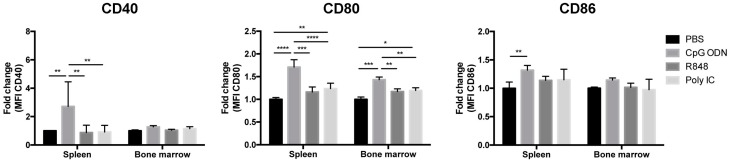
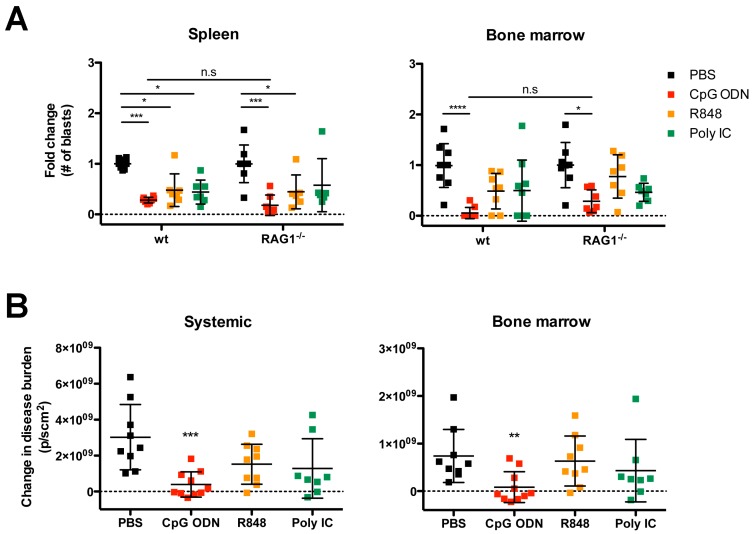
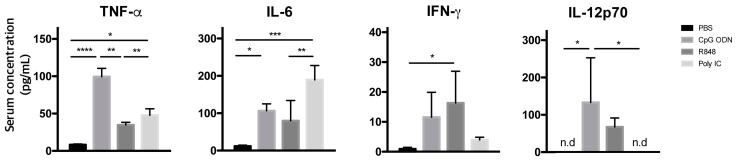
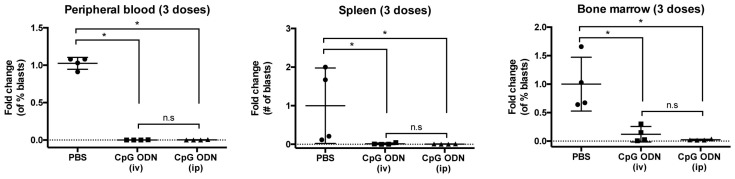
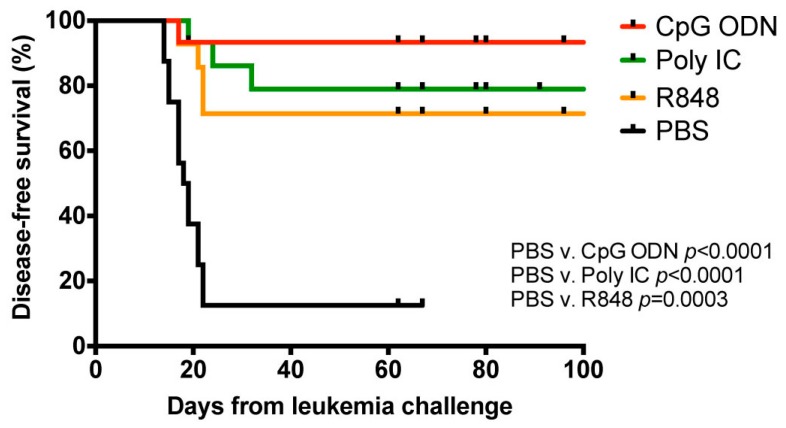
Acute lymphoblastic leukemia (ALL) is the most common pediatric malignancy. While frontline chemotherapy regimens are generally very effective, the prognosis for patients whose leukemia returns remains poor. The presence of measurable residual disease (MRD) in bone marrow at the completion of induction therapy is the strongest predictor of relapse, suggesting that strategies to eliminate the residual leukemic blasts from this niche could reduce the incidence of recurrence. We have previously reported that toll-like receptor (TLR) agonists achieve durable T cell-mediated protection in transplantable cell line-based models of B cell precursor leukemia (B-ALL). However, the successful application of TLR agonist therapy in an MRD setting would require the induction of anti-leukemic immune activity specifically in the bone marrow, a site of the chemotherapy-resistant leukemic blasts. In this study, we compare the organ-specific depletion of human and mouse primary B-ALL cells after systemic administration of endosomal TLR agonists. Despite comparable splenic responses, only the TLR9 agonist induced strong innate immune responses in the bone marrow and achieved a near-complete elimination of B-ALL cells. This pattern of response was associated with the most significantly prolonged disease-free survival. Overall, our findings identify innate immune activity in the bone marrow that is associated with durable TLR-induced protection against B-ALL outgrowth.
急性淋巴细胞白血病(ALL)是最常见的儿童恶性肿瘤。虽然一线化疗方案通常非常有效,但白血病复发患者的预后仍然很差。诱导治疗结束时骨髓中可测量残留疾病(MRD)的存在是复发的最强预测指标,这表明从这个微环境中消除残留白血病细胞的策略可以降低复发率。我们之前报道过,在基于可移植细胞系的B细胞前体白血病(B-ALL)模型中,Toll样受体(TLR)激动剂可实现持久的T细胞介导的保护作用。然而,TLR激动剂疗法在MRD环境中的成功应用需要在骨髓中特异性诱导抗白血病免疫活性,骨髓是化疗耐药白血病细胞的一个部位。在本研究中,我们比较了全身给予内体TLR激动剂后人和小鼠原发性B-ALL细胞的器官特异性耗竭情况。尽管脾脏反应相当,但只有TLR9激动剂在骨髓中诱导了强烈的先天免疫反应,并几乎完全消除了B-ALL细胞。这种反应模式与最显著延长的无病生存期相关。总体而言,我们的研究结果确定了骨髓中的先天免疫活性,其与TLR诱导的针对B-ALL生长的持久保护作用相关。