Department of Neurobiology, Care Sciences and Society, Center for Alzheimer Research, Division of Neurogeriatrics, Karolinska Institutet, BioClinicum J9:20, Visionsgatan 4, 171 64, Solna, Sweden.
Department of Pharmacological and Biomolecular Sciences, Universitá Degli Studi Di Milano, Milan, Italy.
BMC Neurosci. 2020 Feb 4;21(1):6. doi: 10.1186/s12868-020-0554-0.
Synaptic degeneration and accumulation of amyloid β-peptides (Aβ) are hallmarks of the Alzheimer diseased brain. Aβ is synaptotoxic and produced by sequential cleavage of the amyloid precursor protein (APP) by the β-secretase BACE1 and by γ-secretase. If APP is instead cleaved by the α-secretase ADAM10, Aβ will not be generated. Although BACE1 is considered to be a presynaptic protein and ADAM10 has been reported to mainly localize to the postsynaptic density, we have previously shown that both ADAM10 and BACE1 are highly enriched in synaptic vesicles of rat brain and mouse primary hippocampal neurons.
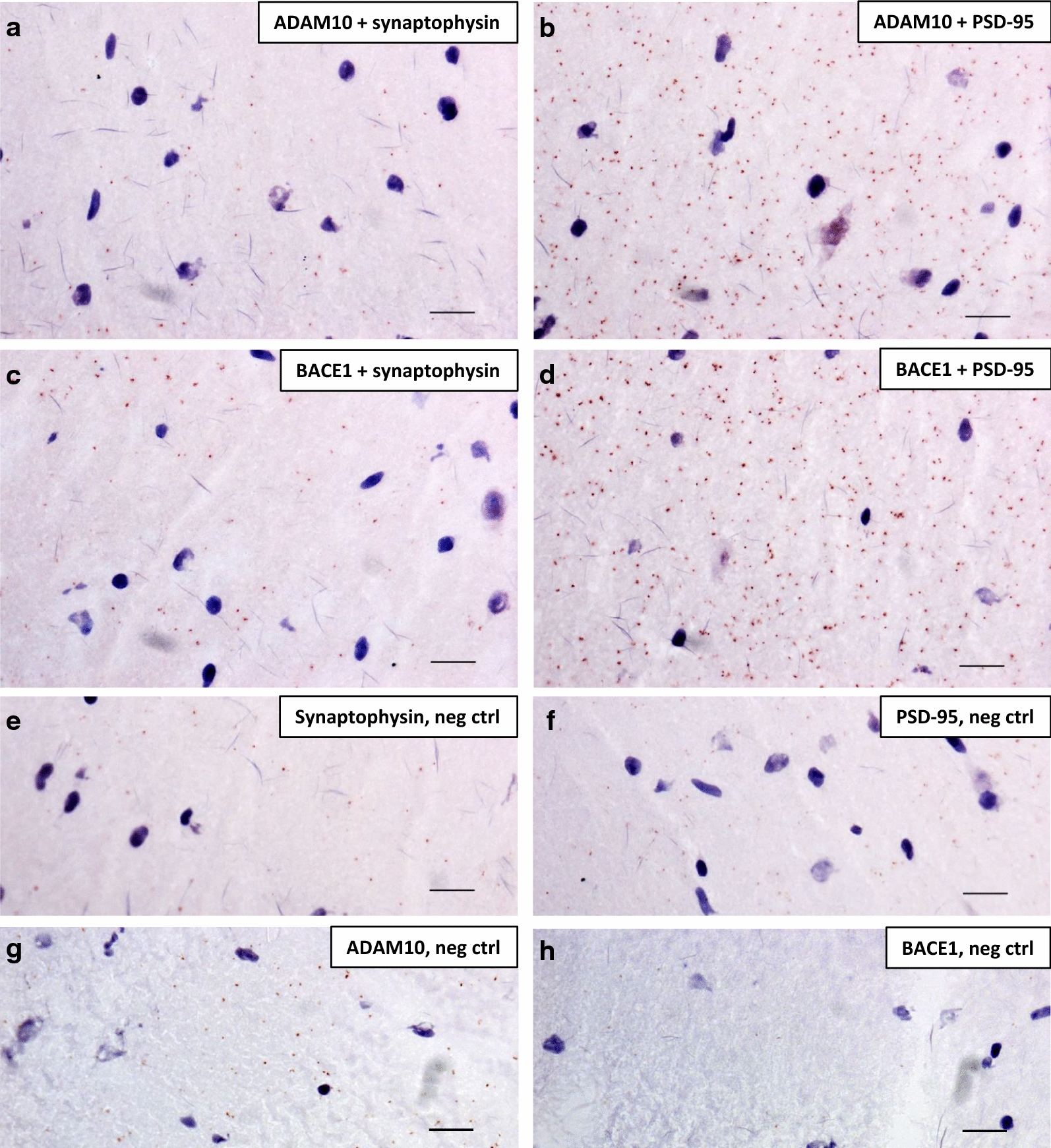
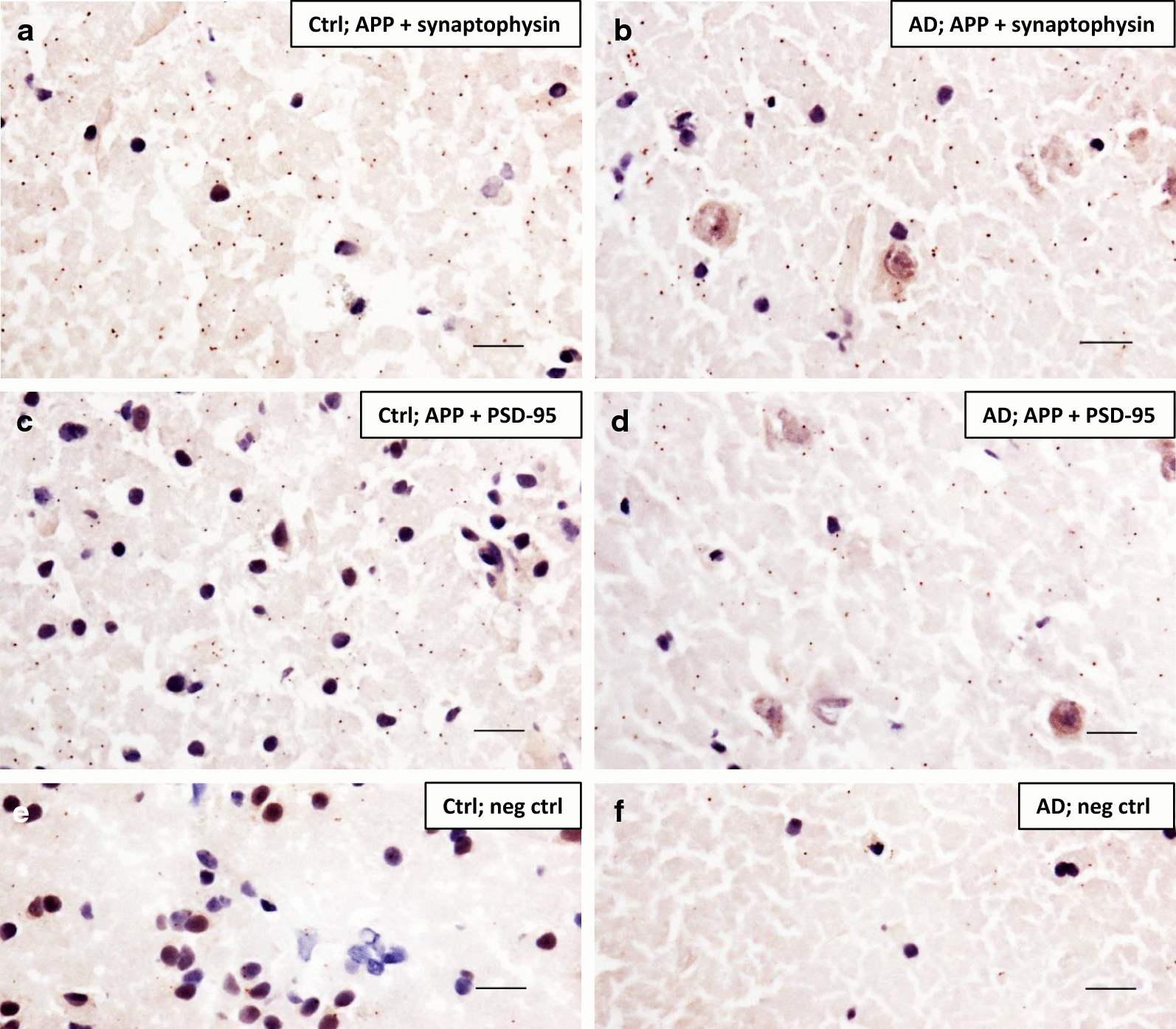
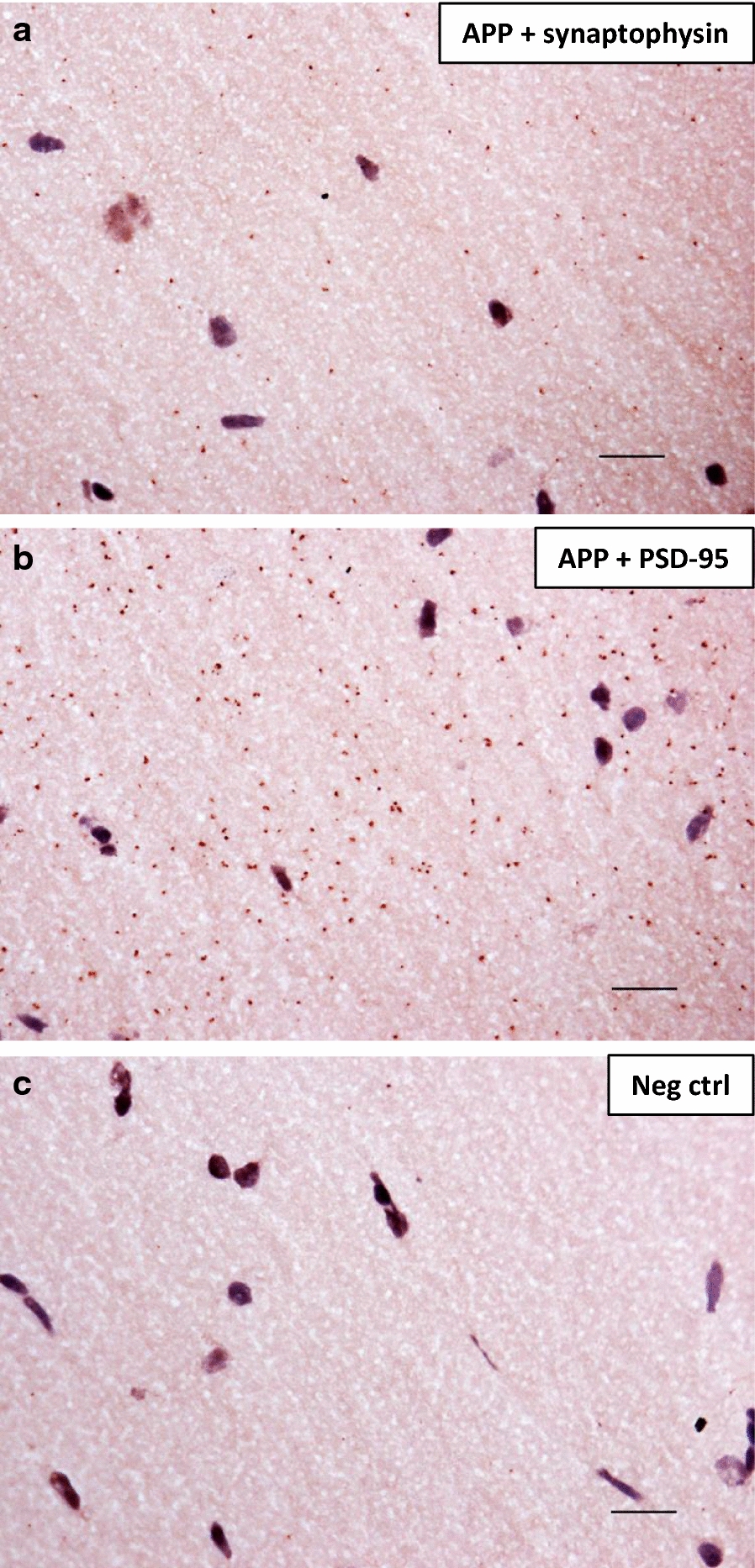
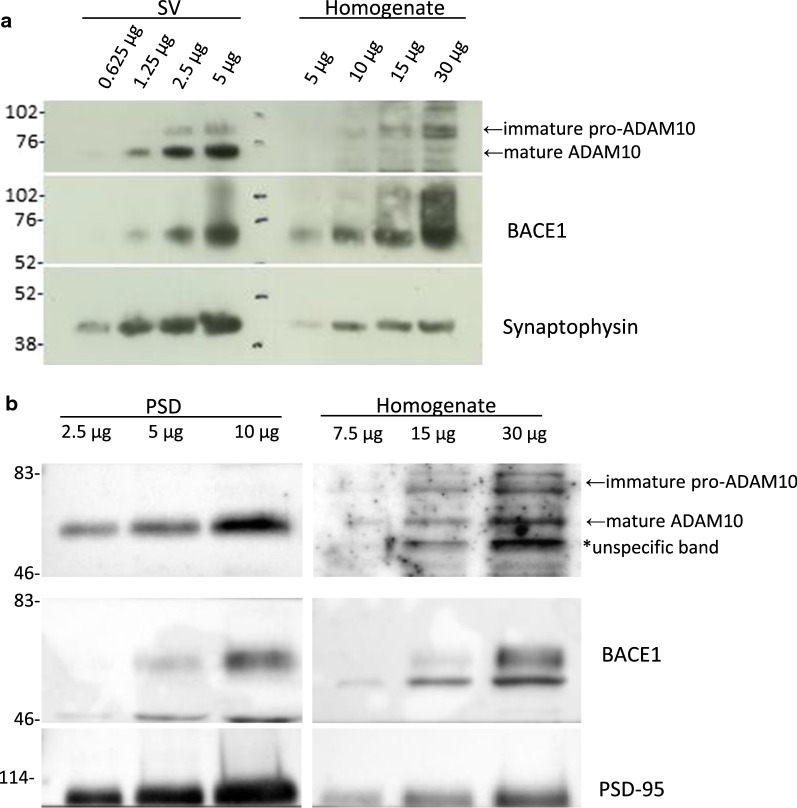
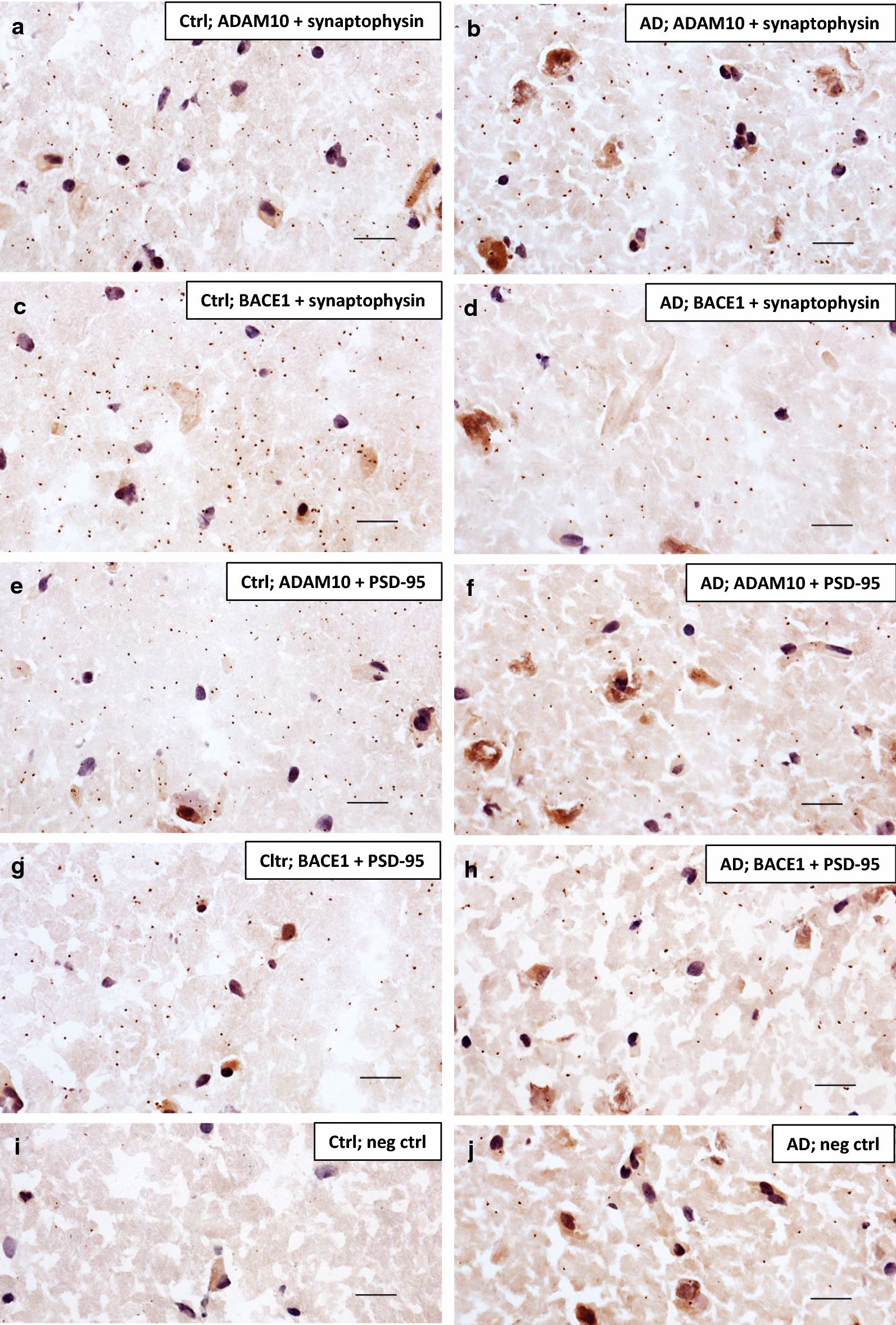
Here, using brightfield proximity ligation assay, we expanded our previous result in primary neurons and investigated the in situ synaptic localization of ADAM10 and BACE1 in rat and human adult brain using both pre- and postsynaptic markers. We found that ADAM10 and BACE1 were in close proximity with both the presynaptic marker synaptophysin and the postsynaptic marker PSD-95. The substrate APP was also detected both pre- and postsynaptically. Subcellular fractionation confirmed that ADAM10 and BACE1 are enriched to a similar degree in synaptic vesicles and as well as in the postsynaptic density.
We show that the α-secretase ADAM10 and the β-secretase BACE1 are located in both the pre- and postsynaptic compartments in intact brain sections. These findings increase our understanding of the regulation of APP processing, thereby facilitating development of more specific treatment strategies.
突触退化和淀粉样 β-肽 (Aβ) 的积累是阿尔茨海默病大脑的标志。Aβ 具有突触毒性,是由淀粉样前体蛋白 (APP) 被 β-分泌酶 BACE1 和 γ-分泌酶连续切割产生的。如果 APP 被 α-分泌酶 ADAM10 切割,则不会产生 Aβ。尽管 BACE1 被认为是一种突触前蛋白,并且 ADAM10 已被报道主要定位于突触后密度,但我们之前已经表明,ADAM10 和 BACE1 都在大鼠脑和小鼠原代海马神经元的突触小泡中高度富集。
在这里,我们使用明场邻近连接测定法,扩展了我们之前在原代神经元中的结果,并使用突触前和突触后标记物在大鼠和人类成年大脑中研究 ADAM10 和 BACE1 的原位突触定位。我们发现 ADAM10 和 BACE1 与突触小泡中的突触前标记物突触小泡蛋白和突触后标记物 PSD-95 都非常接近。底物 APP 也在突触前和突触后被检测到。亚细胞分级分离证实 ADAM10 和 BACE1 在突触小泡和突触后密度中都高度富集。
我们表明,α-分泌酶 ADAM10 和 β-分泌酶 BACE1 位于完整脑切片的突触前和突触后区室中。这些发现增加了我们对 APP 加工调节的理解,从而促进了更具特异性的治疗策略的发展。