Institute of Nutritional Physiology "Kellner", Institute for Farm Animal Biology (FBN), Wilhelm-Stahl-Allee 2, 18196 Dummerstorf, Germany.
Animal. 2020 Mar;14(S1):s65-s77. doi: 10.1017/S1751731119003124.
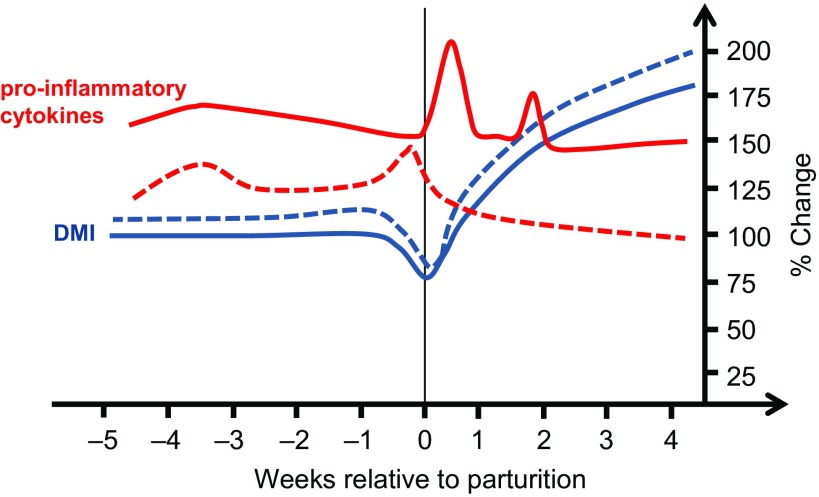
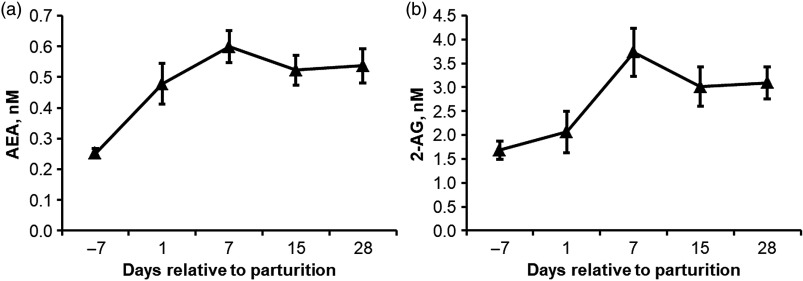
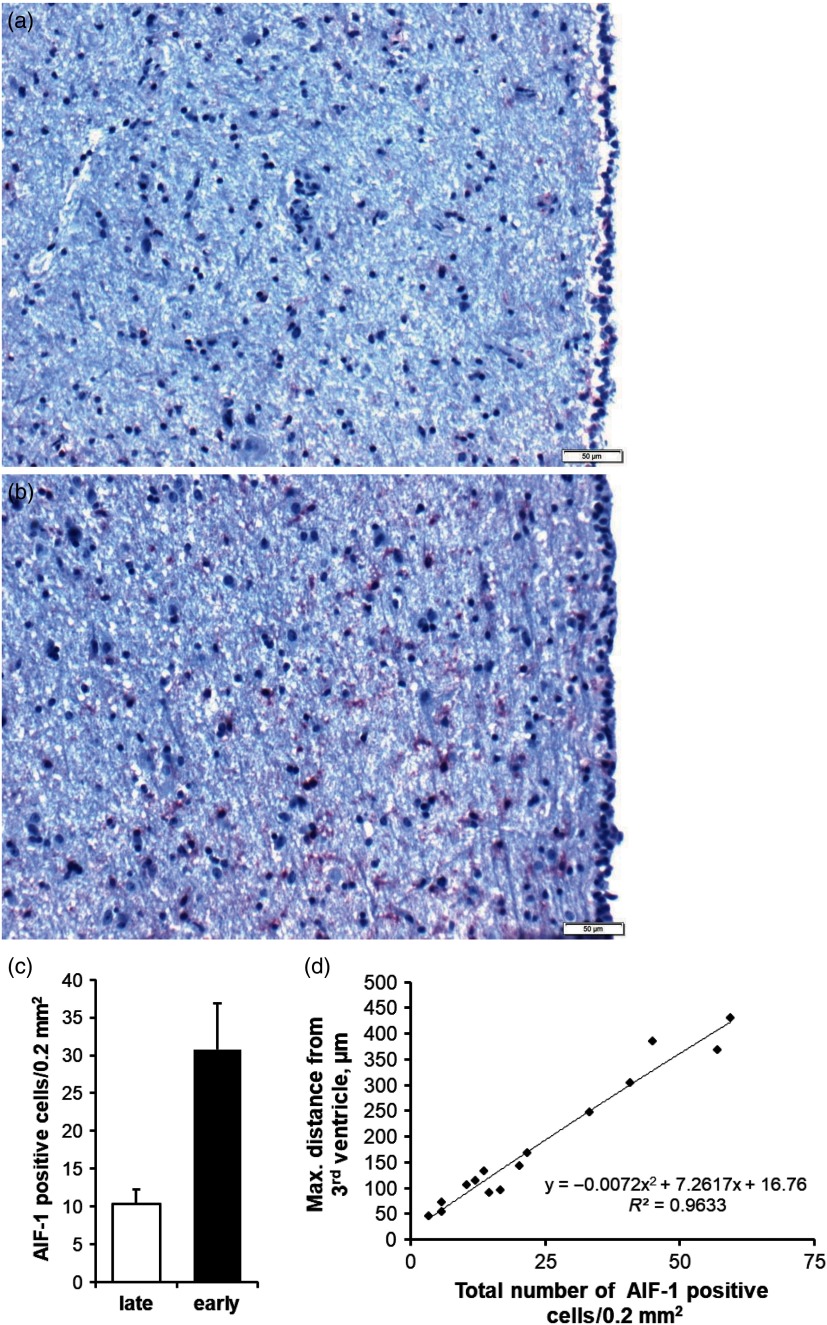
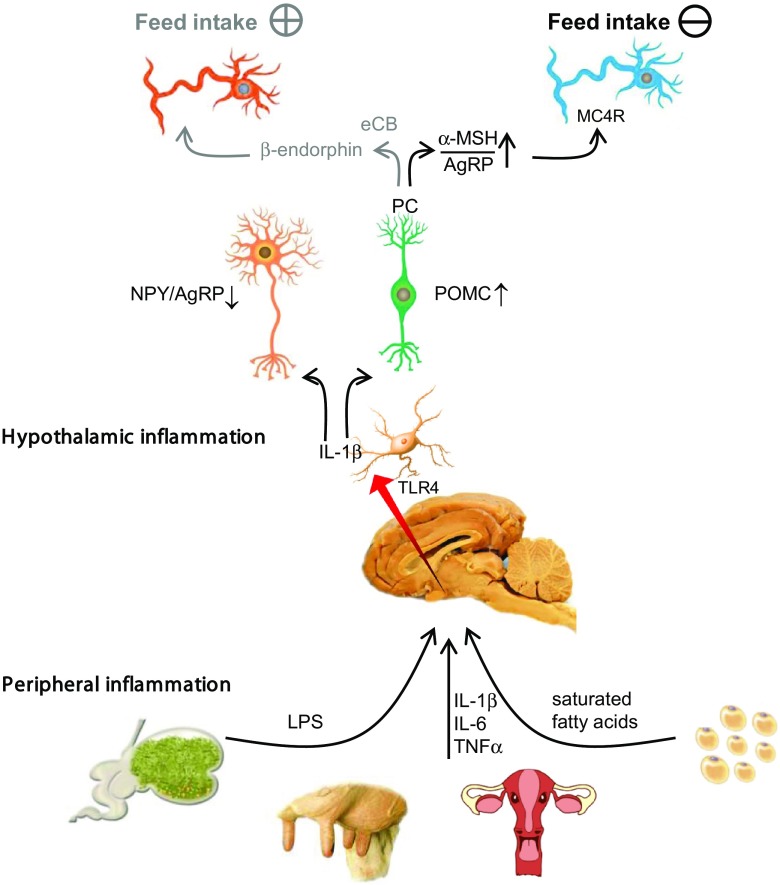
Improvements in feed intake of dairy cows entering the early lactation period potentially decrease the risk of metabolic disorders, but before developing approaches targeting the intake level, mechanisms controlling and dysregulating energy balance and feed intake need to be understood. This review focuses on different inflammatory pathways interfering with the neuroendocrine system regulating feed intake of periparturient dairy cows. Subacute inflammation in various peripheral organs often occurs shortly before or after calving and is associated with increased pro-inflammatory cytokine levels. These cytokines are released into the circulation and sensed by neurons located in the hypothalamus, the key brain region regulating energy balance, to signal reduction in feed intake. Besides these peripheral humoral signals, glia cells in the brain may produce pro-inflammatory cytokines independent of peripheral inflammation. Preliminary results show intensive microglia activation in early lactation, suggesting their involvement in hypothalamic inflammation and the control of feed intake of dairy cows. On the other hand, pro-inflammatory cytokine-induced activation of the vagus nerve transmits signalling to the brain, but this pathway seems not exclusively necessary to signal feed intake reduction. Yet, less studied in dairy cows so far, the endocannabinoid system links inflammation and the hypothalamic control of feed intake. Distinct endocannabinoids exert anti-inflammatory action but also stimulate the posttranslational cleavage of neuronal proopiomelanocortin towards β-endorphin, an orexigen promoting feed intake. Plasma endocannabinoid concentrations and hypothalamic β-endorphin levels increase from late pregnancy to early lactation, but less is known about the regulation of the hypothalamic endocannabinoid system during the periparturient period of dairy cows. Dietary fatty acids may modulate the formation of endocannabinoids, which opens new avenues to improve metabolic health and immune status of dairy cows.
奶牛进入泌乳早期时采食量的提高可能会降低发生代谢紊乱的风险,但在开发针对采食量水平的方法之前,需要了解控制和调节能量平衡和采食量的机制。这篇综述重点介绍了不同的炎症途径干扰围产期奶牛神经内分泌系统调节采食量的机制。各种外周器官的亚急性炎症通常在分娩前后不久发生,并与促炎细胞因子水平升高有关。这些细胞因子被释放到循环中,并被位于调节能量平衡的关键大脑区域下丘脑的神经元感知,以发出减少采食量的信号。除了这些外周体液信号外,大脑中的神经胶质细胞也可能独立于外周炎症产生促炎细胞因子。初步结果表明,在泌乳早期小胶质细胞的激活增强,提示它们参与了下丘脑炎症和奶牛采食量的控制。另一方面,促炎细胞因子诱导的迷走神经激活将信号传递到大脑,但这条途径似乎不是信号减少采食量所必需的。然而,迄今为止在奶牛中研究较少的内源性大麻素系统将炎症与下丘脑对采食量的控制联系起来。不同的内源性大麻素发挥抗炎作用,但也刺激神经元前阿黑皮素原向β-内啡肽的翻译后裂解,β-内啡肽促进采食。内源性大麻素的血浆浓度和下丘脑β-内啡肽水平从妊娠晚期到泌乳早期增加,但对奶牛围产期下丘脑内源性大麻素系统的调节知之甚少。膳食脂肪酸可能调节内源性大麻素的形成,这为改善奶牛的代谢健康和免疫状态开辟了新途径。