Md Noor J, Hawari R, Mokhtar M F, Yussof S J, Chew N, Norzan N A, Rahimi R, Ismail Z, Singh S, Baladas J, Hashim N H, Mohamad M I K, Pathmanathan M D
Emergency Department, Universiti Teknologi MARA, Jalan Hospital, 47000, Sungai Buloh, Selangor, Malaysia.
Emergency & Trauma Department, Hospital Sg Buloh, Jalan Hospital, 47000, Sungai Buloh, Selangor, Malaysia.
Int J Emerg Med. 2020 Feb 7;13(1):6. doi: 10.1186/s12245-020-0264-5.
Methanol poisoning usually occurs in a cluster and initial diagnosis can be challenging. Mortality is high without immediate interventions. This paper describes a methanol poisoning outbreak and difficulties in managing a large number of patients with limited resources.
A retrospective analysis of a methanol poisoning outbreak in September 2018 was performed, describing patients who presented to a major tertiary referral centre.
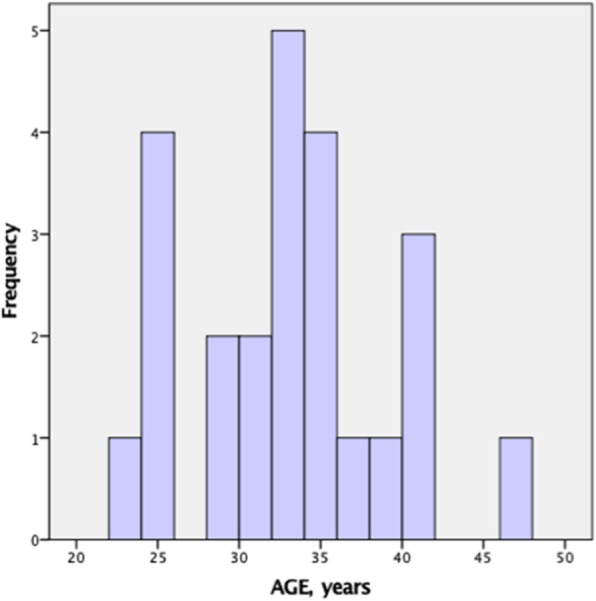
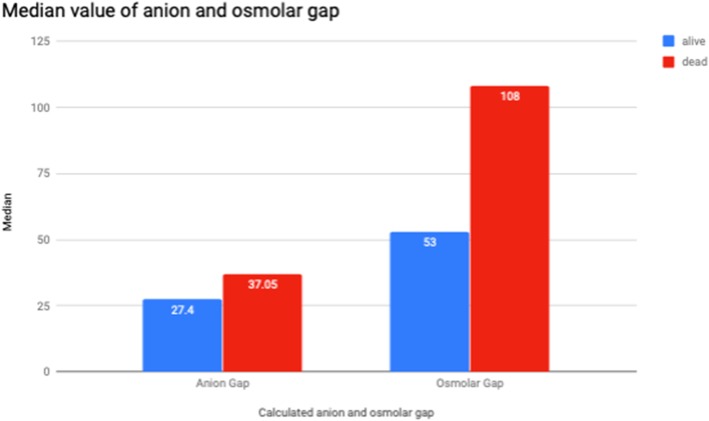
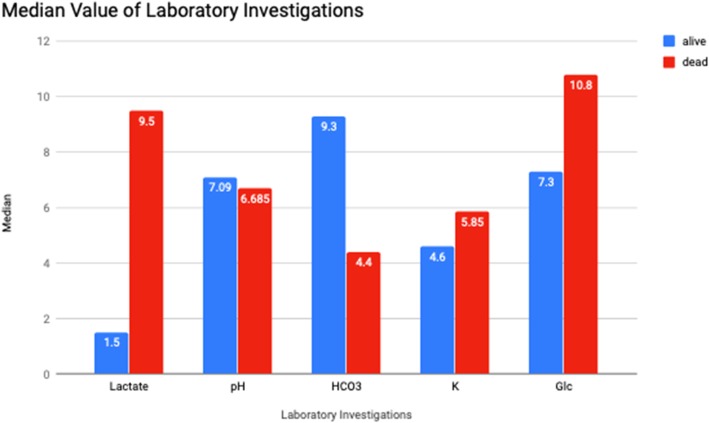
A total of 31 patients were received over the period of 9 days. Thirty of them were males with a mean age of 32 years old. They were mostly foreigners. From the 31 patients, 19.3% were dead on arrival, 3.2% died in the emergency department and 38.7% survived and discharged. The overall mortality rate was 61.3%. Out of the 12 patients who survived, two patients had toxic optic neuropathy, and one patient had uveitis. The rest of the survivors did not have any long-term complications. Osmolar gap and lactate had strong correlations with patient's mortality. Serum pH, bicarbonate, lactate, potassium, anion gap, osmolar gap and measured serum osmolarity between the alive and dead patients were significant. Post-mortem findings of the brain were unremarkable.
The mortality rate was higher, and the morbidity includes permanent visual impairment and severe neurological sequelae. Language barrier, severity of illness, late presentation, unavailability of intravenous ethanol and fomipezole and delayed dialysis may have been the contributing factors. Patient was managed based on clinical presentation. Laboratory parameters showed difference in median between group that survived and succumbed for pH, serum bicarbonate, lactate, potassium and osmolar and anion gap. Management of methanol toxicity outbreak in resource-limited area will benefit from a well-designed guideline that is adaptable to the locality.
甲醇中毒通常呈群体发生,初始诊断可能具有挑战性。若不立即进行干预,死亡率很高。本文描述了一起甲醇中毒事件以及在资源有限的情况下管理大量患者所面临的困难。
对2018年9月发生的一起甲醇中毒事件进行回顾性分析,描述了前往一家大型三级转诊中心就诊的患者情况。
在9天的时间里共接收了31名患者。其中30名是男性,平均年龄为32岁。他们大多是外国人。在这31名患者中,19.3%到达时已死亡,3.2%在急诊科死亡,38.7%存活并出院。总体死亡率为61.3%。在12名存活患者中,两名患者患有中毒性视神经病变,一名患者患有葡萄膜炎。其余幸存者没有任何长期并发症。渗透压间隙和乳酸与患者死亡率密切相关。存活患者和死亡患者之间的血清pH值、碳酸氢盐、乳酸、钾、阴离子间隙、渗透压间隙和测得的血清渗透压存在显著差异。脑部尸检结果无明显异常。
死亡率较高,发病率包括永久性视力损害和严重的神经后遗症。语言障碍、病情严重程度、就诊延迟、无法获得静脉注射乙醇和甲吡唑以及透析延迟可能是促成因素。根据临床表现对患者进行管理。实验室参数显示,存活组和死亡组在pH值、血清碳酸氢盐、乳酸、钾以及渗透压和阴离子间隙的中位数方面存在差异。在资源有限的地区,制定一套适应当地情况的精心设计的指南将有助于管理甲醇中毒事件。