Lau Man-Tat, Ghazanfar Shila, Parkin Ashleigh, Chou Angela, Rouaen Jourdin R, Littleboy Jamie B, Nessem Danielle, Khuong Thang M, Nevoltris Damien, Schofield Peter, Langley David, Christ Daniel, Yang Jean, Pajic Marina, Neely G Gregory
The Dr. John and Anne Chong Lab for Functional Genomics, Charles Perkins Centre and School of Life & Environmental Sciences, The University of Sydney, Sydney, NSW, 2006, Australia.
Genome Editing Initiative, The University of Sydney, Sydney, NSW, 2006, Australia.
Genome Biol. 2020 Feb 7;21(1):27. doi: 10.1186/s13059-020-1940-8.
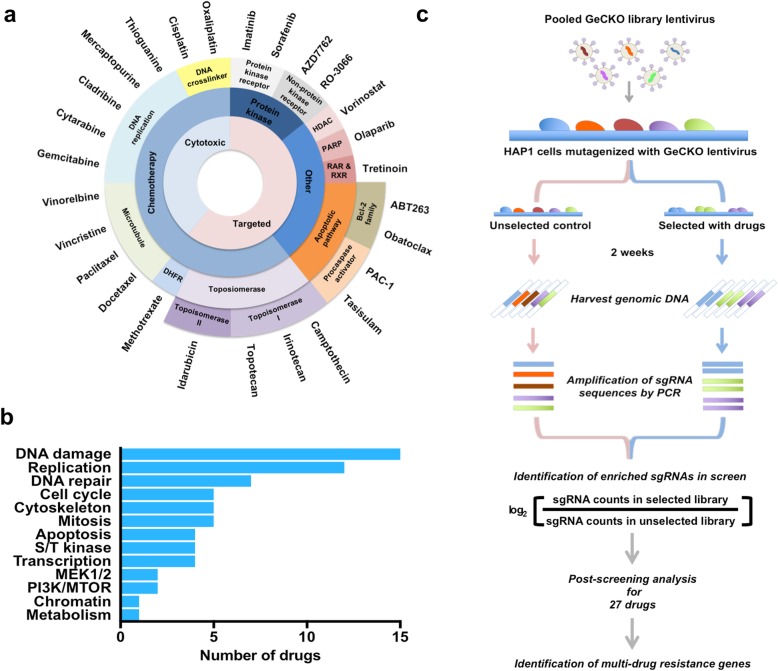
Drug resistance is a major obstacle in cancer therapy. To elucidate the genetic factors that regulate sensitivity to anti-cancer drugs, we performed CRISPR-Cas9 knockout screens for resistance to a spectrum of drugs.
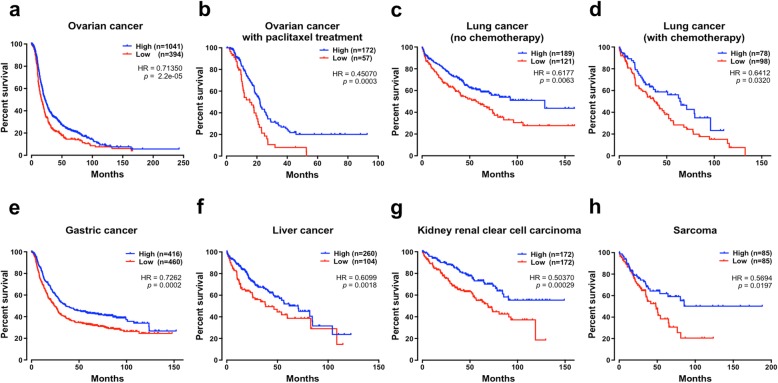
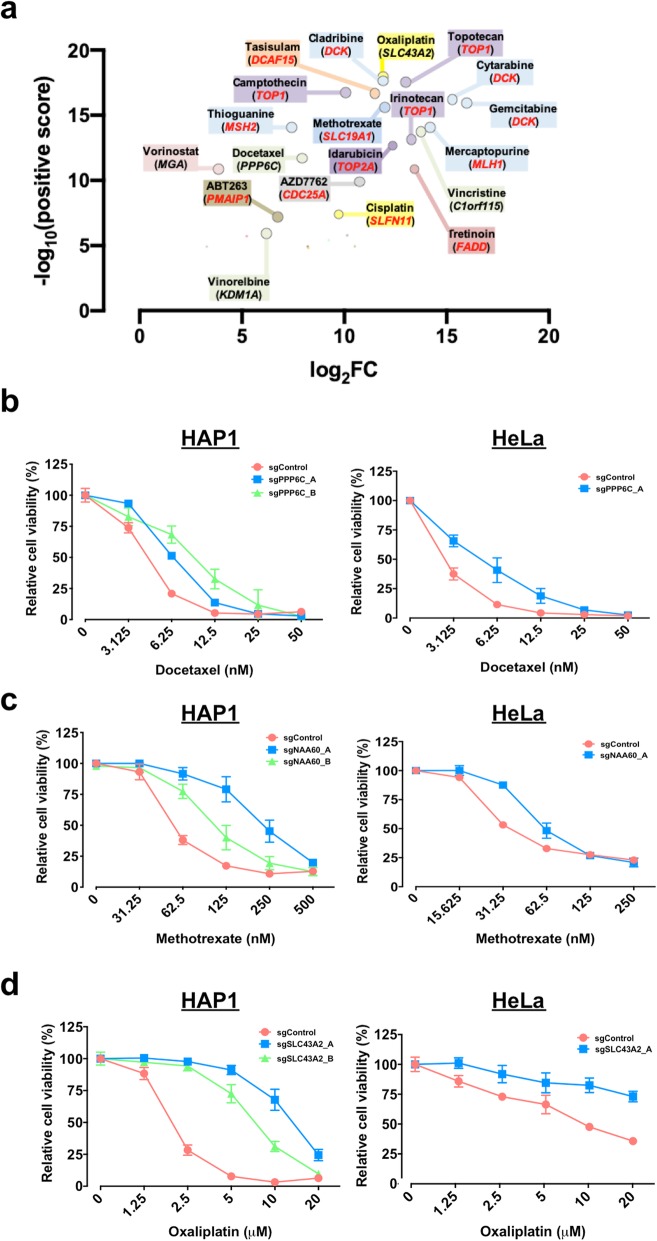
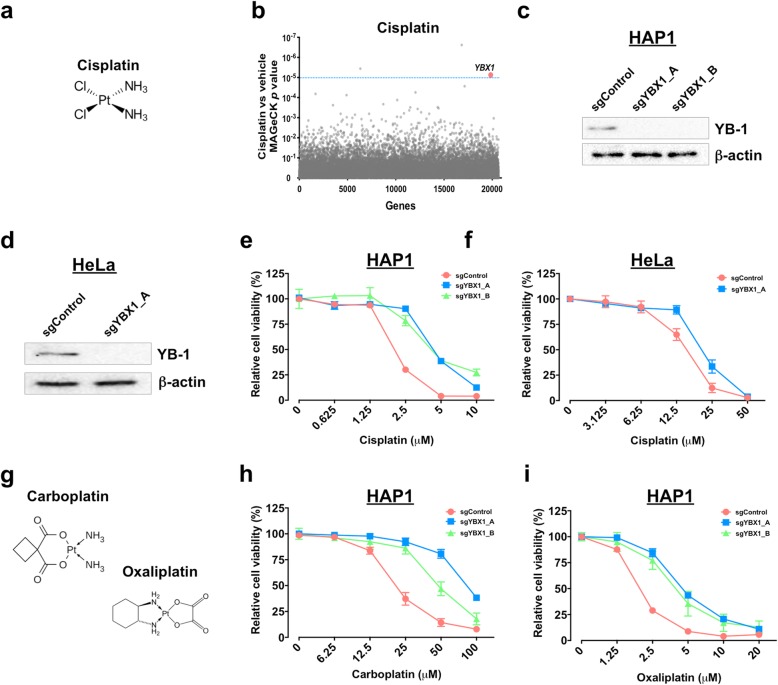
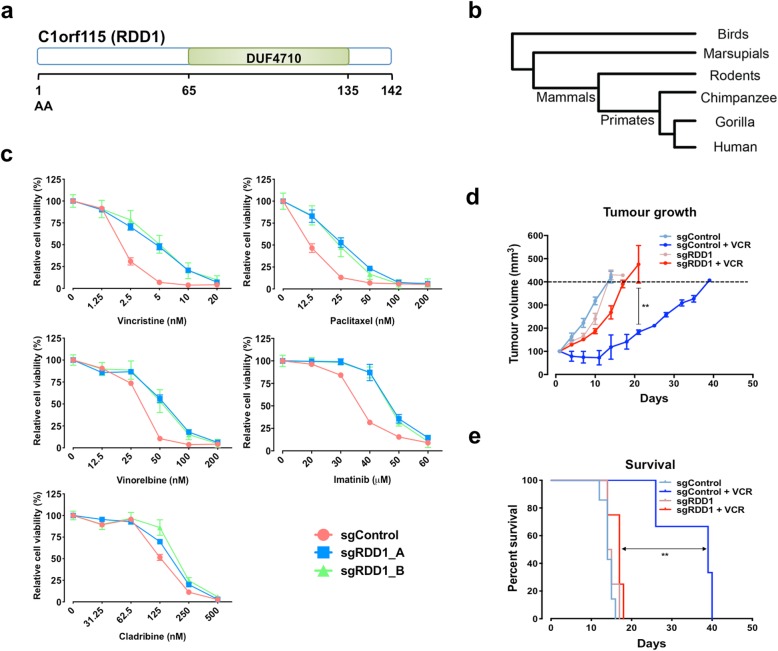
In addition to known drug targets and resistance mechanisms, this study revealed novel insights into drug mechanisms of action, including cellular transporters, drug target effectors, and genes involved in target-relevant pathways. Importantly, we identified ten multi-drug resistance genes, including an uncharacterized gene C1orf115, which we named Required for Drug-induced Death 1 (RDD1). Loss of RDD1 resulted in resistance to five anti-cancer drugs. Finally, targeting RDD1 leads to chemotherapy resistance in mice and low RDD1 expression is associated with poor prognosis in multiple cancers.
Together, we provide a functional landscape of resistance mechanisms to a broad range of chemotherapeutic drugs and highlight RDD1 as a new factor controlling multi-drug resistance. This information can guide personalized therapies or instruct rational drug combinations to minimize acquisition of resistance.
耐药性是癌症治疗中的主要障碍。为了阐明调节对抗癌药物敏感性的遗传因素,我们针对一系列药物的耐药性进行了CRISPR-Cas9基因敲除筛选。
除了已知的药物靶点和耐药机制外,本研究还揭示了药物作用机制的新见解,包括细胞转运蛋白、药物靶点效应器以及参与靶点相关途径的基因。重要的是,我们鉴定出了十个多药耐药基因,其中包括一个未表征的基因C1orf115,我们将其命名为药物诱导死亡必需基因1(RDD1)。RDD1的缺失导致对五种抗癌药物产生耐药性。最后,靶向RDD1会导致小鼠产生化疗耐药性,并且RDD1低表达与多种癌症的不良预后相关。
总之,我们提供了对多种化疗药物耐药机制的功能图谱,并强调RDD1是控制多药耐药性的新因素。这些信息可以指导个性化治疗或指导合理的药物联合使用,以尽量减少耐药性的产生。