Department of Surgery, Division of Urology, Beth Israel Deaconess Medical Center, Harvard Medical School, Boston, MA, USA.
Department of Urology, Xiangya Hospital, Xiangya Medical School, Central South University, Changsha, China.
Prostate Cancer Prostatic Dis. 2020 Sep;23(3):465-474. doi: 10.1038/s41391-020-0208-4. Epub 2020 Feb 6.
Our patient cohort revealed that obesity is strongly associated with steroid-5α reductase type 2 (SRD5A2) promoter methylation and reduced protein expression. The underlying mechanism of prostatic growth in this population is poorly understood. Here we addressed the question of how obesity, inflammation, and steroid hormones affect the development of benign prostatic hyperplasia (BPH).
We used preadipocytes, macrophages, primary human prostatic stromal cells, prostate tissues from high-fat diet-induced obese mice, and 35 prostate specimens that were collected from patients who underwent transurethral resection of the prostate (TURP). RNA was isolated and quantified with RT-PCR. Genome DNA was extracted and SRD5A2 promoter methylation was determined. Sex hormones were determined by high-performance liquid chromatography-tandem mass spectrometry. Protein was extracted and determined by ELISA test.
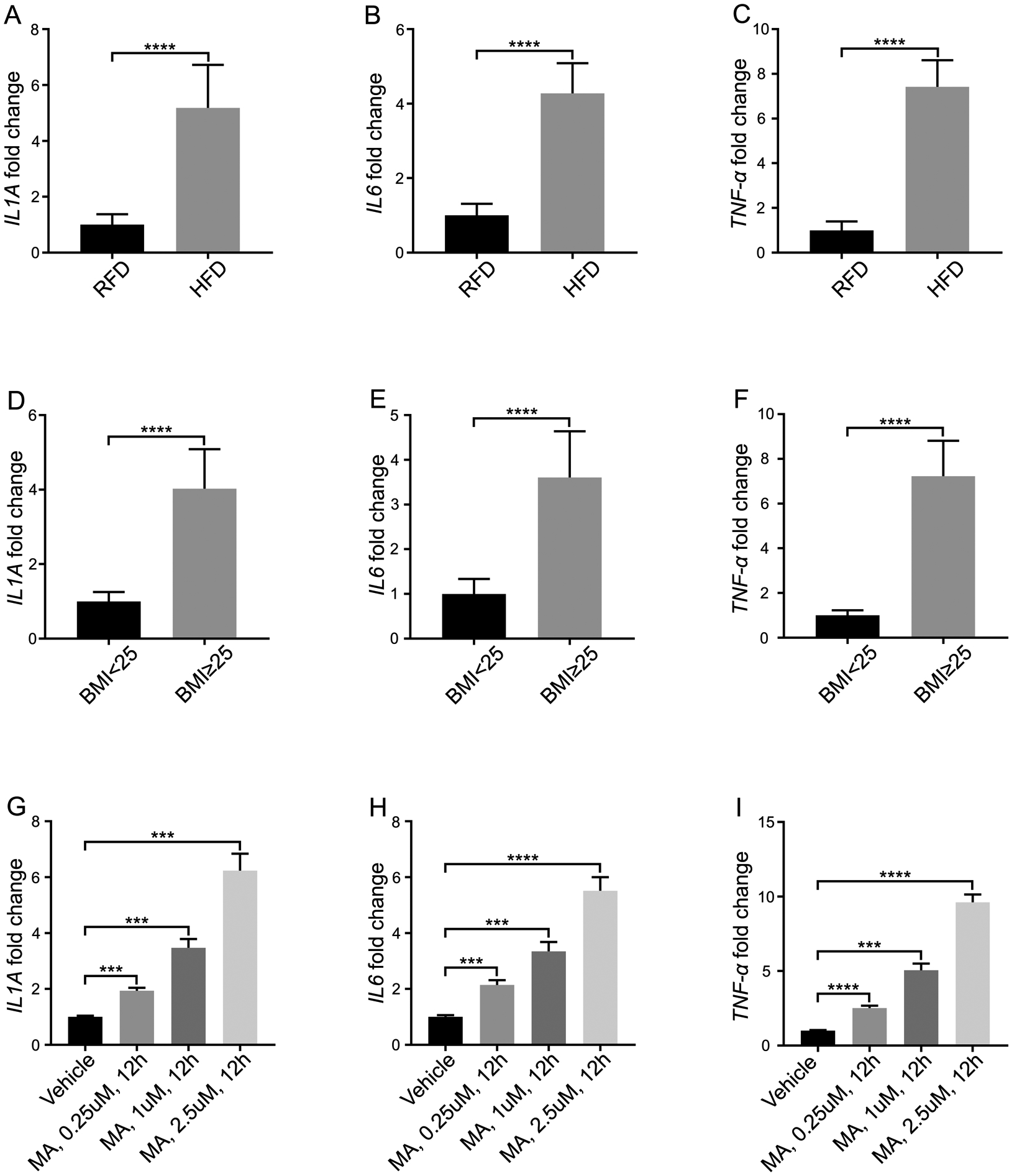
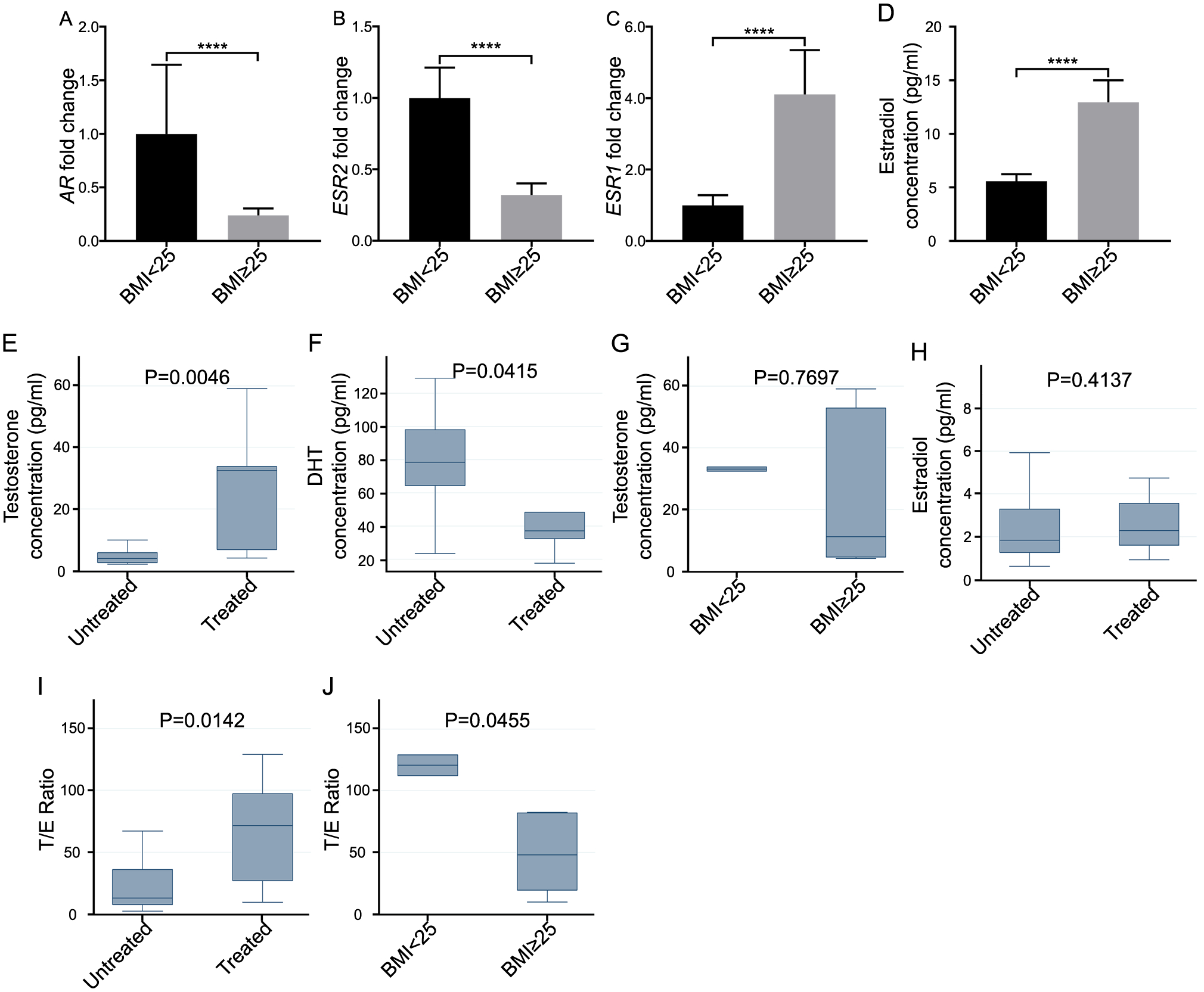
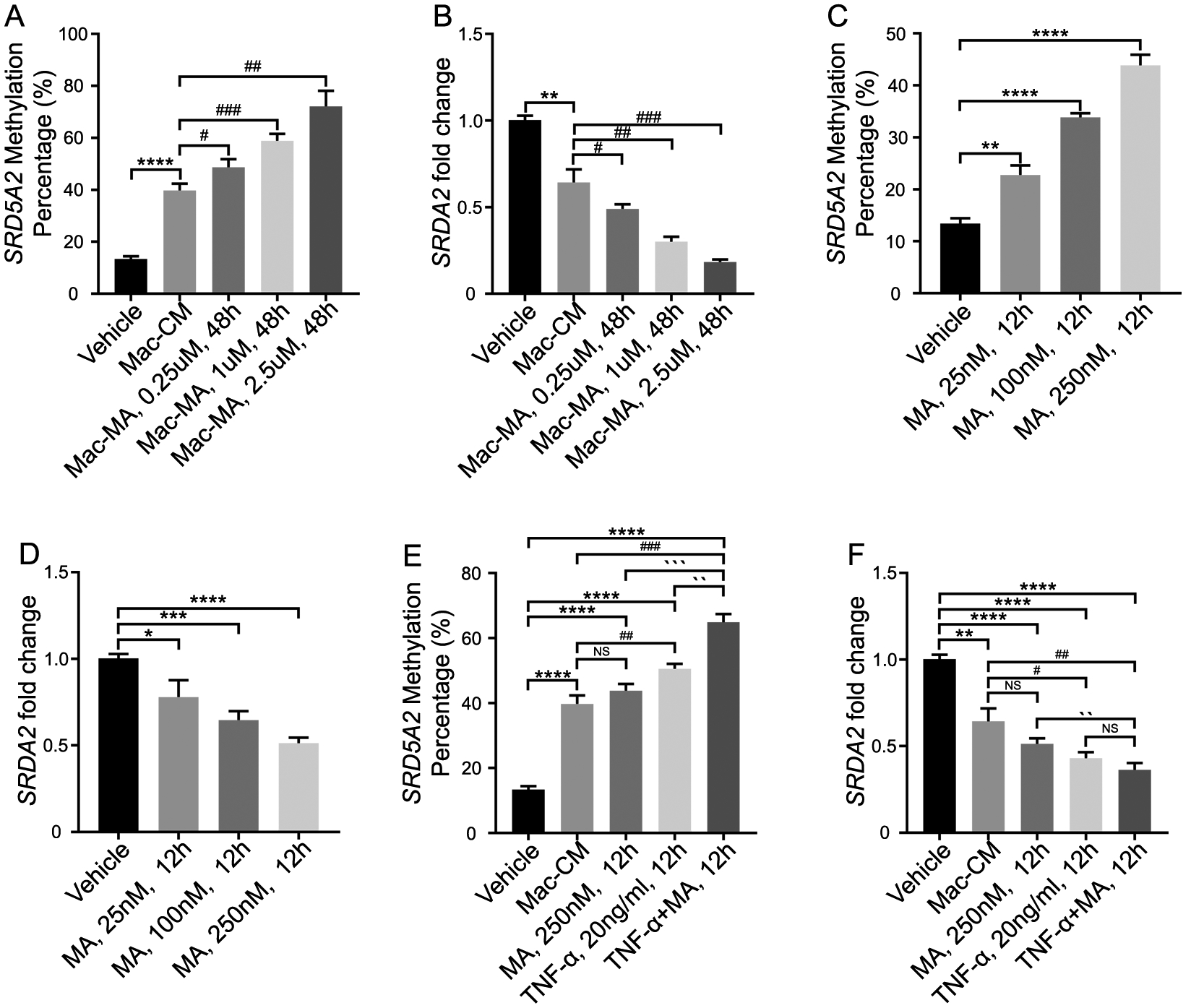
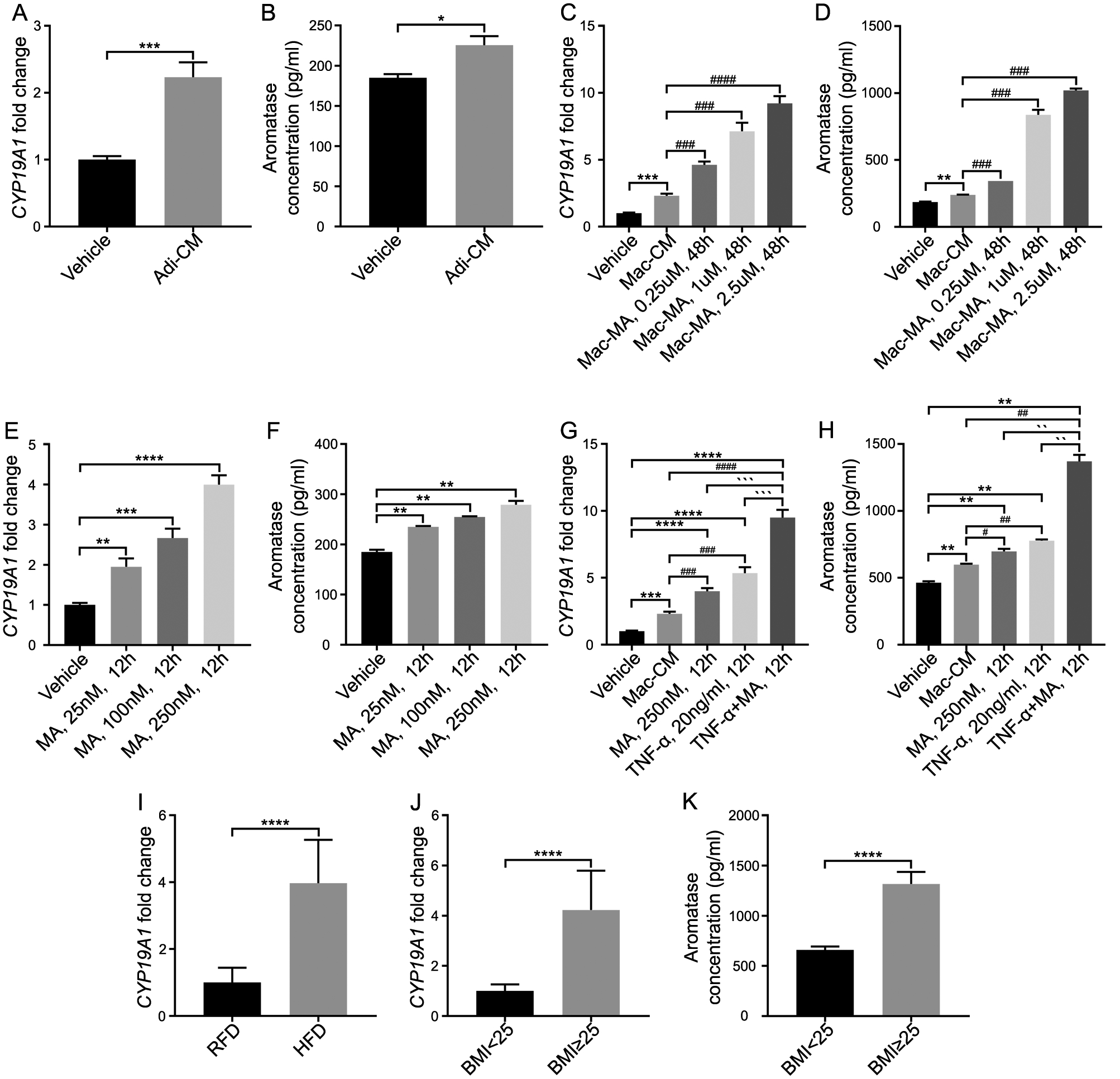
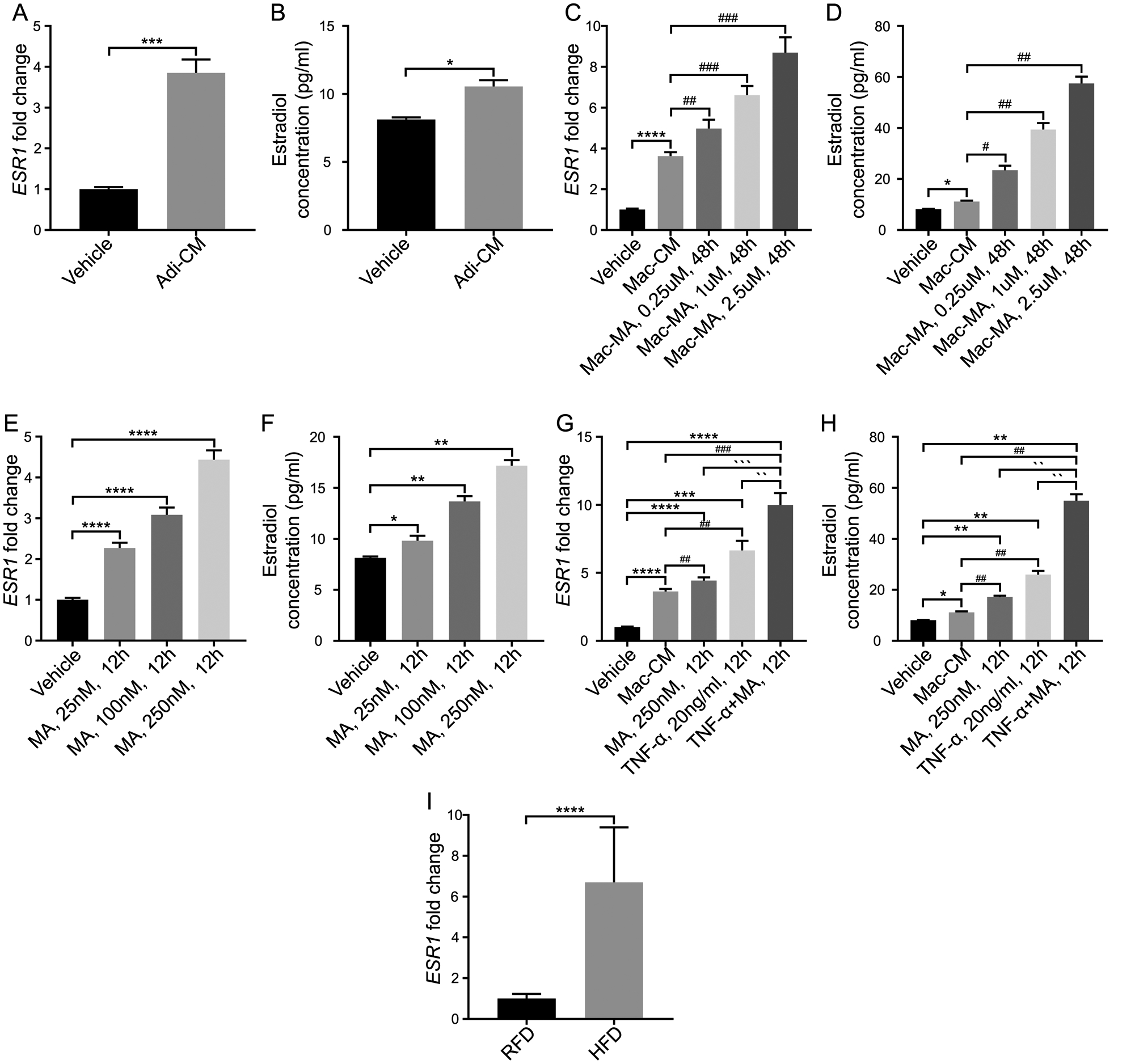
In prostatic tissues with obesity, the levels of inflammatory mediators were elevated. SRD5A2 promoter methylation was promoted, but SRD5A2 expression was inhibited. Inflammatory mediators and saturated fatty acid synergistically regulated aromatase activity. Obesity promoted an androgenic to estrogenic switch in the prostate.
Our findings suggest that obesity-associated inflammation induces androgenic to estrogenic switch in the prostate gland, which may serve as an effective strategy for alternative therapies for management of lower urinary tract symptoms associated with BPH in select individuals.
我们的患者队列研究表明,肥胖与类固醇 5α 还原酶 2 型(SRD5A2)启动子甲基化和蛋白表达减少密切相关。该人群前列腺生长的潜在机制尚不清楚。在此,我们探讨了肥胖、炎症和类固醇激素如何影响良性前列腺增生(BPH)的发展。
我们使用前体脂肪细胞、巨噬细胞、原代人前列腺基质细胞、高脂肪饮食诱导肥胖小鼠的前列腺组织以及 35 例接受经尿道前列腺切除术(TURP)的患者的前列腺标本。使用 RT-PCR 分离和定量 RNA。提取基因组 DNA 并确定 SRD5A2 启动子甲基化。使用高效液相色谱-串联质谱法测定性激素。提取蛋白并通过 ELISA 试验测定。
在肥胖相关的前列腺组织中,炎症介质水平升高。SRD5A2 启动子甲基化被促进,但 SRD5A2 表达受到抑制。炎症介质和饱和脂肪酸协同调节芳香酶活性。肥胖导致前列腺中的雄激素向雌激素转化。
我们的研究结果表明,肥胖相关的炎症会导致前列腺中的雄激素向雌激素转化,这可能为特定人群中 BPH 相关下尿路症状的治疗提供一种有效的替代疗法。