Centre of Excellence for Women's Health, Vancouver, BC V6H 3N1, Canada.
School of Population and Public Health, University of British Columbia, Vancouver, BC V6T 1Z4, Canada.
Int J Environ Res Public Health. 2020 Feb 4;17(3):947. doi: 10.3390/ijerph17030947.
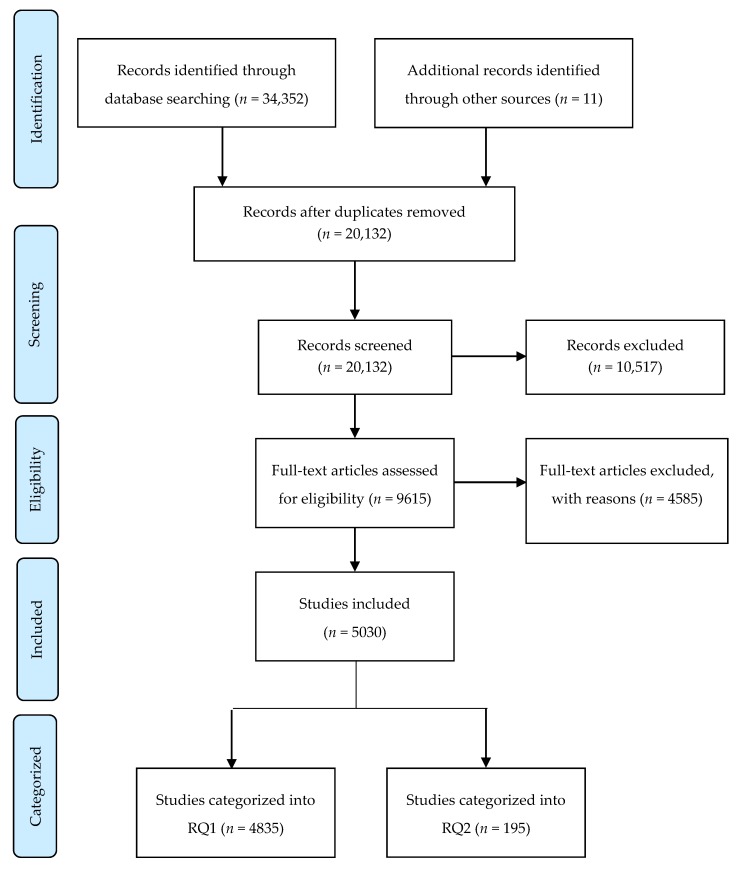
Currently, boys and men use cannabis at higher rates than girls and women, but the gender gap is narrowing. With the legalization of recreational cannabis use in Canada and in multiple US states, these trends call for urgent attention to the need to consider how gender norms, roles and relations influence patterns of cannabis use to inform health promotion and prevention responses. Based on a scoping review on sex, gender and cannabis use, this article consolidates existing evidence from the academic literature on how gender norms, roles and relations impact cannabis-use patterns. Evidence is reviewed on: adherence to dominant masculine and feminine norms and cannabis-use patterns among adolescents and young adults, and how prevailing norms can be both reinstated or reimagined through cannabis use; gendered social dynamics in cannabis-use settings; and the impact of gender roles and relations on cannabis use among young adults of diverse sexual orientations and gender identities. Findings from the review are compared and contrasted with evidence on gender norms, roles and relations in the context of alcohol and tobacco use. Recommendations for integrating gender transformative principles in health promotion and prevention responses to cannabis use are provided.
目前,男孩和男人使用大麻的比例高于女孩和女人,但性别差距正在缩小。随着加拿大和多个美国州娱乐用大麻合法化,这些趋势迫切需要关注性别规范、角色和关系如何影响大麻使用模式,以提供健康促进和预防措施。本文基于对性、性别和大麻使用的范围审查,综合了学术文献中关于性别规范、角色和关系如何影响大麻使用模式的现有证据。证据审查包括:青少年和年轻人中遵守主导的男性和女性规范和大麻使用模式,以及流行规范如何通过大麻使用得到恢复或重新构想;大麻使用环境中的性别社会动态;以及性别角色和关系对不同性取向和性别认同的年轻人使用大麻的影响。审查结果与酒精和烟草使用背景下性别规范、角色和关系的证据进行了比较和对比。提供了将性别转换原则纳入大麻使用健康促进和预防措施的建议。