Department of Obstetrics and Gynecology, Feinberg School of Medicine, Northwestern University, Chicago, IL 60611, USA.
Department of Pharmacology, Toxicology and Therapeutics, University of Kansas Medical Center, Kansas City, KS 66160, USA.
Int J Mol Sci. 2020 Feb 4;21(3):1036. doi: 10.3390/ijms21031036.
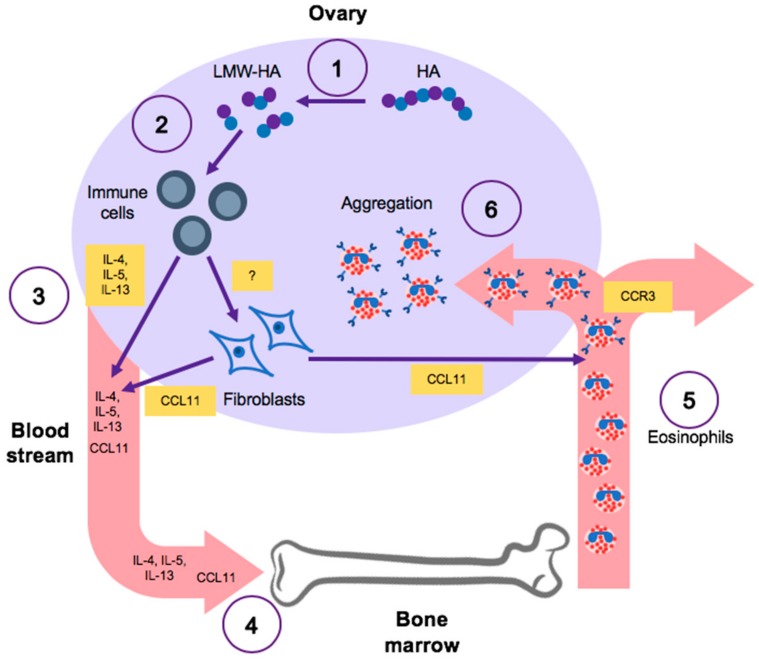
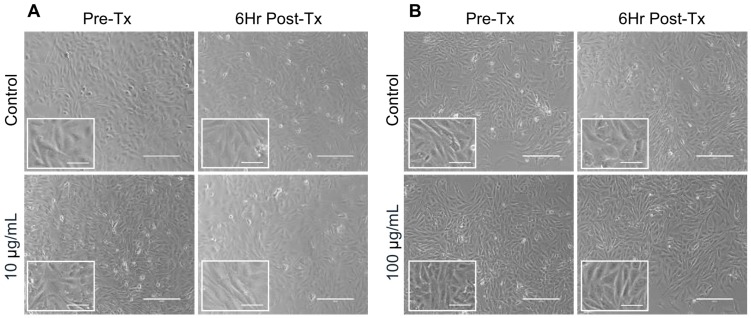
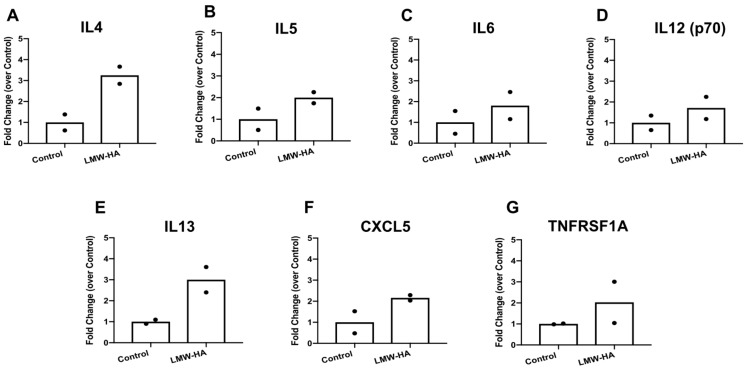
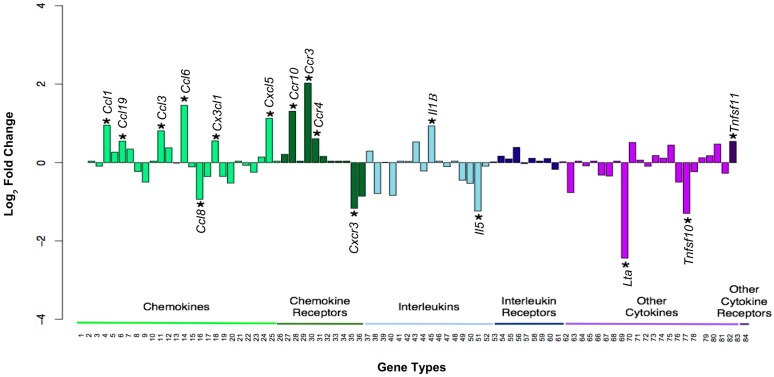
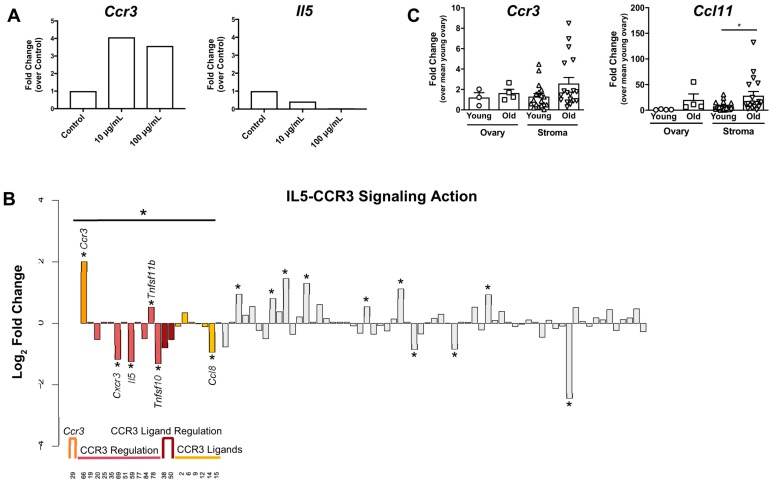
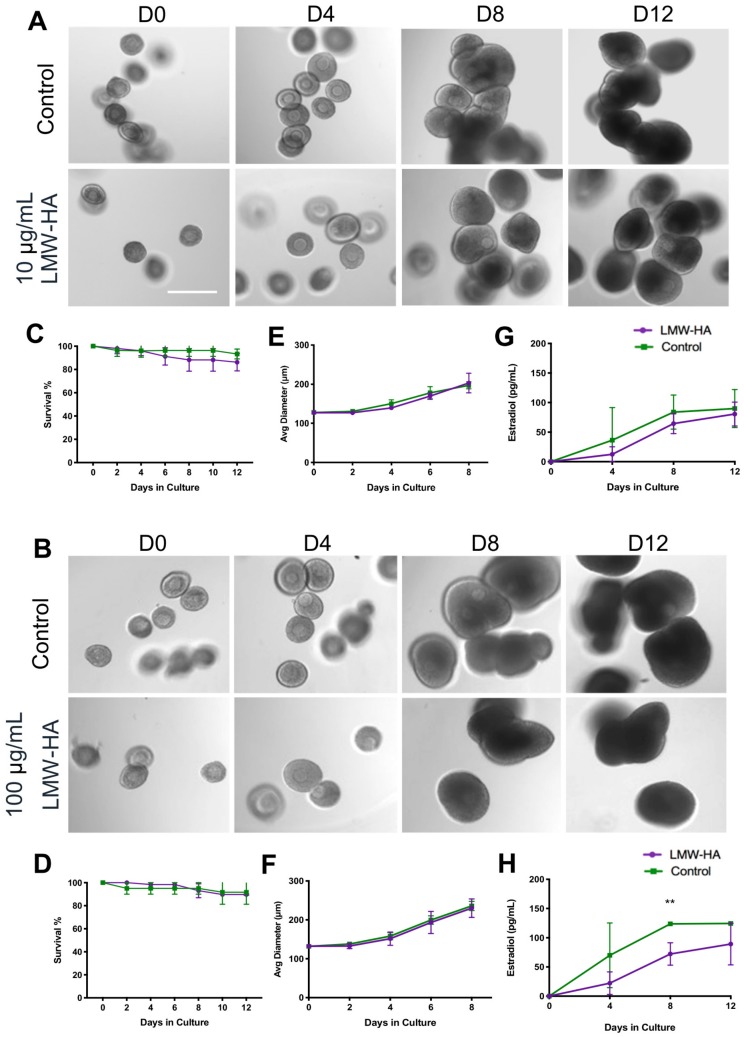
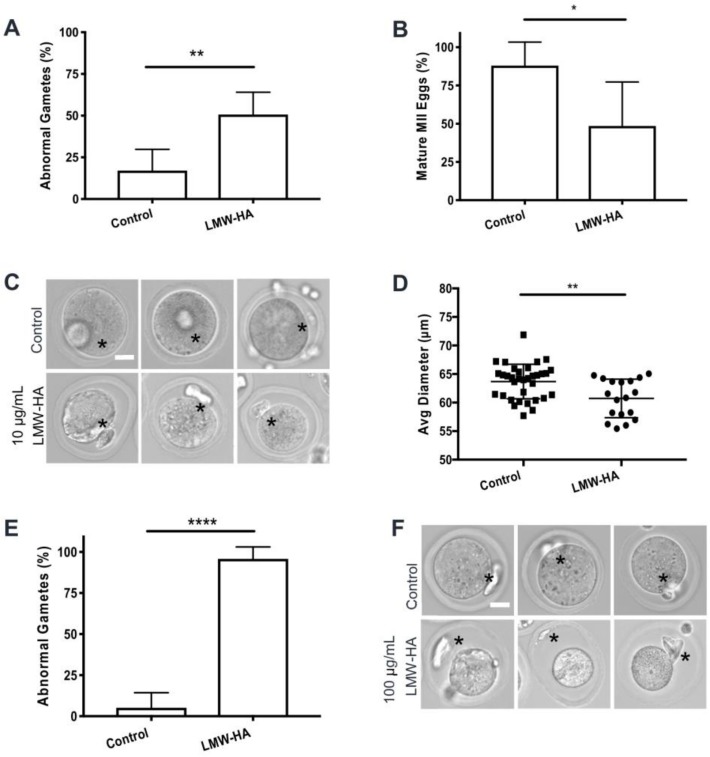
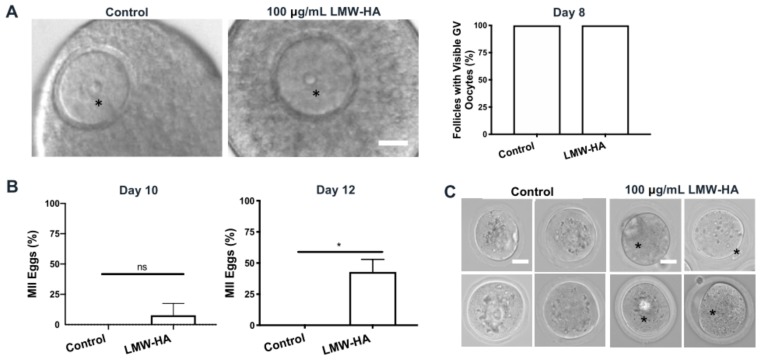
The ovarian stroma, the microenvironment in which female gametes grow and mature, becomes inflamed and fibrotic with age. Hyaluronan is a major component of the ovarian extracellular matrix (ECM), and in other aging tissues, accumulation of low molecular weight (LMW) hyaluronan fragments can drive inflammation. Thus, we hypothesized that LMW hyaluronan fragments contribute to female reproductive aging by stimulating an inflammatory response in the ovarian stroma and impairing gamete quality. To test this hypothesis, isolated mouse ovarian stromal cells or secondary stage ovarian follicles were treated with physiologically relevant (10 or 100 μg/mL) concentrations of 200 kDa LMW hyaluronan. In ovarian stromal cells, acute LMW hyaluronan exposure, at both doses, resulted in the secretion of a predominantly type 2 (Th2) inflammatory cytokine profile as revealed by a cytokine antibody array of conditioned media. Additional qPCR analyses of ovarian stromal cells demonstrated a notable up-regulation of the eotaxin receptor Ccr3 and activation of genes involved in eosinophil recruitment through the IL5-CCR3 signaling pathway. These findings were consistent with an age-dependent increase in ovarian stromal expression of Ccl11, a major CCR3 ligand. When ovarian follicles were cultured in 10 or 100 μg/mL LMW hyaluronan for 12 days, gametes with compromised morphology and impaired meiotic competence were produced. In the 100 μg/mL condition, LMW hyaluronan induced premature meiotic resumption, ultimately leading to in vitro aging of the resulting eggs. Further, follicles cultured in this LMW hyaluronan concentration produced significantly less estradiol, suggesting compromised granulosa cell function. Taken together, these data demonstrate that bioactive LMW hyaluronan fragments may contribute to reproductive aging by driving an inflammatory stromal milieu, potentially through eosinophils, and by directly compromising gamete quality through impaired granulosa cell function.
卵巢基质是女性配子生长和成熟的微环境,随着年龄的增长会发生炎症和纤维化。透明质酸是卵巢细胞外基质 (ECM) 的主要成分,在其他衰老组织中,低分子量 (LMW) 透明质酸片段的积累会引发炎症反应。因此,我们假设 LMW 透明质酸片段通过刺激卵巢基质的炎症反应并损害配子质量,从而导致女性生殖衰老。为了验证这一假设,我们用生理相关浓度(10 或 100μg/ml)的 200kDaLMW 透明质酸处理分离的小鼠卵巢基质细胞或次级阶段的卵巢卵泡。在卵巢基质细胞中,两种剂量的急性 LMW 透明质酸暴露会导致条件培养基的细胞因子抗体阵列显示出主要的 2 型(Th2)炎症细胞因子谱的分泌。对卵巢基质细胞的额外 qPCR 分析表明,Eotaxin 受体 Ccr3 的表达显著上调,并且通过 IL5-CCR3 信号通路激活了与嗜酸性粒细胞募集相关的基因。这些发现与卵巢基质中 Ccl11 的表达随年龄增长而增加一致,Ccl11 是 CCR3 的主要配体。当将卵巢卵泡在 10 或 100μg/mlLMW 透明质酸中培养 12 天时,会产生形态受损和减数分裂能力受损的配子。在 100μg/ml 的条件下,LMW 透明质酸诱导过早的减数分裂恢复,最终导致体外卵子老化。此外,在这种 LMW 透明质酸浓度下培养的卵泡产生的雌二醇明显减少,表明颗粒细胞功能受损。综上所述,这些数据表明,生物活性 LMW 透明质酸片段可能通过诱导炎症性基质微环境(可能通过嗜酸性粒细胞),以及通过损害颗粒细胞功能直接损害配子质量,从而导致生殖衰老。