Department of Cell Biology, Municipal Laboratory for Liver Protection and Regulation of Regeneration, Capital Medical University, Beijing 100069, China.
Cells. 2020 Feb 5;9(2):373. doi: 10.3390/cells9020373.
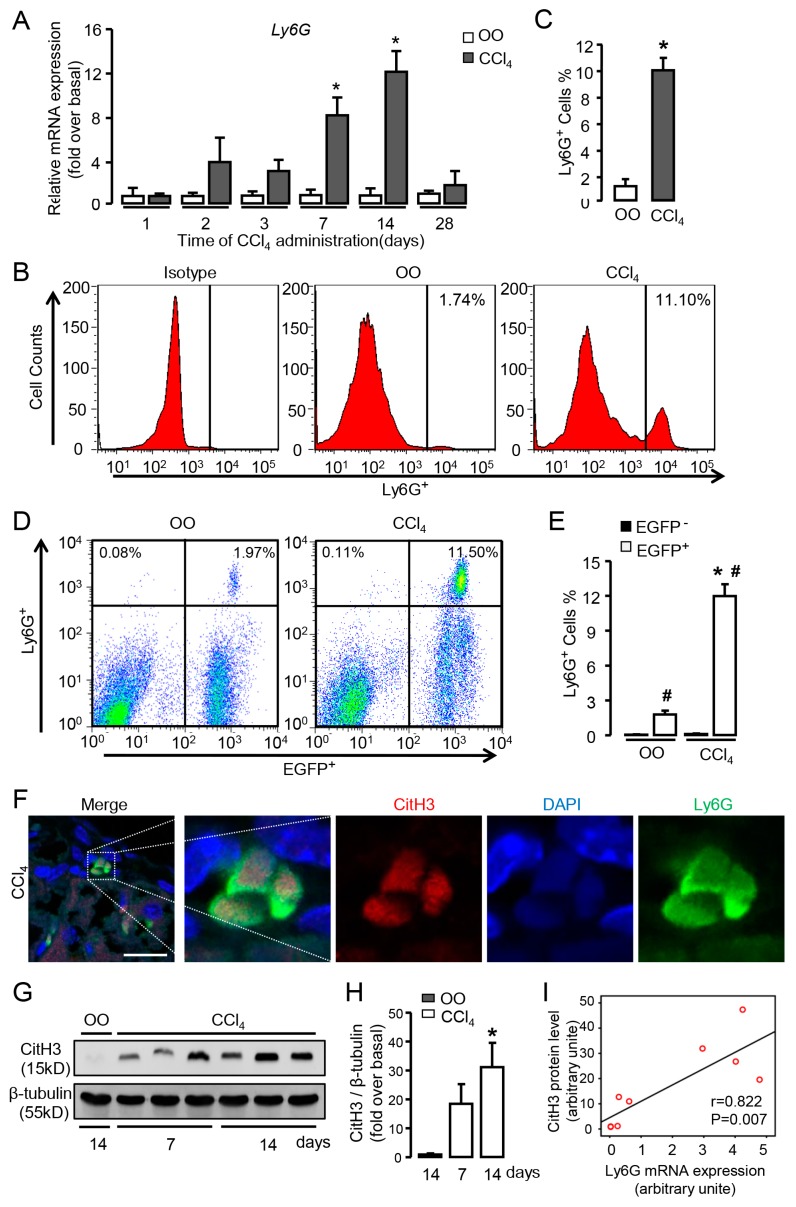
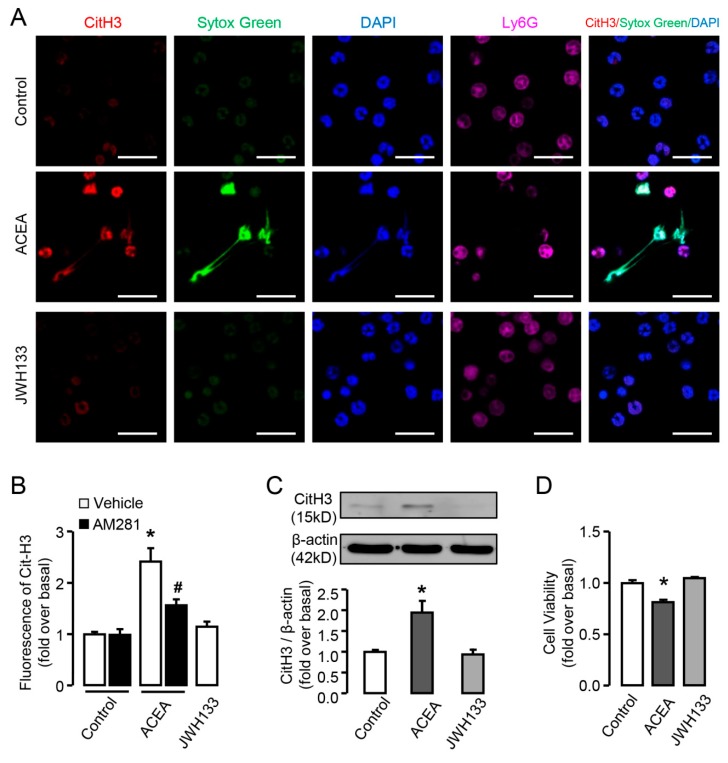
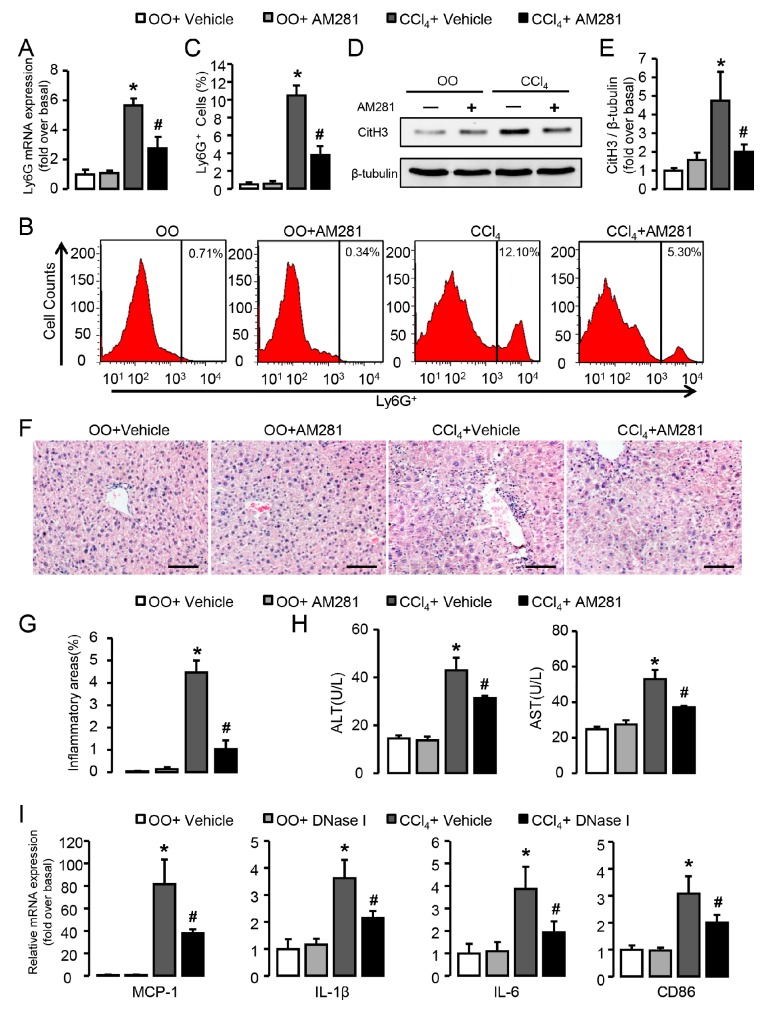
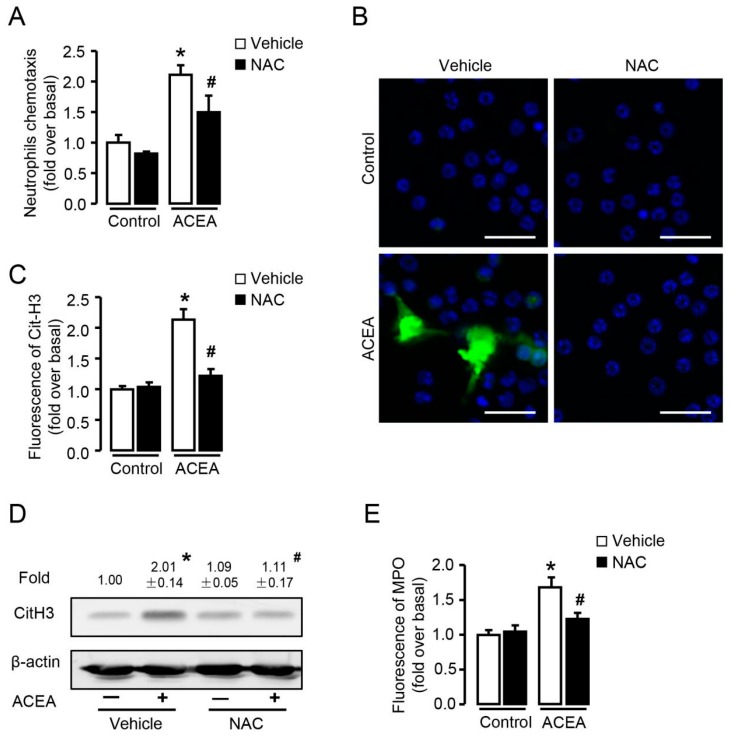
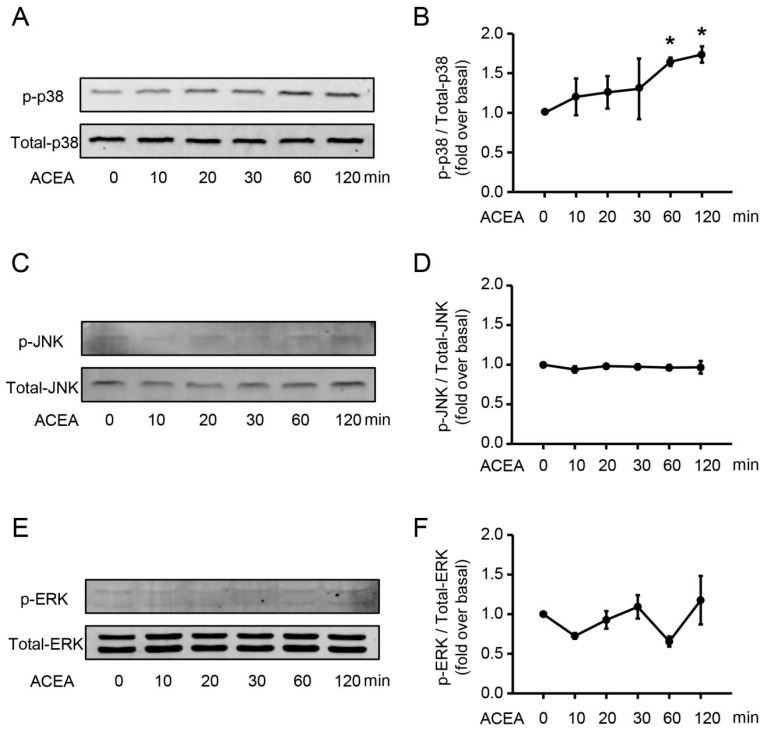
Neutrophils play an essential role in the control of inflammatory diseases. However, whether cannabinoid receptors (CBs) play a role in neutrophil chemotaxis and NETosis in sterile liver inflammation remains unknown. The expression of marker genes on neutrophils was characterized by FACS, immunofluorescence, qRT-PCR, and Western blot. The amount of neutrophils was significantly elevated from 7 days and reached the peak at 2 weeks in carbon tetrachloride (CCl)-treated mouse liver. The mRNA expression of neutrophil marker Ly6G had positive correlation with CB1 and CB2 expression in injured liver. In vitro CBs were abundantly expressed in isolated neutrophils and CB1 agonist ACEA promoted the chemotaxis and cytoskeletal remodeling, which can be suppressed by CB1 antagonist AM281. Moreover, ACEA induced NETosis, myeloperoxidase release from lysosome and ROS burst, indicating neutrophil activation, via Gα. Conversely, CB2 agonist JWH133 had no effect on neutrophil function. ROS and p38 MAPK signaling pathways were involved in CB1-mediated neutrophil function, and ROS was upstream of p38 MAPK. CB1 blockade in vivo significantly attenuated neutrophil infiltration and liver inflammation in CCl-treated mice. Taken together, CB1 mediates neutrophil chemotaxis and NETosis via Gα/ROS/p38 MAPK signaling pathway in liver inflammation, which represents an effective therapeutic strategy for liver diseases.
中性粒细胞在控制炎症性疾病方面发挥着重要作用。然而,大麻素受体(CBs)是否在非感染性肝炎症中的中性粒细胞趋化和 NETosis 中发挥作用尚不清楚。通过 FACS、免疫荧光、qRT-PCR 和 Western blot 对中性粒细胞的标记基因表达进行了特征描述。四氯化碳(CCl)处理的小鼠肝中,中性粒细胞的数量从第 7 天开始显著升高,在第 2 周达到高峰。损伤肝中中性粒细胞标记物 Ly6G 的 mRNA 表达与 CB1 和 CB2 的表达呈正相关。体外,CBs 在分离的中性粒细胞中大量表达,CB1 激动剂 ACEA 促进趋化作用和细胞骨架重塑,而 CB1 拮抗剂 AM281 可抑制其作用。此外,ACEA 通过 Gα 诱导 NETosis、溶酶体中髓过氧化物酶的释放和 ROS 爆发,表明中性粒细胞的激活。相反,CB2 激动剂 JWH133 对中性粒细胞功能没有影响。ROS 和 p38 MAPK 信号通路参与了 CB1 介导的中性粒细胞功能,而 ROS 是 p38 MAPK 的上游。体内 CB1 阻断可显著减轻 CCl 处理小鼠的中性粒细胞浸润和肝炎症。总之,CB1 通过 Gα/ROS/p38 MAPK 信号通路介导肝炎症中的中性粒细胞趋化和 NETosis,这为肝脏疾病提供了一种有效的治疗策略。