Department of Experimental Radiation Oncology, Division of Radiation Oncology, The University of Texas MD Anderson Cancer Center, Houston, TX, 77030, USA.
Graduate School of Biomedical Sciences, The University of Texas MD Anderson Cancer Center, Houston, TX, 77030, USA.
Exp Mol Med. 2020 Feb;52(2):183-191. doi: 10.1038/s12276-020-0380-6. Epub 2020 Feb 10.
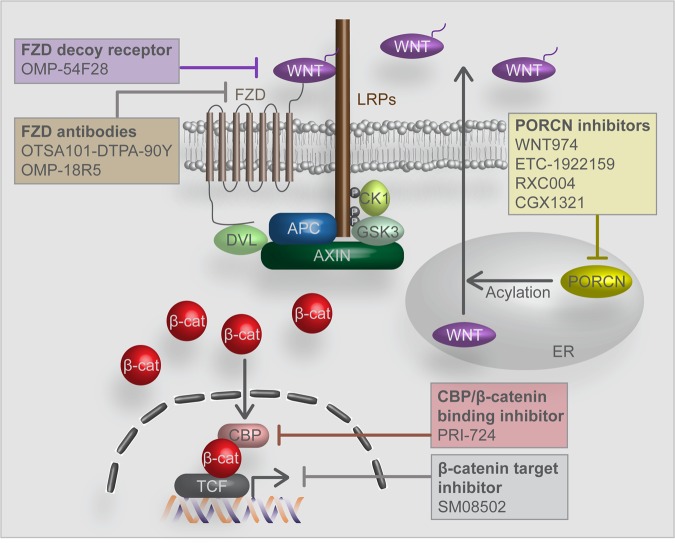
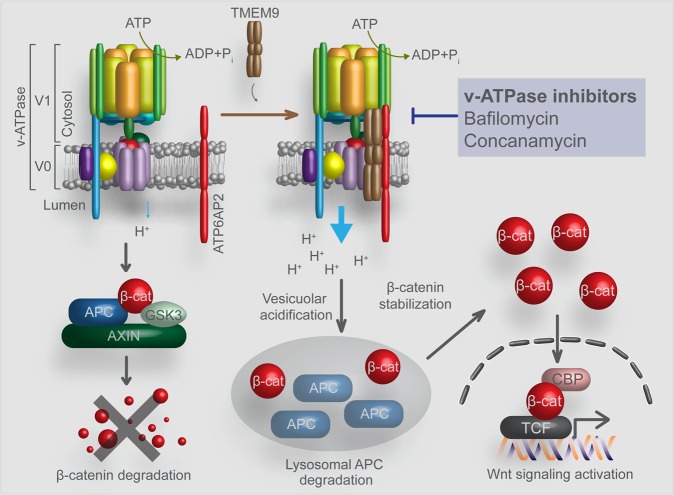
Wnt/β-catenin signaling is implicated in many physiological processes, including development, tissue homeostasis, and tissue regeneration. In human cancers, Wnt/β-catenin signaling is highly activated, which has led to the development of various Wnt signaling inhibitors for cancer therapies. Nonetheless, the blockade of Wnt signaling causes side effects such as impairment of tissue homeostasis and regeneration. Recently, several studies have identified cancer-specific Wnt signaling regulators. In this review, we discuss the Wnt inhibitors currently being used in clinical trials and suggest how additional cancer-specific regulators could be utilized to treat Wnt signaling-associated cancer.
Wnt/β-catenin 信号通路参与许多生理过程,包括发育、组织稳态和组织再生。在人类癌症中,Wnt/β-catenin 信号通路高度激活,这导致了各种 Wnt 信号抑制剂的开发,用于癌症治疗。然而,Wnt 信号的阻断会导致组织稳态和再生受损等副作用。最近,有几项研究已经确定了癌症特异性的 Wnt 信号调节因子。在这篇综述中,我们讨论了目前正在临床试验中使用的 Wnt 抑制剂,并提出了如何利用其他癌症特异性调节剂来治疗与 Wnt 信号相关的癌症。