Masschelin Peter M, Cox Aaron R, Chernis Natasha, Hartig Sean M
Division of Endocrinology, Diabetes, and Metabolism, Department of Medicine, Baylor College of Medicine, Houston, TX, United States.
Department of Molecular and Cellular Biology, Baylor College of Medicine, Houston, TX, United States.
Front Physiol. 2020 Jan 22;10:1638. doi: 10.3389/fphys.2019.01638. eCollection 2019.
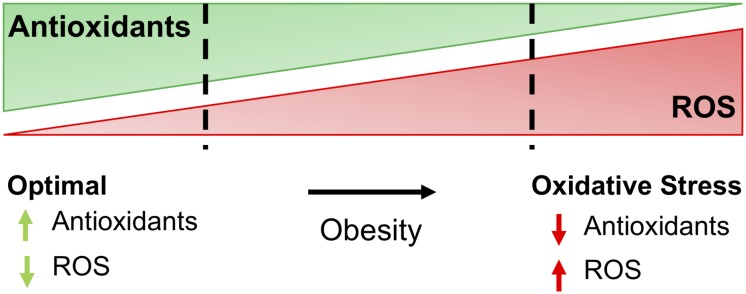
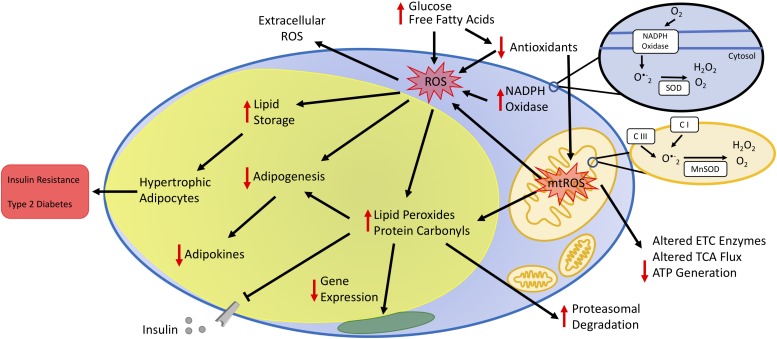
Overnutrition and sedentary activity reinforce the growing trend of worldwide obesity, insulin resistance, and type 2 diabetes. However, we have limited insight into how food intake generates sophisticated metabolic perturbations associated with obesity. Accumulation of mitochondrial oxidative stress contributes to the metabolic changes in obesity, but the mechanisms and significance are unclear. In white adipose tissue (WAT), mitochondrial oxidative stress, and the generation of reactive oxygen species (ROS) impact the endocrine and metabolic function of fat cells. The central role of mitochondria in nutrient handling suggests pharmacological targeting of pathological oxidative stress likely improves the metabolic profile of obesity. This review will summarize the critical pathogenic mechanisms of obesity-driven oxidative stress in WAT.
营养过剩和久坐不动加剧了全球肥胖、胰岛素抵抗和2型糖尿病的增长趋势。然而,我们对食物摄入如何引发与肥胖相关的复杂代谢紊乱了解有限。线粒体氧化应激的积累促成了肥胖中的代谢变化,但其机制和意义尚不清楚。在白色脂肪组织(WAT)中,线粒体氧化应激和活性氧(ROS)的产生会影响脂肪细胞的内分泌和代谢功能。线粒体在营养处理中的核心作用表明,针对病理性氧化应激进行药物靶向治疗可能会改善肥胖的代谢状况。本综述将总结WAT中肥胖驱动的氧化应激的关键致病机制。