Abhari S, Safdari R, Azadbakht L, Lankarani K B, Niakan Kalhori Sh R, Honarvar B, Abhari Kh, Ayyoubzadeh S M, Karbasi Z, Zakerabasali S, Jalilpiran Y
PhD Candidate, Health Information Management Department, School of Allied Medical Sciences, Tehran University of Medical Sciences, Tehran, Iran.
PhD, Professor, Health Information Management Department, School of Allied Medical Sciences, Tehran University of Medical Sciences, Tehran, Iran.
J Biomed Phys Eng. 2019 Dec 1;9(6):591-602. doi: 10.31661/jbpe.v0i0.1248. eCollection 2019 Dec.
Nutrition informatics has become a novel approach for registered dietitians to practice in this field and make a profit for health care. Recommendation systems considered as an effective technology into aid users to adjust their eating behavior and achieve the goal of healthier food and diet. The purpose of this study is to review nutrition recommendation systems (NRS) and their characteristics for the first time.
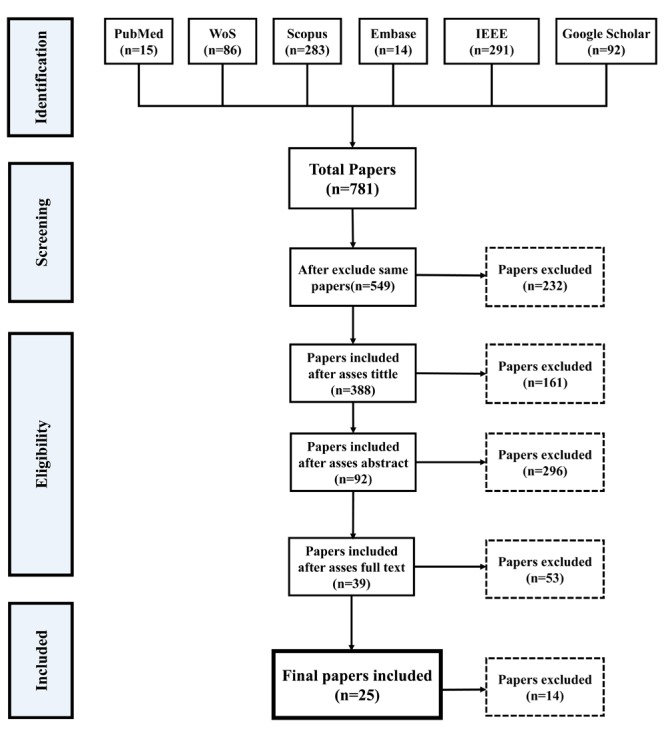
The systematic review was conducted using a comprehensive selection of scientific databases as reference sources, allowing access to diverse publications in the field. The process of articles selection was based on the PRISMA strategy. We identified keywords from our initial research, MeSH database and expert's opinion. Databases of PubMed, Web of Sciences, Scopus, Embase, and IEEE were searched. After evaluating, they obtained records from databases by two independent reviewers and inclusion and exclusion criteria were applied to each retrieved work to select those of interest. Finally, 25 studies were included.
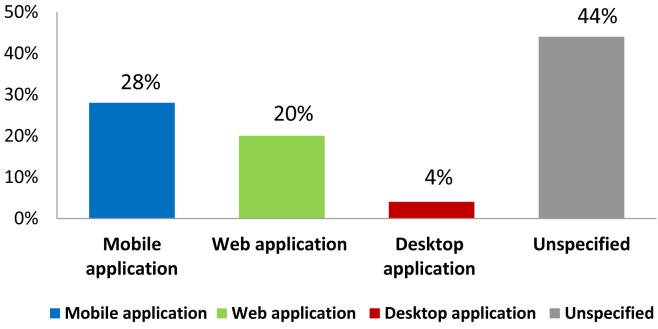
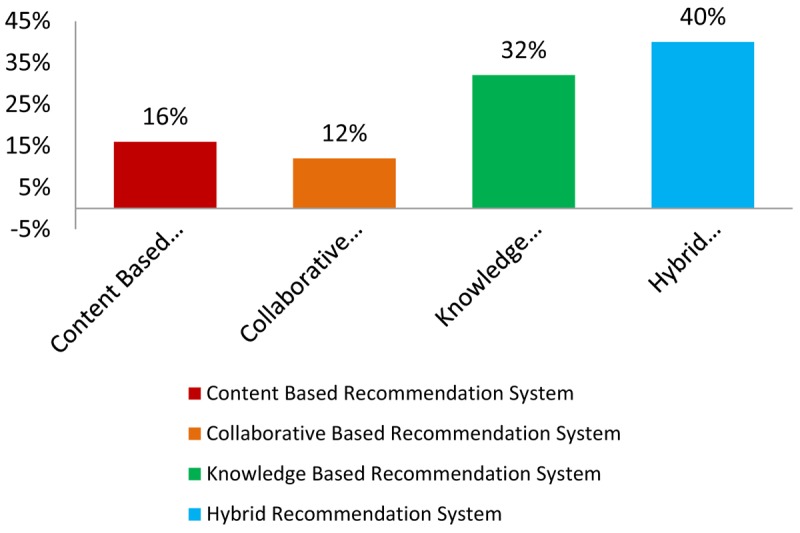
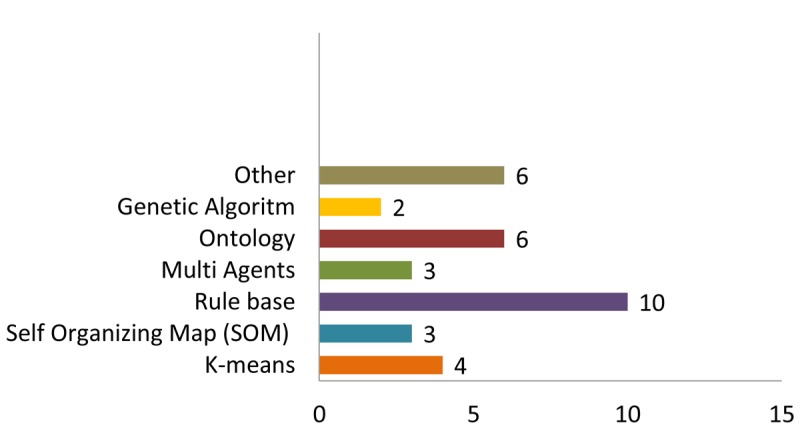
Hybrid recommender systems and knowledge-based recommender systems with 40% and 32%, respectively, were the mostly recommender types used in NRS. In NRS, rule-based and ontology techniques were used frequently. The frequented platform that applied in NRS was a mobile application with 28%.
If NRS was properly designed, implemented and finally evaluated, it could be used as an effective tool to improve nutrition and promote a healthy lifestyle. This study can help to inform specialists in the nutrition informatics domain, which was necessary to design and develop NRS.
营养信息学已成为注册营养师在该领域开展业务并为医疗保健创造收益的一种新方法。推荐系统被视为一种有效的技术,可帮助用户调整饮食行为,实现更健康的食物和饮食目标。本研究的目的是首次综述营养推荐系统(NRS)及其特点。
本系统综述使用全面筛选的科学数据库作为参考来源,以便获取该领域的各种出版物。文章选择过程基于PRISMA策略。我们从初步研究、医学主题词数据库和专家意见中确定关键词。检索了PubMed、科学网、Scopus、Embase和IEEE数据库。评估后,由两名独立评审员从数据库中获取记录,并对每项检索到的研究应用纳入和排除标准,以选择感兴趣的研究。最后,纳入了25项研究。
混合推荐系统和基于知识的推荐系统分别占NRS中使用的推荐类型的40%和32%,是最常用的推荐类型。在NRS中,经常使用基于规则的技术和本体技术。NRS中应用最频繁的平台是移动应用程序,占28%。
如果NRS得到妥善设计、实施并最终评估,它可以作为改善营养和促进健康生活方式的有效工具。本研究有助于为营养信息学领域的专家提供信息,这对于设计和开发NRS是必要的。