Department of Pathology, University of Iowa, College of Medicine, Iowa City, IA, 52242-1109, USA.
Free Radical and Radiation Biology Program, University of Iowa, College of Medicine, Iowa City, IA, 52242-1109, USA.
Oncogene. 2020 Apr;39(14):2877-2889. doi: 10.1038/s41388-020-1203-x. Epub 2020 Feb 10.
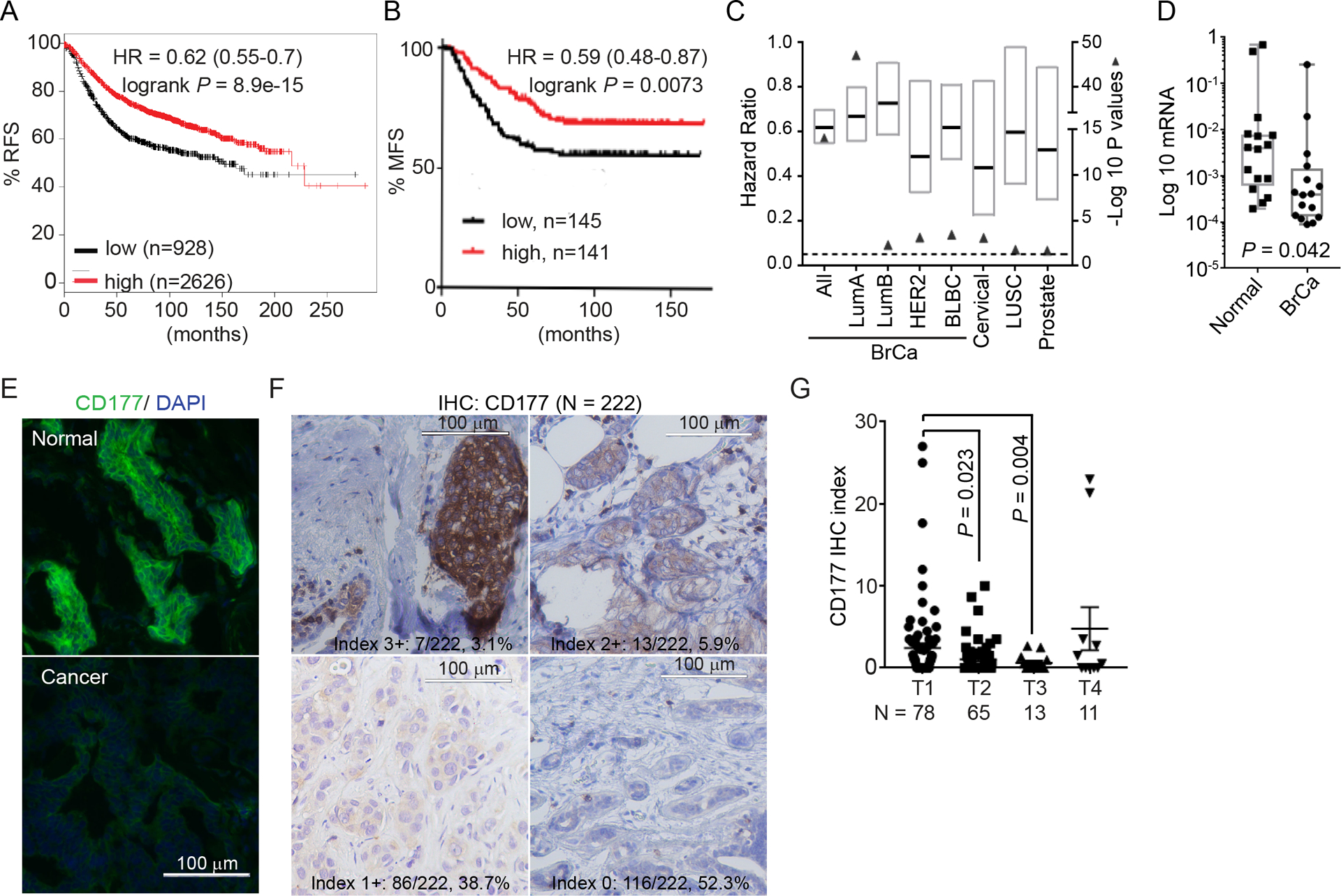
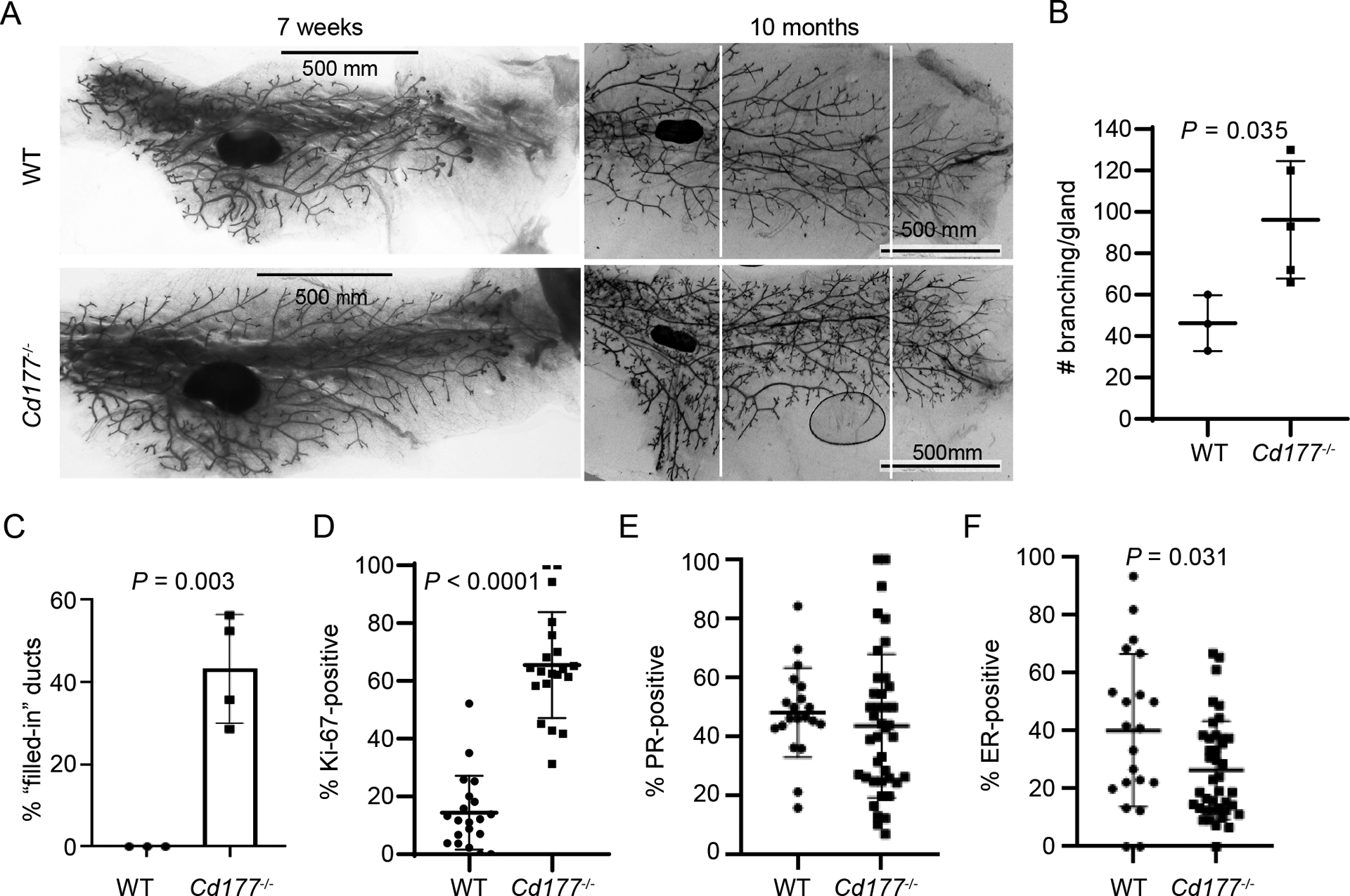
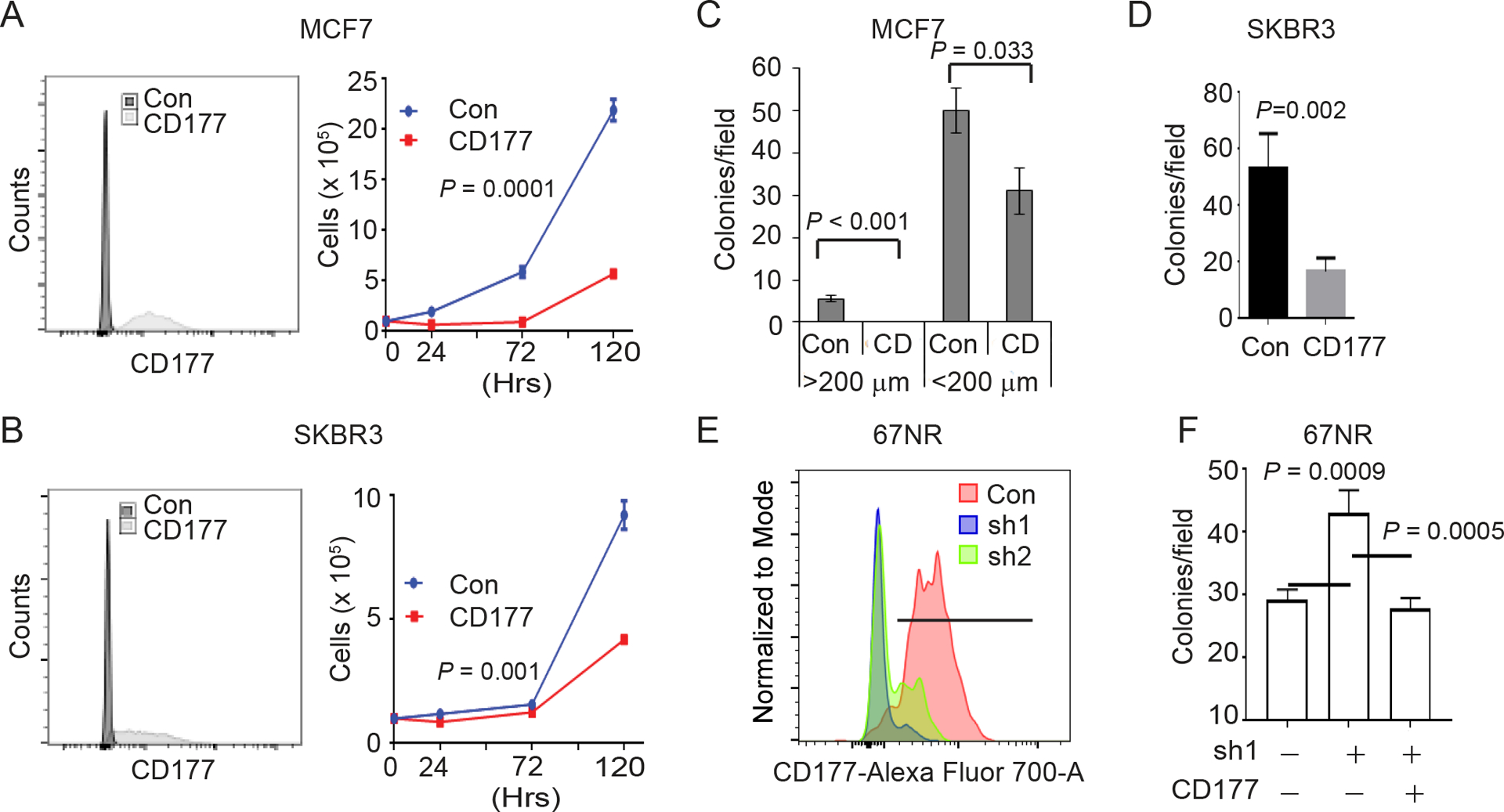
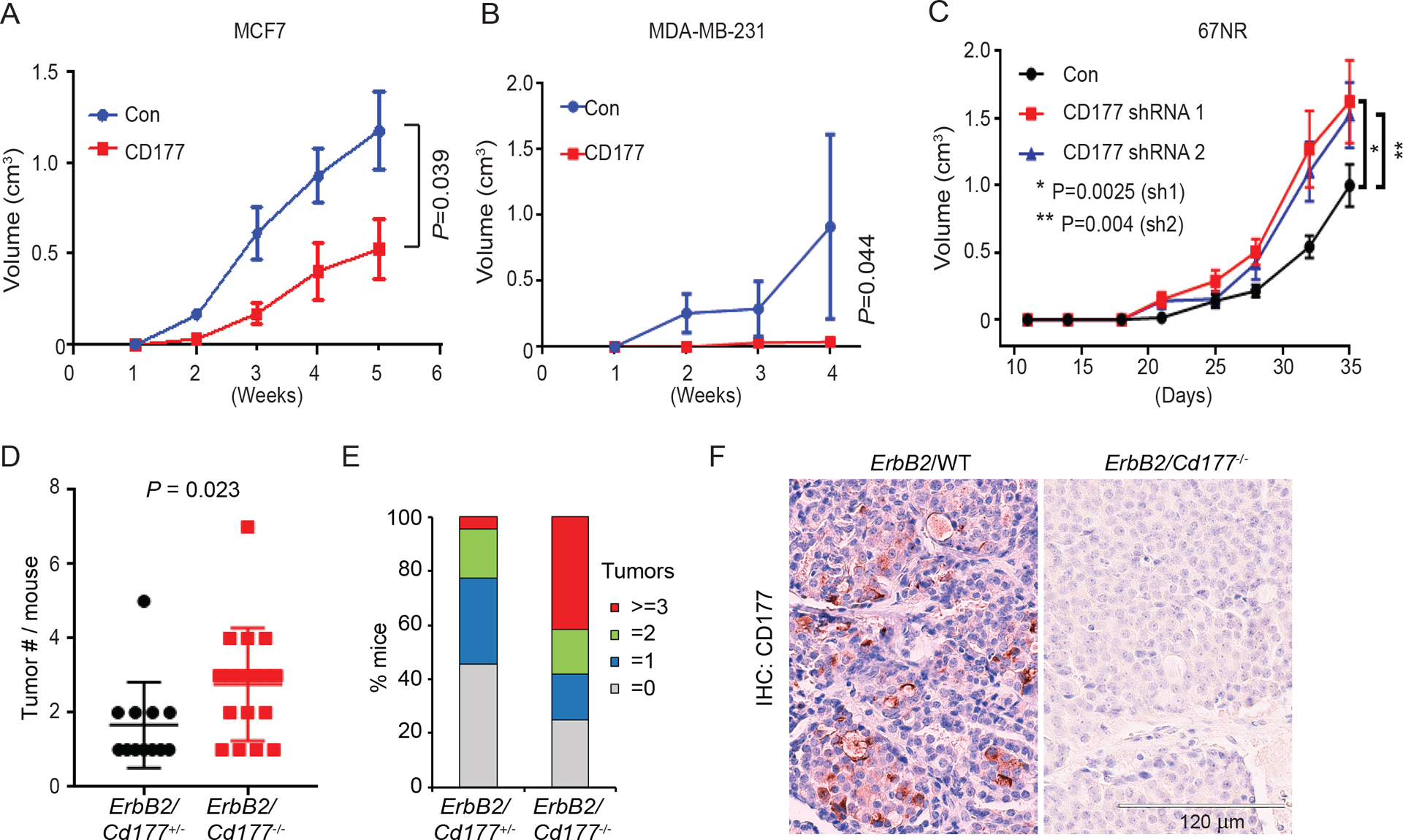
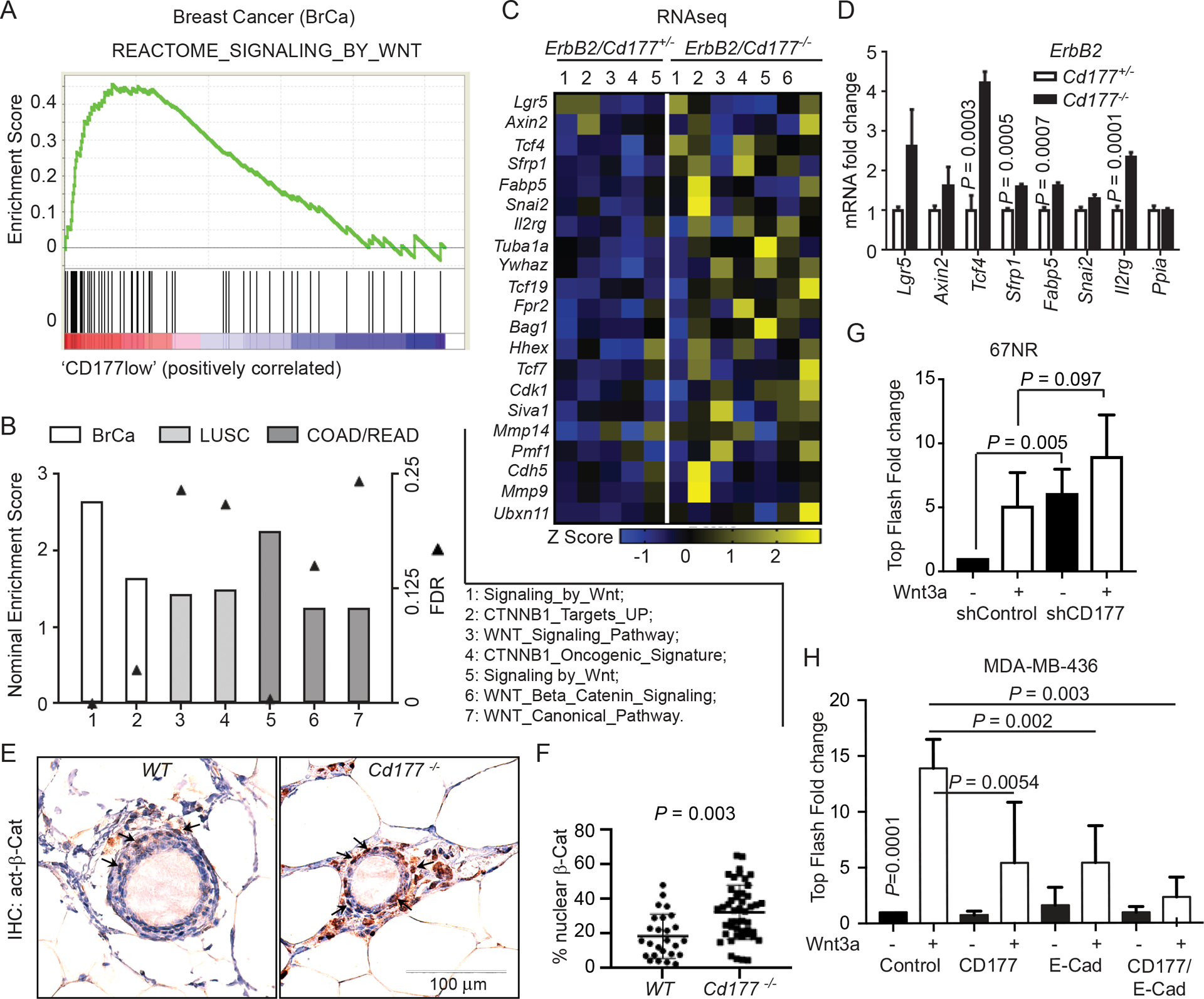
Aiming to identify immune molecules with a novel function in cancer pathogenesis, we found the cluster of differentiation 177 (CD177), a known neutrophil antigen, to be positively correlated with relapse-free, metastasis-free, or overall survival in breast cancer. In addition, CD177 expression is correlated with good prognosis in several other solid cancers including prostate, cervical, and lung. Focusing on breast cancer, we found that CD177 is expressed in normal breast epithelial cells and is significantly reduced in invasive cancers. Loss of CD177 leads to hyperproliferative mammary epithelium and contributes to breast cancer pathogenesis. Mechanistically, we found that CD177-deficiency is associated with an increase in β-catenin signaling. Here we identified CD177 as a novel regulator of mammary epithelial proliferation and breast cancer pathogenesis likely via the modulation of Wnt/β-catenin signaling pathway, a key signaling pathway involved in multiple cancer types.
为了鉴定在癌症发病机制中具有新功能的免疫分子,我们发现分化群 177(CD177),一种已知的中性粒细胞抗原,与乳腺癌的无复发生存、无转移生存或总生存呈正相关。此外,CD177 的表达与前列腺癌、宫颈癌和肺癌等其他几种实体癌的良好预后相关。我们专注于乳腺癌,发现 CD177 在正常乳腺上皮细胞中表达,在浸润性癌症中显著降低。CD177 的缺失导致乳腺上皮过度增殖,并促进乳腺癌的发病机制。从机制上讲,我们发现 CD177 缺陷与 β-连环蛋白信号的增加有关。在这里,我们确定 CD177 是一种新的乳腺上皮增殖和乳腺癌发病机制的调节因子,可能通过调节 Wnt/β-连环蛋白信号通路,该通路涉及多种癌症类型。