Stec Daniel, Krzywański Łukasz, Arakawa Kazuharu, Michalczyk Łukasz
1Department of Entomology, Institute of Zoology and Biomedical Research, Jagiellonian University, Gronostajowa 9, 30-387 Kraków, Poland.
2Institute for Advanced Biosciences, Keio University, Mizukami 246-2, Kakuganji, Tsuruoka, Yamagata, Japan.
Zoological Lett. 2020 Feb 5;6:2. doi: 10.1186/s40851-020-0154-y. eCollection 2020.
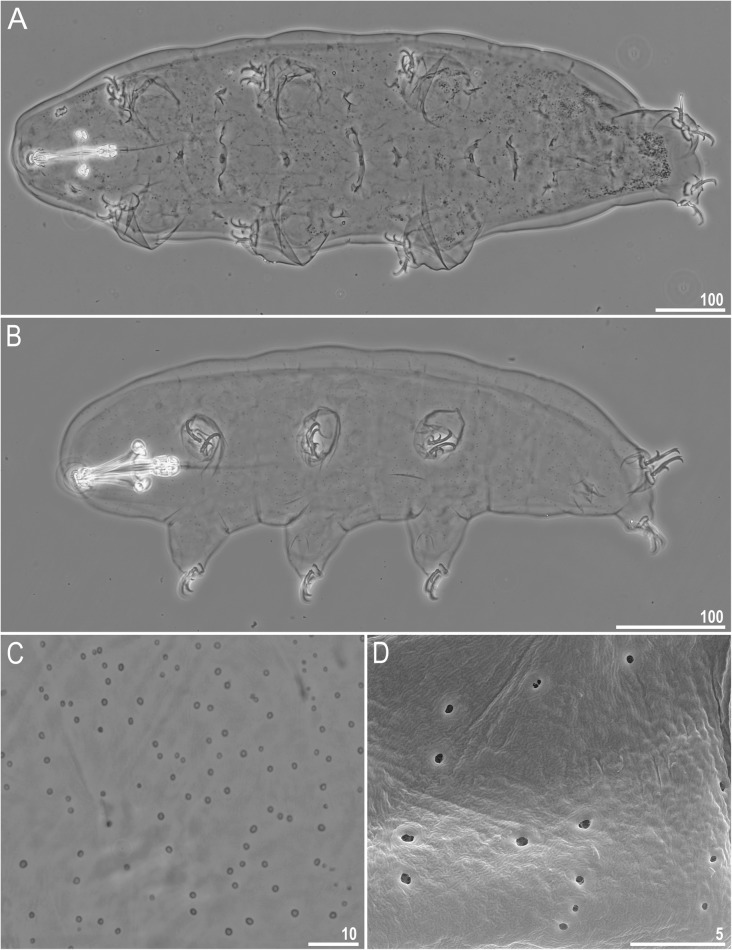
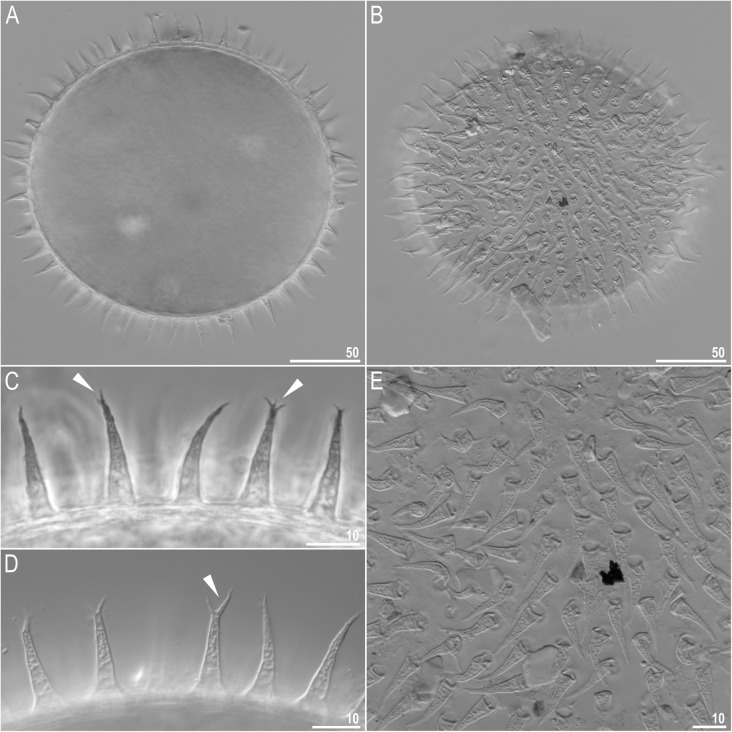
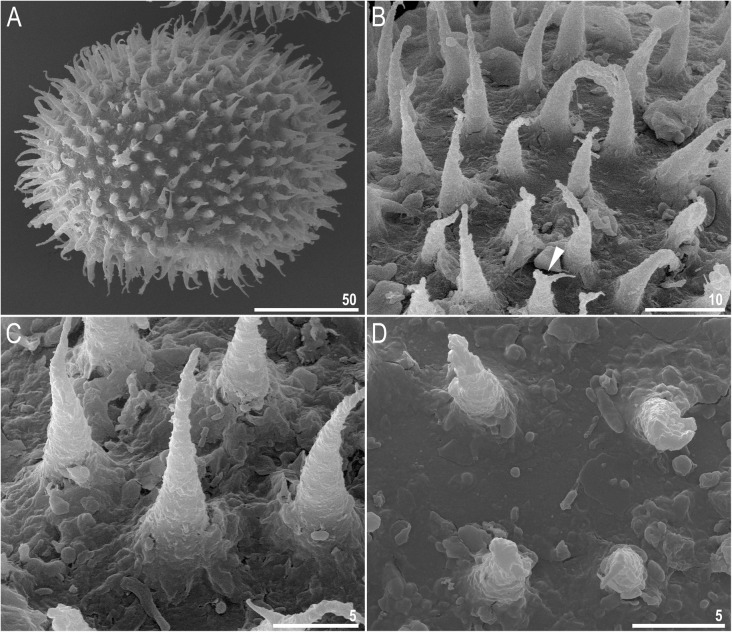
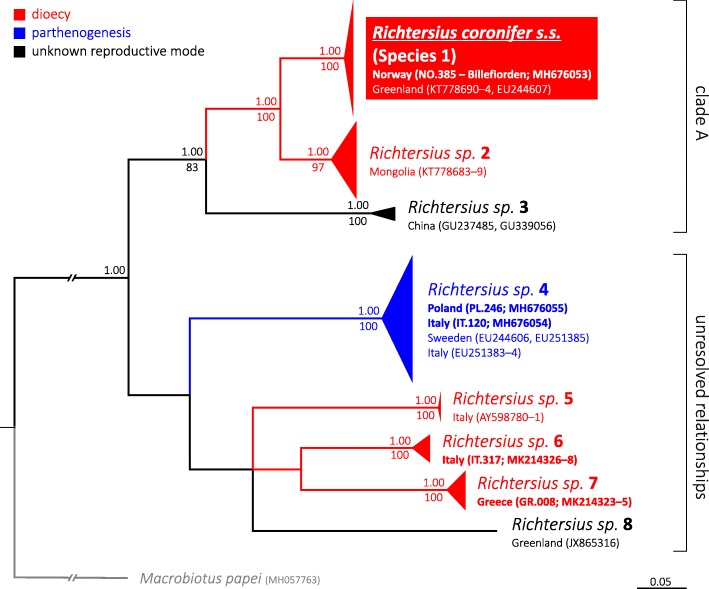
, the nominal species for the family Richtersiidae and a popular laboratory model, exemplifies a common problem in modern tardigrade taxonomy. Despite undeniable progress in the field, many old and incomplete descriptions of taxa hinder both species delimitation and the estimation of species diversity and distribution. Although for over a century this species has been recorded throughout the world, recent research indicates that records to date are likely to represent a species complex rather than a single cosmopolitan species. However, in order to recognise and name species diversity within the complex, an integrative redescription of the nominal species is first needed. Here, we describe an population collected from Spitsbergen, i.e., one of the two localities mentioned in the original description, with detailed morphological and morphometric data associated with standard DNA sequences of four standard genetic markers (18S rRNA, 28S rRNA, ITS-2, and COI) and supported by transcriptome sequencing. We propose replacement of the neotype designated in 1981 by Maucci and Ramazzotti, as it is impossible to verify whether the existing neotype is conspecific with specimens studied by Richters in 1903 and 1904. Finally, using newly obtained cytochrome c oxidase subunit I (COI) sequences of populations from Spitsbergen, Italy, Poland, and Greece together with sequences deposited in GenBank (China, Greenland, Italy, Mongolia), we performed genetic species delimitation, which indicated seven distinct potential species within the genus , in addition to the nominal taxon. This study marks a starting point for further research on the taxonomy of and species diversity within the genus. Moreover, this work has the potential to be the first tardigrade redescription to provide both genetic barcodes and a transcriptome of the species in question.
作为鳞甲熊虫科的模式种以及一种常用的实验室模型,体现了现代缓步动物分类学中的一个常见问题。尽管该领域取得了不可否认的进展,但许多陈旧且不完整的分类群描述阻碍了物种界定以及物种多样性和分布的估计。尽管一个多世纪以来,这个物种在世界各地都有记录,但最近的研究表明,迄今为止的记录可能代表一个物种复合体,而非单一的广布种。然而,为了识别和命名该复合体中的物种多样性,首先需要对模式种进行综合重新描述。在此,我们描述了一个从斯匹次卑尔根采集的种群,即原始描述中提到的两个地点之一,并提供了详细的形态学和形态测量数据,同时结合了四个标准遗传标记(18S rRNA、28S rRNA、ITS - 2和COI)的标准DNA序列,并得到转录组测序的支持。我们提议替换1981年由毛奇和拉马佐蒂指定的新模式标本,因为无法验证现有的新模式标本是否与1903年和1904年里希特斯研究的标本为同种。最后,利用新获得的来自斯匹次卑尔根、意大利、波兰和希腊的种群的细胞色素c氧化酶亚基I(COI)序列,以及GenBank中保存的序列(中国、格陵兰、意大利、蒙古),我们进行了遗传物种界定,结果表明,除了模式分类单元外,该属内还有七个不同的潜在物种。这项研究标志着对该属分类学和物种多样性进行进一步研究的起点。此外,这项工作有可能成为首个同时提供所研究物种的遗传条形码和转录组的缓步动物重新描述。