Gaballa Mahmoud R, Ramos Carlos A
Hematology-Oncology Section, Department of Medicine, Baylor College of Medicine, 6565 Fannin A6-080, Houston, TX, 77019, USA.
Curr Treat Options Oncol. 2020 Feb 11;21(3):21. doi: 10.1007/s11864-020-0709-3.
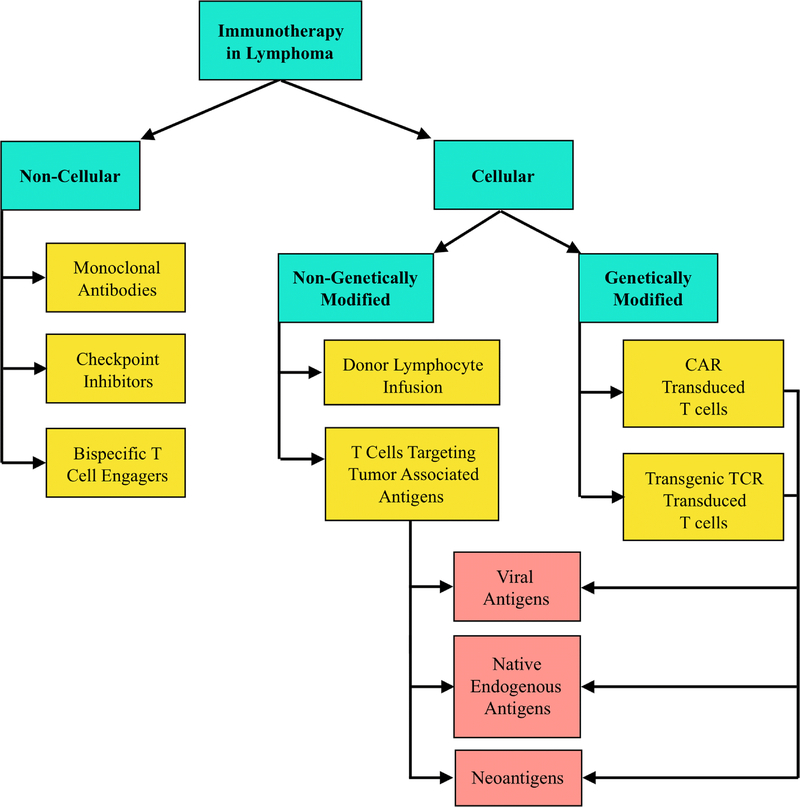
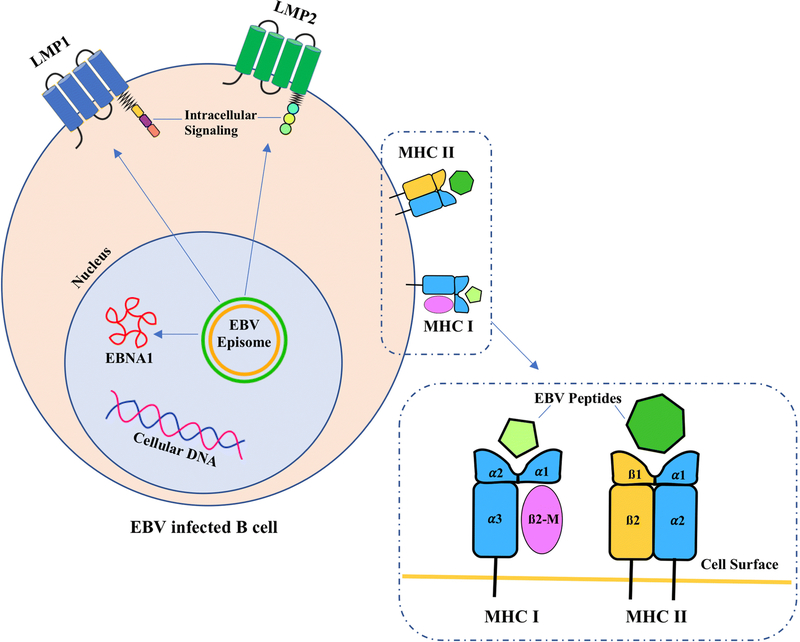
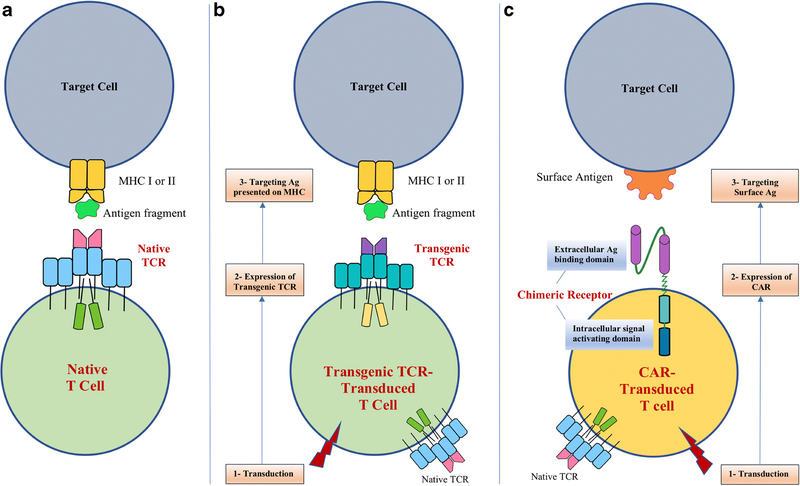
Cellular immunotherapy has been rapidly evolving and increasingly utilized in the management of relapsed and refractory lymphoma. CD19-specific chimeric antigen receptor T cells (CARTs) have achieved impressive results in pivotal clinical trials. Although CART development continues, these products have fundamental limitations that may make them less desirable in particular settings. For example, CARTs can only target cell surface antigens and thus are incapable of targeting intracellular tumor-associated proteins. In contrast to CARTs, conventional T cell receptors (TCR) allow T cells to target any cellular antigen, including intracellular proteins, since they interact with peptides presented by MHC I and II molecules. T cells recognizing EBV antigens through native TCRs have been successfully employed for treatment and prophylaxis of EBV-associated lymphomas, including post-transplant lymphoproliferative disorder. Currently, transgenic TCR-transduced T cells targeting nonviral tumor antigens remain experimental but, if successful, could become an invaluable cellular therapy option. Because the manufacturing process of autologous T cell products, including CARTs and other tumor-specific T cells, takes several weeks, patients often need bridging therapy to maintain disease control, which may be challenging. Novel cellular platforms, such as genetically modified NK and NKT cells, may be amenable to allogeneic use and thus may allow production as a readily available, "off-the-shelf" product. As cellular therapies beyond CART continue to grow, available therapeutic options for relapsed and refractory lymphoma patients are expected to expand further.
细胞免疫疗法发展迅速,在复发难治性淋巴瘤的治疗中应用越来越广泛。CD19特异性嵌合抗原受体T细胞(CART)在关键临床试验中取得了令人瞩目的成果。尽管CART仍在不断发展,但这些产品存在一些基本局限性,在某些特定情况下可能不太理想。例如,CART只能靶向细胞表面抗原,因此无法靶向细胞内肿瘤相关蛋白。与CART不同,传统的T细胞受体(TCR)可使T细胞靶向任何细胞抗原,包括细胞内蛋白,因为它们与MHC I和II分子呈递的肽相互作用。通过天然TCR识别EBV抗原的T细胞已成功用于治疗和预防EBV相关淋巴瘤,包括移植后淋巴细胞增殖性疾病。目前,靶向非病毒肿瘤抗原的转基因TCR转导T细胞仍处于实验阶段,但如果成功,可能成为一种非常有价值的细胞治疗选择。由于自体T细胞产品(包括CART和其他肿瘤特异性T细胞)的生产过程需要数周时间,患者通常需要桥接治疗以维持疾病控制,这可能具有挑战性。新型细胞平台,如基因改造的NK细胞和NKT细胞,可能适用于同种异体使用,因此可能允许生产现成的“现货”产品。随着CART以外的细胞疗法不断发展,复发难治性淋巴瘤患者可用的治疗选择有望进一步扩大。