Physics and Astronomy, York University, Toronto, Canada.
Centre for Vision Research, York University, Toronto, Canada.
Elife. 2020 Feb 17;9:e50476. doi: 10.7554/eLife.50476.
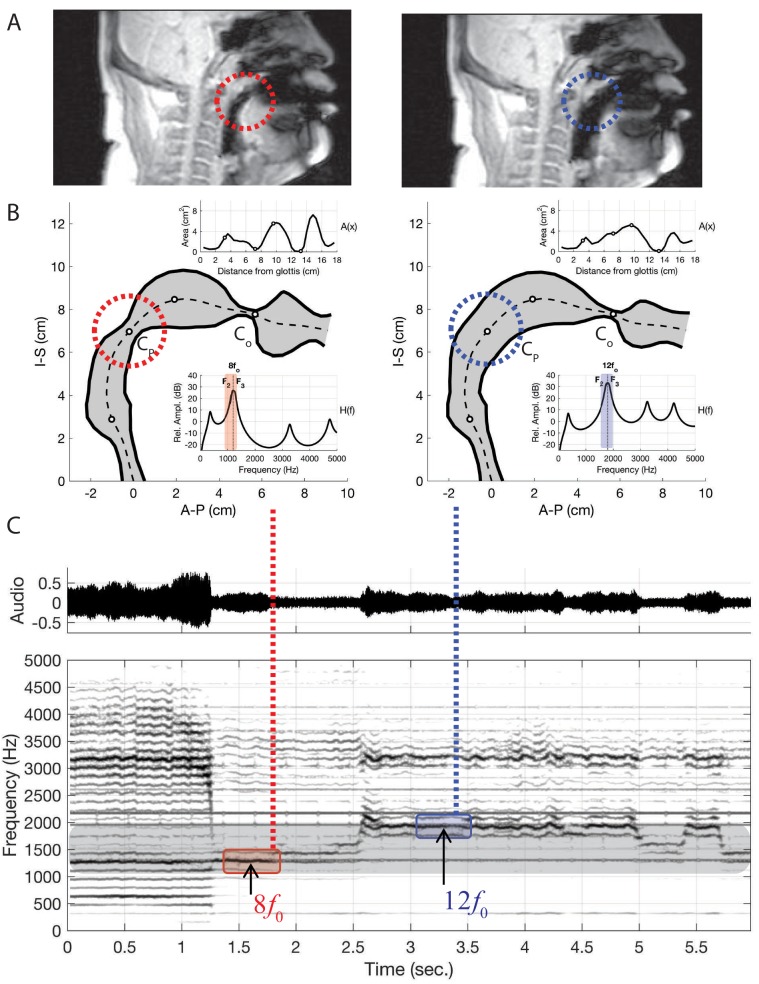
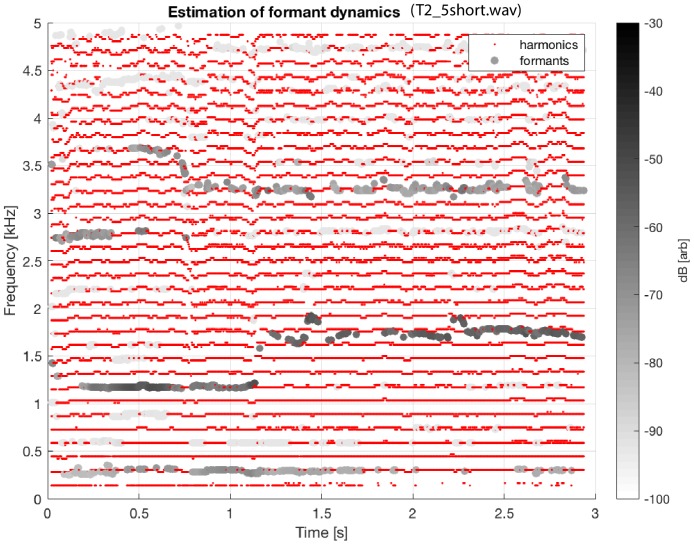
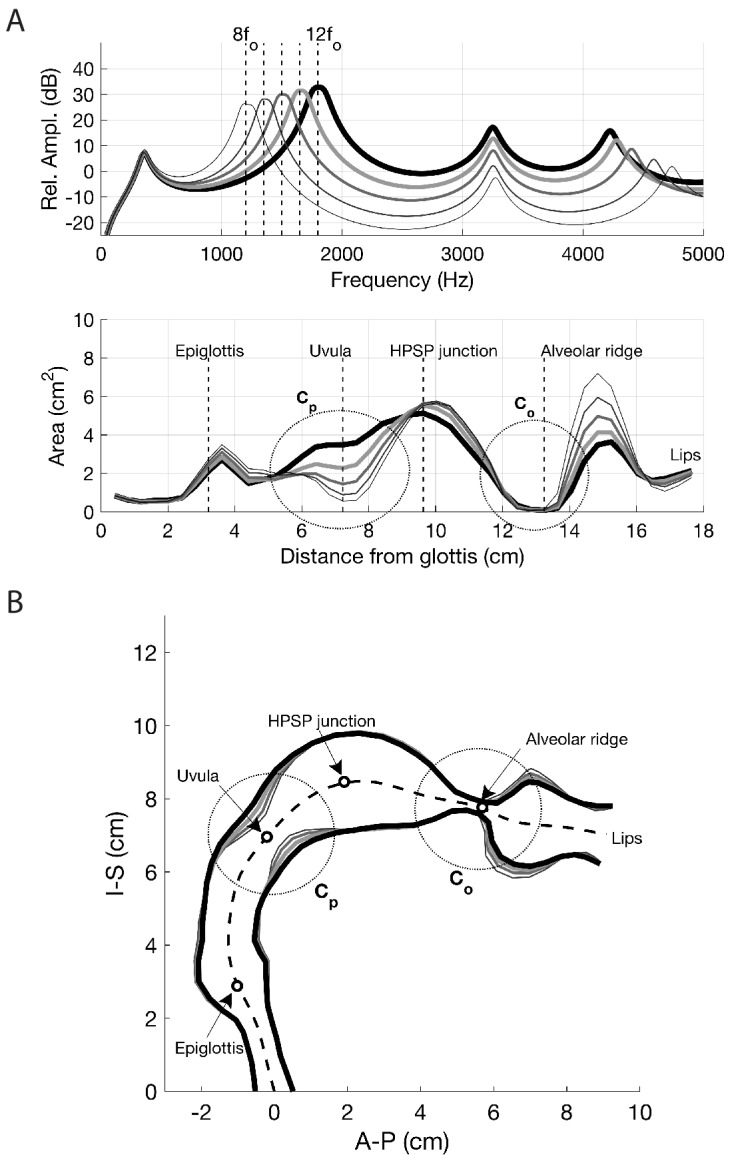
Khoomei is a unique singing style originating from the republic of Tuva in central Asia. Singers produce two pitches simultaneously: a booming low-frequency rumble alongside a hovering high-pitched whistle-like tone. The biomechanics of this biphonation are not well-understood. Here, we use sound analysis, dynamic magnetic resonance imaging, and vocal tract modeling to demonstrate how biphonation is achieved by modulating vocal tract morphology. Tuvan singers show remarkable control in shaping their vocal tract to narrowly focus the harmonics (or overtones) emanating from their vocal cords. The biphonic sound is a combination of the fundamental pitch and a focused filter state, which is at the higher pitch (1-2 kHz) and formed by merging two formants, thereby greatly enhancing sound-production in a very narrow frequency range. Most importantly, we demonstrate that this biphonation is a phenomenon arising from linear filtering rather than from a nonlinear source.
呼麦是一种独特的歌唱风格,起源于亚洲中部的图瓦共和国。歌手同时发出两个音高:一个低沉的低频轰鸣声和一个悬停的高音口哨般的音调。这种双音的生物力学机制还没有被很好地理解。在这里,我们使用声音分析、动态磁共振成像和声道建模来演示双音是如何通过调节声道形态来实现的。图瓦歌手在塑造声道以窄聚焦从声带发出的谐波(泛音)方面表现出了非凡的控制能力。双音是基频和聚焦滤波器状态的组合,其频率较高(1-2 kHz),由两个共振峰合并而成,从而大大增强了非常窄的频率范围内的发声效果。最重要的是,我们证明这种双音是一种源于线性滤波而不是非线性源的现象。