Molecular Pathogenesis Program, The Kimmel Center for Biology and Medicine of the Skirball Institute, New York University School of Medicine, New York, NY, USA.
Howard Hughes Medical Institute, New York, NY, USA.
Nature. 2020 Mar;579(7800):575-580. doi: 10.1038/s41586-020-2039-9. Epub 2020 Feb 12.
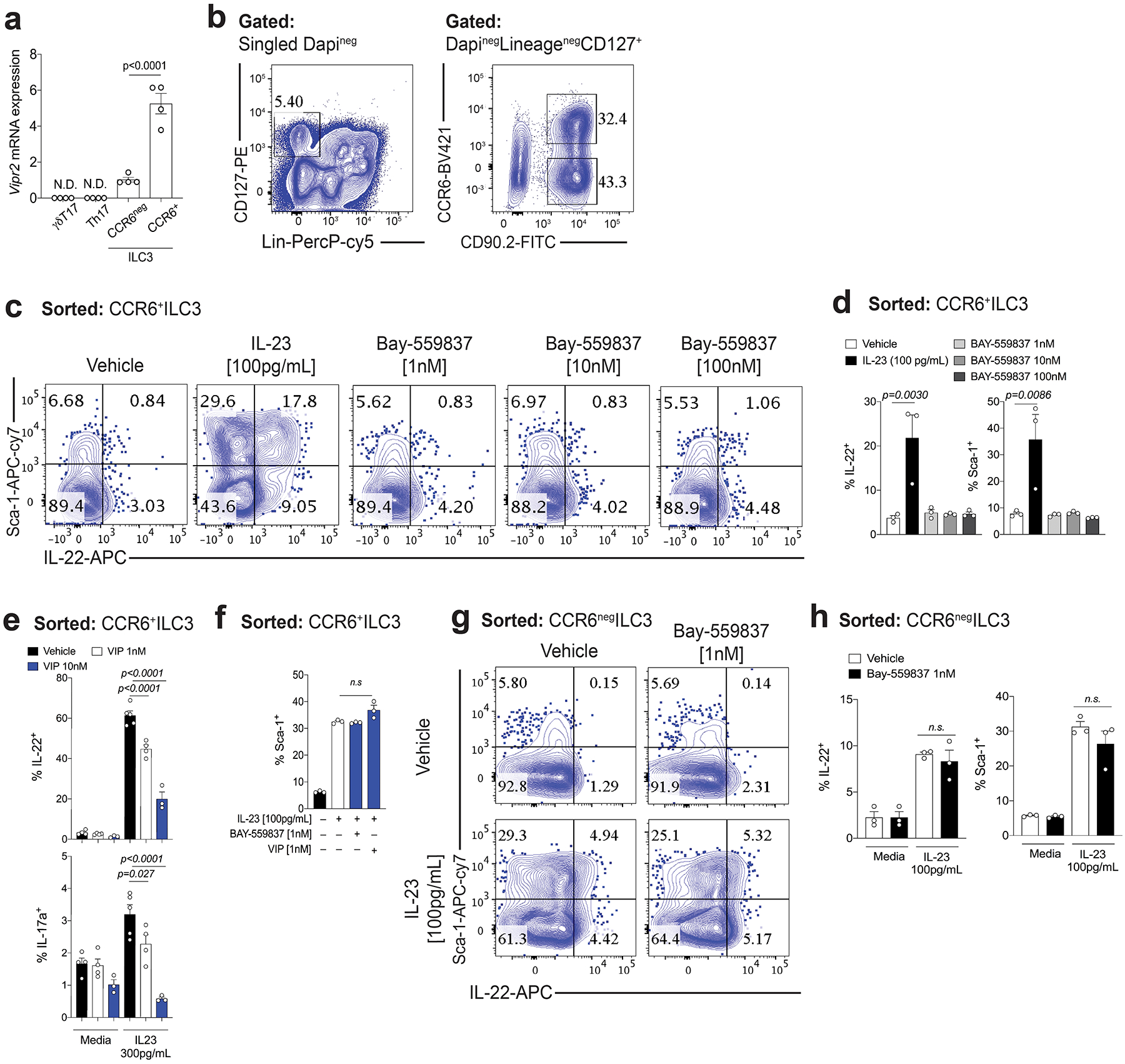
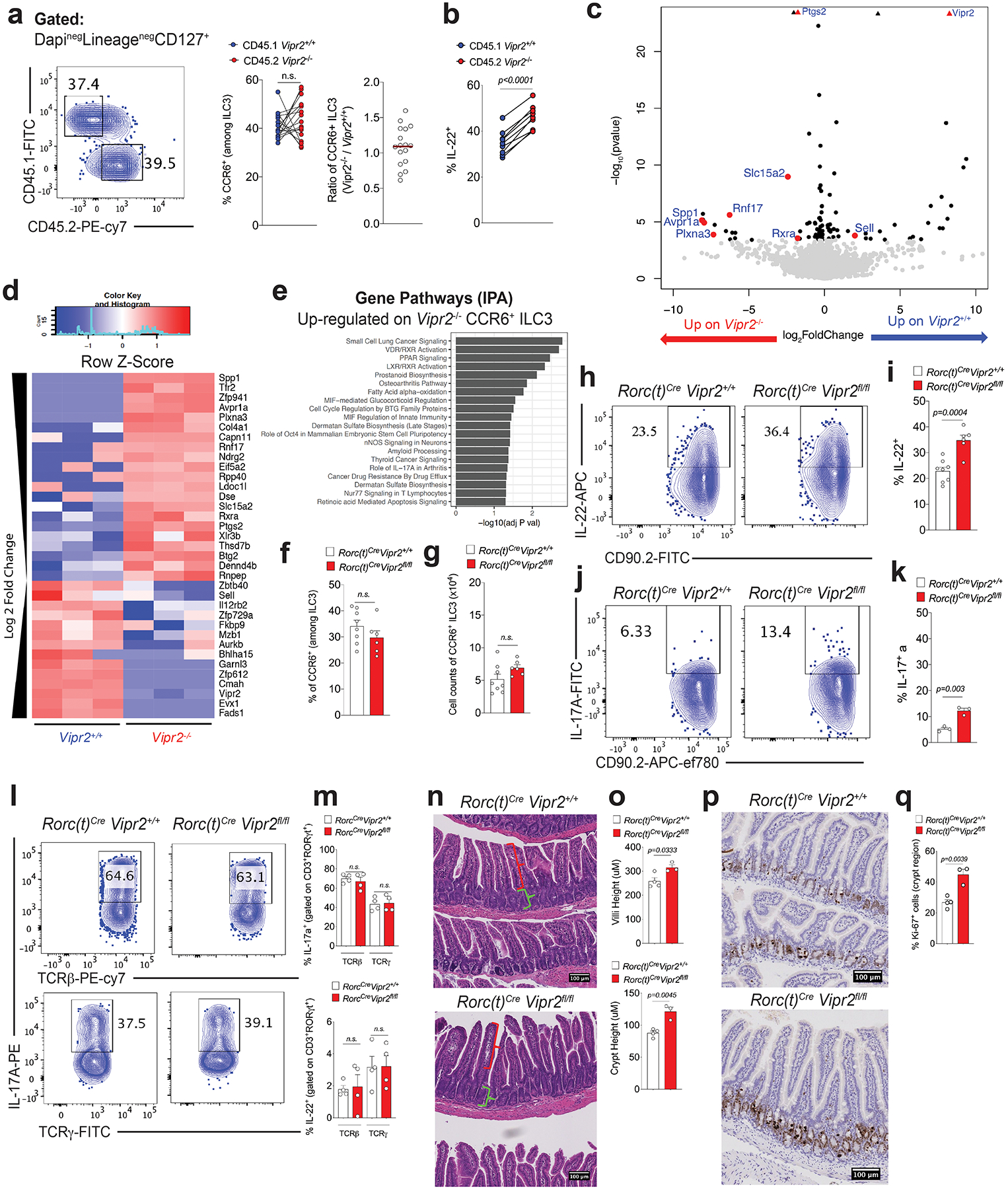
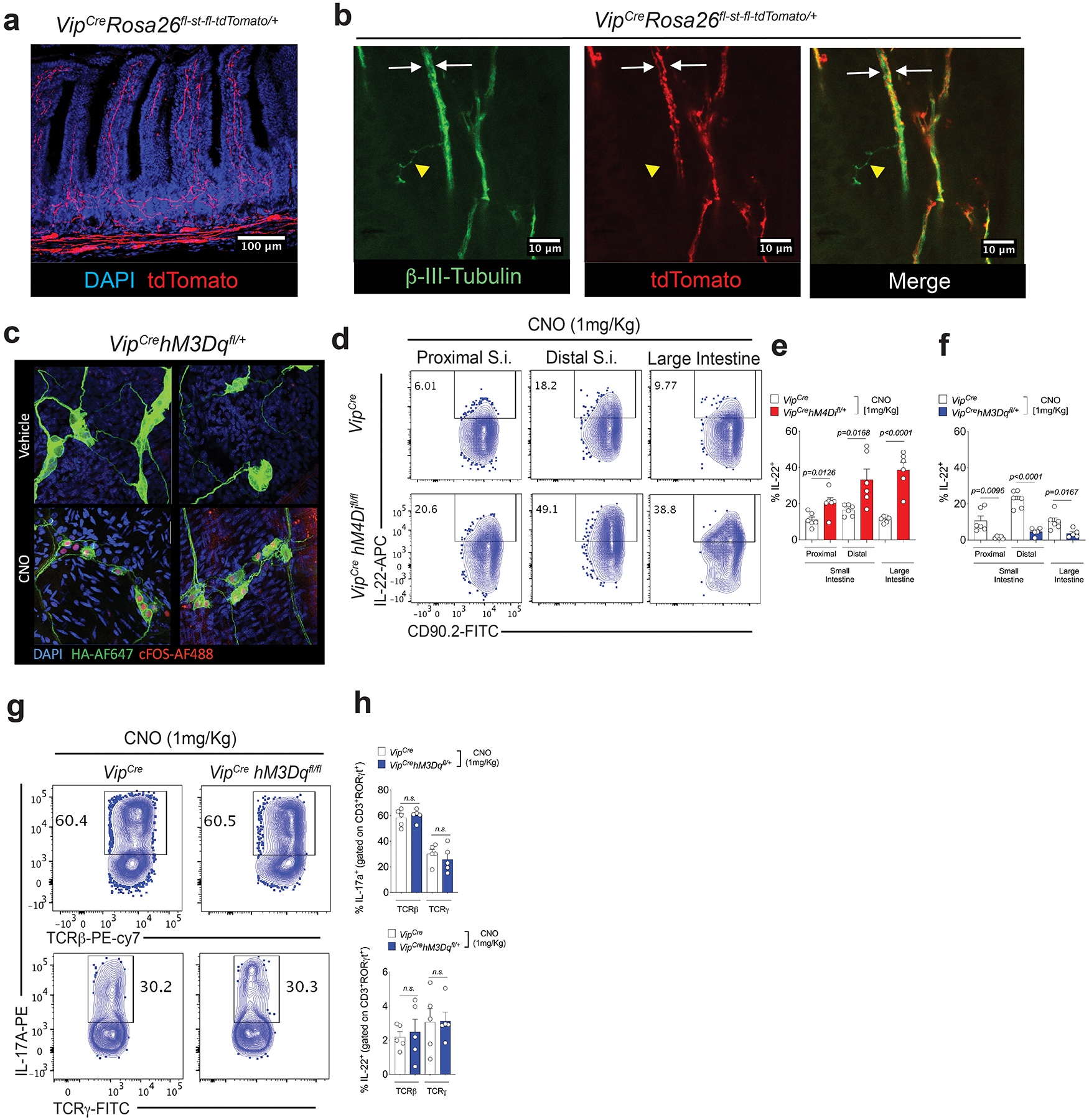
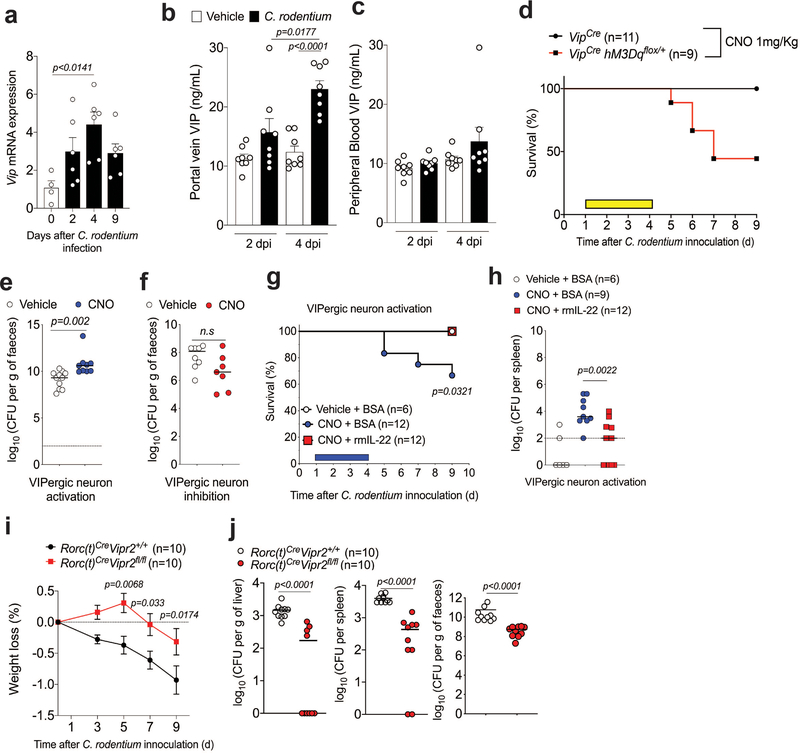
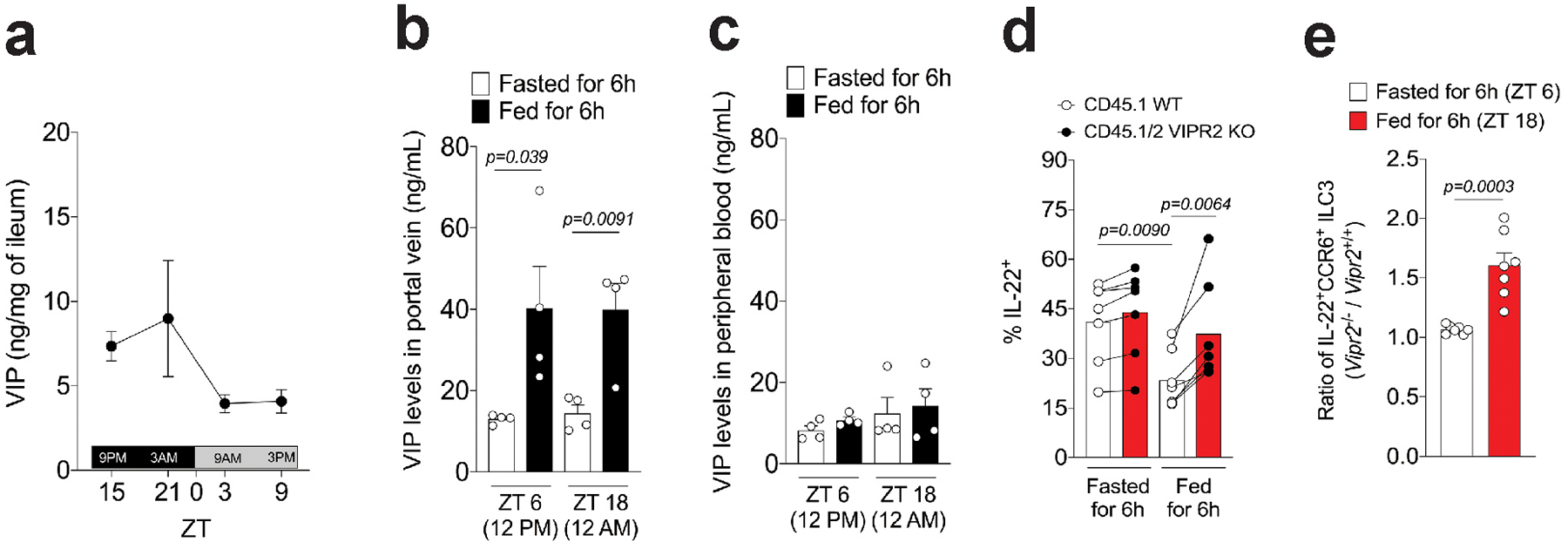
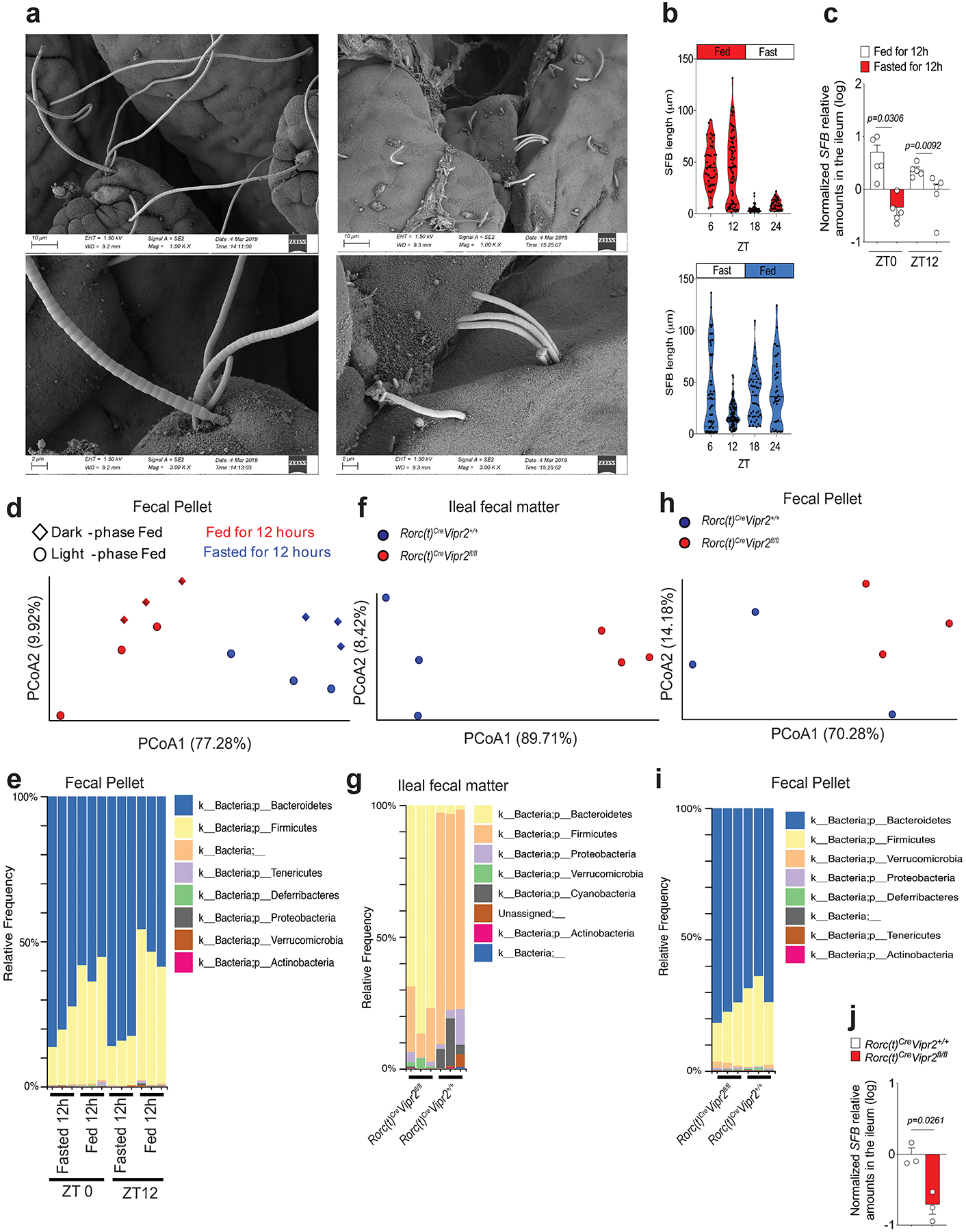
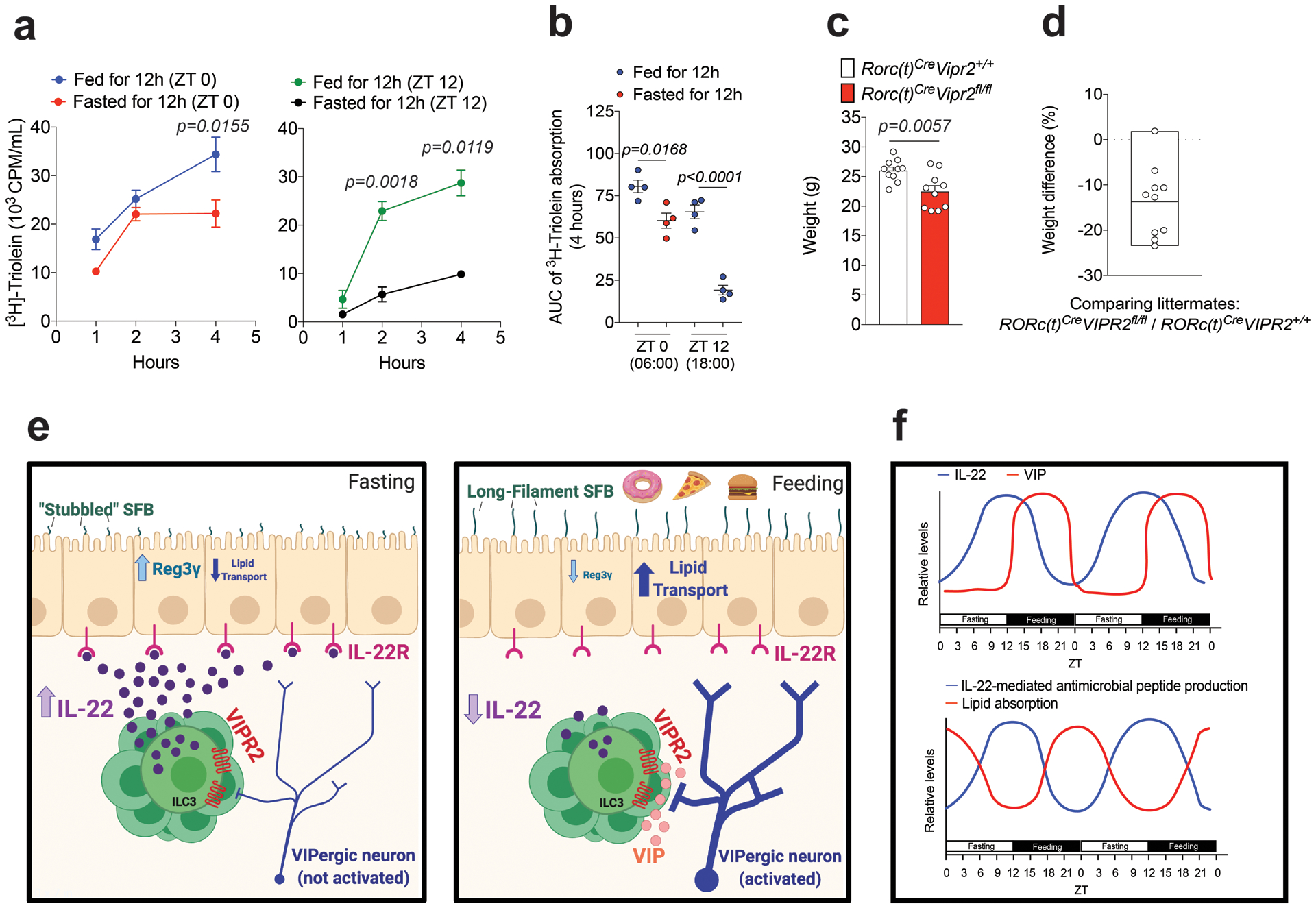
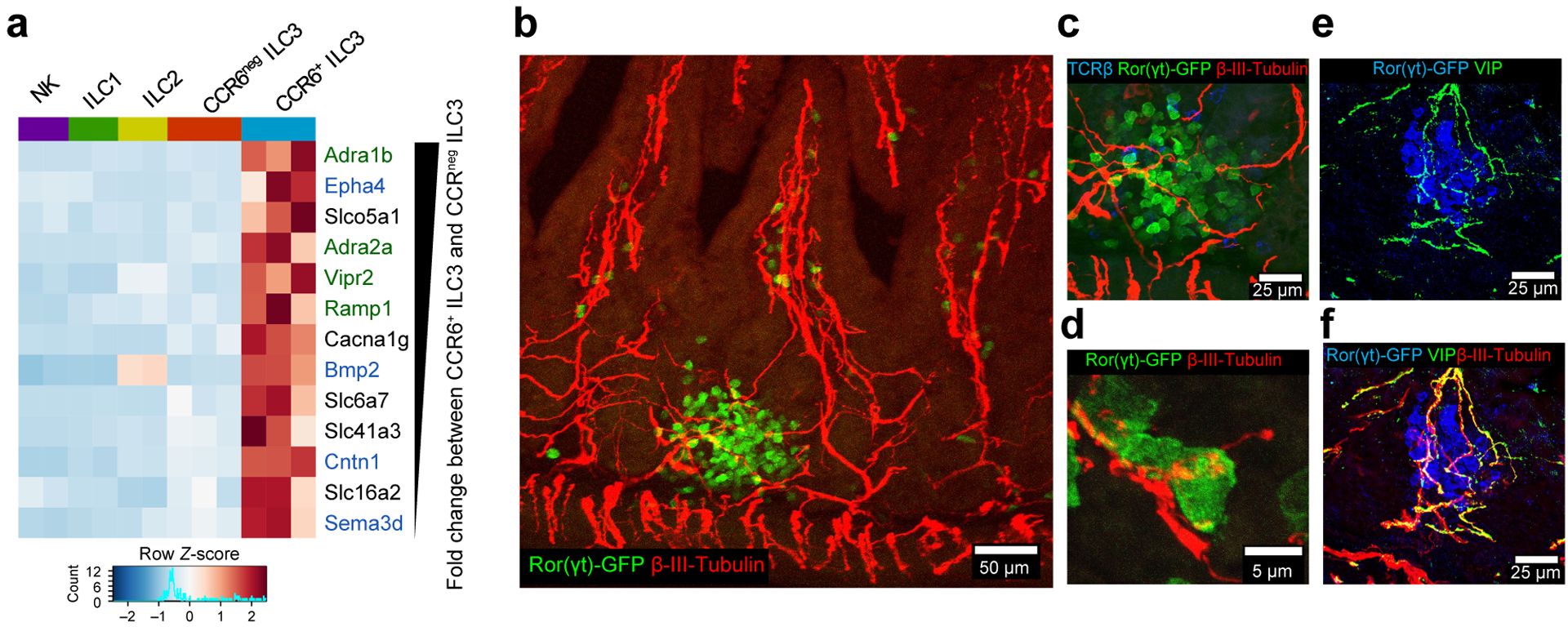
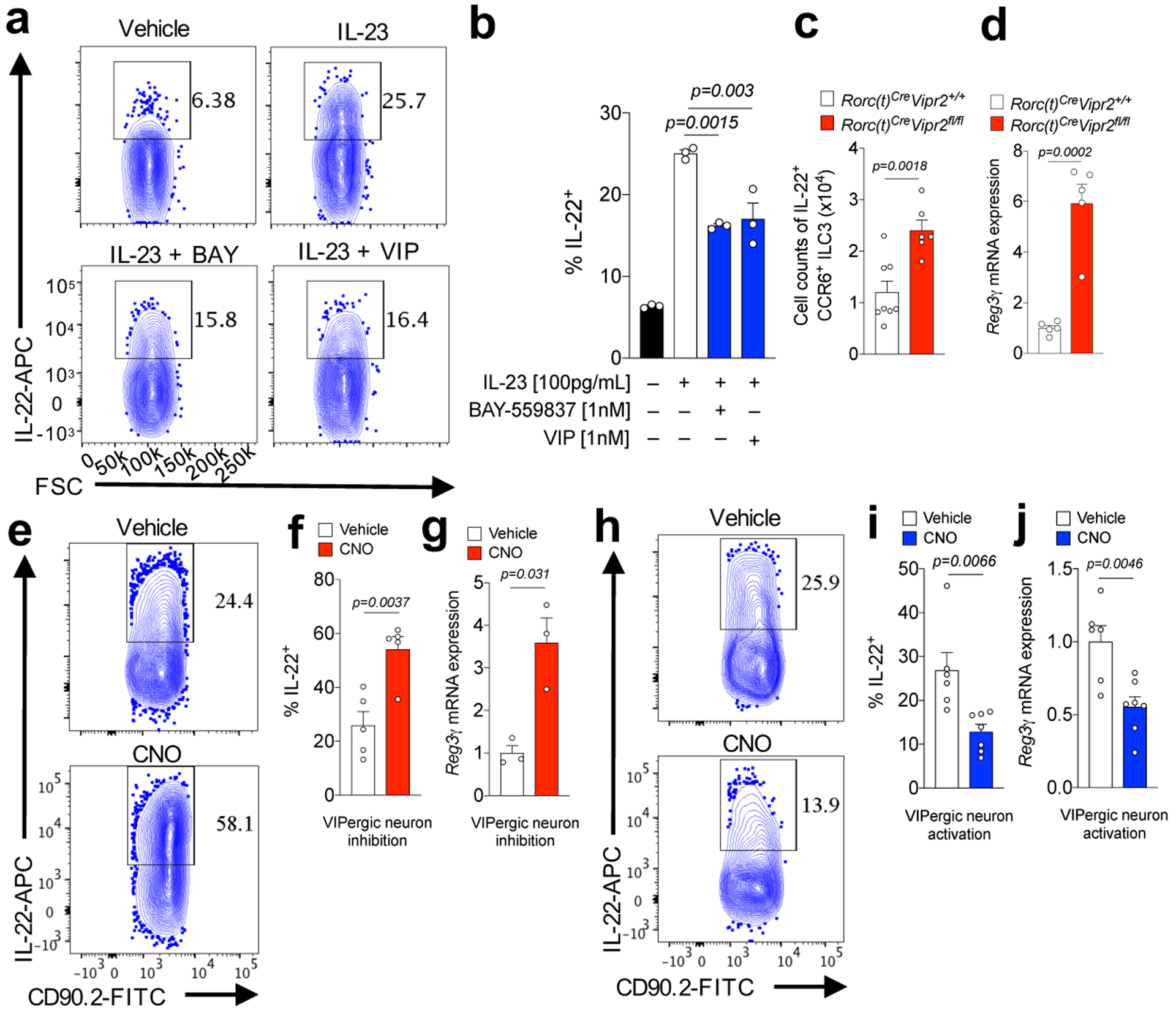
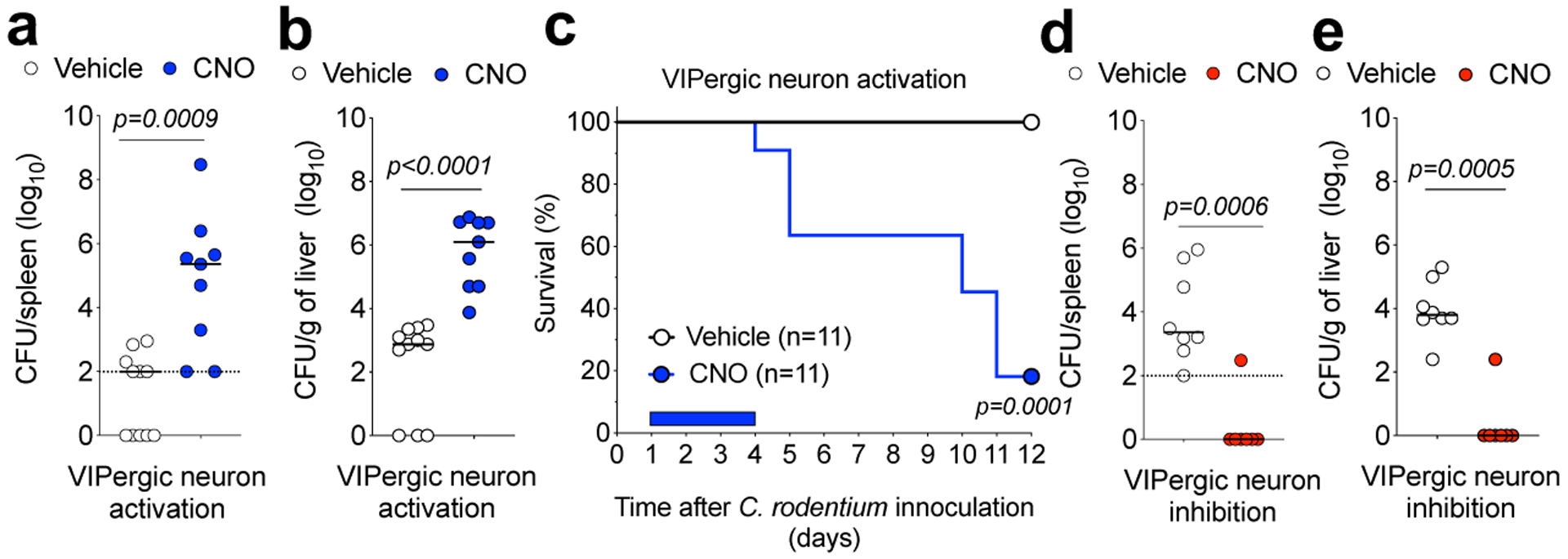
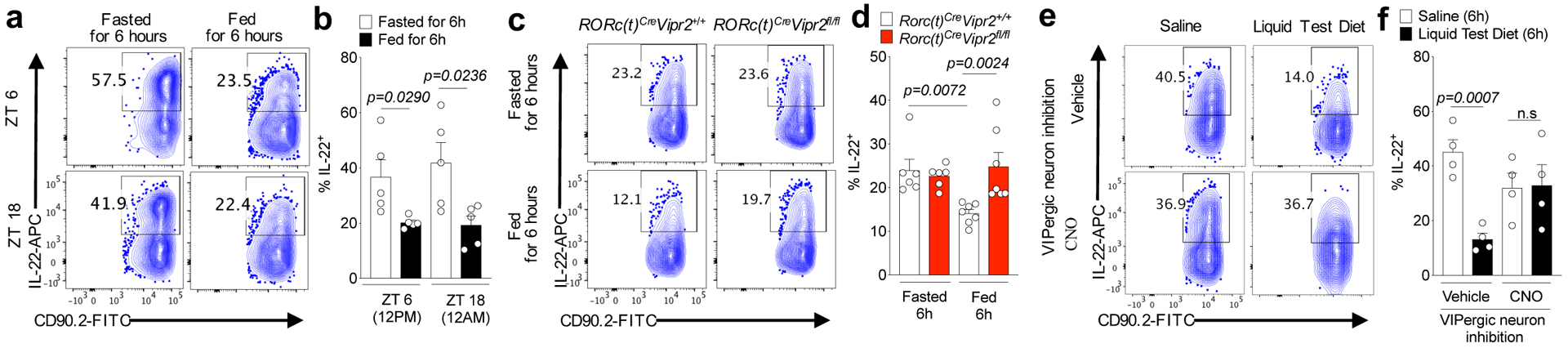
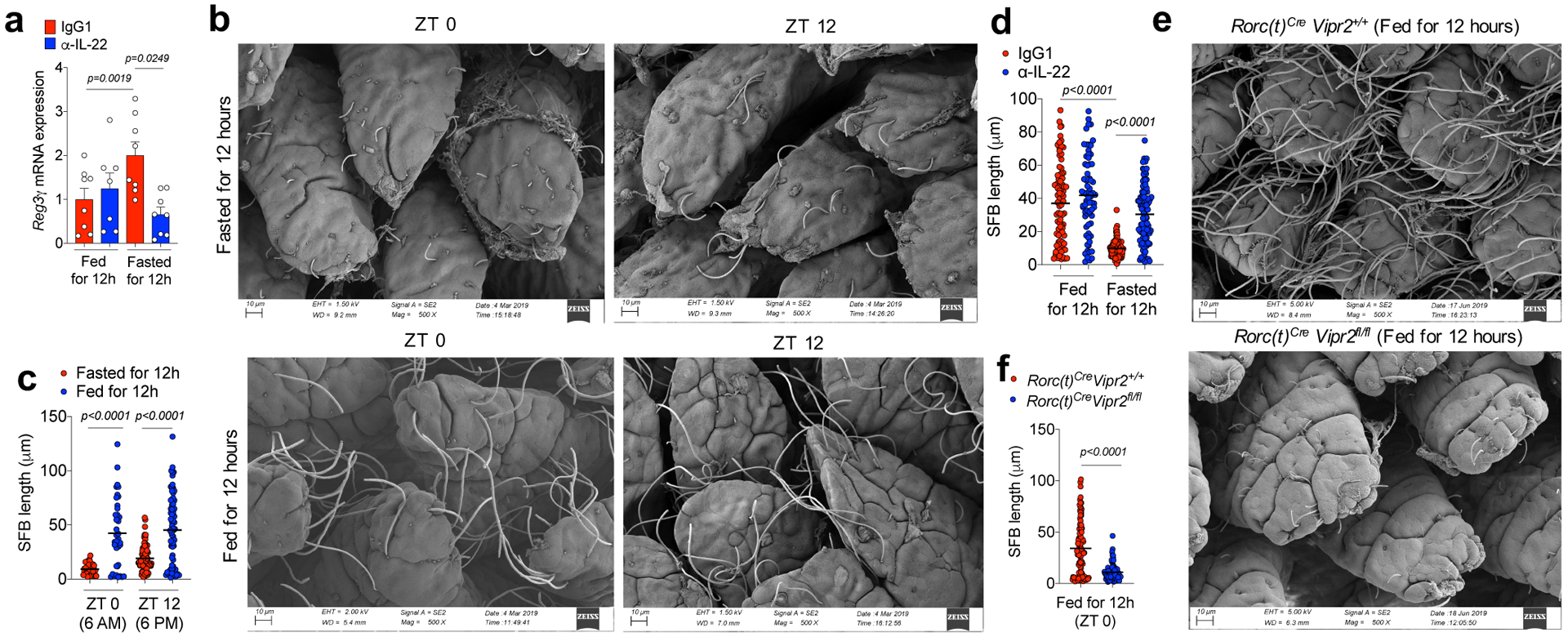
The intestinal mucosa serves both as a conduit for the uptake of food-derived nutrients and microbiome-derived metabolites, and as a barrier that prevents tissue invasion by microorganisms and tempers inflammatory responses to the myriad contents of the lumen. How the intestine coordinates physiological and immune responses to food consumption to optimize nutrient uptake while maintaining barrier functions remains unclear. Here we show in mice how a gut neuronal signal triggered by food intake is integrated with intestinal antimicrobial and metabolic responses that are controlled by type-3 innate lymphoid cells (ILC3). Food consumption rapidly activates a population of enteric neurons that express vasoactive intestinal peptide (VIP). Projections of VIP-producing neurons (VIPergic neurons) in the lamina propria are in close proximity to clusters of ILC3 that selectively express VIP receptor type 2 (VIPR2; also known as VPAC2). Production of interleukin (IL)-22 by ILC3, which is upregulated by the presence of commensal microorganisms such as segmented filamentous bacteria, is inhibited upon engagement of VIPR2. As a consequence, levels of antimicrobial peptide derived from epithelial cells are reduced but the expression of lipid-binding proteins and transporters is increased. During food consumption, the activation of VIPergic neurons thus enhances the growth of segmented filamentous bacteria associated with the epithelium, and increases lipid absorption. Our results reveal a feeding- and circadian-regulated dynamic neuroimmune circuit in the intestine that promotes a trade-off between innate immune protection mediated by IL-22 and the efficiency of nutrient absorption. Modulation of this pathway may therefore be effective for enhancing resistance to enteropathogens and for the treatment of metabolic diseases.
肠道黏膜既是食物源性营养物质和微生物组衍生代谢物吸收的途径,也是阻止微生物侵袭组织和调节对腔内容物的无数炎症反应的屏障。肠道如何协调生理和免疫反应以优化营养吸收,同时保持屏障功能尚不清楚。在这里,我们在小鼠中展示了食物摄入引发的肠道神经元信号如何与由 3 型先天淋巴细胞 (ILC3) 控制的肠道抗菌和代谢反应整合在一起。食物摄入会迅速激活一群表达血管活性肠肽 (VIP) 的肠神经元。固有层中 VIP 产生神经元 (VIPergic 神经元) 的投射与选择性表达 VIP 受体 2 (VIPR2;也称为 VPAC2) 的 ILC3 簇紧密相邻。ILC3 产生白细胞介素 (IL)-22,其表达受共生微生物(如分段丝状细菌)的存在上调,而 VIPR2 的参与则抑制了 IL-22 的产生。因此,上皮细胞衍生的抗菌肽水平降低,但脂质结合蛋白和转运蛋白的表达增加。在进食期间,VIPergic 神经元的激活因此增强了与上皮细胞相关的分段丝状细菌的生长,并增加了脂质吸收。我们的研究结果揭示了肠道中一种受进食和昼夜节律调节的神经免疫动态回路,促进了由 IL-22 介导的先天免疫保护与营养吸收效率之间的权衡。因此,该途径的调节可能有效增强对肠道病原体的抵抗力和治疗代谢疾病。