Division of Molecular Biology and Biochemistry, Gottfried Schatz Research Center, Medical University of Graz, Graz 8010, Austria.
BioTechMed-Graz, Graz 8010, Austria.
Int J Mol Sci. 2020 Feb 9;21(3):1143. doi: 10.3390/ijms21031143.
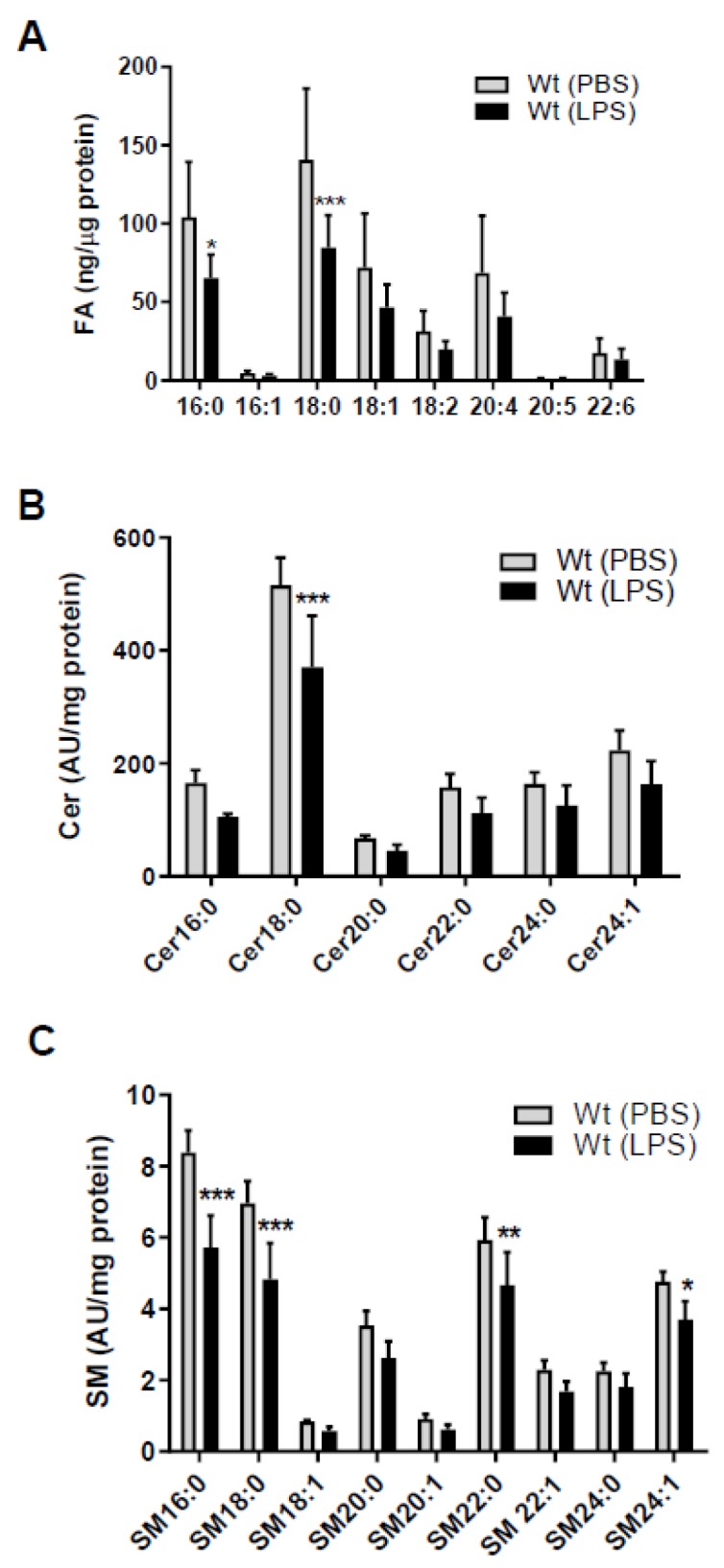
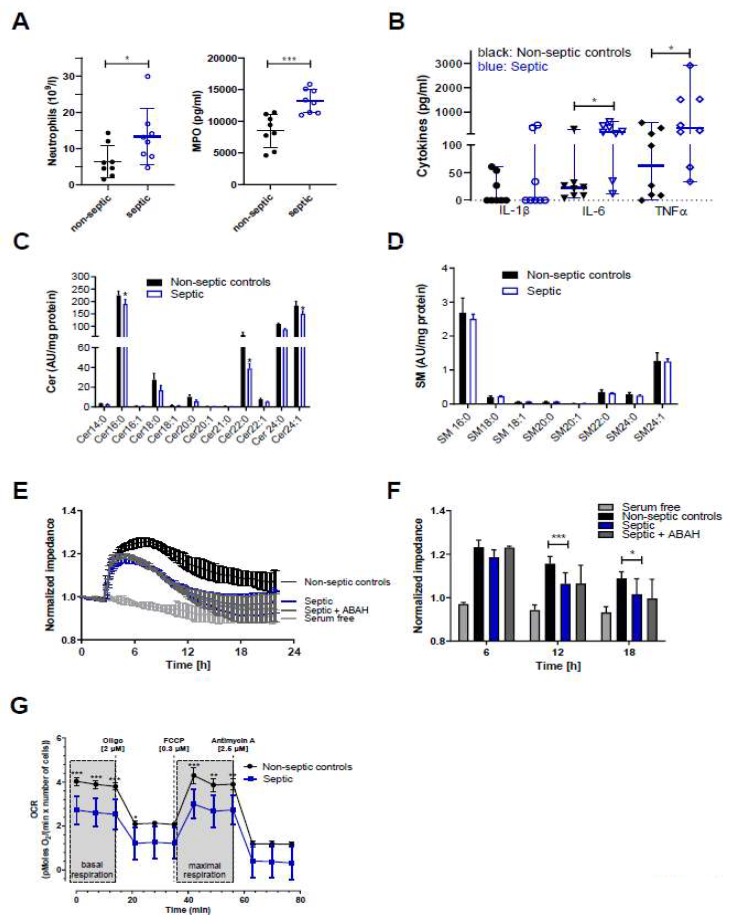
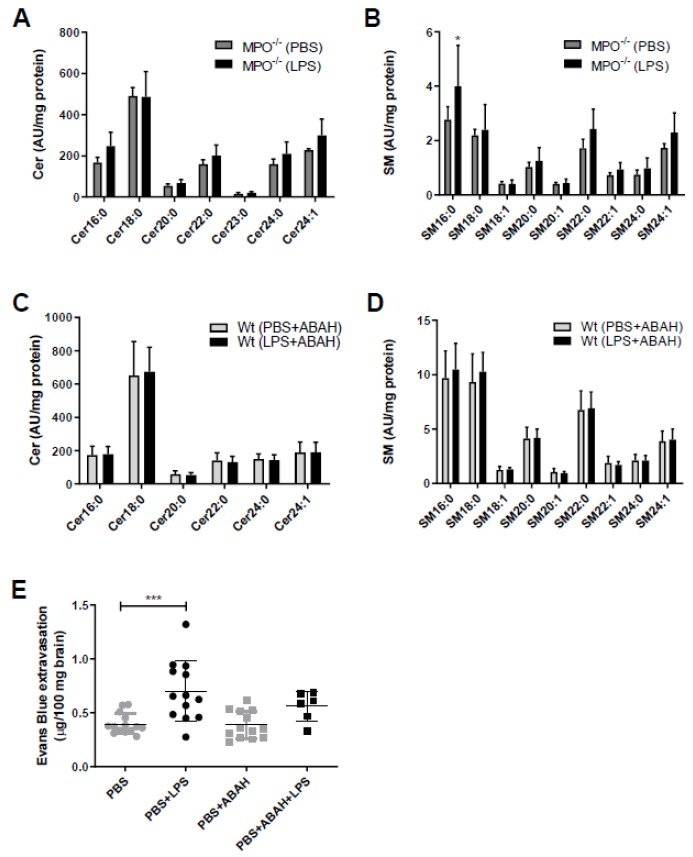
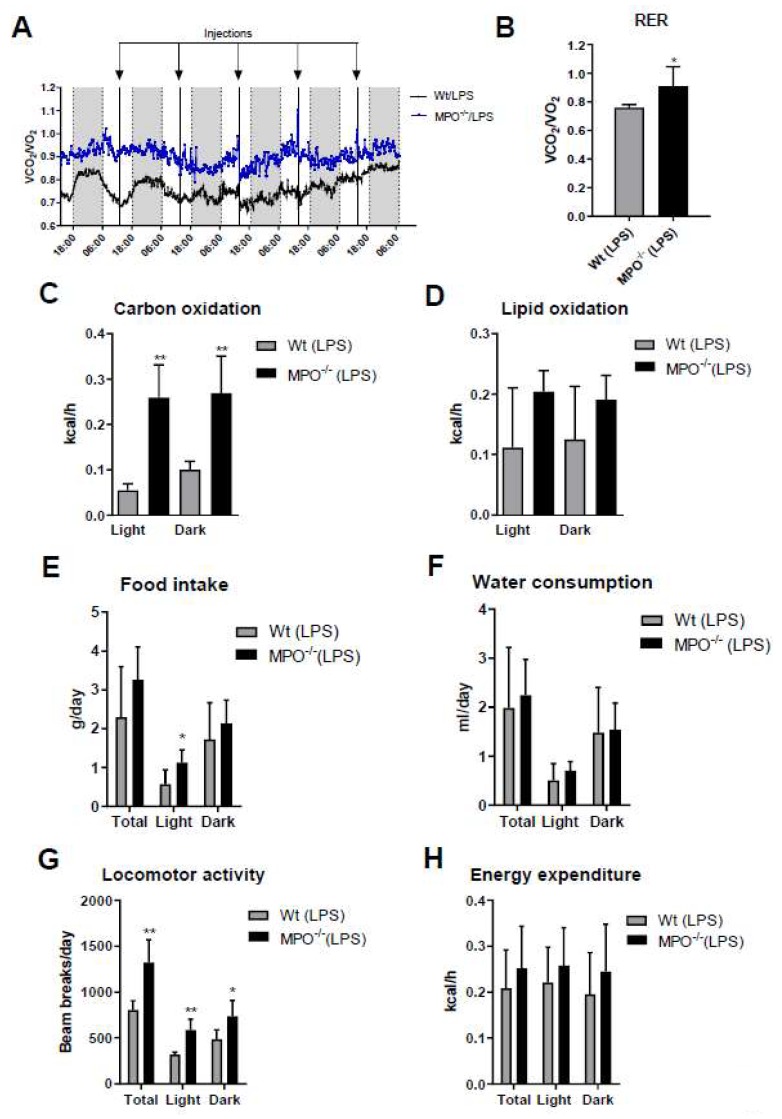
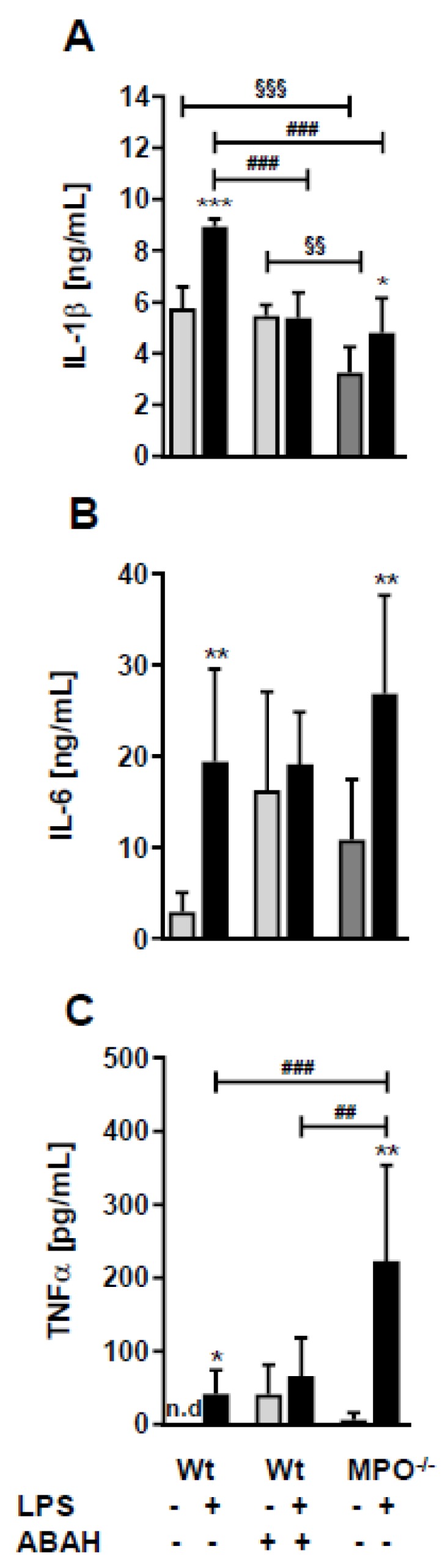
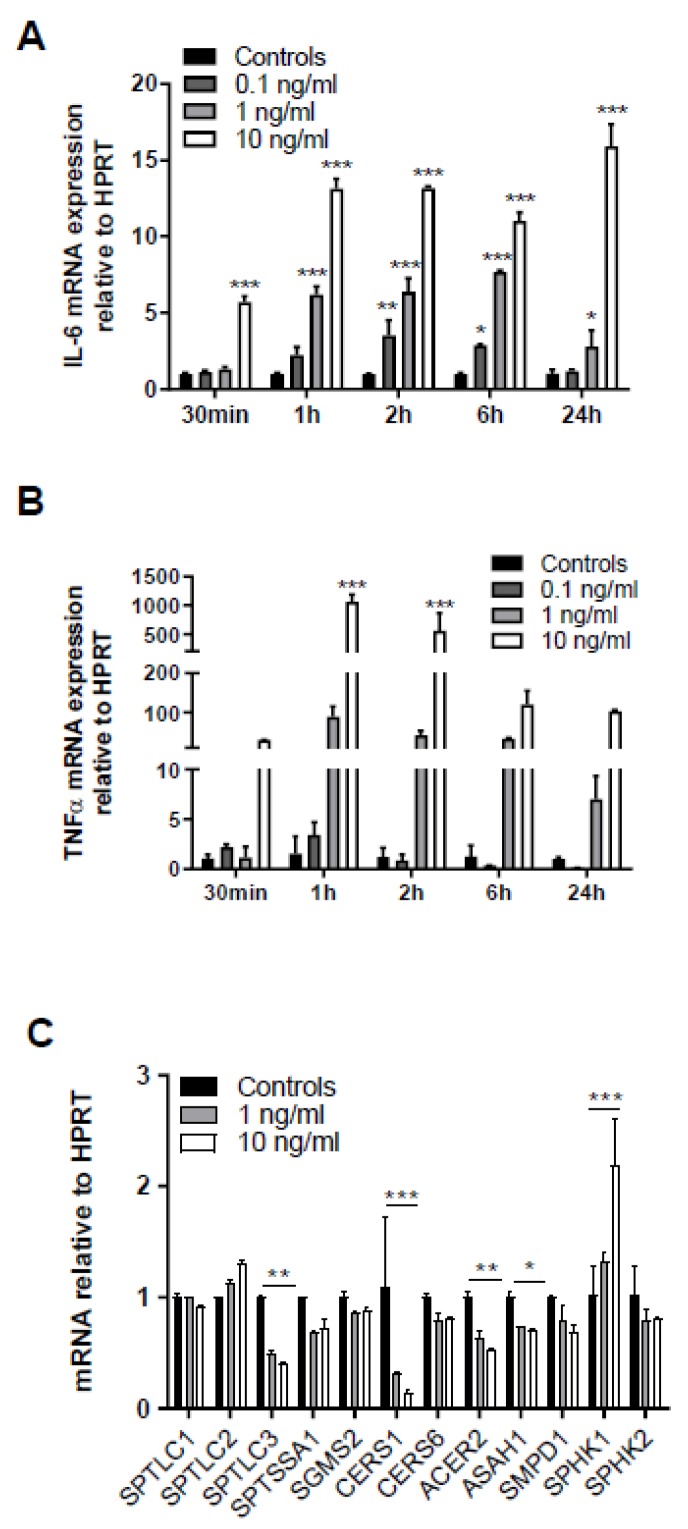
During inflammation, activated leukocytes release cytotoxic mediators that compromise blood-brain barrier (BBB) function. Under inflammatory conditions, myeloperoxidase (MPO) is critically involved in inflicting BBB damage. We used genetic and pharmacological approaches to investigate whether MPO induces aberrant lipid homeostasis at the BBB in a murine endotoxemia model. To corroborate findings in a human system we studied the impact of sera from sepsis and non-sepsis patients on brain endothelial cells (hCMEC/D3). In response to endotoxin, the fatty acid, ceramide, and sphingomyelin content of isolated mouse brain capillaries dropped and barrier dysfunction occurred. In mice, genetic deficiency or pharmacological inhibition of MPO abolished these alterations. Studies in metabolic cages revealed increased physical activity and less pronounced sickness behavior of MPO compared to wild-type mice in response to sepsis. In hCMEC/D3 cells, exogenous tumor necrosis factor α (TNFα) potently regulated gene expression of pro-inflammatory cytokines and a set of genes involved in sphingolipid (SL) homeostasis. Notably, treatment of hCMEC/D3 cells with sera from septic patients reduced cellular ceramide concentrations and induced barrier and mitochondrial dysfunction. In summary, our in vivo and in vitro data revealed that inflammatory mediators including MPO, TNFα induce dysfunctional SL homeostasis in brain endothelial cells. Genetic and pharmacological inhibition of MPO attenuated endotoxin-induced alterations in SL homeostasis in vivo, highlighting the potential role of MPO as drug target to treat inflammation-induced brain dysfunction.
在炎症期间,活化的白细胞释放细胞毒性介质,损害血脑屏障 (BBB) 的功能。在炎症条件下,髓过氧化物酶 (MPO) 严重参与了 BBB 损伤。我们使用遗传和药理学方法来研究 MPO 是否在小鼠内毒素血症模型中诱导 BBB 中异常的脂质稳态。为了在人类系统中证实这一发现,我们研究了脓毒症和非脓毒症患者的血清对脑内皮细胞 (hCMEC/D3) 的影响。在内毒素的作用下,分离的小鼠脑毛细血管中的脂肪酸、神经酰胺和鞘磷脂含量下降,屏障功能障碍。在小鼠中,MPO 的遗传缺陷或药理学抑制消除了这些改变。代谢笼研究表明,与野生型小鼠相比,MPO 对脓毒症的反应表现出更高的身体活动和更不明显的疾病行为。在 hCMEC/D3 细胞中,外源性肿瘤坏死因子 α (TNFα) 强烈调节促炎细胞因子和一组参与鞘脂 (SL) 稳态的基因的表达。值得注意的是,用脓毒症患者的血清处理 hCMEC/D3 细胞会降低细胞内神经酰胺浓度,并诱导屏障和线粒体功能障碍。总之,我们的体内和体外数据表明,包括 MPO 和 TNFα 在内的炎症介质诱导脑内皮细胞中功能失调的 SL 稳态。MPO 的遗传和药理学抑制减轻了内毒素诱导的 SL 稳态在体内的改变,突出了 MPO 作为治疗炎症诱导的脑功能障碍的药物靶点的潜在作用。