The Jackson Laboratory for Genomic Medicine, Farmington, Connecticut, USA.
The Jackson Laboratory for Genomic Medicine, Farmington, Connecticut, USA
mSphere. 2020 Feb 12;5(1):e00086-20. doi: 10.1128/mSphere.00086-20.
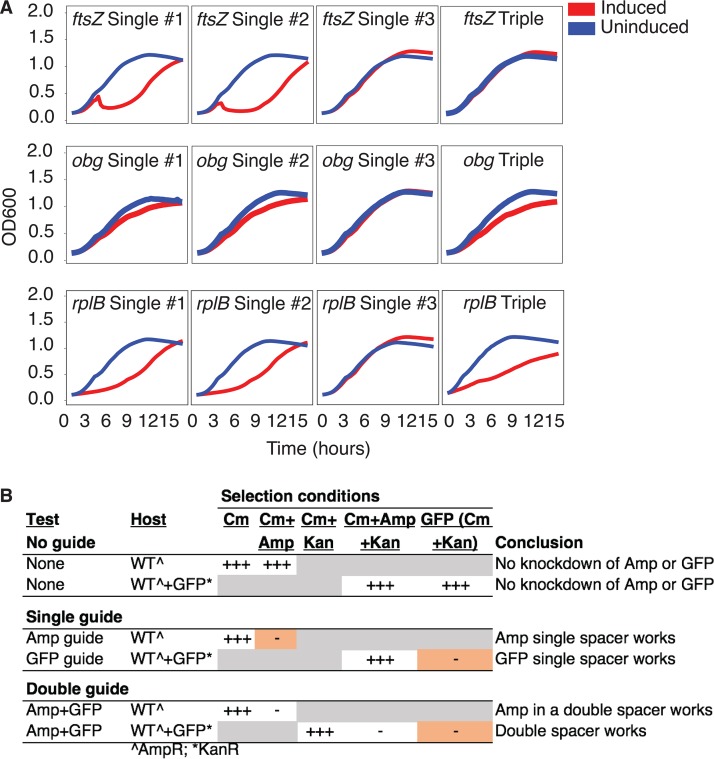
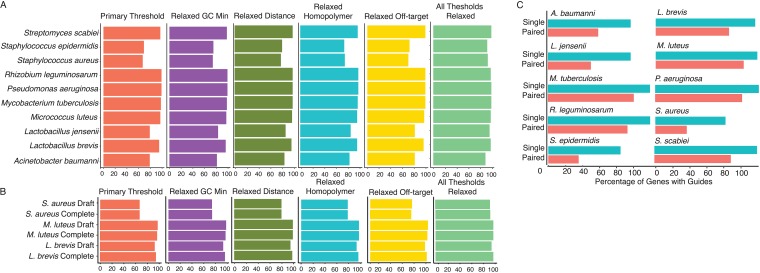
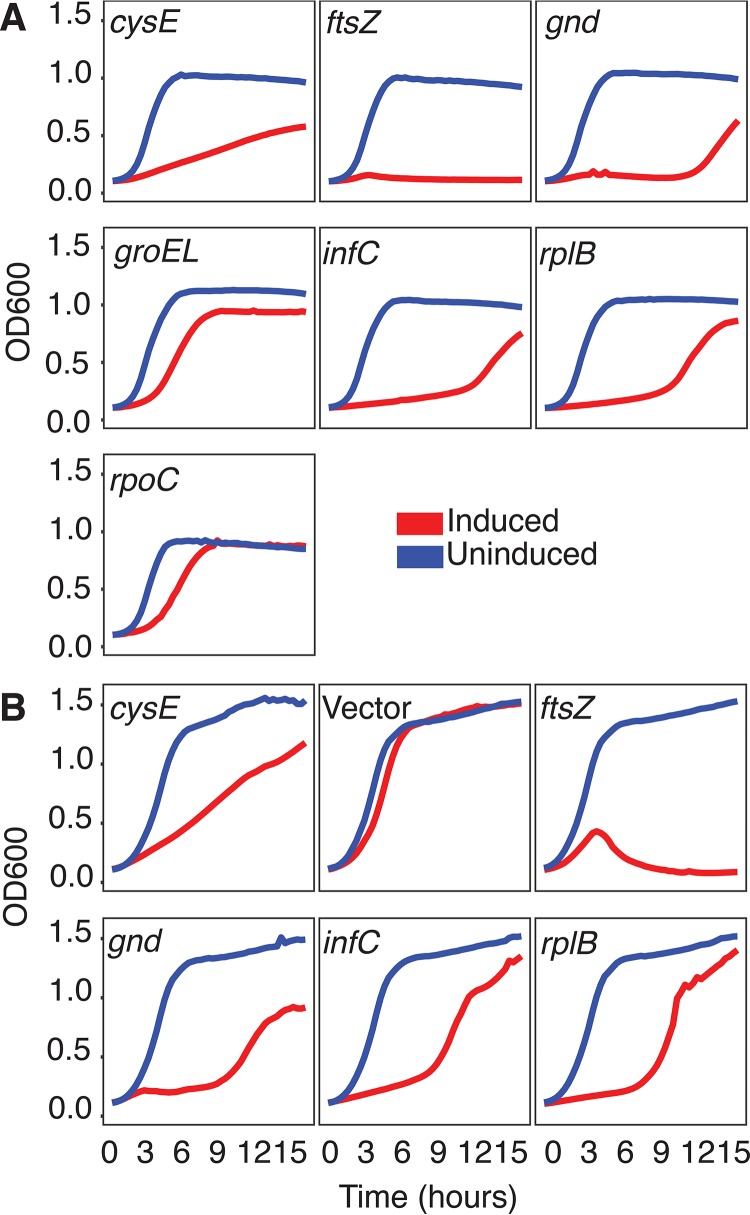
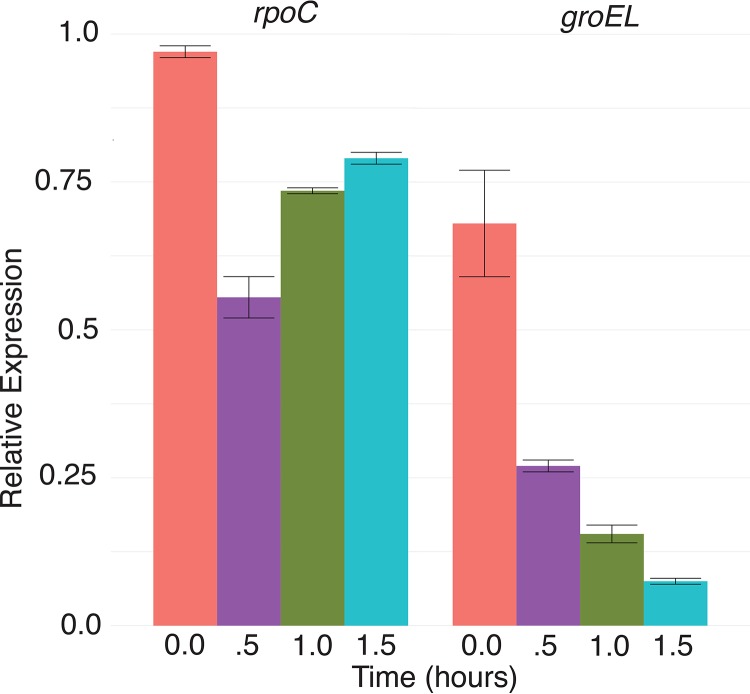
The CRISPR/Cas system has significant potential to facilitate gene editing in a variety of bacterial species. CRISPR interference (CRISPRi) and CRISPR activation (CRISPRa) represent modifications of the CRISPR/Cas9 system utilizing a catalytically inactive Cas9 protein for transcription repression and activation, respectively. While CRISPRi and CRISPRa have tremendous potential to systematically investigate gene function in bacteria, few programs are specifically tailored to identify guides in draft bacterial genomes genomewide. Furthermore, few programs offer open-source code with flexible design parameters for bacterial targeting. To address these limitations, we created GuideFinder, a customizable, user-friendly program that can design guides for any annotated bacterial genome. GuideFinder designs guides from NGG protospacer-adjacent motif (PAM) sites for any number of genes by the use of an annotated genome and FASTA file input by the user. Guides are filtered according to user-defined design parameters and removed if they contain any off-target matches. Iteration with lowered parameter thresholds allows the program to design guides for genes that did not produce guides with the more stringent parameters, one of several features unique to GuideFinder. GuideFinder can also identify paired guides for targeting multiplicity, whose validity we tested experimentally. GuideFinder has been tested on a variety of diverse bacterial genomes, finding guides for 95% of genes on average. Moreover, guides designed by the program are functionally useful-focusing on CRISPRi as a potential application-as demonstrated by essential gene knockdown in two staphylococcal species. Through the large-scale generation of guides, this open-access software will improve accessibility to CRISPR/Cas studies of a variety of bacterial species. With the explosion in our understanding of human and environmental microbial diversity, corresponding efforts to understand gene function in these organisms are strongly needed. CRISPR/Cas9 technology has revolutionized interrogation of gene function in a wide variety of model organisms. Efficient CRISPR guide design is required for systematic gene targeting. However, existing tools are not adapted for the broad needs of microbial targeting, which include extraordinary species and subspecies genetic diversity, the overwhelming majority of which is characterized by draft genomes. In addition, flexibility in guide design parameters is important to consider the wide range of factors that can affect guide efficacy, many of which can be species and strain specific. We designed GuideFinder, a customizable, user-friendly program that addresses the limitations of existing software and that can design guides for any annotated bacterial genome with numerous features that facilitate guide design in a wide variety of microorganisms.
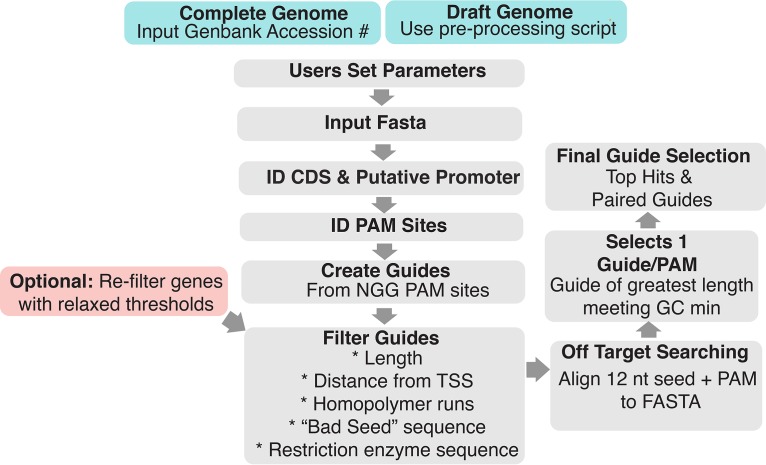
CRISPR/Cas 系统具有在多种细菌中促进基因编辑的巨大潜力。CRISPR 干扰 (CRISPRi) 和 CRISPR 激活 (CRISPRa) 分别代表利用无催化活性 Cas9 蛋白进行转录抑制和激活的 CRISPR/Cas9 系统的修饰。虽然 CRISPRi 和 CRISPRa 具有系统研究细菌中基因功能的巨大潜力,但很少有程序专门针对全基因组范围内鉴定细菌草案基因组中的向导。此外,很少有程序提供具有灵活设计参数的开源代码,用于细菌靶向。为了解决这些限制,我们创建了 GuideFinder,这是一个可定制的、用户友好的程序,可以为任何注释的细菌基因组设计向导。GuideFinder 使用用户提供的注释基因组和 FASTA 文件,从 NGG 原间隔基序 (PAM) 位点为任意数量的基因设计向导。根据用户定义的设计参数对向导进行过滤,如果向导包含任何脱靶匹配,则将其删除。降低参数阈值的迭代允许程序为使用更严格参数未生成向导的基因设计向导,这是 GuideFinder 的独特功能之一。GuideFinder 还可以识别用于靶向多重性的配对向导,我们已经通过实验验证了其有效性。GuideFinder 已经在各种不同的细菌基因组上进行了测试,平均可以为 95%的基因找到向导。此外,该程序设计的向导具有实用功能——作为潜在应用的 CRISPRi 为例——如在两种葡萄球菌物种中实现必需基因敲低。通过大规模生成向导,这个开放访问软件将提高对各种细菌的 CRISPR/Cas 研究的可及性。随着我们对人类和环境微生物多样性的理解的爆炸式增长,强烈需要相应的努力来了解这些生物体中的基因功能。CRISPR/Cas9 技术彻底改变了对广泛的模式生物中基因功能的研究。系统的基因靶向需要有效的 CRISPR 向导设计。然而,现有的工具并不适应微生物靶向的广泛需求,这包括非凡的物种和亚种遗传多样性,其中绝大多数是以草图基因组为特征。此外,在考虑影响向导功效的各种因素时,设计参数的灵活性很重要,其中许多因素可能是物种和菌株特异性的。我们设计了 GuideFinder,这是一个可定制的、用户友好的程序,可以解决现有软件的局限性,并可以为任何注释的细菌基因组设计向导,具有许多方便各种微生物向导设计的功能。