Department of Cardiology, Union Hospital, Tongji Medical College, Huazhong University of Science and Technology, Wuhan, Hubei, 430022, China; Department of Pharmacology and Systems Physiology, University of Cincinnati College of Medicine, Cincinnati, OH, 45267, USA; Clinical Center for Human Genomic Research, Union Hospital, Tongji Medical College, Huazhong University of Science and Technology, Wuhan, Hubei, 430022, China.
Department of Pharmacology and Systems Physiology, University of Cincinnati College of Medicine, Cincinnati, OH, 45267, USA.
Redox Biol. 2020 May;32:101453. doi: 10.1016/j.redox.2020.101453. Epub 2020 Feb 6.
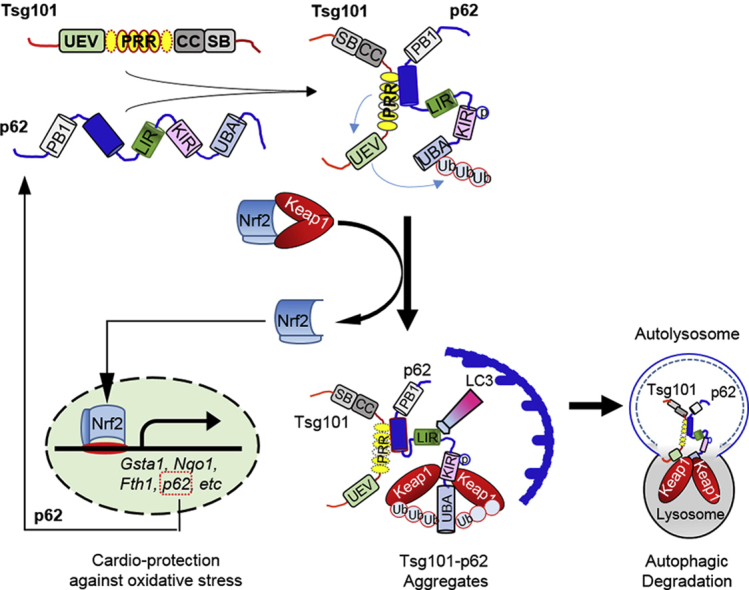
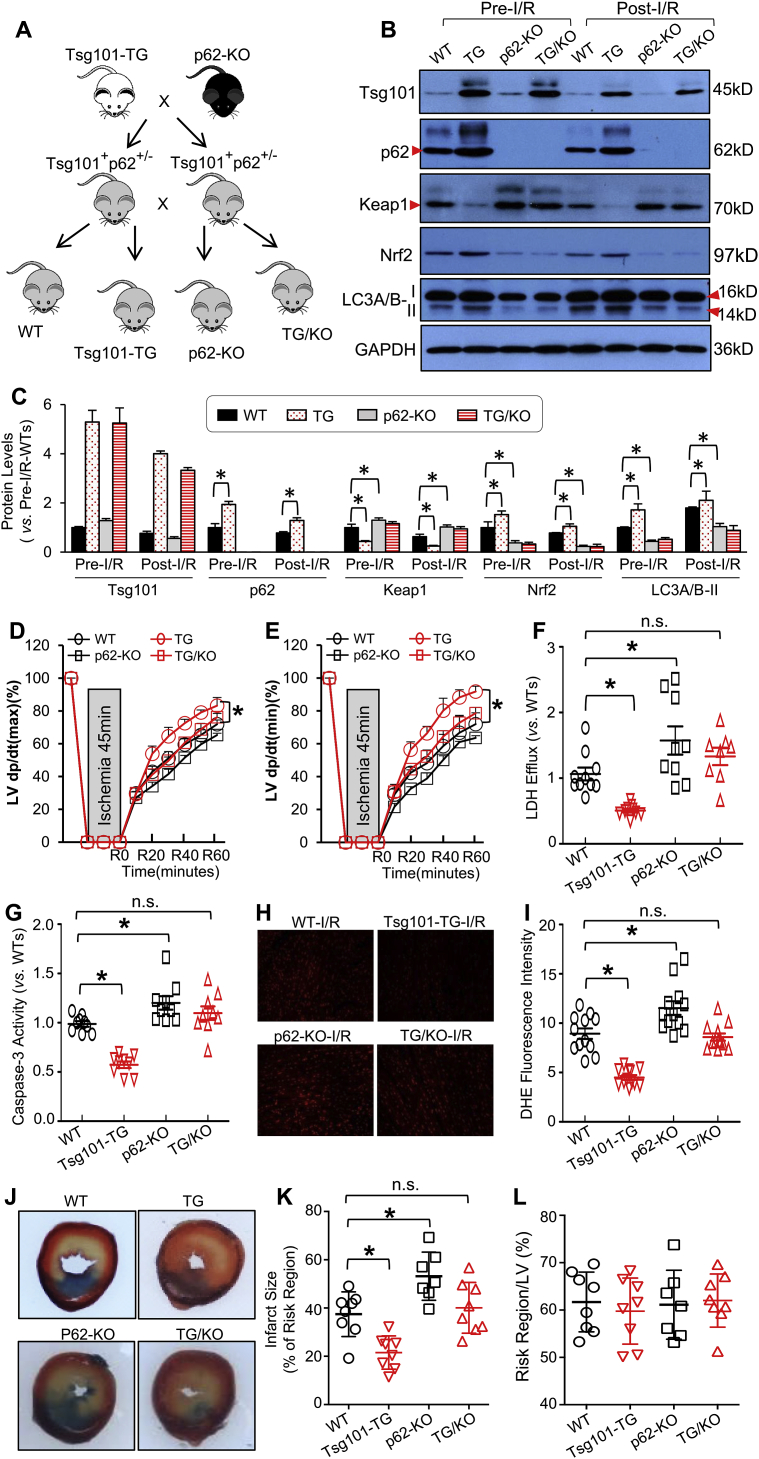
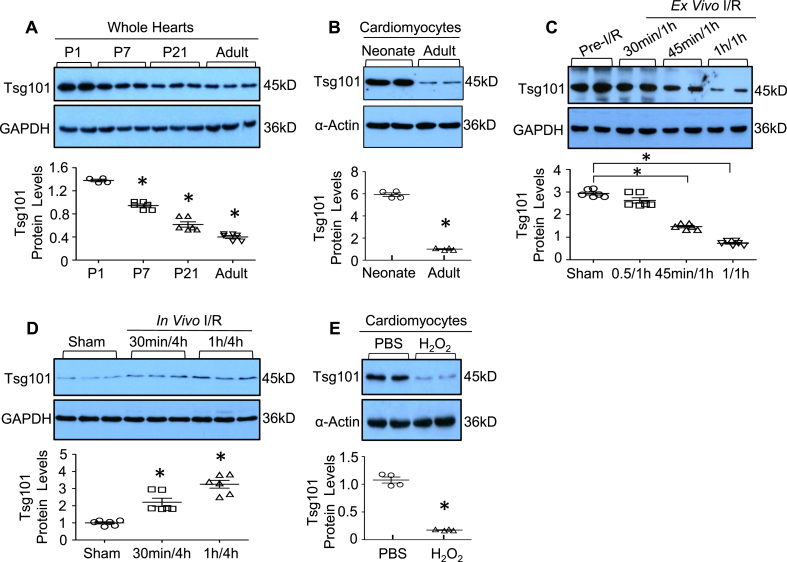
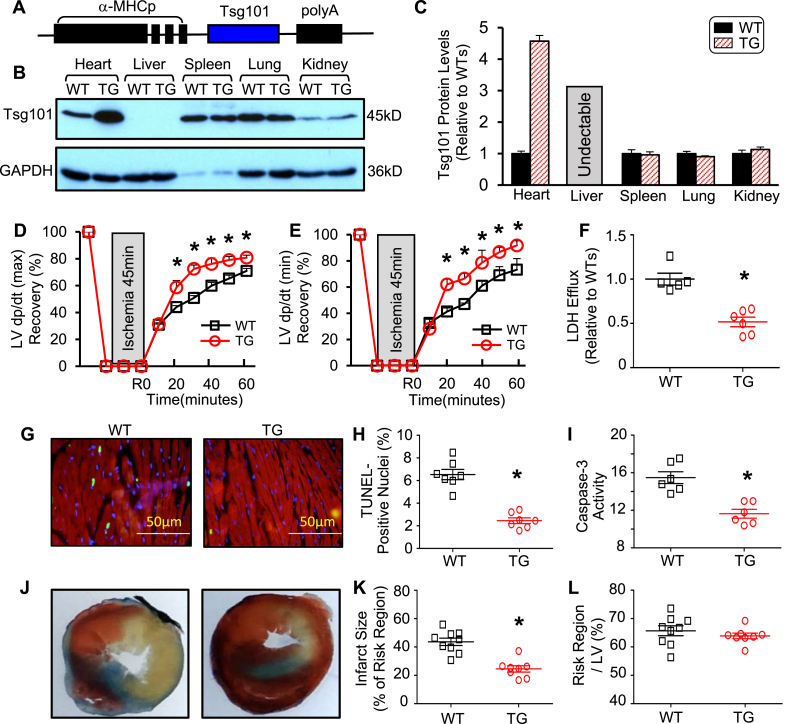
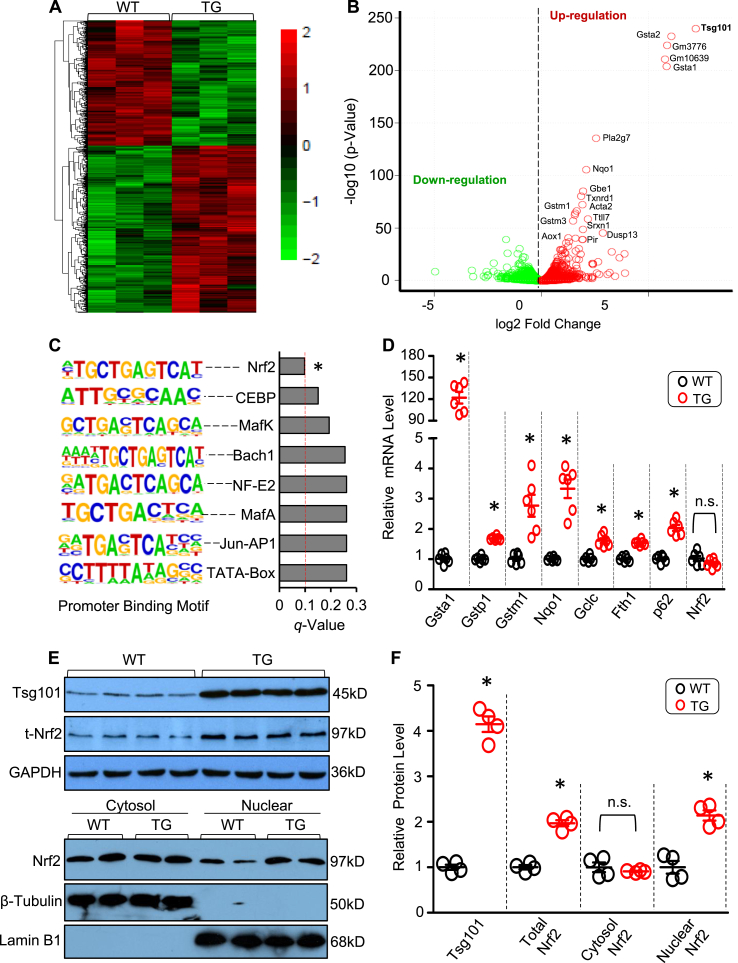
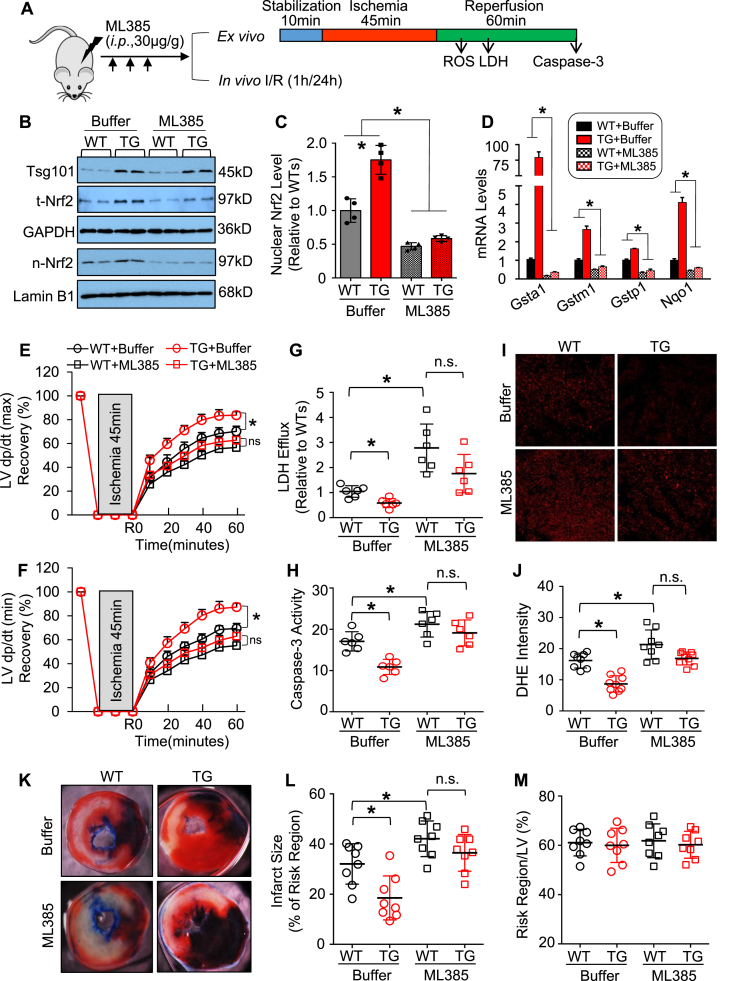
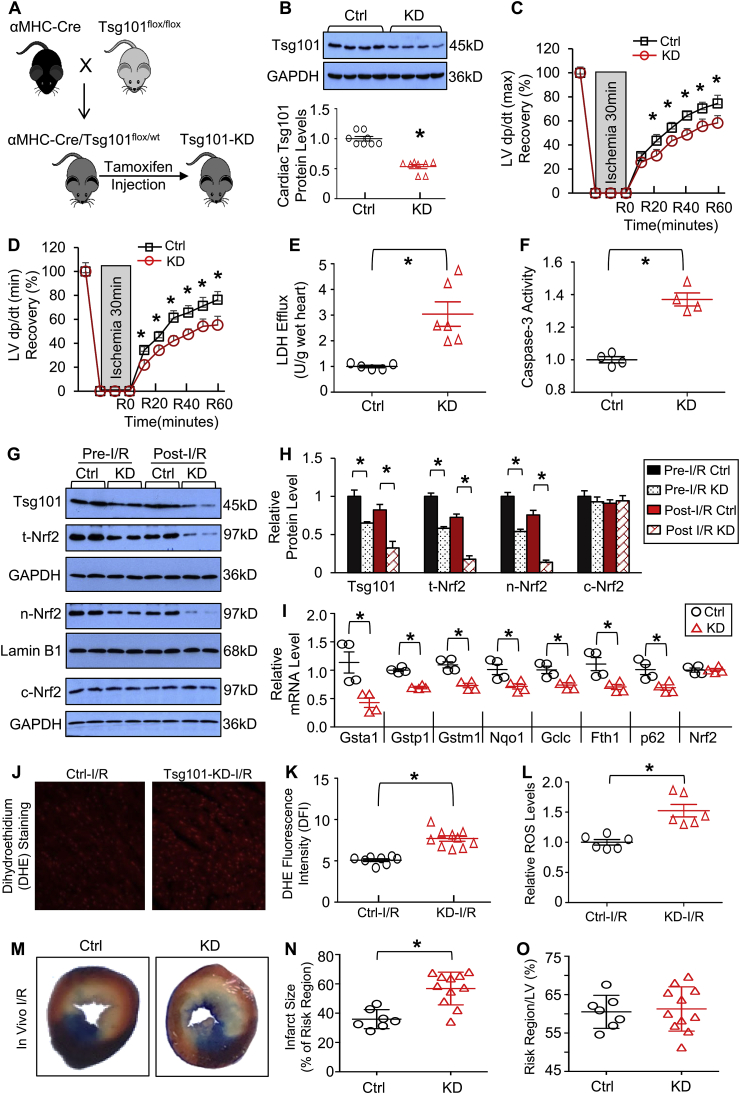
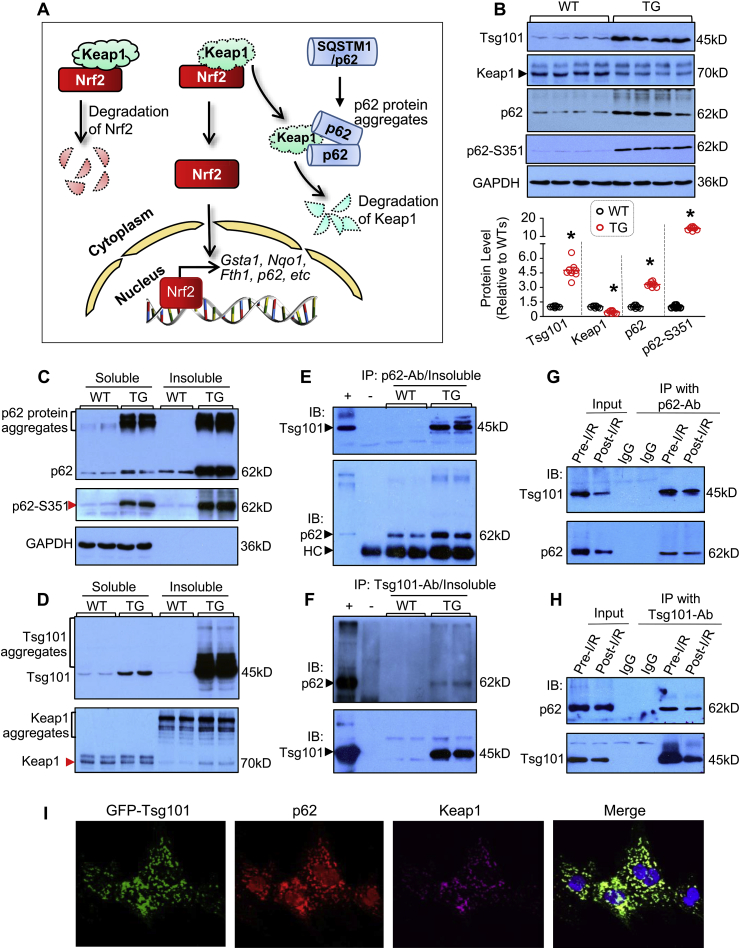
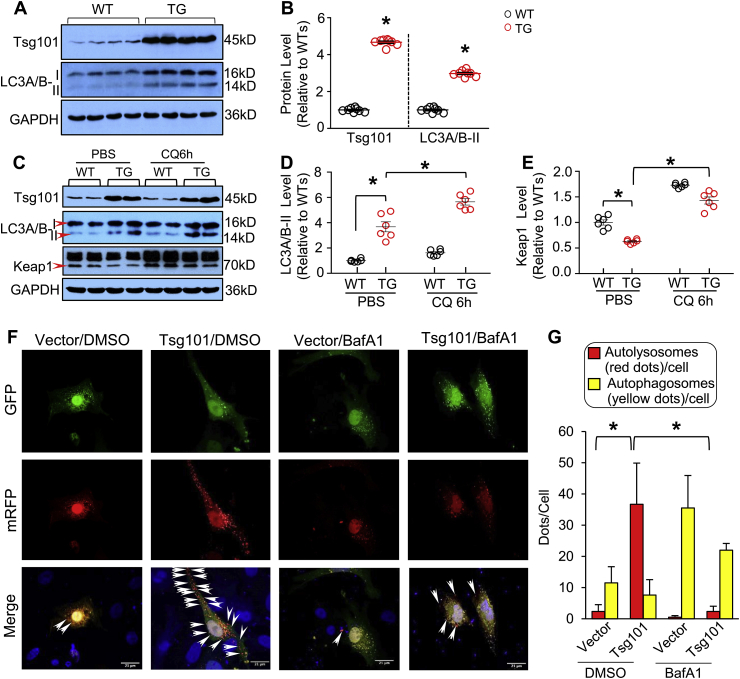
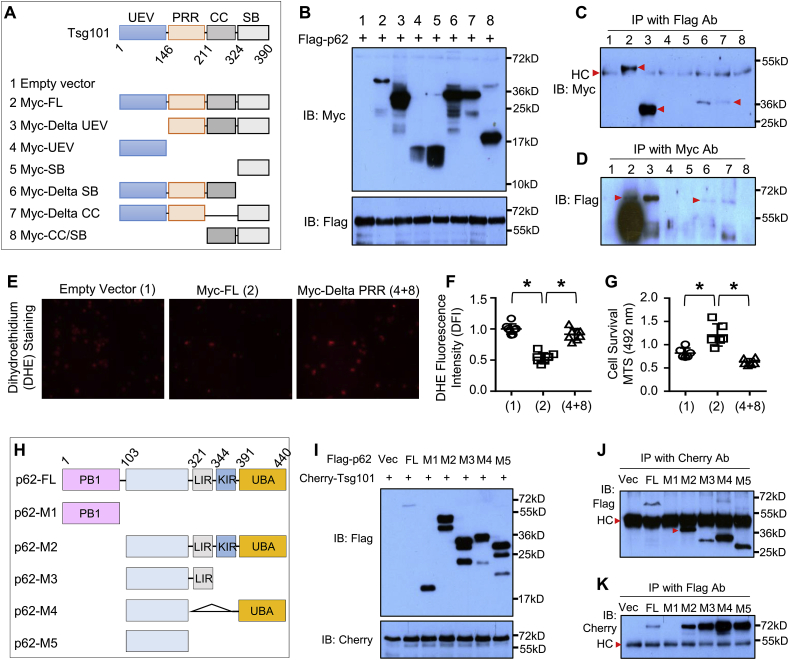
Currently, most antioxidants do not show any favorable clinical outcomes in reducing myocardial ischemia-reperfusion (I/R) injury, suggesting an urgent need for exploring a new regulator of redox homeostasis in I/R hearts. Here, using heart-specific transgenic (TG) and knockdown (KD) mouse models, tumor susceptibility gene 101 (Tsg101) is defined as a novel cardiac-protector against I/R-triggered oxidative stress. RNA sequencing and bioinformatics data surprisingly reveal that most upregulated genes in Tsg101-TG hearts are transcribed by Nrf2. Accordingly, pharmacological inhibition of Nrf2 offsets Tsg101-elicited cardio-protection. Mechanistically, Tsg101 interacts with SQSTM1/p62 through its PRR domain, and promotes p62 aggregation, leading to recruitment of Keap1 for degradation by autophagosomes and release of Nrf2 to the nucleus. Furthermore, knockout of p62 abrogates Tsg101-induced cardio-protective effects during I/R. Hence, our findings uncover a previously unrecognized role of Tsg101 in the regulation of p62/Keap1/Nrf2 signaling cascades and provide a new strategy for the treatment of ischemic heart disease.
目前,大多数抗氧化剂在减少心肌缺血再灌注(I/R)损伤方面并未显示出任何有利的临床结果,这表明迫切需要探索一种新的 I/R 心脏中氧化还原平衡调节剂。在这里,我们使用心脏特异性转基因(TG)和敲低(KD)小鼠模型,鉴定肿瘤易感性基因 101(Tsg101)为一种针对 I/R 触发的氧化应激的新型心脏保护蛋白。RNA 测序和生物信息学数据令人惊讶地显示,Tsg101-TG 心脏中大多数上调的基因是由 Nrf2 转录的。相应地,Nrf2 的药理学抑制会抵消 Tsg101 诱导的心脏保护作用。在机制上,Tsg101 通过其 PRR 结构域与 SQSTM1/p62 相互作用,并促进 p62 聚集,导致 Keap1 被自噬体募集降解,Nrf2 释放到核内。此外,p62 的敲除会消除 Tsg101 在 I/R 期间诱导的心脏保护作用。因此,我们的研究结果揭示了 Tsg101 在调节 p62/Keap1/Nrf2 信号级联中的先前未被认识的作用,并为治疗缺血性心脏病提供了一种新策略。