Chikhaoui Asma, Zayoud Kouloud, Kraoua Ichraf, Bouchoucha Sami, Tebourbi Anis, Turki Ilhem, Yacoub-Youssef Houda
Laboratory of Biomedical Genomics and Oncogenetics, LR16IPT05, Institut Pasteur de Tunis, Université Tunis El Manar, El Manar I, Tunis 1002, Tunisia.
Department of Neuropediatrics, National Institute of Neurology Mongi Ben Hamida, Tunis 2092, Tunisia.
Aging (Albany NY). 2024 Nov 26;16(21):13271-13287. doi: 10.18632/aging.206160.
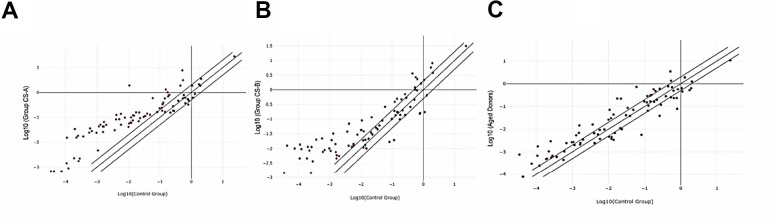
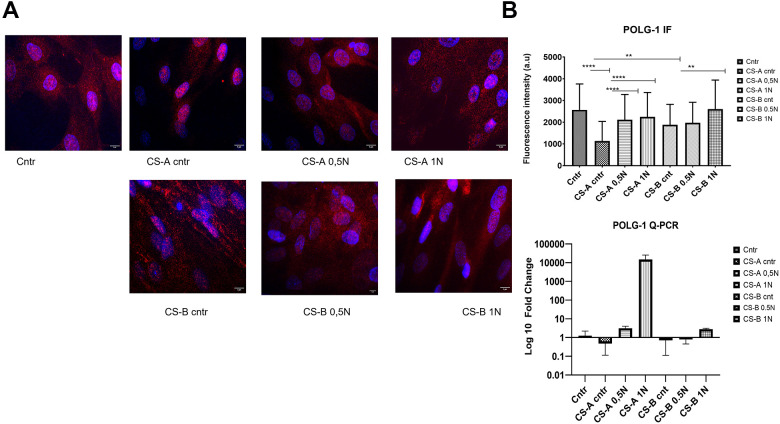
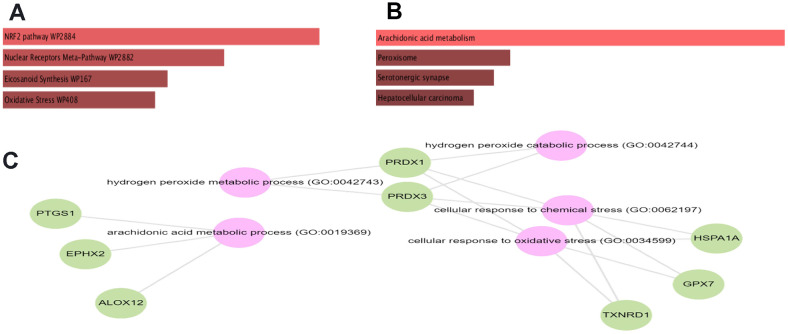
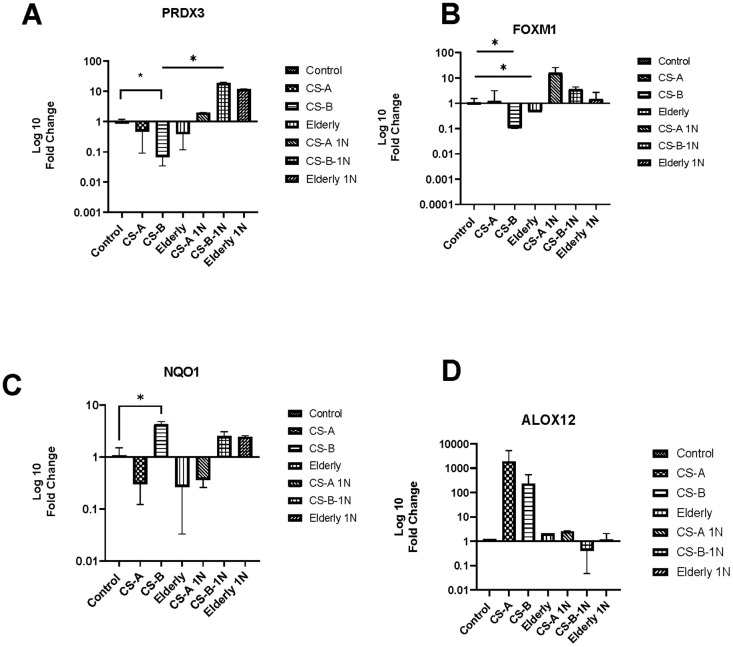
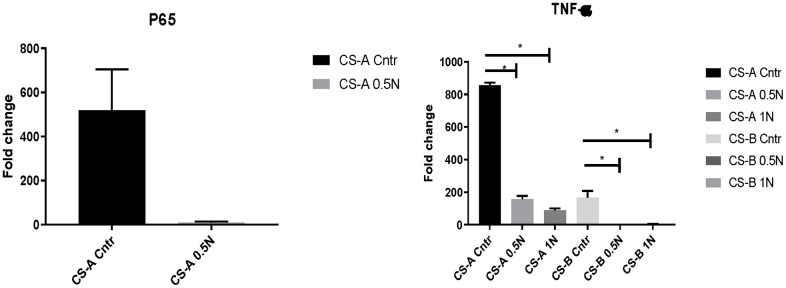
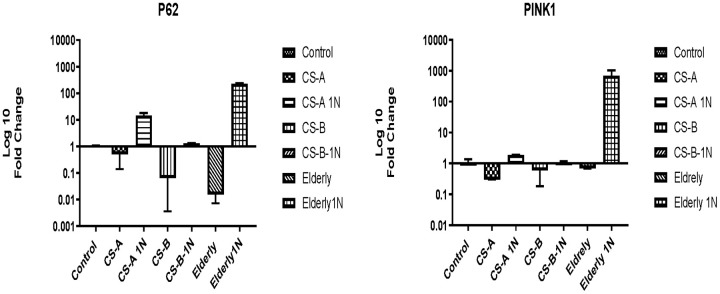
Cockayne syndrome (CS) is a segmental progeroid syndrome characterized by defects in the DNA excision repair pathway, predisposing to neurodegenerative manifestations. It is a rare genetic disorder and an interesting model for studying premature aging. Oxidative stress and autophagy play an important role in the aging process. The study of these two processes in a model of accelerated aging and the means to counteract them would lead to the identification of relevant biomarkers with therapeutic value for healthy aging. Here we investigated the gene expression profiles of several oxidative stress-related transcripts derived from CS-affected individuals and healthy elderly donors. We also explored the effect of nicotinamide supplementation on several genes related to inflammation and autophagy. Gene expression analysis revealed alterations in two main pathways. This involves the activation of arachidonic acid metabolism and the repression of the NRF2 pathway in affected individuals with CS. The supplementation with nicotinamide adjusted these abnormalities by enhancing autophagy and decreasing inflammation. Furthermore, CSA/CSB-dependent depletion of the mitochondrial DNA polymerase-γ catalytic subunit (POLG1) was restored following nicotinamide supplementation in CS-affected individuals' fibroblasts. This study reveals the link between oxidative stress and accelerated aging in affected individuals with CS and highlights new biomarkers of cellular senescence. However, further analyses are needed to confirm these results, which could not be carried out, mainly due to the unavailability of crucial samples of this rare disease.
科凯恩综合征(CS)是一种节段性早老综合征,其特征是DNA切除修复途径存在缺陷,易引发神经退行性表现。它是一种罕见的遗传疾病,也是研究早衰的一个有趣模型。氧化应激和自噬在衰老过程中起重要作用。在加速衰老模型中研究这两个过程以及对抗它们的方法,将有助于识别对健康衰老具有治疗价值的相关生物标志物。在此,我们研究了来自CS患者和健康老年供体的几种氧化应激相关转录本的基因表达谱。我们还探讨了烟酰胺补充对几种与炎症和自噬相关基因的影响。基因表达分析揭示了两个主要途径的改变。这包括在受CS影响的个体中花生四烯酸代谢的激活和NRF2途径的抑制。烟酰胺补充通过增强自噬和减轻炎症来调节这些异常。此外,在CS患者成纤维细胞中补充烟酰胺后,线粒体DNA聚合酶γ催化亚基(POLG1)的CSA/CSB依赖性消耗得到恢复。这项研究揭示了CS患者氧化应激与加速衰老之间的联系,并突出了细胞衰老的新生物标志物。然而,需要进一步分析来证实这些结果,主要由于这种罕见疾病关键样本的不可获得,目前无法进行这些分析。