The Neuromodulation Program, Department of Neurology, Boston Children's Hospital, Harvard Medical School, Boston, Massachusetts.
Department of Neurosurgery, Boston Children's Hospital, Harvard Medical School, Boston, Massachusetts.
Ann Clin Transl Neurol. 2020 Mar;7(3):384-389. doi: 10.1002/acn3.50981. Epub 2020 Feb 15.
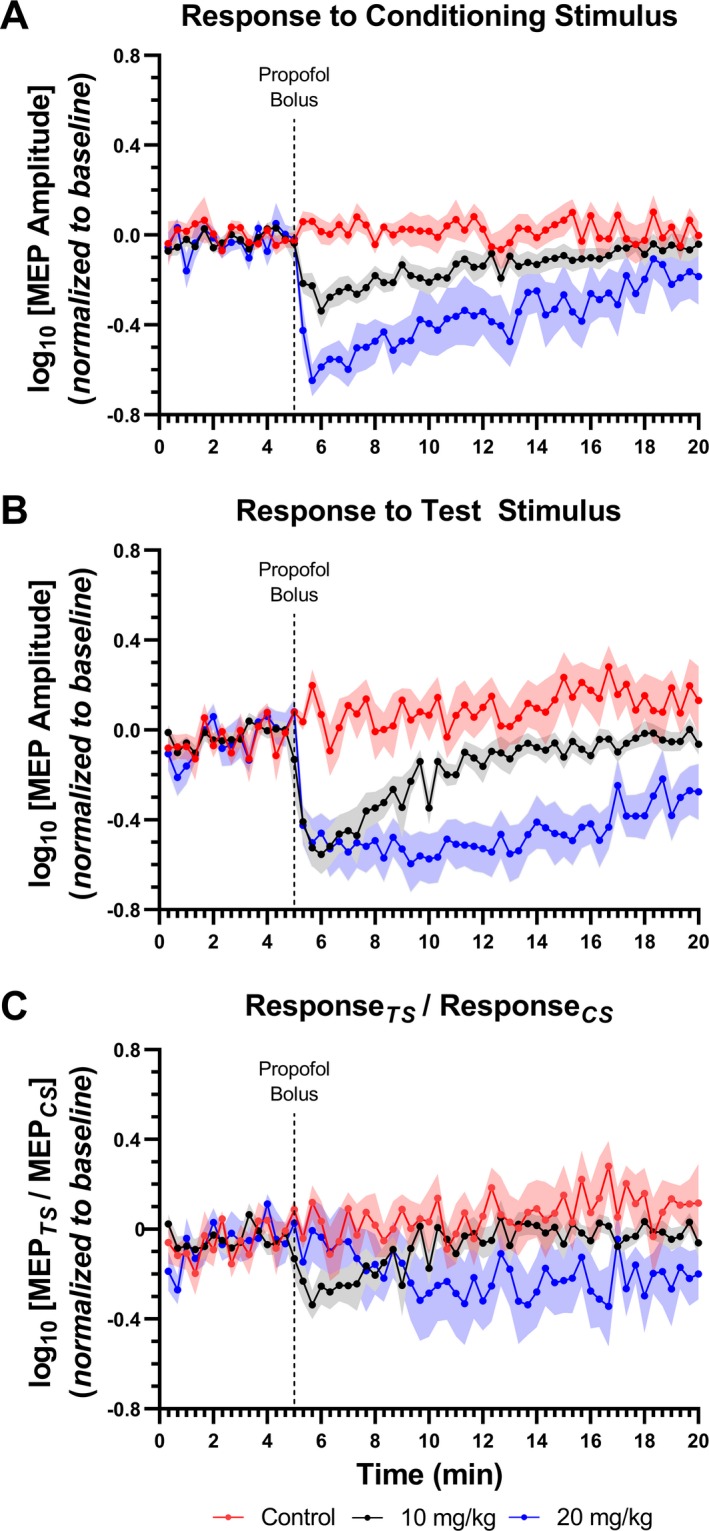
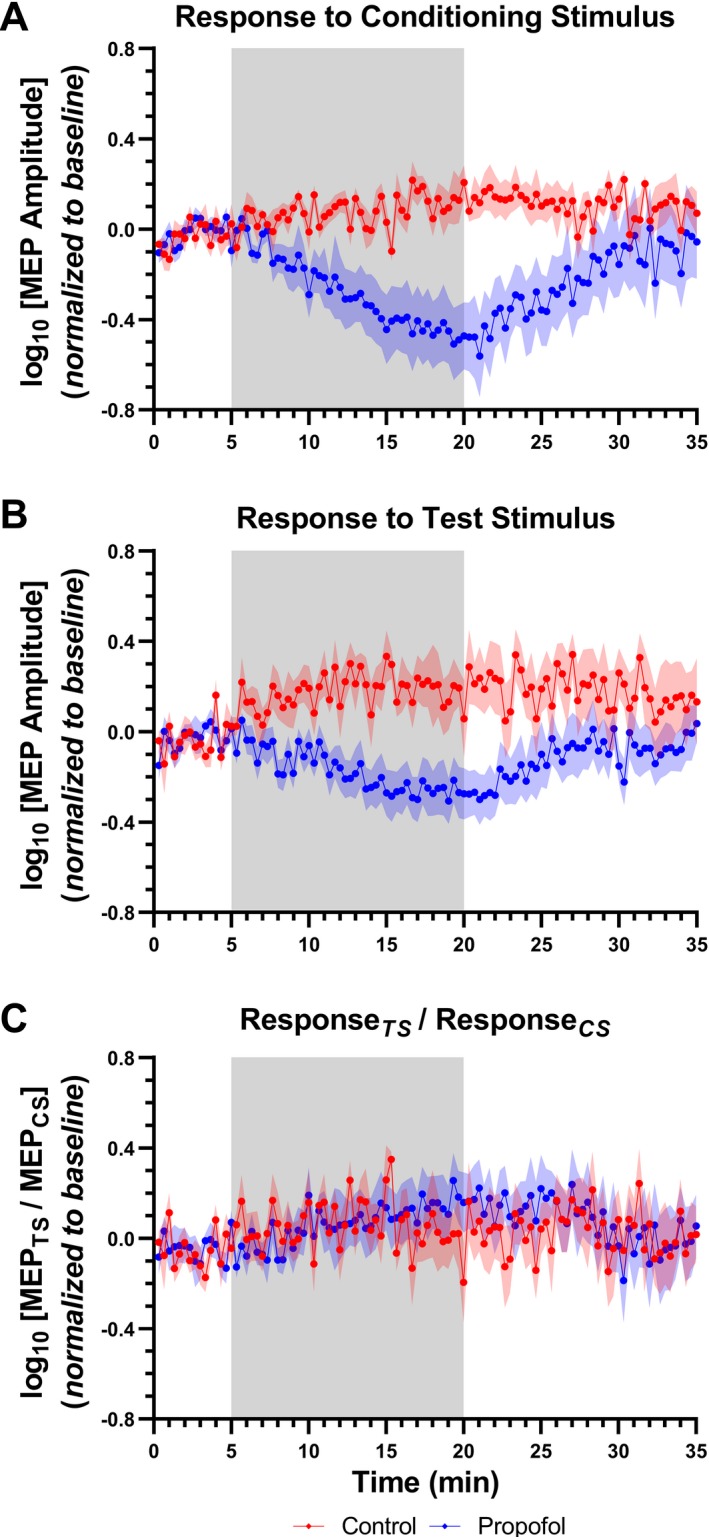
Automated anesthesia systems that continuously monitor cortical excitability (CE) changes to govern drug infusion rates, are desirable. Paired-pulse transcranial magnetic stimulation (ppTMS), with electromyography (EMG), provides noninvasive CE measures. We tested whether, and with what temporal resolution, ppTMS-EMG detects dose-dependent CE in rats anesthetized with continuous intravenous propofol. Motor-evoked potentials (MEPs) were recorded every 20 seconds as either propofol bolus or change in infusion rate was applied. ppTMS-derived measures varied in direct proportion to propofol dose with subminute temporal resolution. We conclude that ppTMS-EMG enables real-time markers of target engagement by anesthetics that may be incorporated into an automated device.
自动化麻醉系统能够持续监测皮质兴奋性 (CE) 的变化,从而控制药物输注速率,这是非常理想的。采用肌电图 (EMG) 的成对脉冲经颅磁刺激 (ppTMS) 可提供非侵入性的 CE 测量方法。我们测试了 ppTMS-EMG 是否以及以何种时间分辨率可以检测到连续静脉输注异丙酚麻醉的大鼠中剂量依赖性的 CE。每隔 20 秒记录一次运动诱发电位 (MEP),此时异丙酚推注或输注速率发生变化。ppTMS 衍生的测量值与异丙酚剂量成正比,具有亚分钟的时间分辨率。我们得出结论,ppTMS-EMG 可实现实时标记麻醉药物的靶标结合,这可能被整合到自动化设备中。