Department of Neuropsychopharmacology and Hospital Pharmacy, Nagoya University, Graduate School of Medicine, Nagoya, Japan.
Brain and Mind Research Center, Nagoya University, Nagoya, Japan.
Psychiatry Clin Neurosci. 2020 May;74(5):318-327. doi: 10.1111/pcn.12993. Epub 2020 Mar 5.
A Japanese individual with schizophrenia harboring a novel exonic deletion in RELN was recently identified by genome-wide copy-number variation analysis. Thus, the present study aimed to generate and analyze a model mouse to clarify whether Reln deficiency is associated with the pathogenesis of schizophrenia.
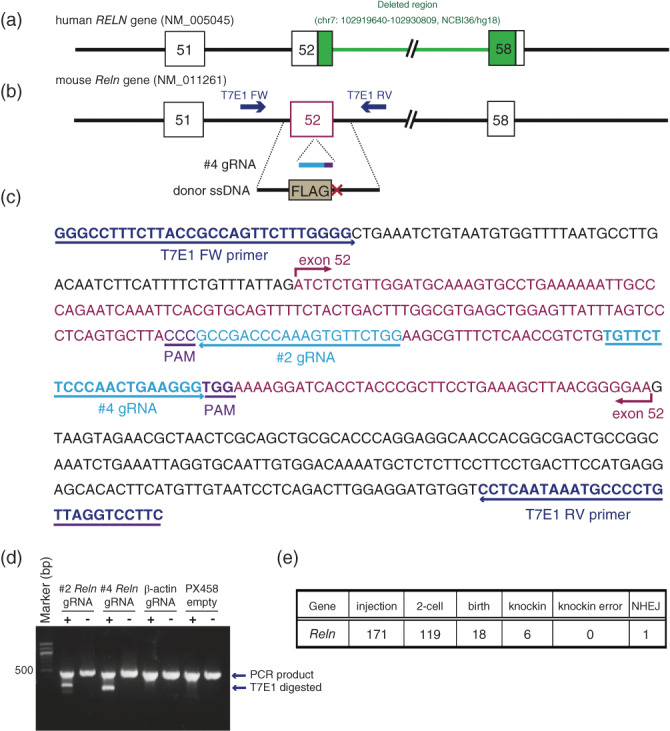
A mouse line with a novel RELN exonic deletion (Reln-del) was established using the CRISPR/Cas9 method to elucidate the underlying molecular mechanism. Subsequently, general behavioral tests and histopathological examinations of the model mice were conducted and phenotypic analysis of the cerebellar granule cell migration was performed.
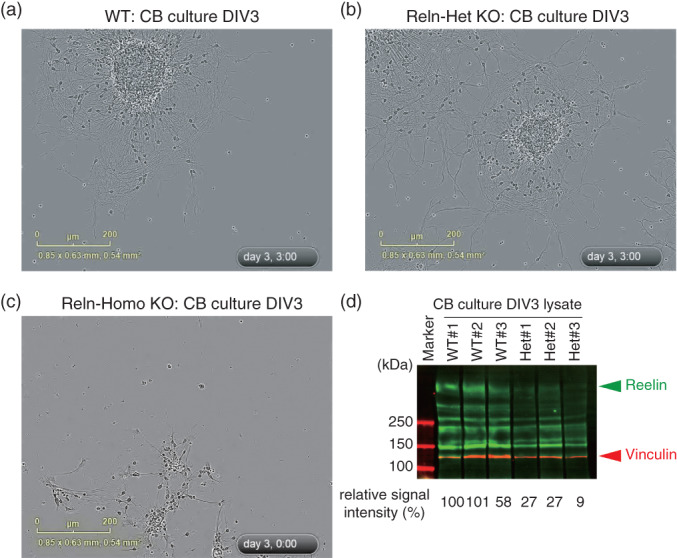
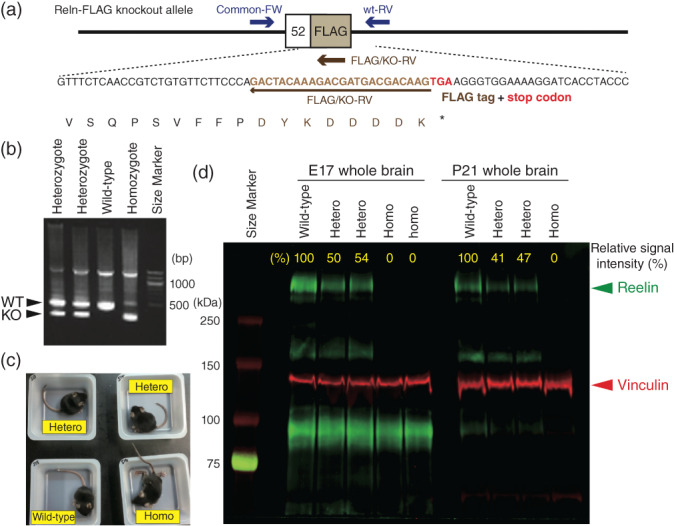
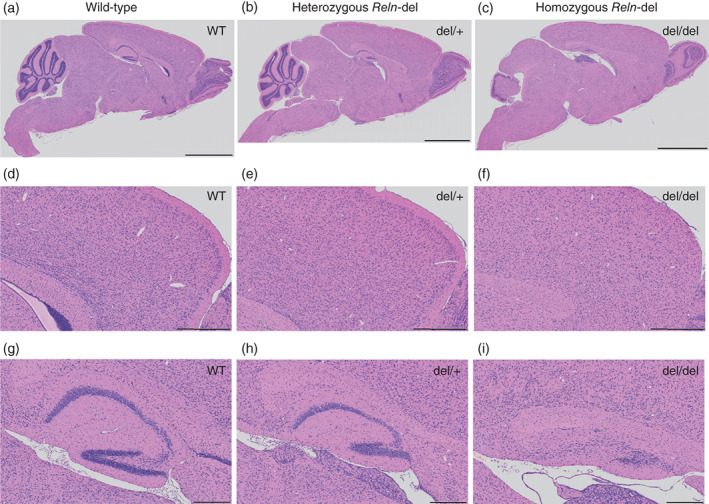
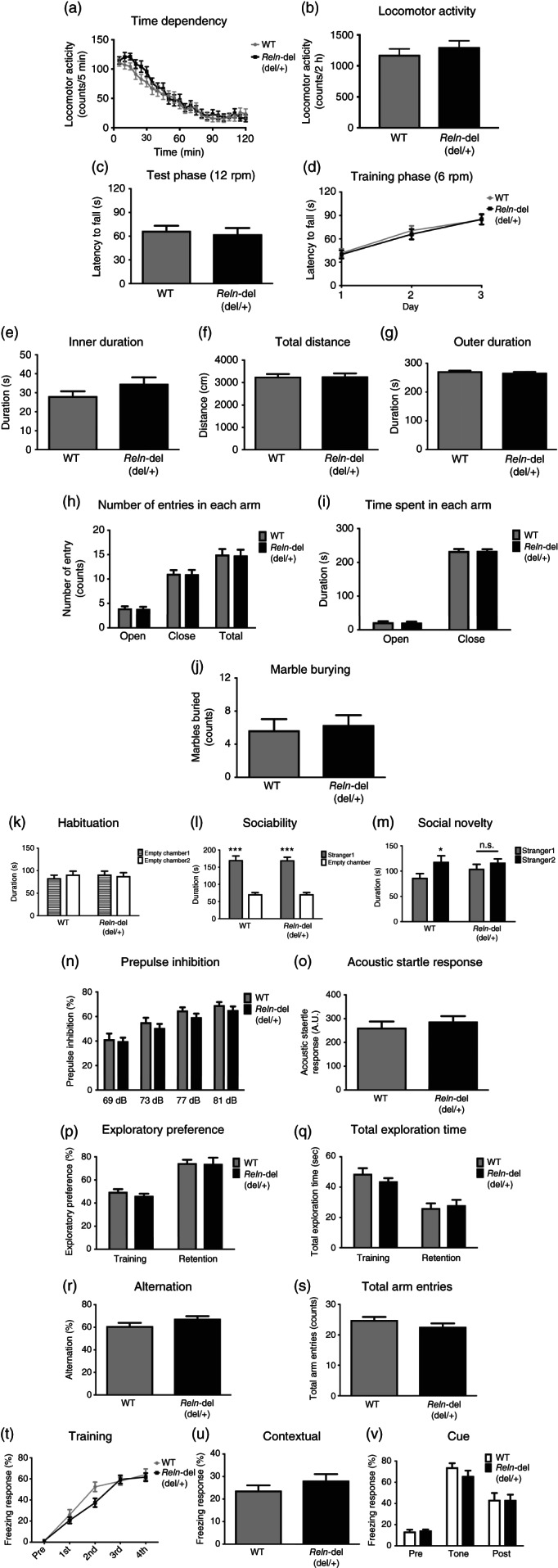
The phenotype of homozygous Reln-del mice was similar to that of reeler mice with cerebellar atrophy, dysplasia of the cerebral layers, and abrogated protein levels of cerebral reelin. The expression of reelin in heterozygous Reln-del mice was approximately half of that in wild-type mice. Conversely, behavioral analyses in heterozygous Reln-del mice without cerebellar atrophy or dysplasia showed abnormal social novelty in the three-chamber social interaction test. In vitro reaggregation formation and neuronal migration were severely altered in the cerebellar cultures of homozygous Reln-del mice.
The present results in novel Reln-del mice modeled after our patient with a novel exonic deletion in RELN are expected to contribute to the development of reelin-based therapies for schizophrenia.
最近通过全基因组拷贝数变异分析,在一名患有精神分裂症的日本个体中发现了 RELN 的新型外显子缺失。因此,本研究旨在构建并分析一个模型小鼠,以阐明 Reln 缺失是否与精神分裂症的发病机制有关。
使用 CRISPR/Cas9 方法建立了一种具有新型 RELN 外显子缺失(Reln-del)的小鼠系,以阐明潜在的分子机制。随后,对模型小鼠进行了一般行为测试和组织病理学检查,并对小脑颗粒细胞迁移进行了表型分析。
纯合 Reln-del 小鼠的表型与小脑萎缩、大脑皮层发育不良和脑 reelin 蛋白水平缺失的 reeler 小鼠相似。杂合 Reln-del 小鼠的 reelin 表达约为野生型小鼠的一半。相反,无小脑萎缩或发育不良的杂合 Reln-del 小鼠的行为分析显示,在三箱社交互动测试中存在异常的社交新颖性。在纯合 Reln-del 小鼠的小脑培养物中,体外再聚集形成和神经元迁移严重改变。
本研究中新型 Reln-del 小鼠是基于我们的 RELN 新型外显子缺失患者模型构建的,有望为基于 reelin 的精神分裂症治疗方法的发展做出贡献。