Chandrasekaran Balaji, Dahiya Nisha R, Tyagi Ashish, Kolluru Venkatesh, Saran Uttara, Baby Becca V, States J Christopher, Haddad Ahmed Q, Ankem Murali K, Damodaran Chendil
Department of Urology, University of Louisville, Louisville, KY, USA.
Pharmacology and Toxicology, University of Louisville, Louisville, KY, USA.
Oncogenesis. 2020 Feb 17;9(2):23. doi: 10.1038/s41389-020-0202-7.
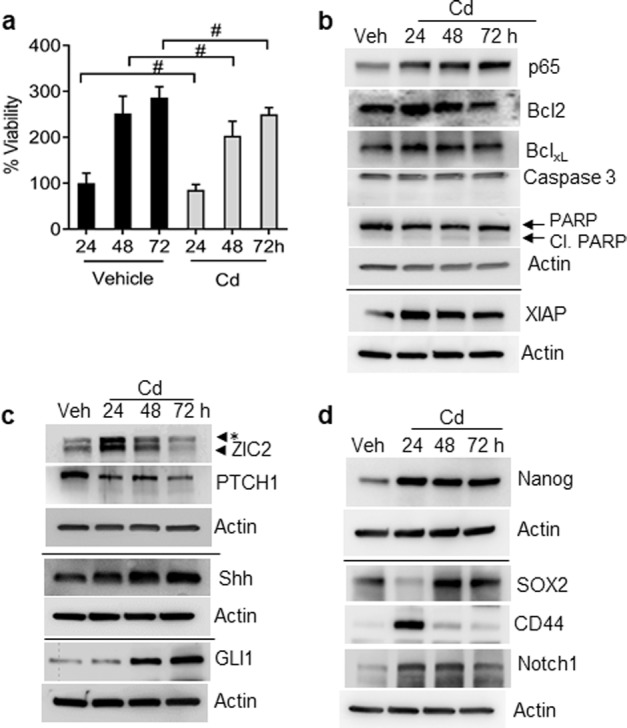
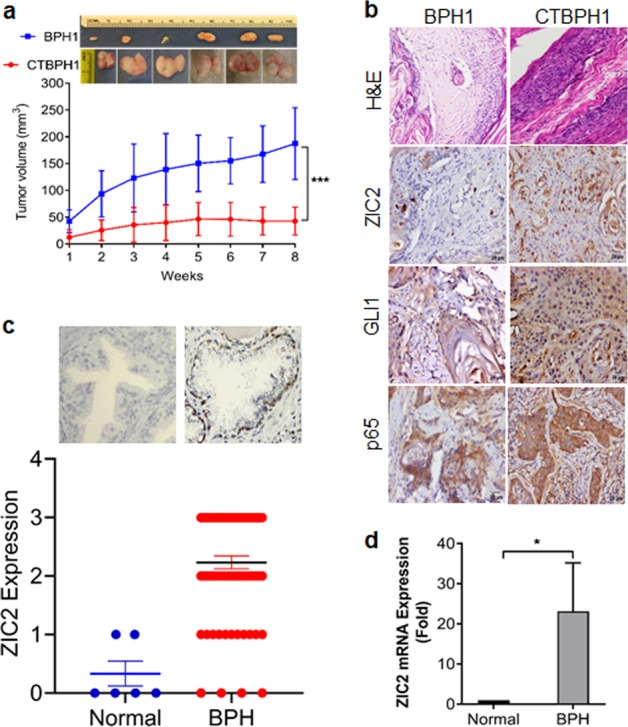
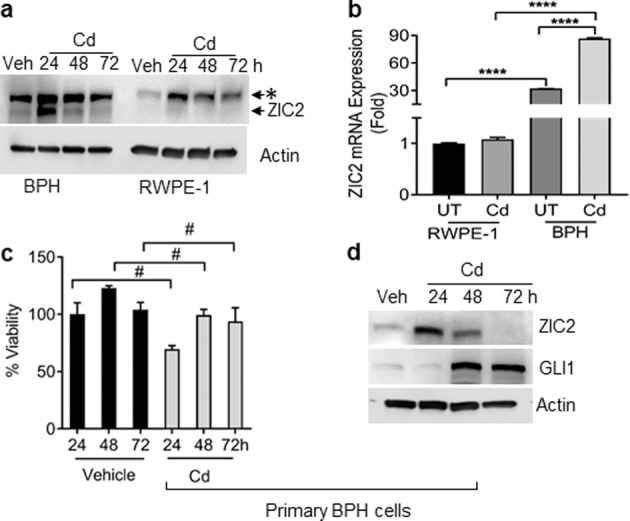
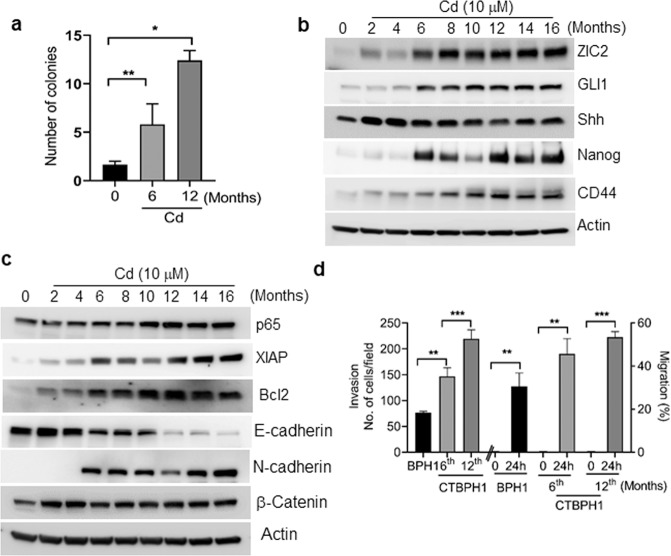
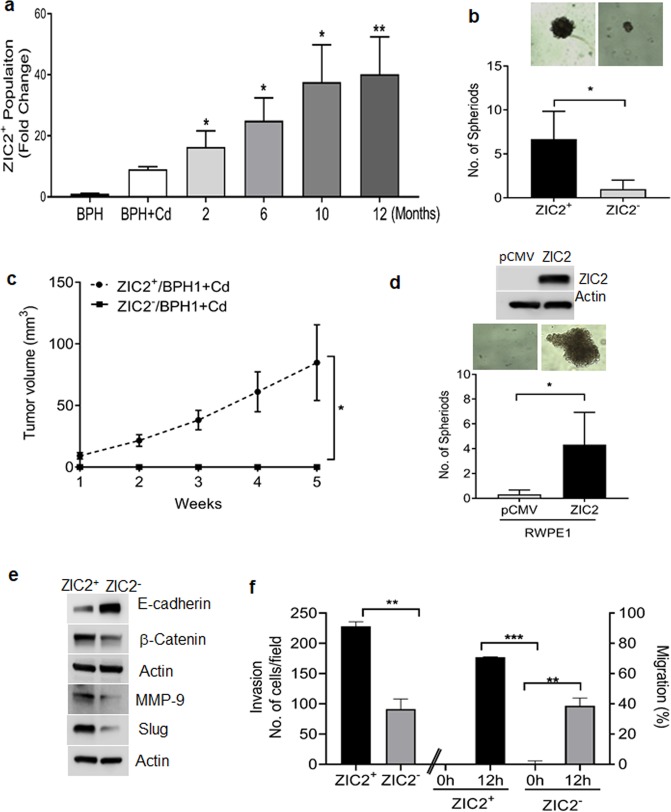
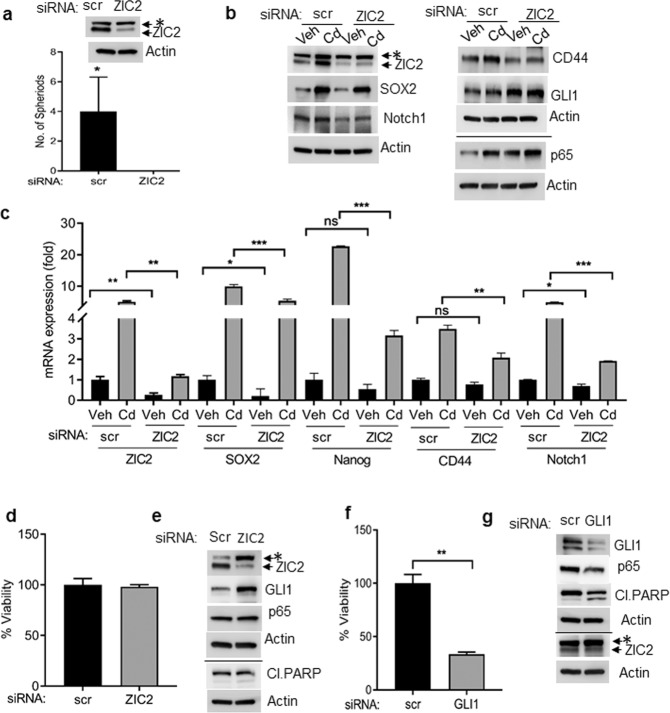
Epidemiological evidence suggests that cadmium (Cd) is one of the causative factors of prostate cancer, but the effect of Cd on benign prostatic hyperplasia (BPH) remains unclear. This study aimed to determine whether Cd exposure could malignantly transform BPH1 cells and, if so, to dissect the mechanism of action. We deciphered the molecular signaling responsible for BPH1 transformation via RNA-sequencing and determined that Cd induced the expression of zinc finger of the cerebellum 2 (ZIC2) in BPH1 cells. We noted Cd exposure increased ZIC2 expression in the Cd-transformed BPH1 cells that in turn promoted anchorage-independent spheroids and increased expression of stem cell drivers, indicating their role in stem cell renewal. Subsequent silencing of ZIC2 expression in transformed cells inhibited spheroid formation, stem cell marker expression, and tumor growth in nude mice. At the molecular level, ZIC2 interacts with the glioma-associated oncogene family (GLI) zinc finger 1 (GLI1), which activates prosurvival factors (nuclear factor NFκB, B-cell lymphoma-2 (Bcl2), as well as an X-linked inhibitor of apoptosis protein (XIAP)) signaling in Cd-exposed BPH1 cells. Conversely, overexpression of ZIC2 in BPH1 cells caused spheroid formation confirming the oncogenic function of ZIC2. ZIC2 activation and GLI1 signaling induction by Cd exposure in primary BPH cells confirmed the clinical significance of this oncogenic function. Finally, human BPH specimens had increased ZIC2 versus adjacent healthy tissues. Thus, we report direct evidence that Cd exposure induces malignant transformation of BPH via activation of ZIC2 and GLI1 signaling.
流行病学证据表明,镉(Cd)是前列腺癌的致病因素之一,但Cd对良性前列腺增生(BPH)的影响仍不清楚。本研究旨在确定Cd暴露是否能使BPH1细胞发生恶性转化,若能,则剖析其作用机制。我们通过RNA测序解析了负责BPH1转化的分子信号,并确定Cd诱导了BPH1细胞中小脑锌指蛋白2(ZIC2)的表达。我们注意到,Cd暴露增加了Cd转化的BPH1细胞中ZIC2的表达,这反过来又促进了不依赖贴壁的球体形成,并增加了干细胞驱动因子的表达,表明它们在干细胞更新中的作用。随后,在转化细胞中沉默ZIC2表达可抑制球体形成、干细胞标志物表达以及裸鼠体内肿瘤生长。在分子水平上,ZIC2与胶质瘤相关癌基因家族(GLI)锌指蛋白1(GLI1)相互作用,后者激活了Cd暴露的BPH1细胞中的促生存因子(核因子NFκB、B细胞淋巴瘤-2(Bcl2)以及X连锁凋亡抑制蛋白(XIAP))信号。相反,在BPH1细胞中过表达ZIC2会导致球体形成,证实了ZIC2的致癌功能。Cd暴露在原发性BPH细胞中激活ZIC2和诱导GLI1信号,证实了这种致癌功能的临床意义。最后,人类BPH标本中ZIC2的表达相对于相邻健康组织有所增加。因此,我们报告了直接证据,表明Cd暴露通过激活ZIC2和GLI1信号诱导BPH发生恶性转化。