Department of Pathology, Northwestern University Feinberg School of Medicine, Chicago, IL.
Department of Microbiology and Immunology, Northwestern University Feinberg School of Medicine, Chicago, IL.
J Exp Med. 2020 May 4;217(5). doi: 10.1084/jem.20182218.
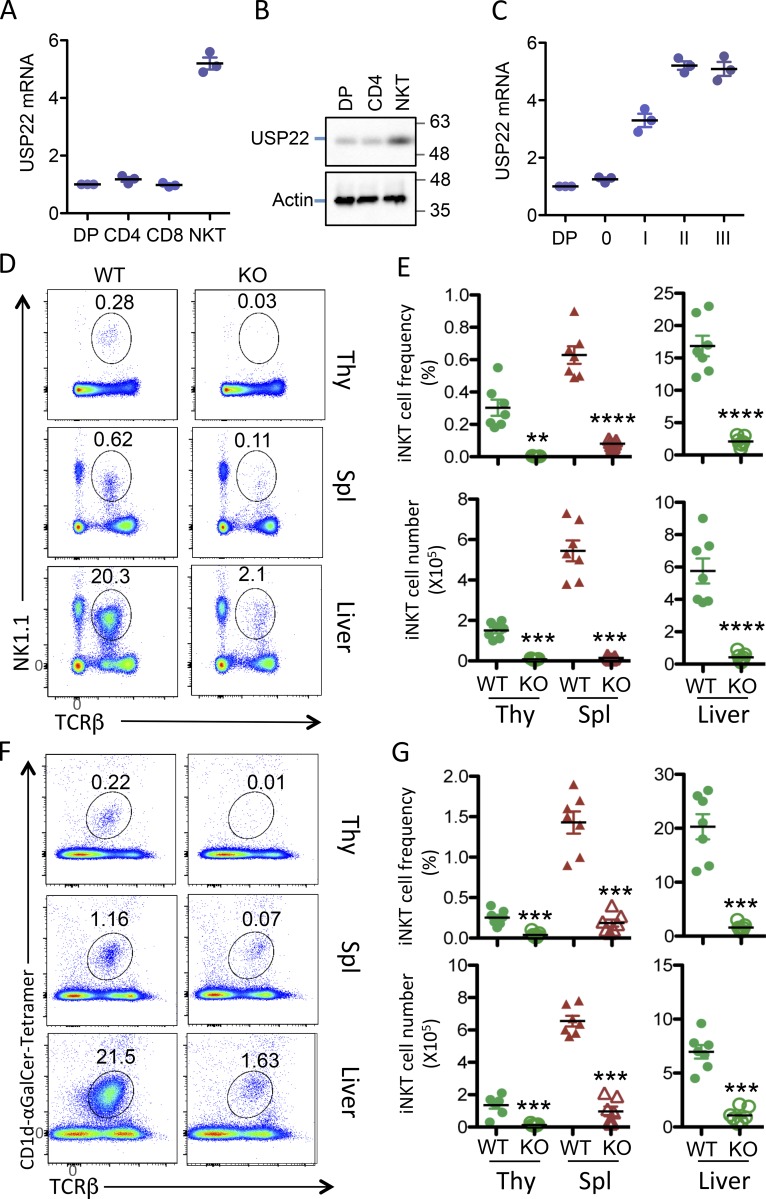
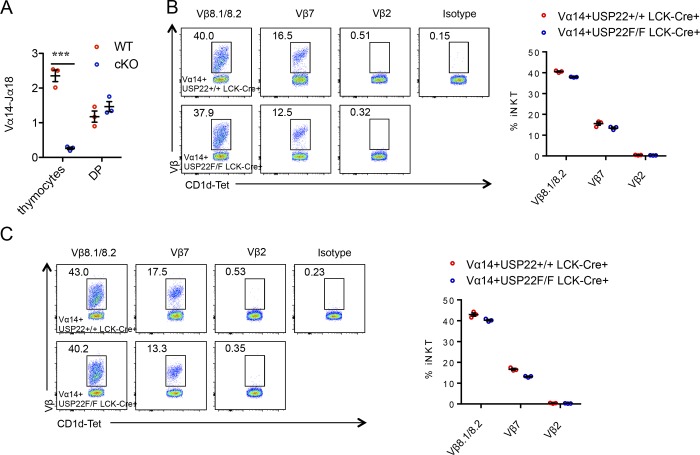
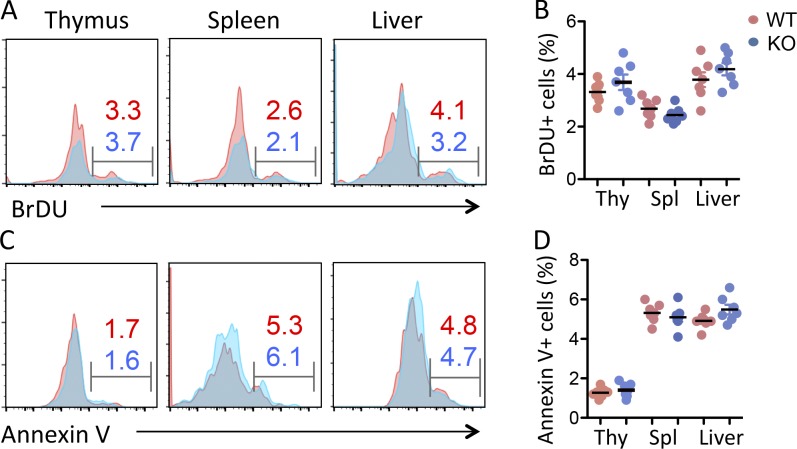
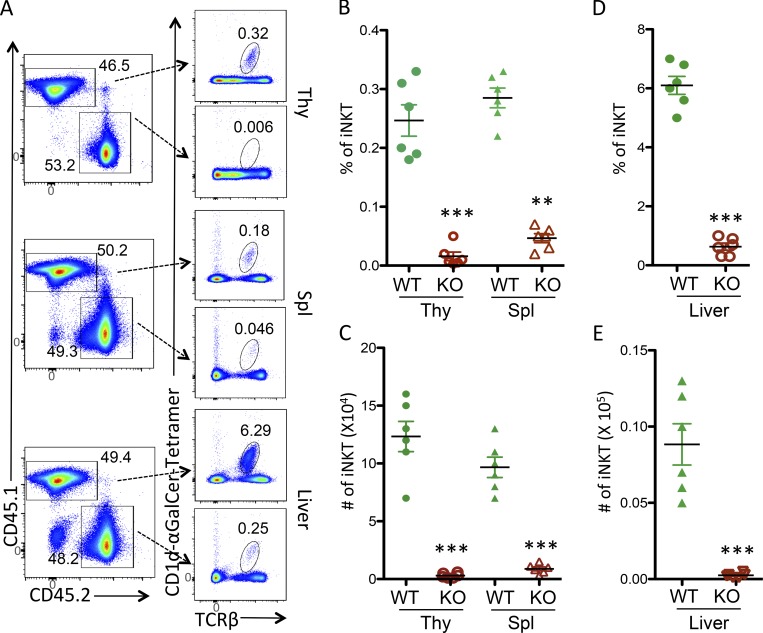
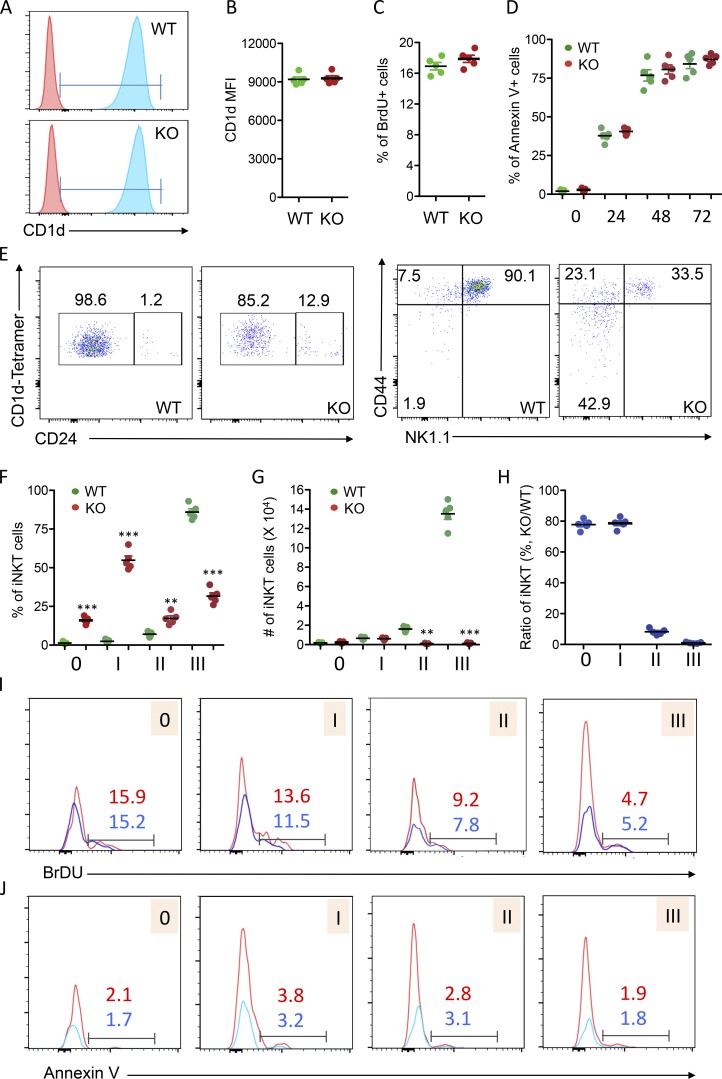
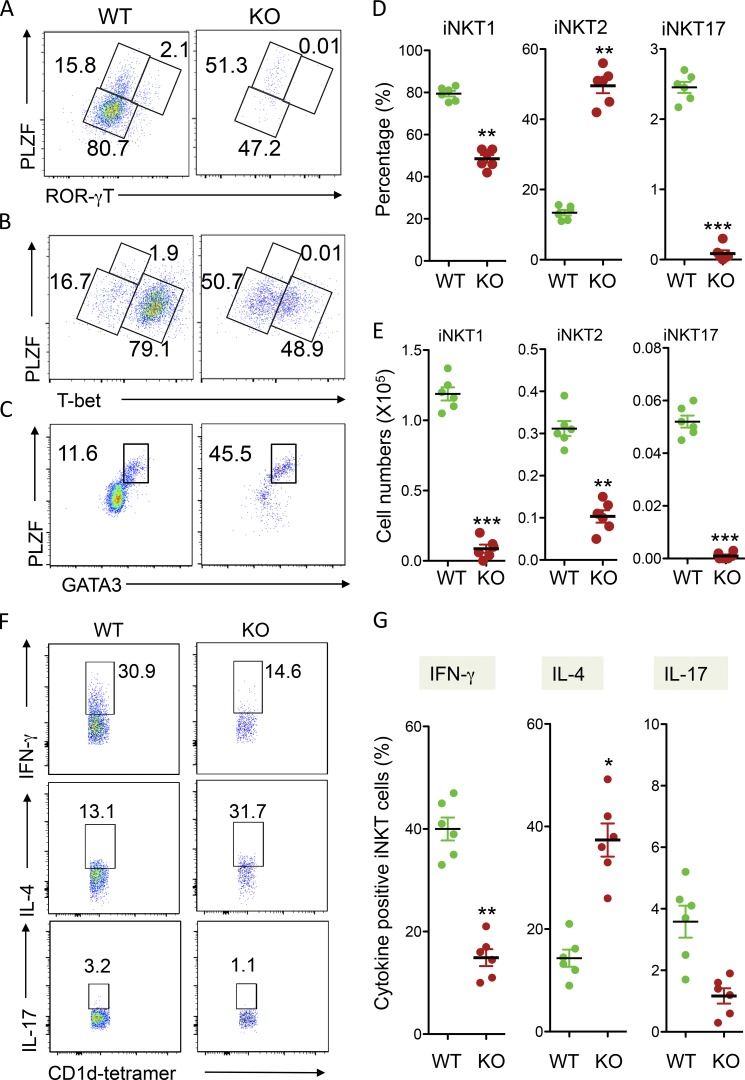
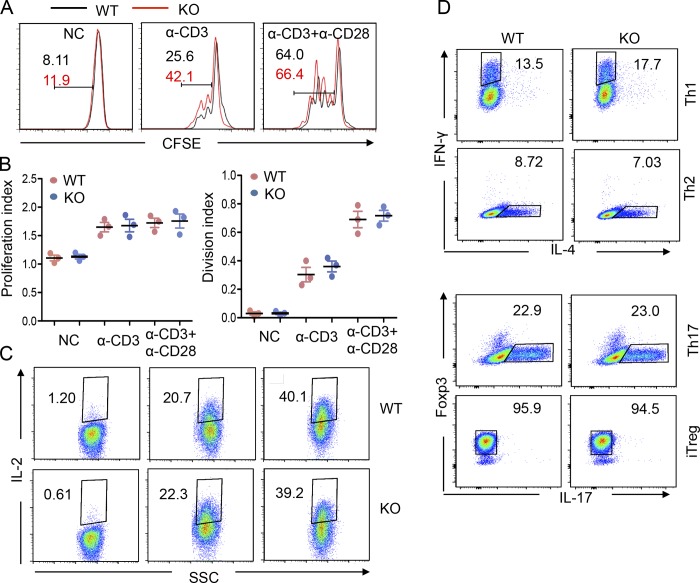
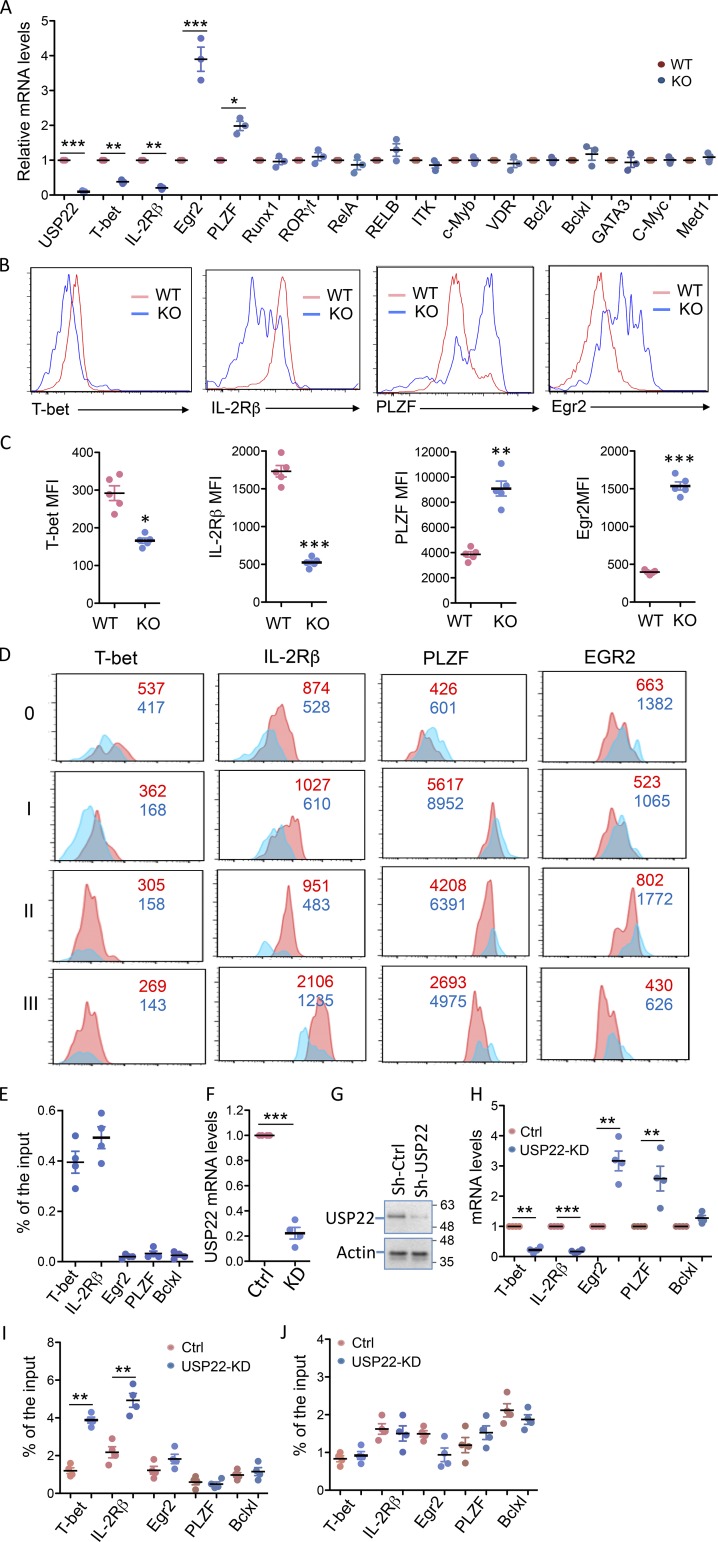
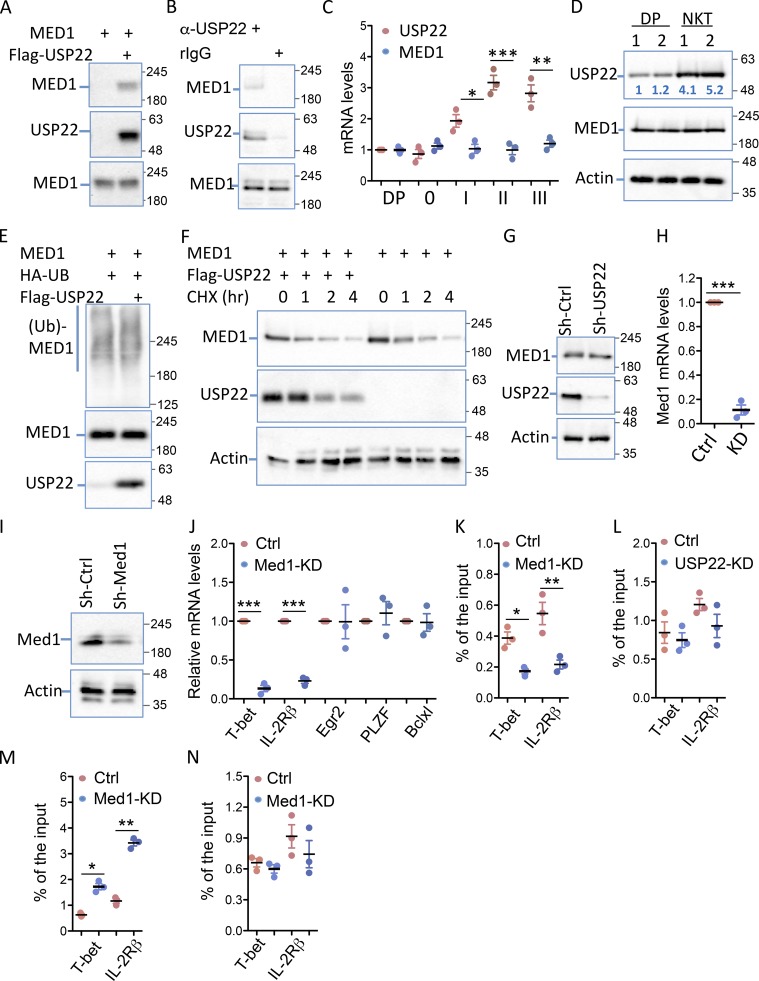
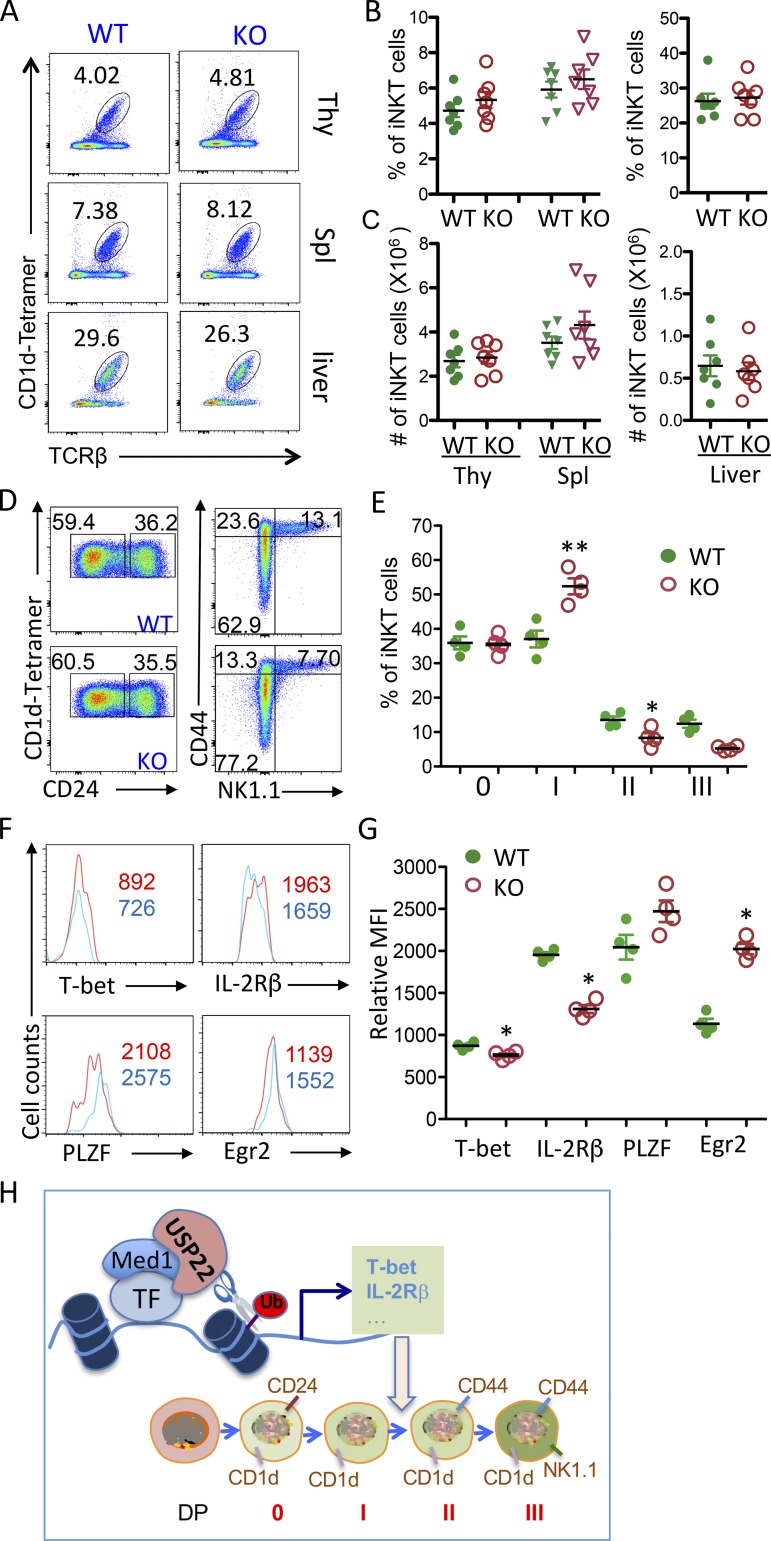
The ubiquitin pathway has been shown to regulate iNKT cell immunity, but the deubiquitinase involved in this process has not been identified. Herein we found that ubiquitin-specific peptidase 22 (USP22) is highly expressed in iNKT cells during their early developmental stage 1. USP22 deficiency blocked the transition from stage 1 to 2 during iNKT cell development in a cell-intrinsic manner. USP22 suppression also diminishes iNKT17 and iNKT1 differentiation but favors iNKT2 polarization without altering conventional T cell activation and differentiation. USP22 interacts with the Mediator complex subunit 1 (MED1), a transcription coactivator involved in iNKT cell development. Interestingly, while interacting with MED1, USP22 does not function as a deubiquitinase to suppress MED1 ubiquitination for its stabilization. Instead, USP22 enhances MED1 functions for IL-2Rβ and T-bet gene expression through deubiquitinating histone H2A but not H2B monoubiquitination. Therefore, our study revealed USP22-mediated histone H2A deubiquitination fine-tunes MED1 transcriptional activation as a previously unappreciated molecular mechanism to control iNKT development and functions.
泛素途径已被证明可调节 iNKT 细胞免疫,但该过程中涉及的去泛素化酶尚未确定。在此,我们发现泛素特异性肽酶 22(USP22)在 iNKT 细胞早期发育阶段 1 中高度表达。USP22 缺陷以细胞内在的方式阻断了 iNKT 细胞发育过程中从阶段 1 向阶段 2 的过渡。USP22 抑制也减少了 iNKT17 和 iNKT1 的分化,但有利于 iNKT2 的极化,而不改变常规 T 细胞的激活和分化。USP22 与 Mediator 复合物亚基 1(MED1)相互作用,后者是参与 iNKT 细胞发育的转录共激活因子。有趣的是,虽然与 MED1 相互作用,但 USP22 不作为去泛素化酶抑制 MED1 的泛素化以稳定其。相反,USP22 通过去泛素化组蛋白 H2A 而不是 H2B 单泛素化来增强 MED1 的功能,用于 IL-2Rβ 和 T-bet 基因表达。因此,我们的研究揭示了 USP22 介导的组蛋白 H2A 去泛素化作为一种以前未被重视的分子机制,可精细调节 MED1 转录激活,从而控制 iNKT 的发育和功能。