Chen Lin-Fei, Xu Pei-Yao, Fu Chao-Ping, Kankala Ranjith Kumar, Chen Ai-Zheng, Wang Shi-Bin
Department of Chemical Engineering and Pharmaceutical Engineering, College of Chemical Engineering, Huaqiao University, Xiamen 361021, China.
Institute of Biomaterials and Tissue Engineering, Huaqiao University, Xiamen 361021, China.
Nanomaterials (Basel). 2020 Feb 13;10(2):322. doi: 10.3390/nano10020322.
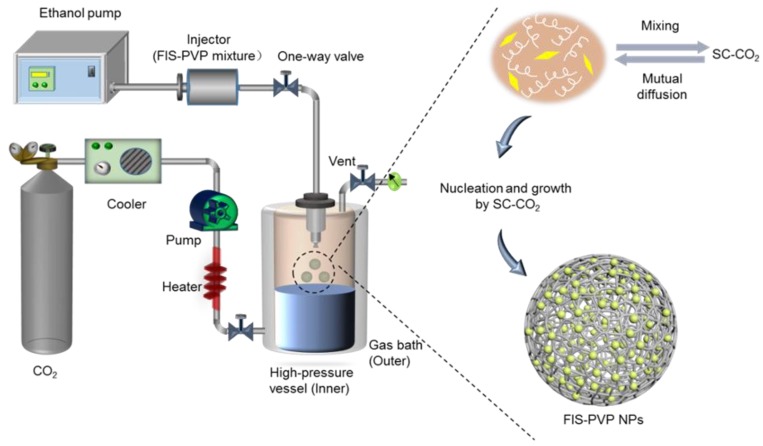
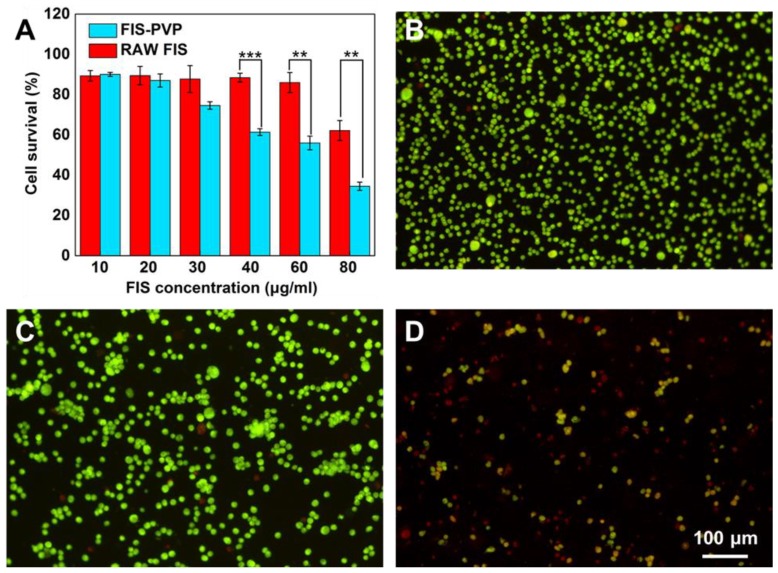
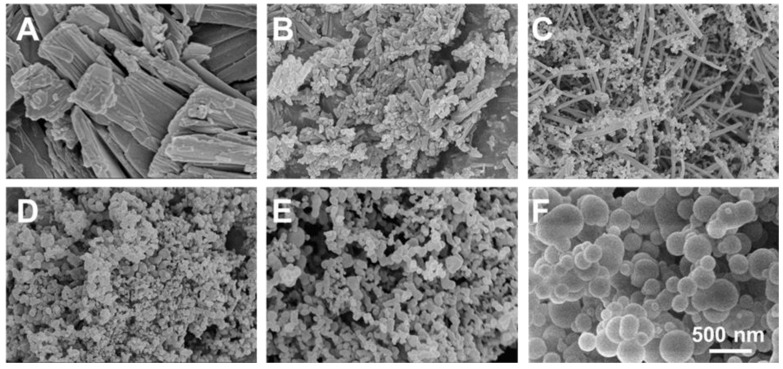
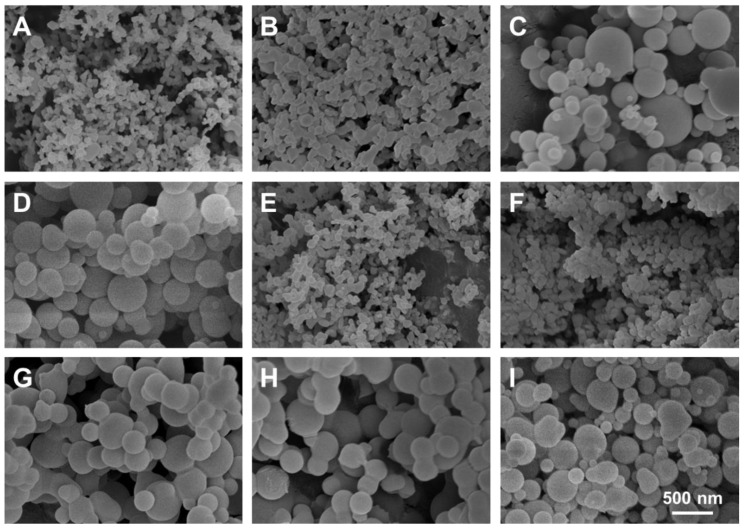
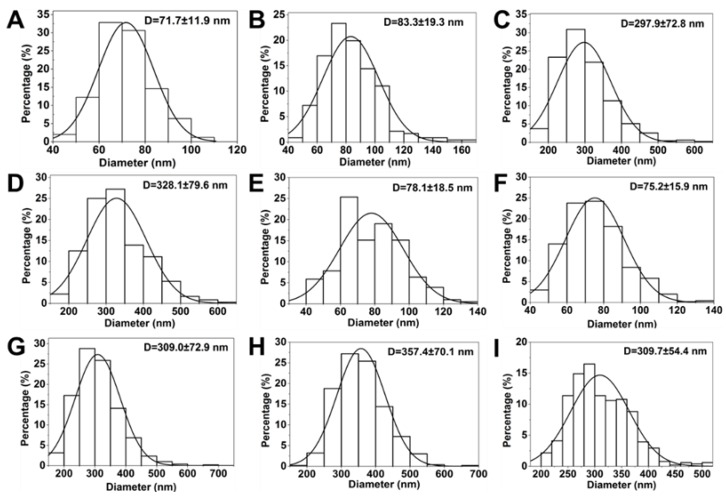
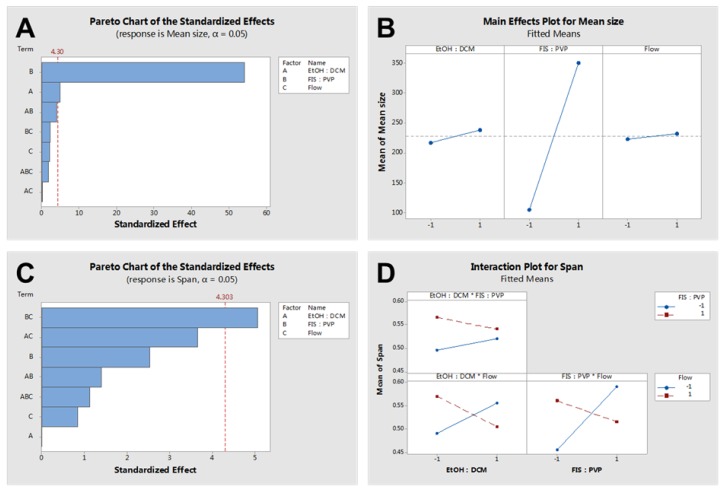
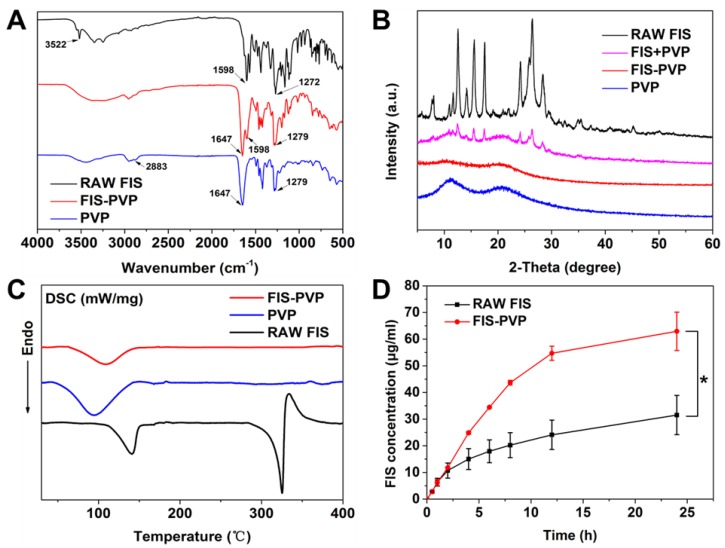
Due to its hydrophobicity, fisetin (FIS) often suffers from several limitations in terms of its applicability during the fabrication of pharmaceutical formulations. To overcome this intrinsic limitation of hydrophobicity, we demonstrate here the generation of poly (vinyl pyrrolidone) (PVP)-encapsulated FIS nanoparticles (FIS-PVP NPs) utilizing a supercritical antisolvent (SAS) method to enhance its aqueous solubility and substantial therapeutic effects. In this context, the effects of various processing and formulation parameters, including the solvent/antisolvent ratio, drug/polymer (FIS/PVP) mass ratio, and solution flow rate, on the eventual particle size as well as on distribution were investigated using a 2 factorial experimental design. Notably, the FIS/PVP mass ratio significantly affected the morphological attributes of the resultant particles. Initially, the designed constructs were characterized systematically using various techniques (e.g., chemical functionalities were examined with Fourier-transform infrared (FTIR) spectroscopy, and physical states were examined with X-ray diffraction analysis (XRD) and differential scanning calorimetry (DSC) techniques). In addition, drug release as well as cytotoxicity evaluations in vitro indicated that the nanosized polymer-coated particles showed augmented performance efficiency compared to the free drug, which was attributable to the improvement in the dissolution rate of the FIS-PVP NPs due to their small size, facilitating a higher surface area over the raw form of FIS. Our findings show that the designed SAS process-assisted nanoconstructs with augmented bioavailability, have great potential for applications in pharmaceutics.
由于其疏水性,非瑟酮(FIS)在药物制剂制备过程中的适用性方面常常存在一些局限性。为了克服这种固有的疏水性限制,我们在此展示了利用超临界抗溶剂(SAS)方法生成聚(乙烯基吡咯烷酮)(PVP)包裹的FIS纳米颗粒(FIS-PVP NPs),以提高其水溶性和显著的治疗效果。在此背景下,使用二因素实验设计研究了各种加工和制剂参数,包括溶剂/抗溶剂比、药物/聚合物(FIS/PVP)质量比和溶液流速,对最终粒径以及分布的影响。值得注意的是,FIS/PVP质量比显著影响所得颗粒的形态属性。最初,使用各种技术对设计的构建体进行系统表征(例如,用傅里叶变换红外(FTIR)光谱检查化学官能团,用X射线衍射分析(XRD)和差示扫描量热法(DSC)技术检查物理状态)。此外,体外药物释放以及细胞毒性评估表明,与游离药物相比,纳米尺寸的聚合物包被颗粒表现出更高的性能效率,这归因于FIS-PVP NPs由于其小尺寸而导致的溶解速率提高,使其比原始形式的FIS具有更大的表面积。我们的研究结果表明,所设计的具有增强生物利用度的SAS工艺辅助纳米构建体在制药领域具有巨大的应用潜力。