van Ruth Saskia M, de Pagter-de Witte Leontien
Food Quality and Design, Wageningen University and Research, P.O. Box 17, 6700 AA Wageningen, The Netherlands.
Wageningen Food Safety Research, part of Wageningen University and Research, P.O. Box 230, 6700 AE Wageningen, The Netherlands.
Foods. 2020 Feb 14;9(2):188. doi: 10.3390/foods9020188.
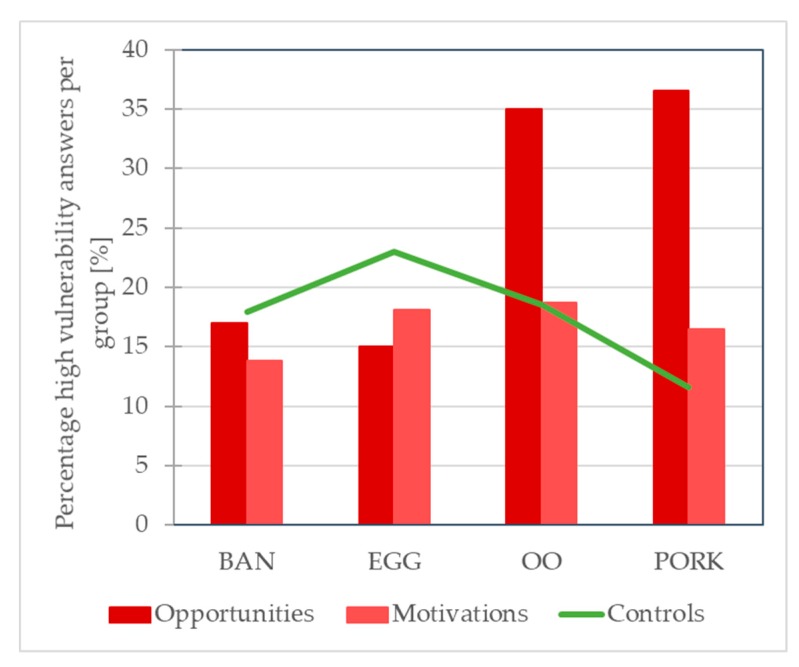
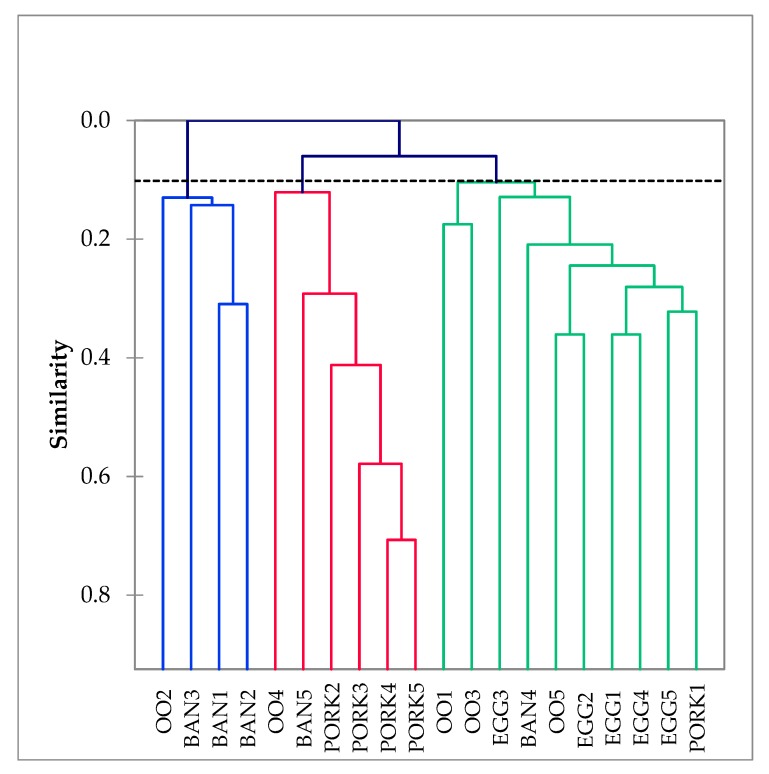
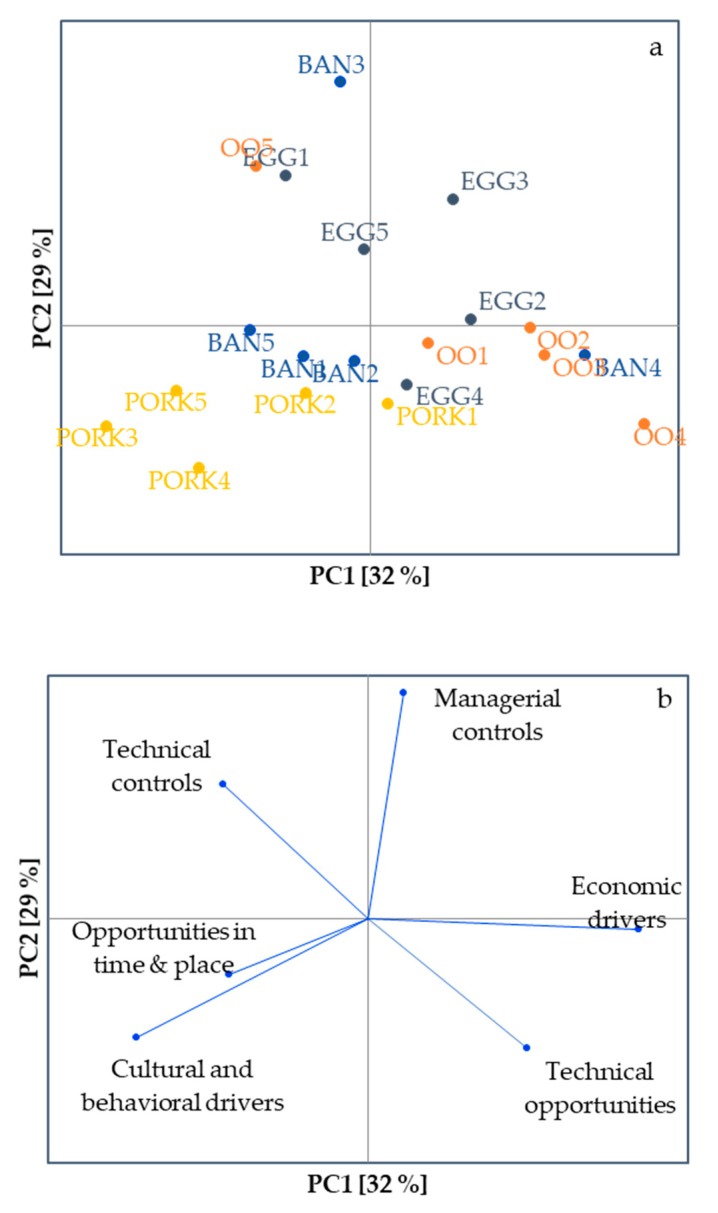
Organic foods are frequently targeted by fraudsters. Examination of underlying factors helps to reduce fraud vulnerability and to prevent fraud. In this study, the fraud vulnerability of five actors from each of four chains were examined using the SSAFE food fraud vulnerability assessment tool: the organic banana, egg, olive oil and pork supply chains. The organic chains appeared slightly less vulnerable than conventional chains due to fewer opportunities for fraud and the more adequate controls being present. On the other hand, organic chains were associated with enhanced vulnerability resulting from cultural and behavioral drivers. Generally, actors in the organic olive oil and pork chains were more vulnerable than those from the banana and egg chains. However, high risk actors were not limited to particular chains. Across the whole group of actors in organic chains, three groups in terms of cultural/behavioral drivers were distinguished: a low vulnerability group, a group facing more external threats and a group presenting fraud vulnerability in general and in particular from within their own company. Ethical business culture and criminal history scores of businesses correlated significantly. This implies that the climate in a company is an important factor to consider when estimating the exposure of businesses to food fraud.
有机食品经常成为欺诈者的目标。对潜在因素进行审查有助于降低欺诈风险并预防欺诈行为。在本研究中,使用SSAFE食品欺诈风险评估工具对四个供应链中每个供应链的五个行为主体的欺诈风险进行了审查:有机香蕉、鸡蛋、橄榄油和猪肉供应链。由于欺诈机会较少且存在更充分的控制措施,有机供应链的风险似乎略低于传统供应链。另一方面,有机供应链因文化和行为驱动因素而导致风险增加。一般来说,有机橄榄油和猪肉供应链中的行为主体比香蕉和鸡蛋供应链中的行为主体更容易受到影响。然而,高风险行为主体并不局限于特定的供应链。在有机供应链的所有行为主体中,根据文化/行为驱动因素可分为三类:低风险组、面临更多外部威胁的组以及总体上尤其是在其公司内部存在欺诈风险的组。企业的道德商业文化和犯罪历史得分显著相关。这意味着在评估企业面临食品欺诈的风险时,公司的氛围是一个需要考虑的重要因素。