Institute of Chemical Technology and Engineering, Poznan University of Technology, Berdychowo 4, 60-965 Poznan, Poland.
Department IFA-Tulln, Institute of Environmental Biotechnology, BOKU-University of Natural Resources and Life Sciences, Vienna, Konrad-Lorenz-Straße 20, 3430 Tulln, Austria.
Molecules. 2020 Feb 14;25(4):856. doi: 10.3390/molecules25040856.
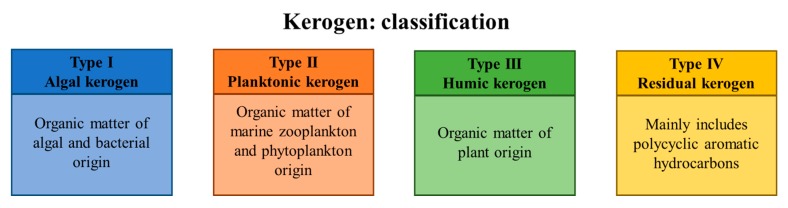
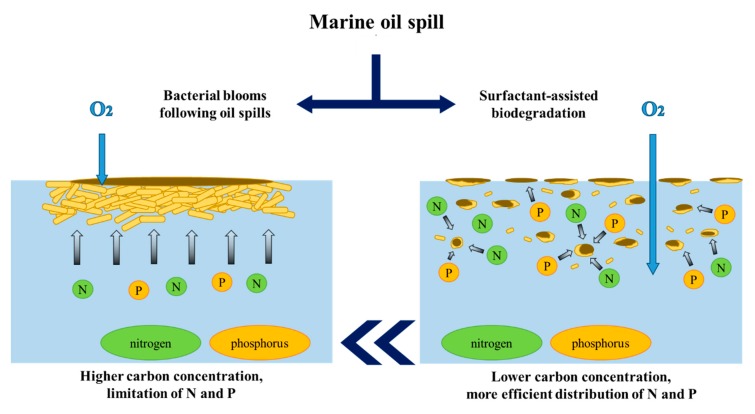
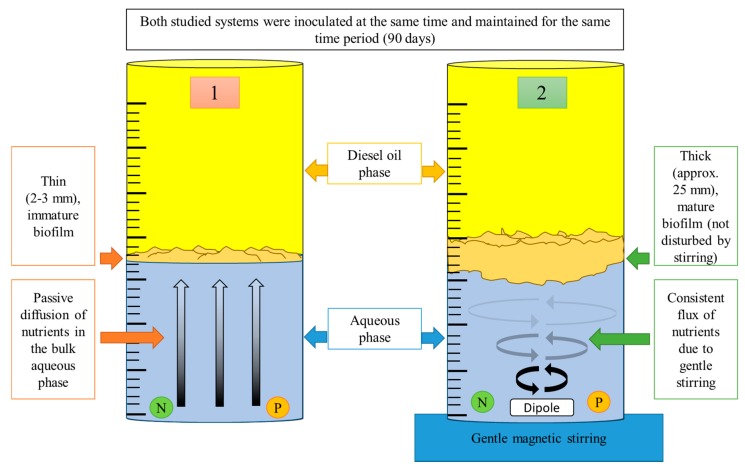
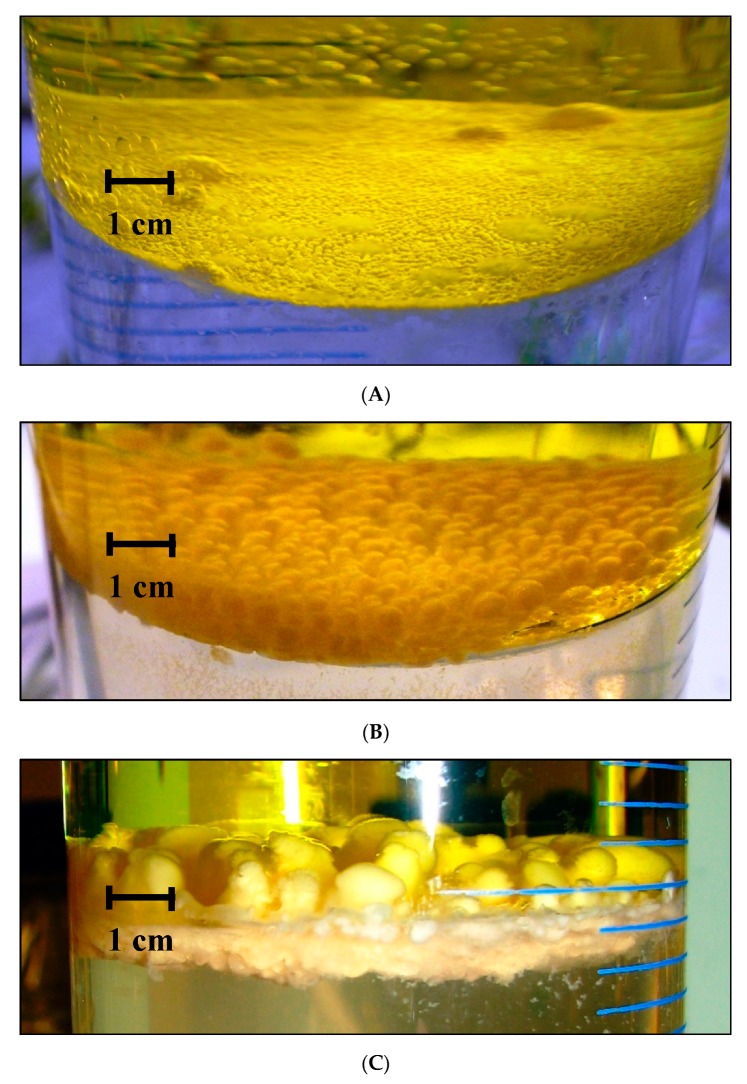
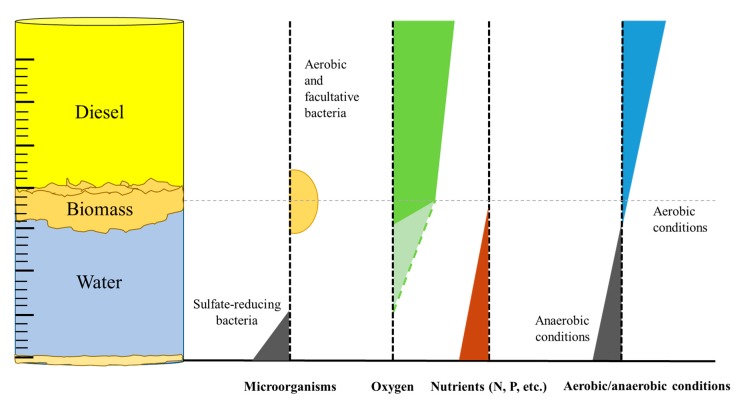
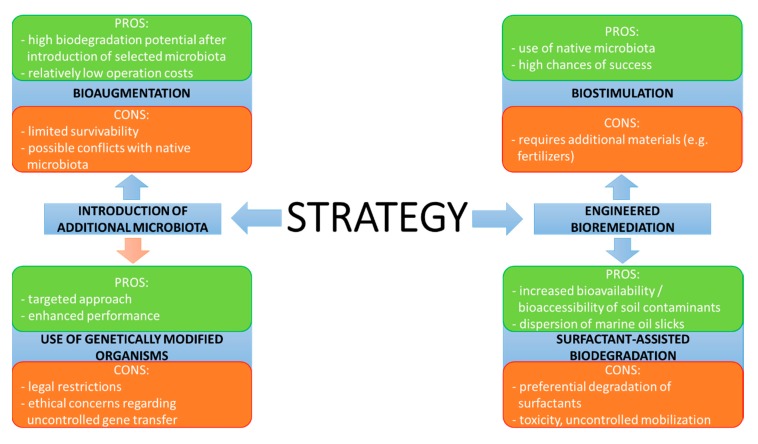
Crude oil-derived hydrocarbons constitute the largest group of environmental pollutants worldwide. The number of reports concerning their toxicity and emphasizing the ultimate need to remove them from marine and soil environments confirms the unceasing interest of scientists in this field. Among the various techniques used for clean-up actions, bioremediation seems to be the most acceptable and economically justified. Analysis of recent reports regarding unsuccessful bioremediation attempts indicates that there is a need to highlight the fundamental aspects of hydrocarbon microbiology in a clear and concise manner. Therefore, in this review, we would like to elucidate some crucial, but often overlooked, factors. First, the formation of crude oil and abundance of naturally occurring hydrocarbons is presented and compared with bacterial ability to not only survive but also to utilize such compounds as an attractive energy source. Then, the significance of nutrient limitation on biomass growth is underlined on the example of a specially designed experiment and discussed in context of bioremediation efficiency. Next, the formation of aerobic and anaerobic conditions, as well as the role of surfactants for maintaining appropriate C:N:P ratio during initial stages of biodegradation is explained. Finally, a summary of recent scientific reports focused on the removal of hydrocarbon contaminants using bioaugmentation, biostimulation and introduction of surfactants, as well as biosurfactants, is presented. This review was designed to be a comprehensive source of knowledge regarding the unique aspects of hydrocarbon microbiology that may be useful for planning future biodegradation experiments. In addition, it is a starting point for wider debate regarding the limitations and possible improvements of currently employed bioremediation strategies.
原油衍生烃构成了全球最大的环境污染物群体。有关其毒性的报告数量众多,并强调最终需要将其从海洋和土壤环境中去除,这证实了科学家们对该领域的持续关注。在用于清洁行动的各种技术中,生物修复似乎是最可接受和经济合理的。对最近关于生物修复尝试失败的报告的分析表明,有必要以清晰简洁的方式突出烃微生物学的基本方面。因此,在这篇综述中,我们想阐明一些关键但经常被忽视的因素。首先,介绍了原油的形成和天然存在的烃类的丰富度,并将其与细菌不仅能够生存而且能够利用这些化合物作为有吸引力的能源的能力进行了比较。然后,以专门设计的实验为例,强调了营养限制对生物量生长的重要性,并在生物修复效率的背景下进行了讨论。接下来,解释了需氧和厌氧条件的形成,以及表面活性剂在生物降解初始阶段维持适当 C:N:P 比的作用。最后,总结了最近的科学报告,这些报告集中在使用生物增强、生物刺激和引入表面活性剂以及生物表面活性剂去除烃类污染物方面。本综述旨在成为烃微生物学独特方面的综合知识来源,这对于规划未来的生物降解实验可能是有用的。此外,这也是对当前采用的生物修复策略的限制和可能改进进行更广泛辩论的起点。