Chan Der-Sheng
Department of Information Technology, Lee-Ming Institute of Technology, New Taipei City 243, Taiwan.
Foods. 2020 Feb 16;9(2):200. doi: 10.3390/foods9020200.
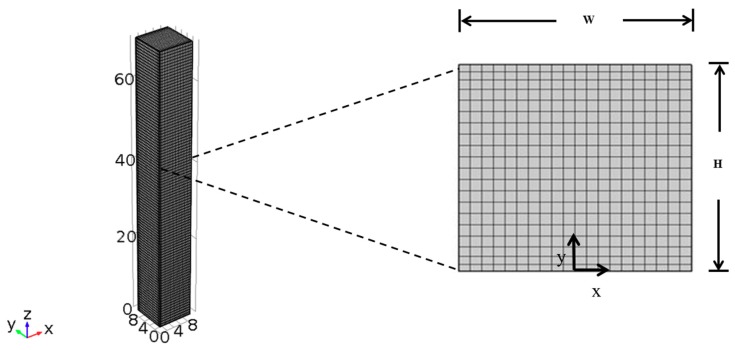
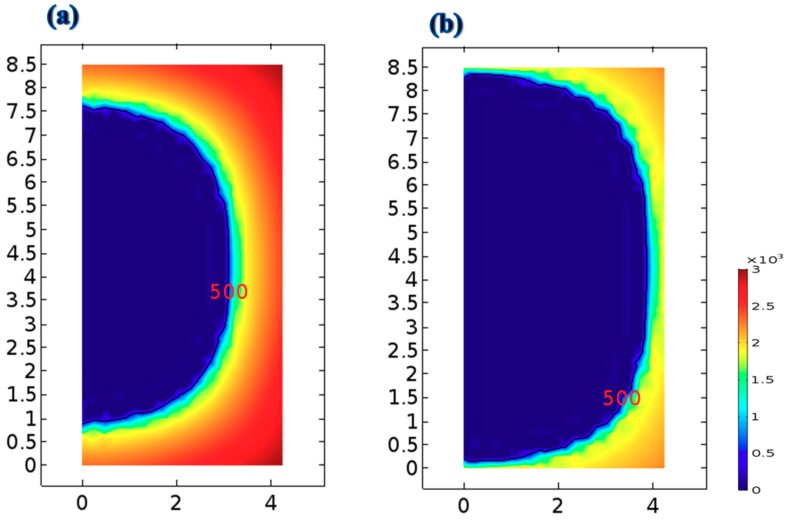
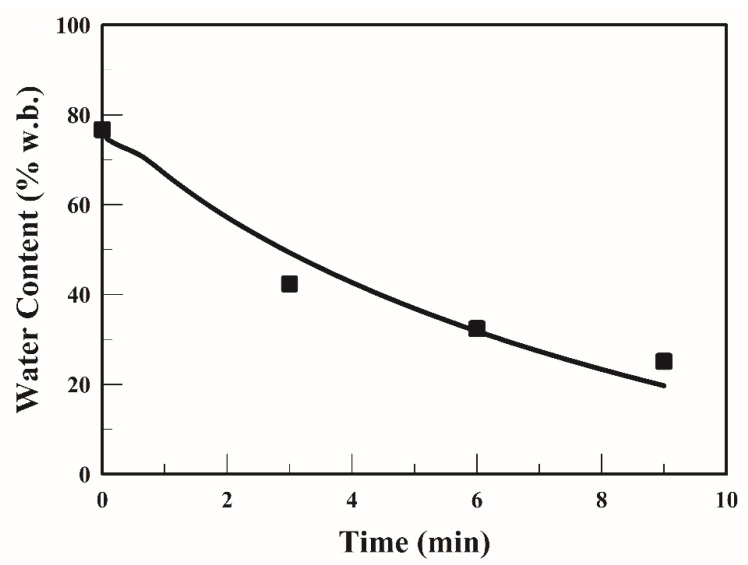
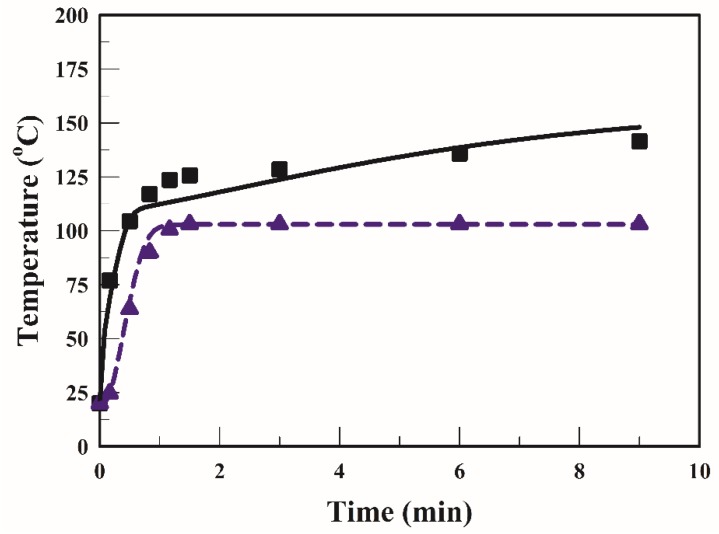
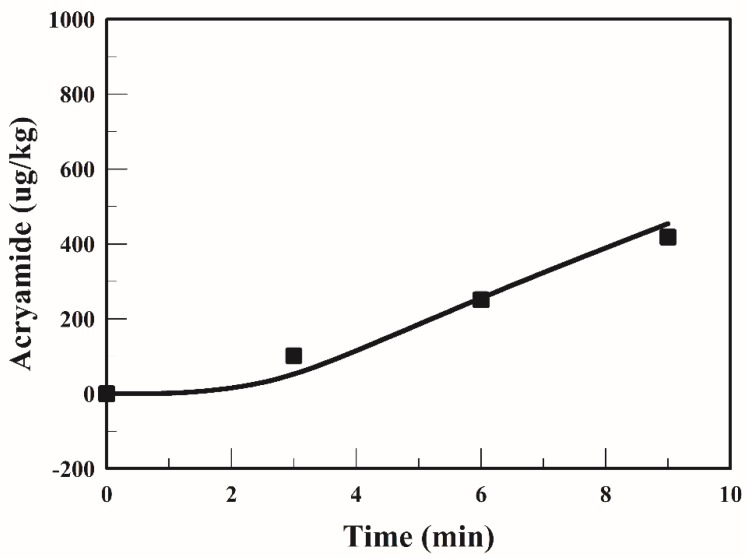
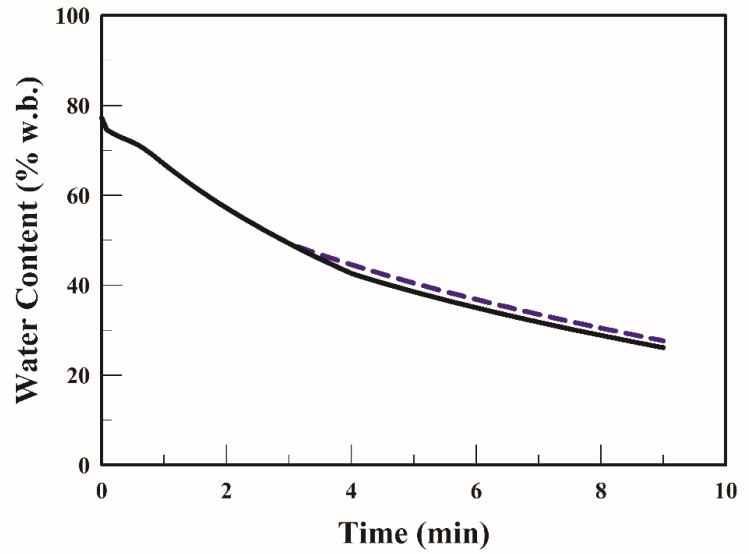
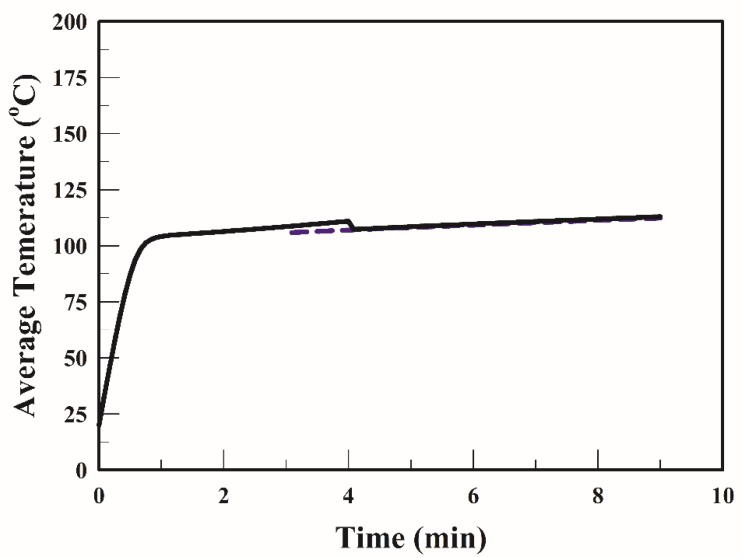
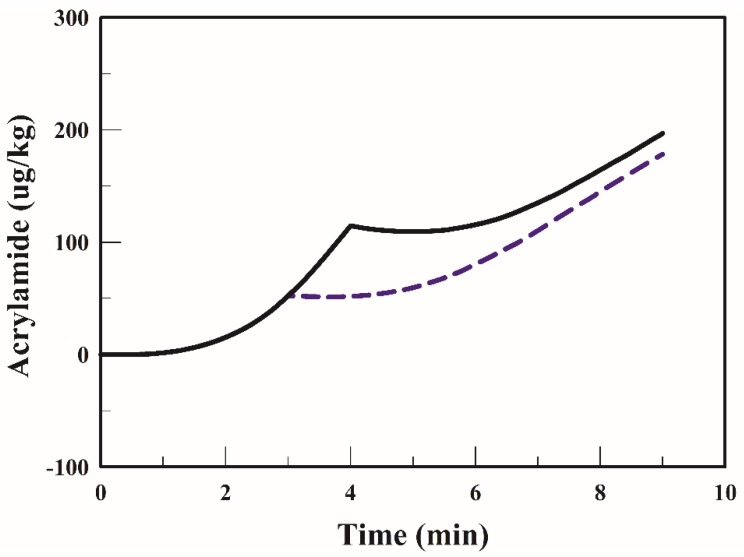
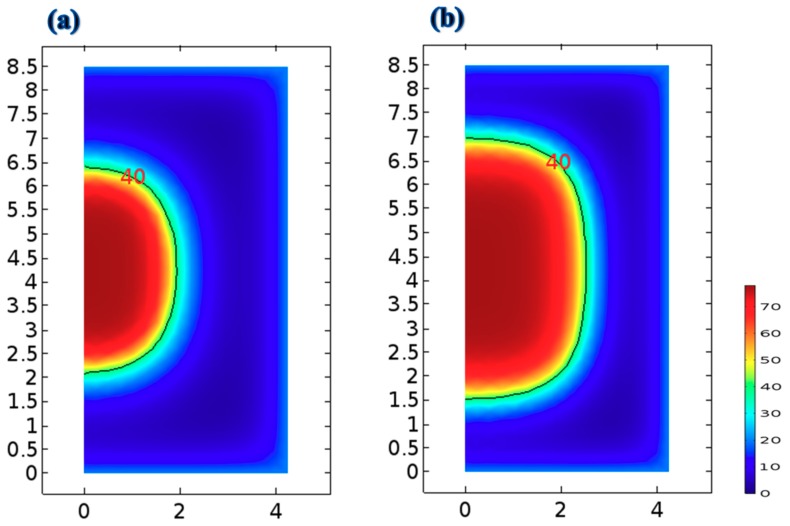
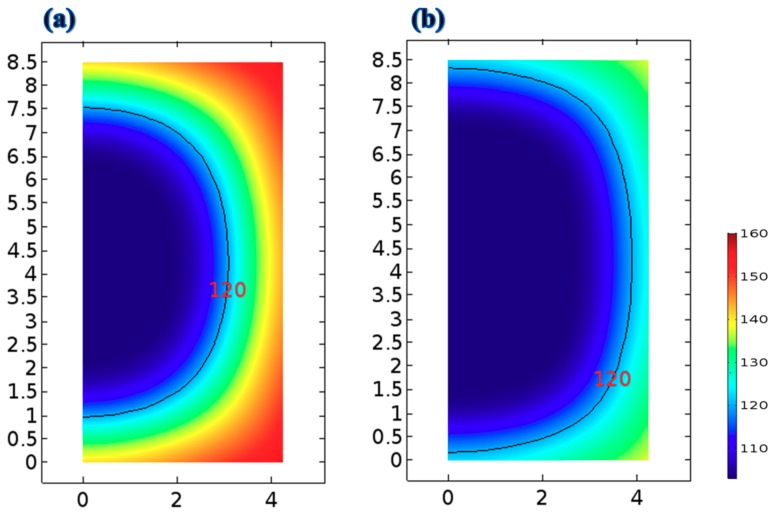
A heat and mass-transfer model coupled with reaction kinetics was developed to simulate frying. Obtaining an accurate mathematical model of the Maillard reaction and the heat and mass transfer is crucial for predicting the transient acrylamide formation, temperature, and water content in French fries. The objective of this study was to mitigate the formation of acrylamide in a potato strip by adopting a temperature step frying approach (TSFA). A considerable increase in the water content and a decrease in the temperature and acrylamide formation were observed in a potato strip fried with the TSFA compared with a potato strip fried without the TSFA process. The acrylamide content in a potato strip when fried using the TSFA decreased considerably to 57% of that in a potato strip fried without using the TSFA. Simulation of the acrylamide distribution in a potato strip revealed that the crust contains the highest amount of acrylamide. The proposed model can be successfully used to obtain high-quality products, mitigate acrylamide formation, and save energy.
建立了一个结合反应动力学的传热传质模型来模拟油炸过程。获得准确的美拉德反应以及传热传质数学模型对于预测薯条中丙烯酰胺的瞬时形成、温度和水分含量至关重要。本研究的目的是通过采用变温油炸法(TSFA)来减少薯条中丙烯酰胺的形成。与未采用TSFA工艺油炸的薯条相比,采用TSFA油炸的薯条水分含量显著增加,温度和丙烯酰胺形成量降低。采用TSFA油炸的薯条中丙烯酰胺含量大幅下降,降至未采用TSFA油炸的薯条中丙烯酰胺含量的57%。对薯条中丙烯酰胺分布的模拟表明,外皮中丙烯酰胺含量最高。所提出的模型可成功用于获得高质量产品、减少丙烯酰胺形成并节约能源。