Chiappini Stefania, Schifano Fabrizio, Corkery John Martin, Guirguis Amira
Psychopharmacology, Drug Misuse, and Novel Psychoactive Substances Research Unit, School of Life and Medical Sciences, University of Hertfordshire, Hatfield, Hertfordshire AL10 9AB, UK.
Swansea University Medical School, Institute of Life Sciences 2, Swansea University, Singleton Park, Swansea SA2 8PP, UK.
Brain Sci. 2020 Feb 16;10(2):105. doi: 10.3390/brainsci10020105.
Clozapine is of high clinical relevance for the management of both treatment-resistant schizophrenia and psychotic disturbances with concurrent drug misuse. Although the molecule presents with a range of well-known side-effects, its discontinuation/withdrawal syndrome has been only anecdotally described.
the 2005-2018 European Medicines Agency (EMA) dataset of Adverse Drug Reactions (ADRs) was analyzed to identify and describe possible clozapine withdrawal- and misuse-/abuse-/dependence-related issues.
A descriptive analysis of clozapine-related ADRs was performed when available, data on ADRs' outcome, dosage, and possible concomitant drug(s) were considered.
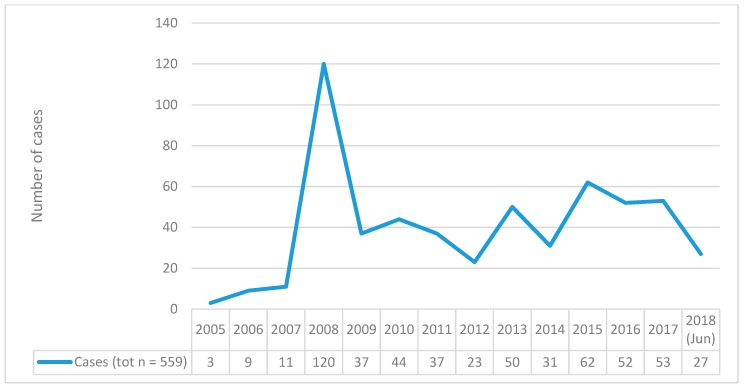
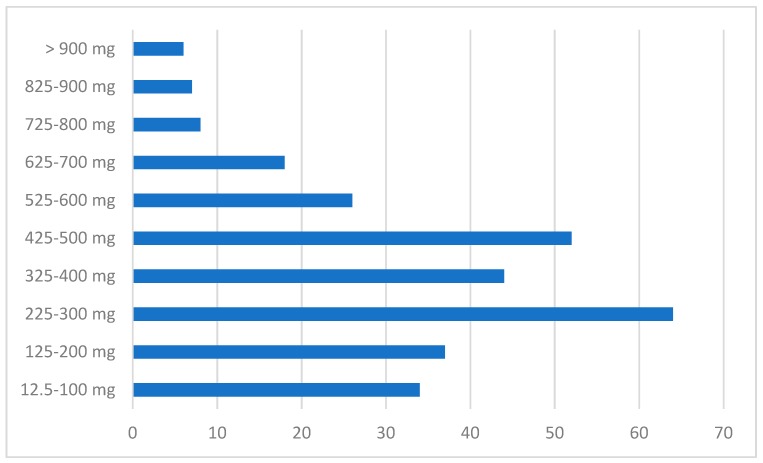
Out of 11,847 clozapine-related ADRs, some 599 (5.05%) were related to misuse/abuse/dependence/withdrawal issues, including 258 withdrawal-related (43.1%); 241 abuse-related (40.2%); and 80 intentional product misuse-related (13.3%) ADRs. A small number of overdose- and suicide-related ADRs were reported as well. Clozapine was typically (69.2%) identified alone, and most (84.7%) fatalities/high-dosage intake instances were reported in association with a history of substance abuse.
Previous suggestions about the possibility of a clozapine discontinuation/withdrawal occurrence are here supported, but further studies are needed. However, the misuse/abuse cases here identified might be difficult to interpret, given the lack of studies highlighting the possible recreational use of clozapine. The high-dosage intake, fatal outcomes and clozapine/polydrug abuse issues reported here may, however, be a reason for concern.
氯氮平在难治性精神分裂症以及伴有药物滥用的精神障碍治疗中具有高度临床相关性。尽管该药物存在一系列众所周知的副作用,但其停药/撤药综合征仅有零星描述。
分析2005年至2018年欧洲药品管理局(EMA)的药品不良反应(ADR)数据集,以识别和描述与氯氮平撤药以及滥用/误用/依赖相关的问题。
对氯氮平相关的ADR进行描述性分析,如有可用数据,则考虑ADR的结果、剂量以及可能的合并用药情况。
在11847例氯氮平相关的ADR中,约599例(5.05%)与滥用/误用/依赖/撤药问题相关,包括258例与撤药相关(43.1%);241例与滥用相关(40.2%);80例与故意误用产品相关(13.3%)的ADR。还报告了少量与过量用药和自杀相关的ADR。氯氮平通常(69.2%)单独出现,大多数(84.7%)死亡/高剂量摄入病例报告与药物滥用史有关。
此前关于氯氮平停药/撤药可能性的建议在此得到支持,但仍需进一步研究。然而,鉴于缺乏强调氯氮平可能用于消遣性使用的研究,此处识别出的滥用/误用案例可能难以解释。不过,此处报告的高剂量摄入、致命后果以及氯氮平/多种药物滥用问题可能令人担忧。