Department of Dermatology and Venereology, University of Tartu, Tartu, Estonia.
Dermatology Clinic, Tartu University Hospital, Tartu, Estonia.
Sci Rep. 2020 Feb 20;10(1):3081. doi: 10.1038/s41598-020-59996-z.
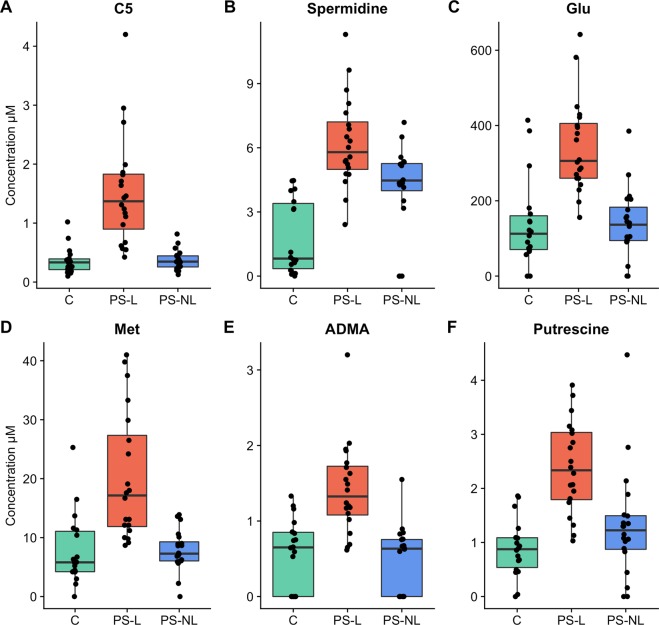
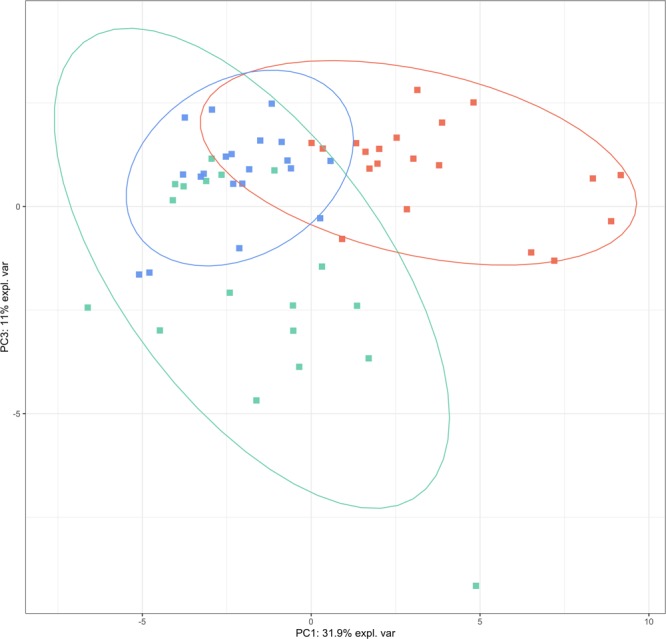
Systematic understanding of the metabolite signature of diseases may lead to a closer understanding of the disease pathogenesis and ultimately to the development of novel therapies and diagnostic tools. Here we compared for the first time the full metabolomic profiles of lesional and non-lesional skin biopsies obtained from plaque psoriasis patients and skin samples of healthy controls. Significant differences in the concentration levels of 29 metabolites were identified that provide several novel insights into the metabolic pathways of psoriatic lesions. The metabolomic profile of the lesional psoriatic skin is mainly characterized by hallmarks of increased cell proliferation. As no significant differences were identified between non-lesional skin and healthy controls we conclude that local inflammatory process that drives the increased cell proliferation is the main cause of the identified metabolomic shifts.
系统性地了解疾病的代谢特征可能有助于深入了解疾病的发病机制,并最终开发出新的治疗方法和诊断工具。在这里,我们首次比较了斑块状银屑病患者皮损和非皮损皮肤活检样本以及健康对照者皮肤样本的全代谢组图谱。结果发现 29 种代谢物的浓度水平存在显著差异,这为银屑病皮损的代谢途径提供了一些新的见解。皮损银屑病皮肤的代谢组学特征主要表现为细胞增殖增加的特征。由于未在非皮损皮肤和健康对照组之间发现显著差异,我们得出结论,导致细胞增殖增加的局部炎症过程是导致所鉴定的代谢物变化的主要原因。