Department of Biology, San Diego State University Heart Institute, San Diego State University, San Diego, CA 92182, USA.
Degenerative Diseases Program, Sanford Burnham Prebys Medical Discovery Institute, La Jolla, CA 92037, USA.
Int J Mol Sci. 2020 Feb 18;21(4):1373. doi: 10.3390/ijms21041373.
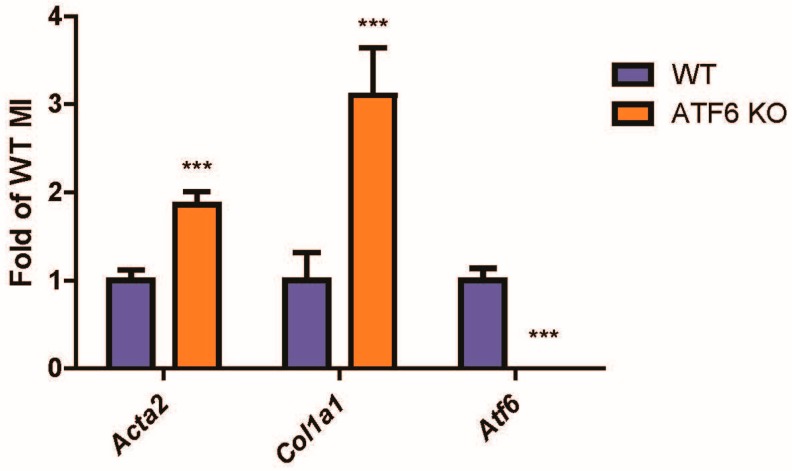
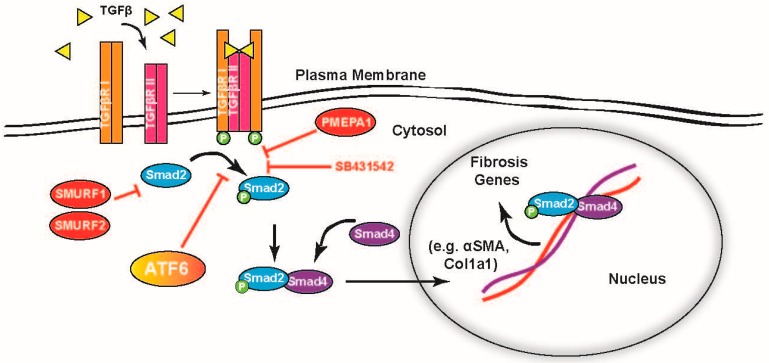
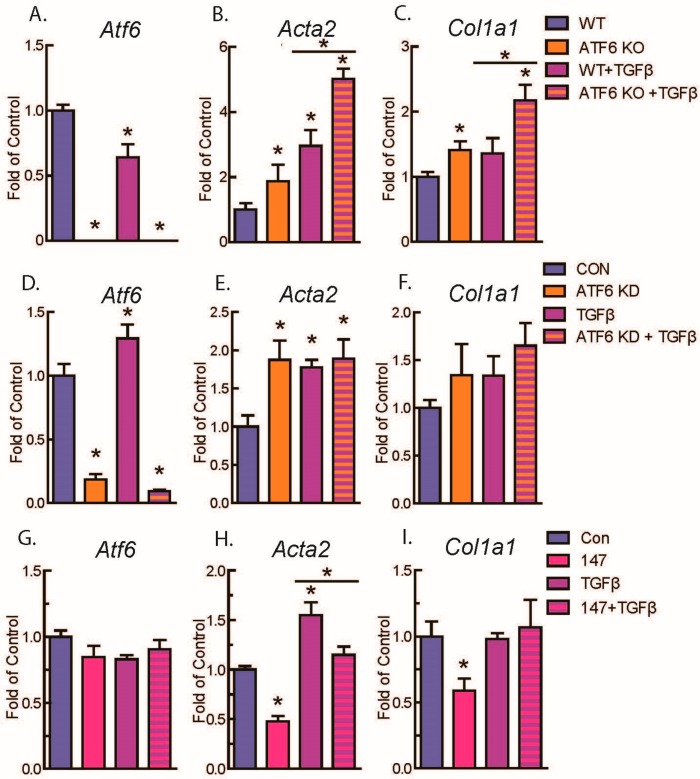
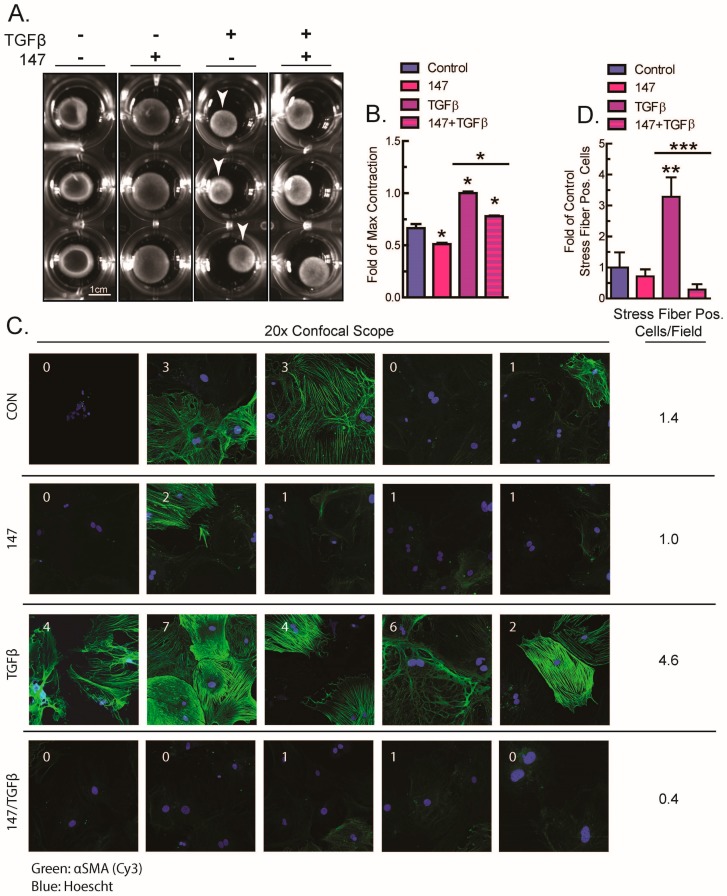
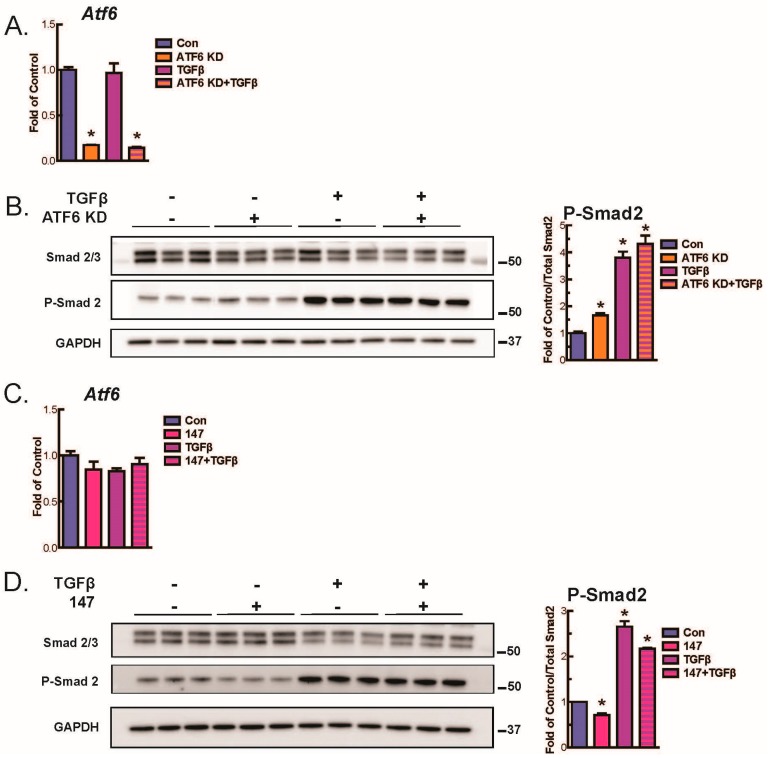
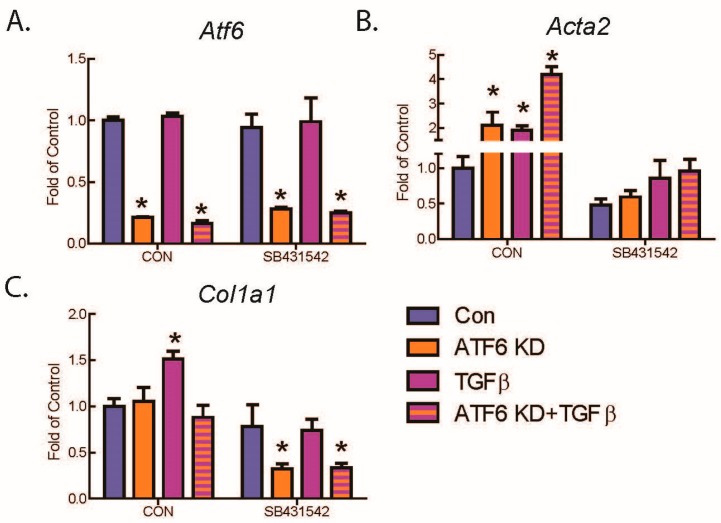
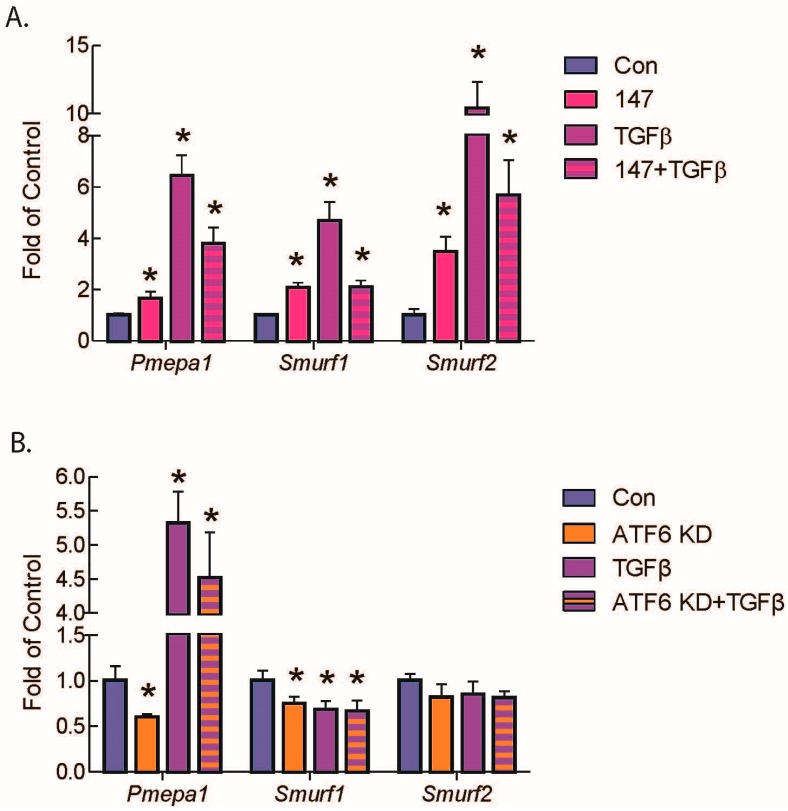
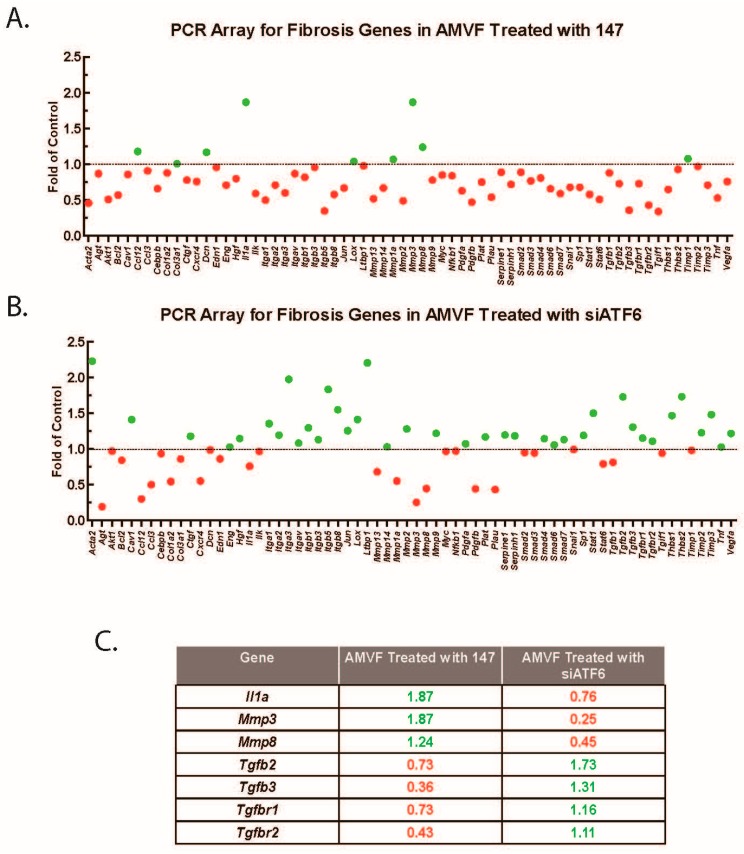
Activating transcription factor-6 α (ATF6) is one of the three main sensors and effectors of the endoplasmic reticulum (ER) stress response and, as such, it is critical for protecting the heart and other tissues from a variety of environmental insults and disease states. In the heart, ATF6 has been shown to protect cardiac myocytes. However, its roles in other cell types in the heart are unknown. Here we show that ATF6 decreases the activation of cardiac fibroblasts in response to the cytokine, transforming growth factor β (TGFβ), which can induce fibroblast trans-differentiation into a myofibroblast phenotype through signaling via the TGFβ-Smad pathway. ATF6 activation suppressed fibroblast contraction and the induction of α smooth muscle actin (αSMA). Conversely, fibroblasts were hyperactivated when ATF6 was silenced or deleted. ATF6 thus represents a novel inhibitor of the TGFβ-Smad axis of cardiac fibroblast activation.
激活转录因子 6α(ATF6)是内质网(ER)应激反应的三个主要传感器和效应器之一,对于保护心脏和其他组织免受各种环境损伤和疾病状态至关重要。在心脏中,ATF6 已被证明可保护心肌细胞。然而,其在心脏中其他细胞类型中的作用尚不清楚。在这里,我们表明 ATF6 可降低细胞因子转化生长因子β(TGFβ)对心脏成纤维细胞的激活反应,该因子可通过 TGFβ-Smad 途径的信号传导诱导成纤维细胞向肌成纤维细胞表型的转分化。ATF6 的激活抑制了成纤维细胞的收缩和α平滑肌肌动蛋白(αSMA)的诱导。相反,当沉默或删除 ATF6 时,成纤维细胞过度激活。因此,ATF6 代表心脏成纤维细胞激活的 TGFβ-Smad 轴的新型抑制剂。