Holford Nick
Department of Pharmacology & Clinical Pharmacology, University of Auckland, Auckland, New Zealand.
Transl Clin Pharmacol. 2019 Dec;27(4):123-126. doi: 10.12793/tcp.2019.27.4.123. Epub 2019 Dec 31.
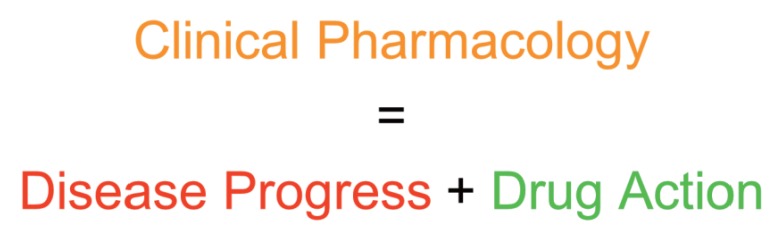
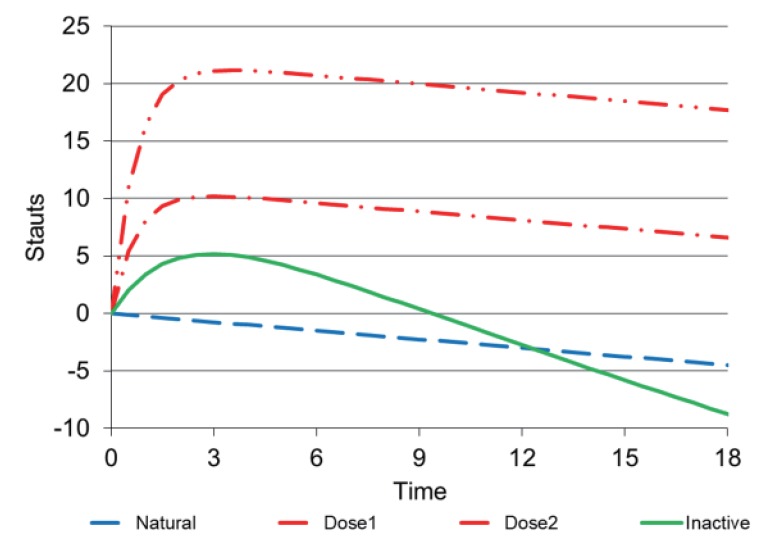
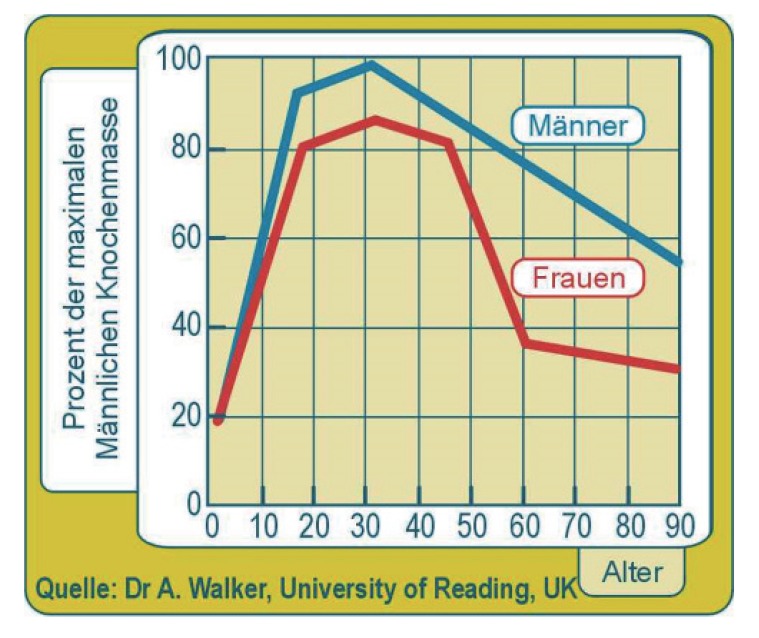
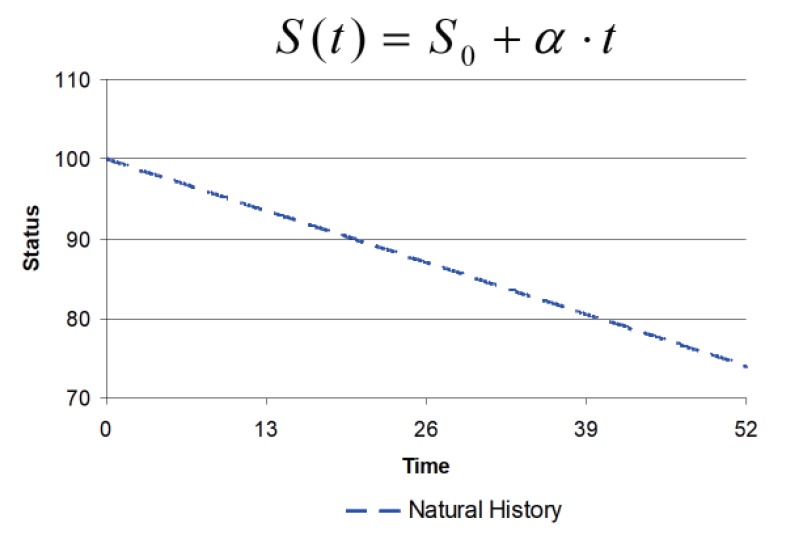
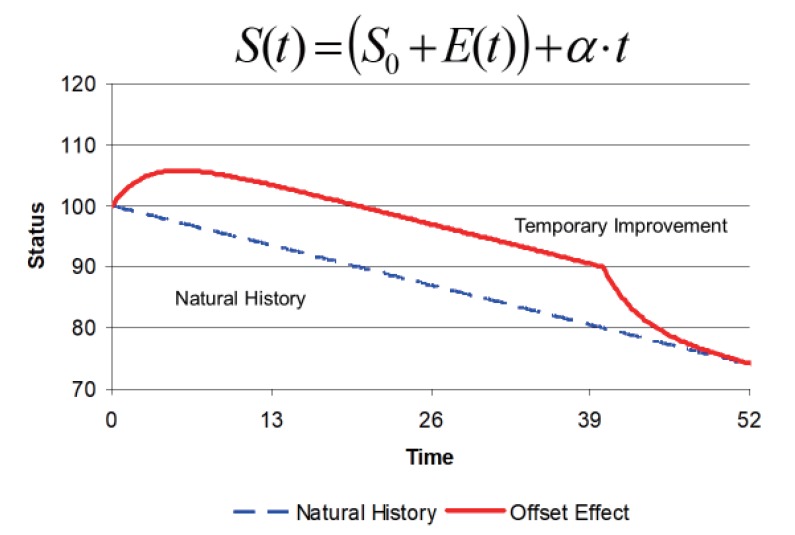
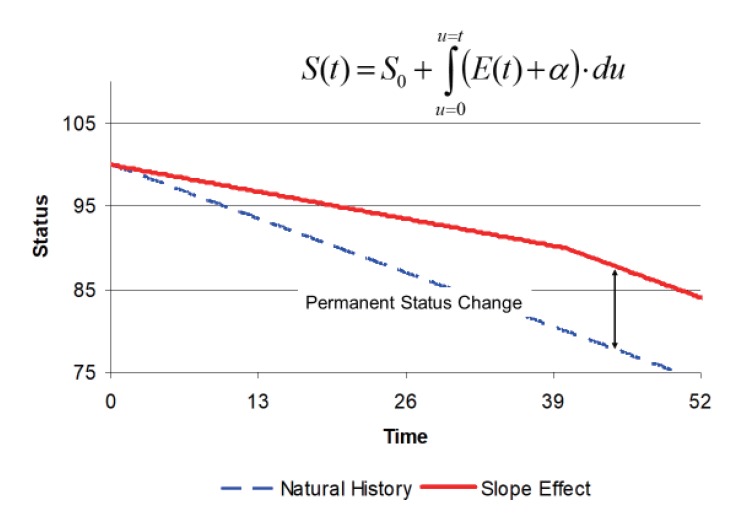
This tutorial defines the concepts of disease progression in the context of clinical pharmacology. Disease progression describes the natural history of disease, such as pain, or biomarker of drug response, such as blood pressure. The action of a drug, such as inhibiting an enzyme or activating a receptor, leads to a change in disease status over time. Two main types of drug response can be defined based on the pattern of the time course of disease status. The most common is a symptomatic effect equivalent to a shift up or down of the natural history curve. Less common but quite clinically important is a disease-modifying effect equivalent to a change in the rate of disease progression.
本教程在临床药理学背景下定义了疾病进展的概念。疾病进展描述了疾病的自然史,如疼痛,或药物反应的生物标志物,如血压。药物的作用,如抑制一种酶或激活一种受体,会导致疾病状态随时间发生变化。根据疾病状态随时间变化的模式,可以定义两种主要类型的药物反应。最常见的是一种症状性效应,相当于自然史曲线向上或向下移动。不太常见但在临床上相当重要的是一种疾病修饰效应,相当于疾病进展速率的改变。