Brooke Laboratories, Clinical and Experimental Sciences, Faculty of Medicine, University of Southampton, Southampton, UK.
National Institute for Health Research (NIHR) Southampton Biomedical Research Centre, University Hospital Southampton NHS Foundation Trust, Southampton, UK.
Clin Exp Allergy. 2020 Jun;50(6):672-686. doi: 10.1111/cea.13591. Epub 2020 Mar 9.
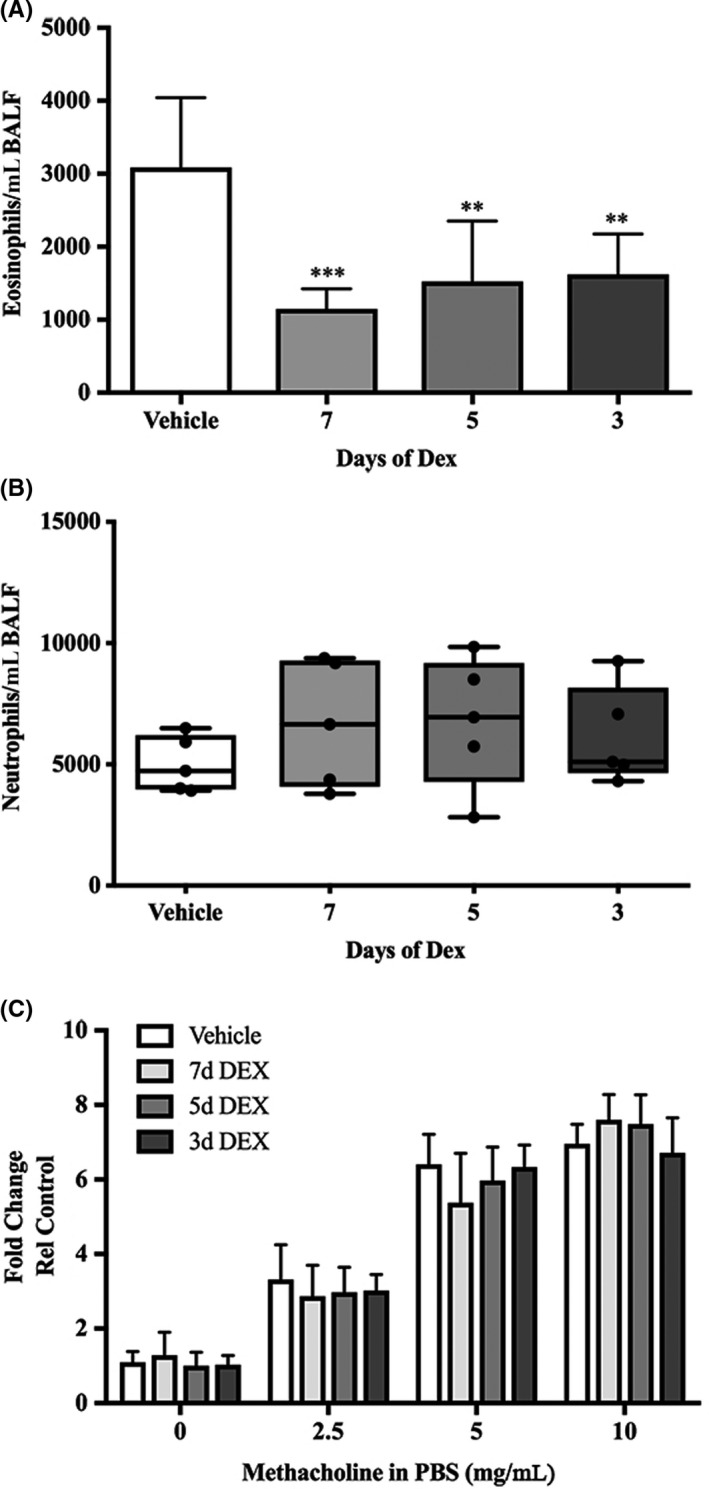
Effective treatment for severe asthma is a significant unmet need. While eosinophilic inflammation caused by type 2 cytokines is responsive to corticosteroid and biologic therapies, many severe asthmatics exhibit corticosteroid-unresponsive mixed granulocytic inflammation.
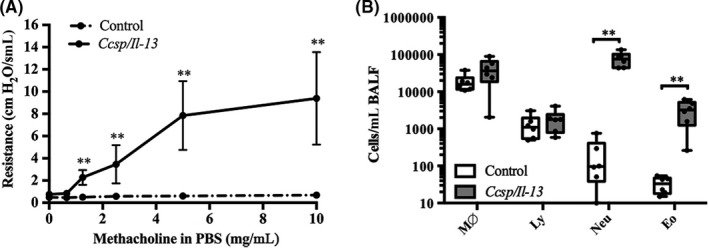
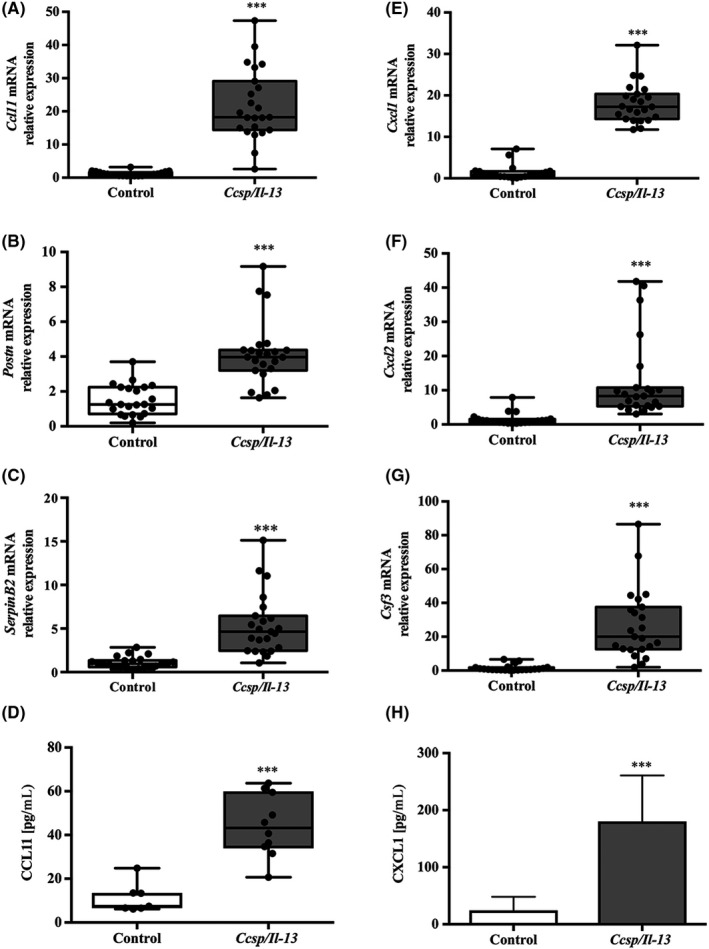
Here, we tested the hypothesis that the pro-allergic cytokine, IL-13, can drive both corticosteroid-sensitive and corticosteroid-resistant responses.
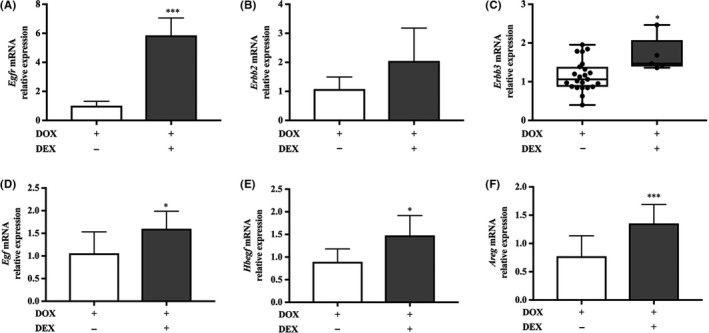
By integration of in vivo and in vitro models of IL-13-driven inflammation, we identify a role for the epidermal growth factor receptor (EGFR/ERBB1) as a mediator of corticosteroid-unresponsive inflammation and bronchial hyperresponsiveness driven by IL-13. Topological data analysis using human epithelial transcriptomic data from the U-BIOPRED cohort identified severe asthma groups with features consistent with the presence of IL-13 and EGFR/ERBB activation, with involvement of distinct EGFR ligands. Our data suggest that IL-13 may play a dual role in severe asthma: on the one hand driving pathologic corticosteroid-refractory mixed granulocytic inflammation, but on the other hand underpinning beneficial epithelial repair responses, which may confound responses in clinical trials.
Detailed dissection of those molecular pathways that are downstream of IL-13 and utilize the ERBB receptor and ligand family to drive corticosteroid-refractory inflammation should enhance the development of new treatments that target this sub-phenotype(s) of severe asthma, where there is an unmet need.
严重哮喘的有效治疗是一个重大的未满足需求。虽然由 2 型细胞因子引起的嗜酸性粒细胞炎症对皮质类固醇和生物疗法有反应,但许多严重哮喘患者表现出皮质类固醇无反应的混合粒细胞炎症。
在这里,我们测试了假设,即促过敏细胞因子 IL-13 可以驱动皮质类固醇敏感和皮质类固醇抵抗反应。
通过整合体内和体外的 IL-13 驱动炎症模型,我们确定了表皮生长因子受体 (EGFR/ERBB1) 作为 IL-13 驱动的皮质类固醇无反应炎症和支气管高反应性的介质的作用。使用 U-BIOPRED 队列的人类上皮转录组数据进行拓扑数据分析,确定了具有 IL-13 和 EGFR/ERBB 激活特征的严重哮喘组,涉及不同的 EGFR 配体。我们的数据表明,IL-13 在严重哮喘中可能发挥双重作用:一方面驱动病理性皮质类固醇难治性混合粒细胞炎症,但另一方面支持有益的上皮修复反应,这可能会混淆临床试验中的反应。
详细剖析那些下游的 IL-13 分子途径,并利用 ERBB 受体和配体家族驱动皮质类固醇难治性炎症,应能增强新疗法的开发,以针对严重哮喘的这种亚表型(s),这是一个未满足的需求。