Institute of Molecular Medicine, National Tsing Hua University, Hsinchu 30013, Taiwan.
Department of Life Science, National Tsing Hua University, Hsinchu 30013, Taiwan.
Int J Mol Sci. 2020 Feb 21;21(4):1463. doi: 10.3390/ijms21041463.
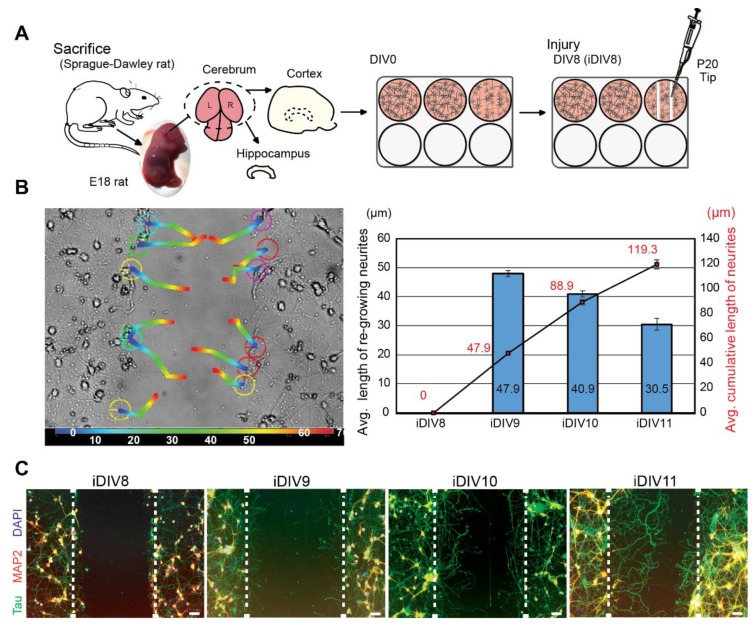
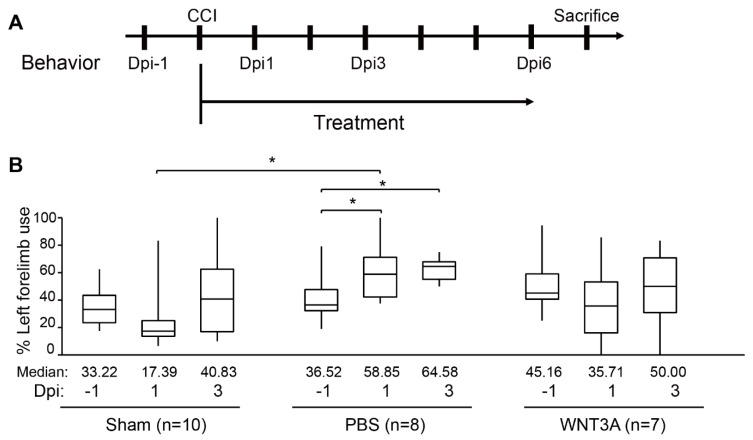
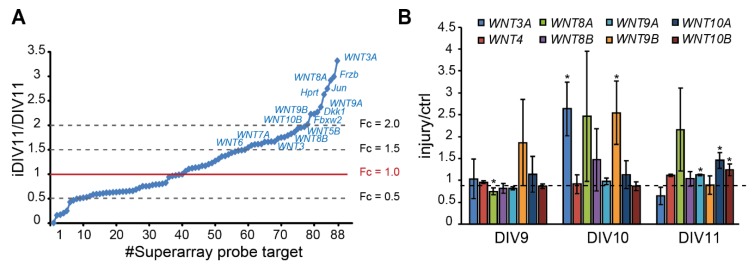
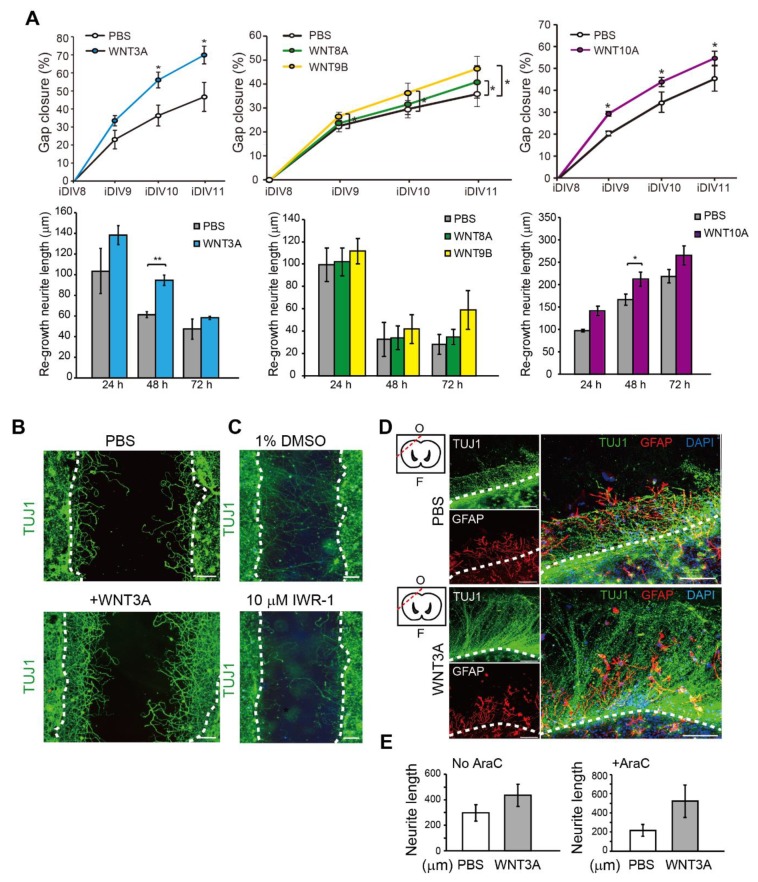
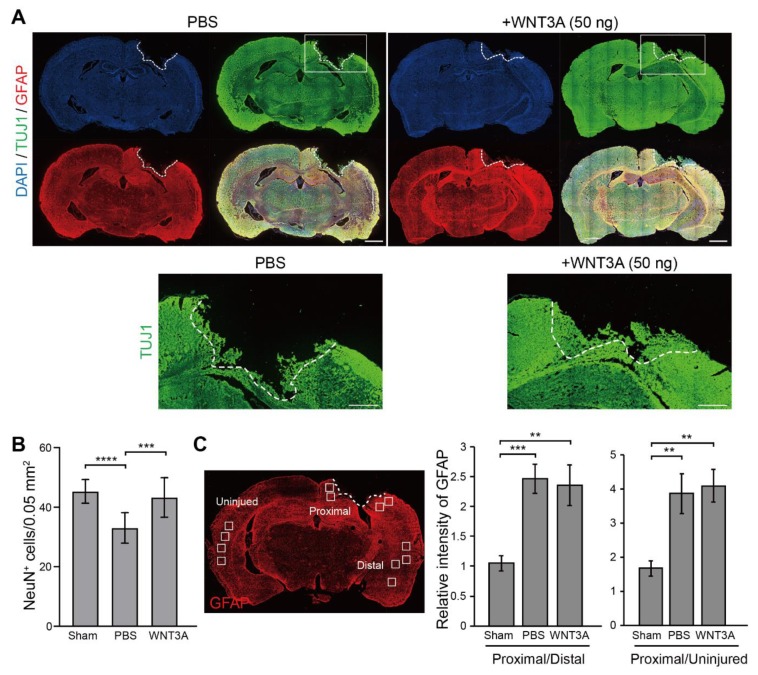
The treatment of traumatic brain injury (TBI) remains a challenge due to limited knowledge about the mechanisms underlying neuronal regeneration. This current study compared the expression of genes during regeneration of injured cortical neurons. Recombinant WNT3A showed positive effect in promoting neuronal regeneration via in vitro, ex vivo, and in vivo TBI models. Intranasal administration of WNT3A protein to TBI mice increased the number of NeuN neurons without affecting GFAP glial cells, compared to control mice, as well as retained motor function based on functional behavior analysis. Our findings demonstrated that WNT3A, 8A, 9B, and 10A promote regeneration of injured cortical neurons. Among these WNTs, WNT3A showed the most promising regenerative potential in vivo, ex vivo, and in vitro.
由于对神经元再生的机制知之甚少,外伤性脑损伤(TBI)的治疗仍然是一个挑战。本研究比较了基因在损伤皮质神经元再生过程中的表达。重组 WNT3A 在体外、离体和体内 TBI 模型中均表现出促进神经元再生的积极作用。与对照组小鼠相比,WNT3A 蛋白经鼻腔给药增加了 TBI 小鼠的 NeuN 神经元数量,而不影响 GFAP 神经胶质细胞,并且基于功能行为分析保留了运动功能。我们的研究结果表明,WNT3A、8A、9B 和 10A 促进了损伤皮质神经元的再生。在这些 WNTs 中,WNT3A 在体内、离体和体外表现出最有希望的再生潜力。