Liu Shanshan, Yang Shili, Ho Paul C
National University of Singapore, 21 Kent Ridge Road, Republic of Singapore.
Asian J Pharm Sci. 2018 Jan;13(1):72-81. doi: 10.1016/j.ajps.2017.09.001. Epub 2017 Sep 12.
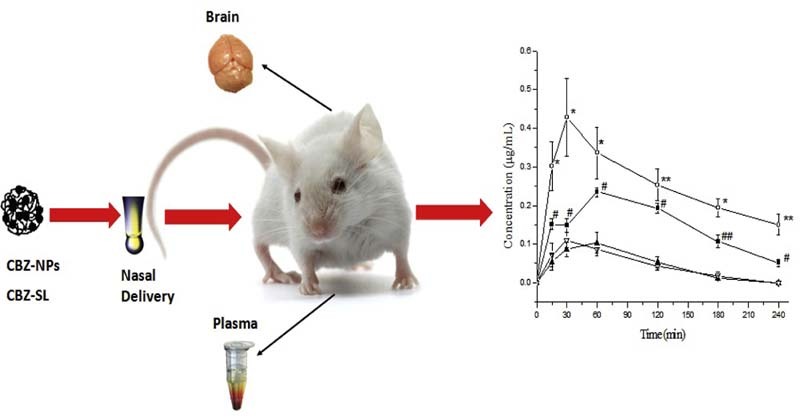
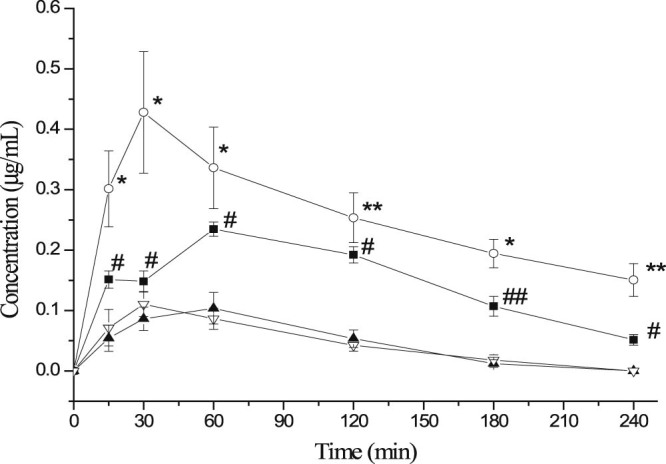
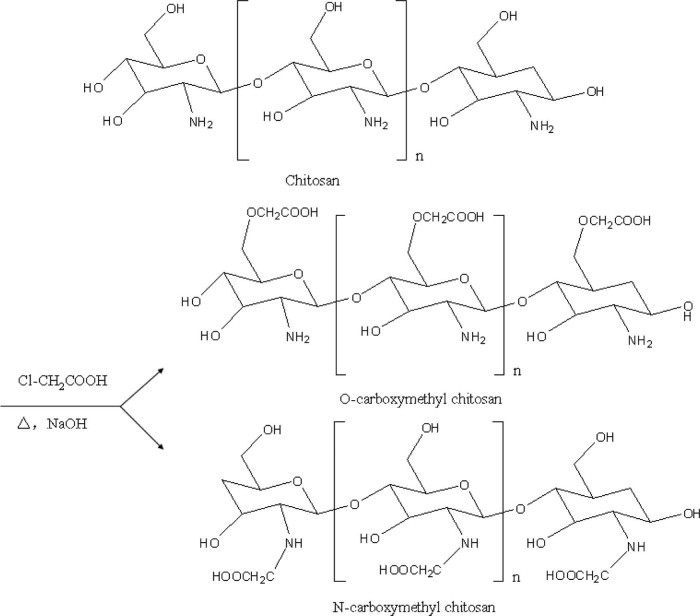
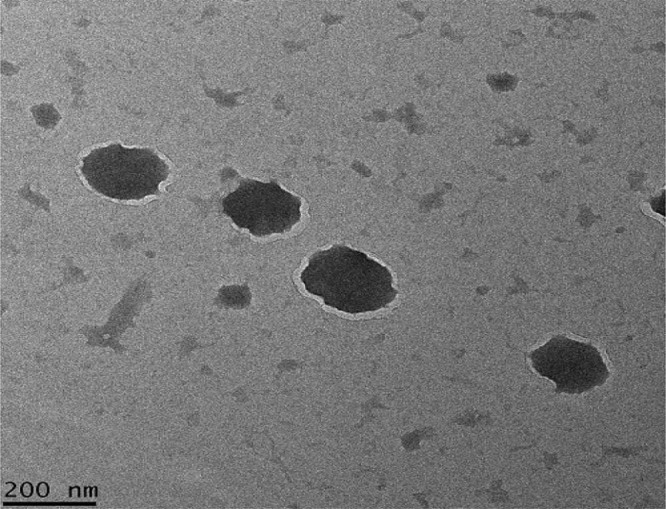
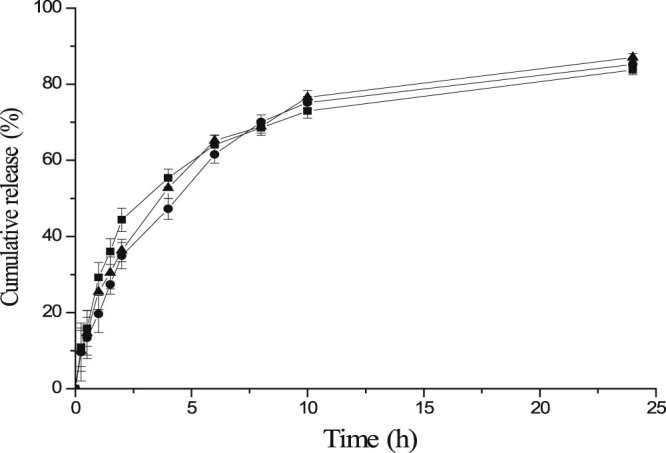
Epilepsy is considered as a common and diverse set of chronic neurological disorders and its symptoms can be controlled by antiepileptic drugs (AEDs). The presence of p-glycoprotein and multi-drug resistance transporters in the blood-brain barrier could prevent the entry of AEDs into the brain, causing drug resistant epilepsy. To overcome this problem, we propose using carboxymethyl chitosan nanoparticles as a carrier to deliver carbamazepine (CBZ) intra-nasally with the purpose to bypass the blood-brain barrier thus to enhance the brain drug concentration and the treatment efficacy. Results so far indicate that the developed CBZ-NPs have small particle size (218.76 ± 2.41 nm) with high drug loading (around 35%) and high entrapment efficiency (around 80%). The release profiles of CBZ from the NPs are in accordance with the Korsmeyer-peppas model. The results show that both encapsulation of CBZ in nanoparticles and the nasal route determined the enhancement of the drug bioavailability and brain targeting characteristics.
癫痫被认为是一组常见且多样的慢性神经疾病,其症状可通过抗癫痫药物(AEDs)得到控制。血脑屏障中存在的P-糖蛋白和多药耐药转运体可能会阻止AEDs进入大脑,从而导致药物难治性癫痫。为克服这一问题,我们建议使用羧甲基壳聚糖纳米颗粒作为载体,通过鼻腔给药递送卡马西平(CBZ),目的是绕过血脑屏障,从而提高脑内药物浓度和治疗效果。目前的结果表明,所制备的CBZ纳米颗粒粒径小(218.76±2.41nm),载药量高(约35%),包封率高(约80%)。CBZ从纳米颗粒中的释放曲线符合Korsmeyer-peppas模型。结果表明,CBZ包封于纳米颗粒以及鼻腔给药途径均决定了药物生物利用度的提高和脑靶向特性。