Immune Regulation Research Group, School of Biochemistry and Immunology, Trinity Biomedical Sciences Institute, Trinity College Dublin, Dublin, Ireland.
Division of Infection and Immunity, Cardiff University School of Medicine, Heath Park, Cardiff, UK.
J Exp Med. 2020 May 4;217(5). doi: 10.1084/jem.20190834.
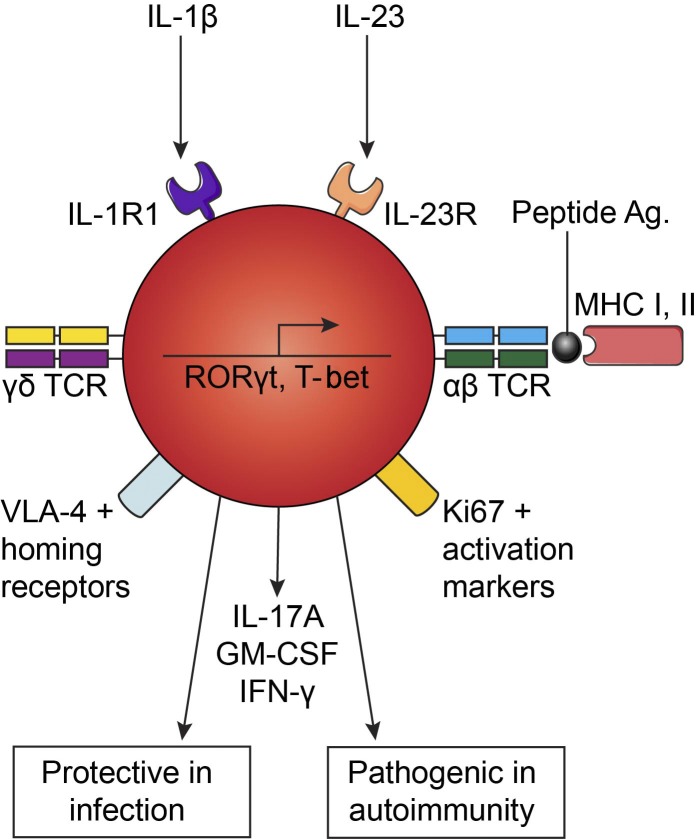
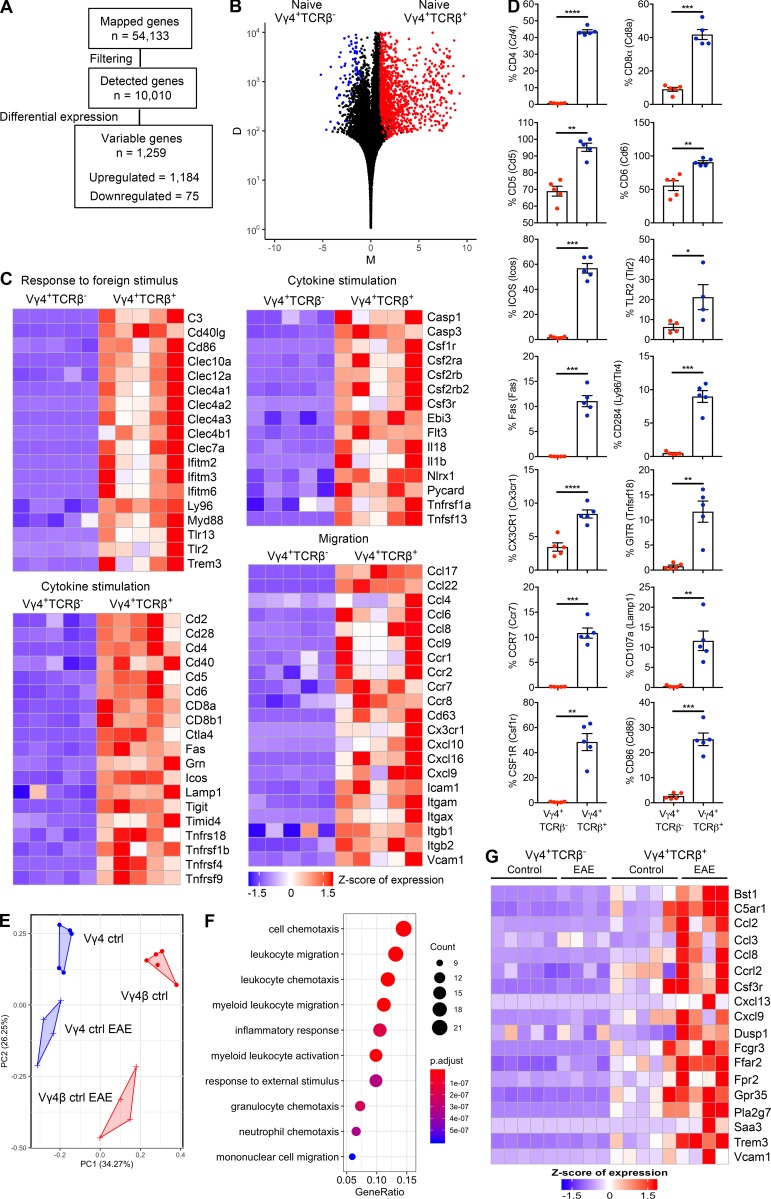
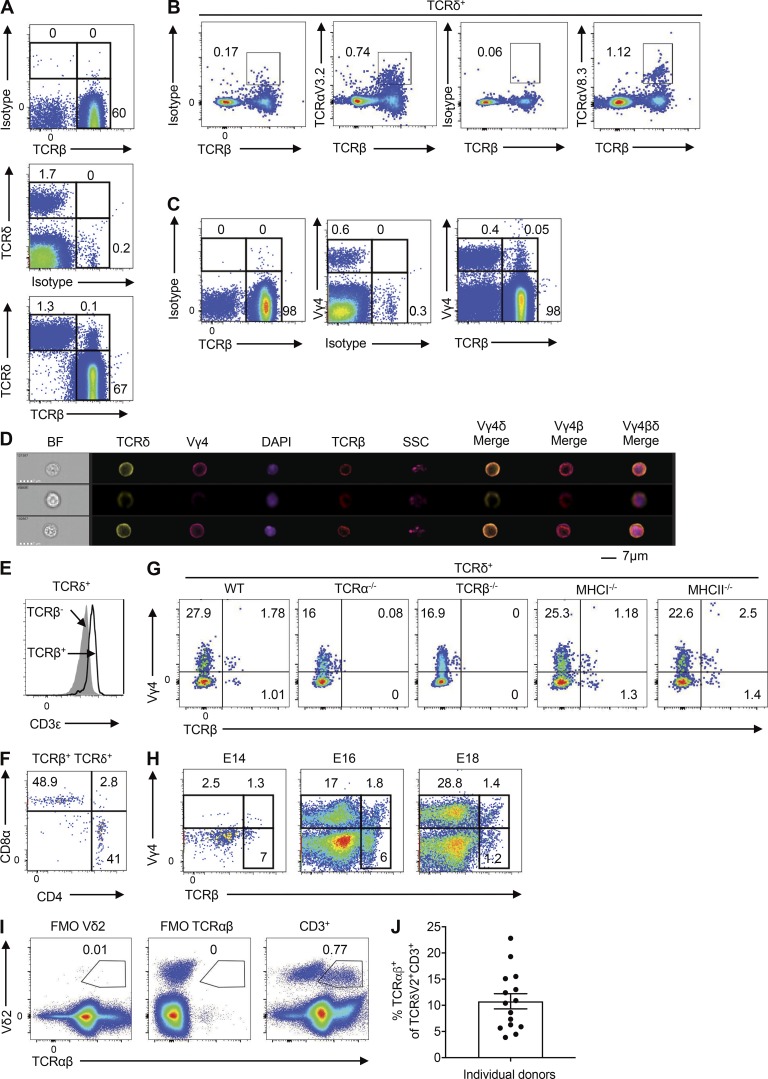
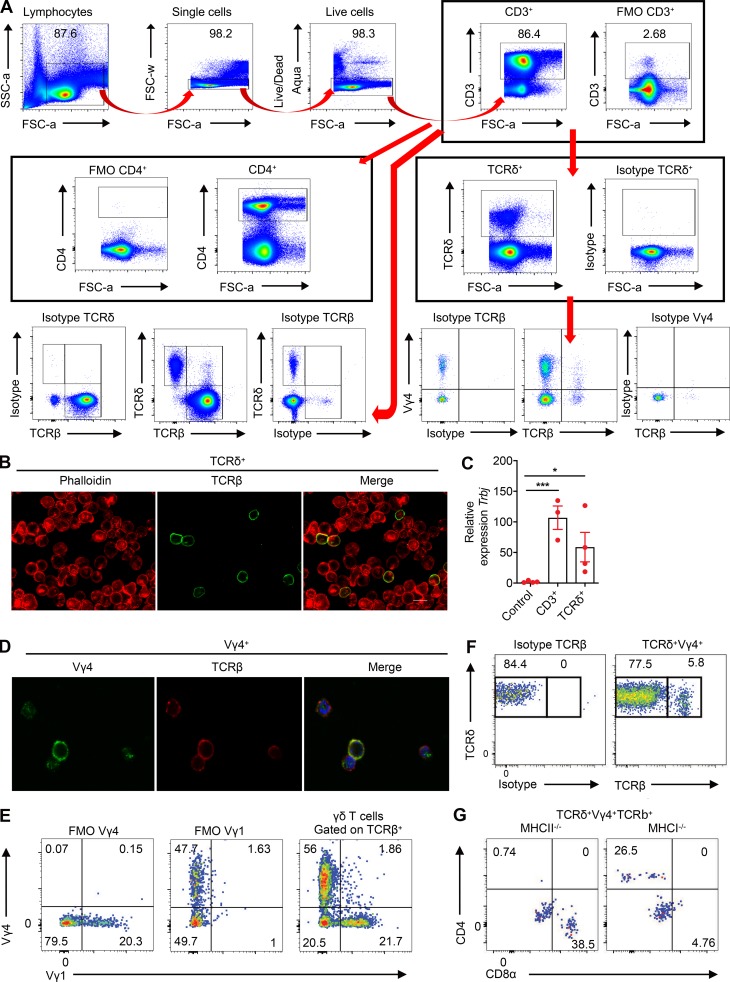
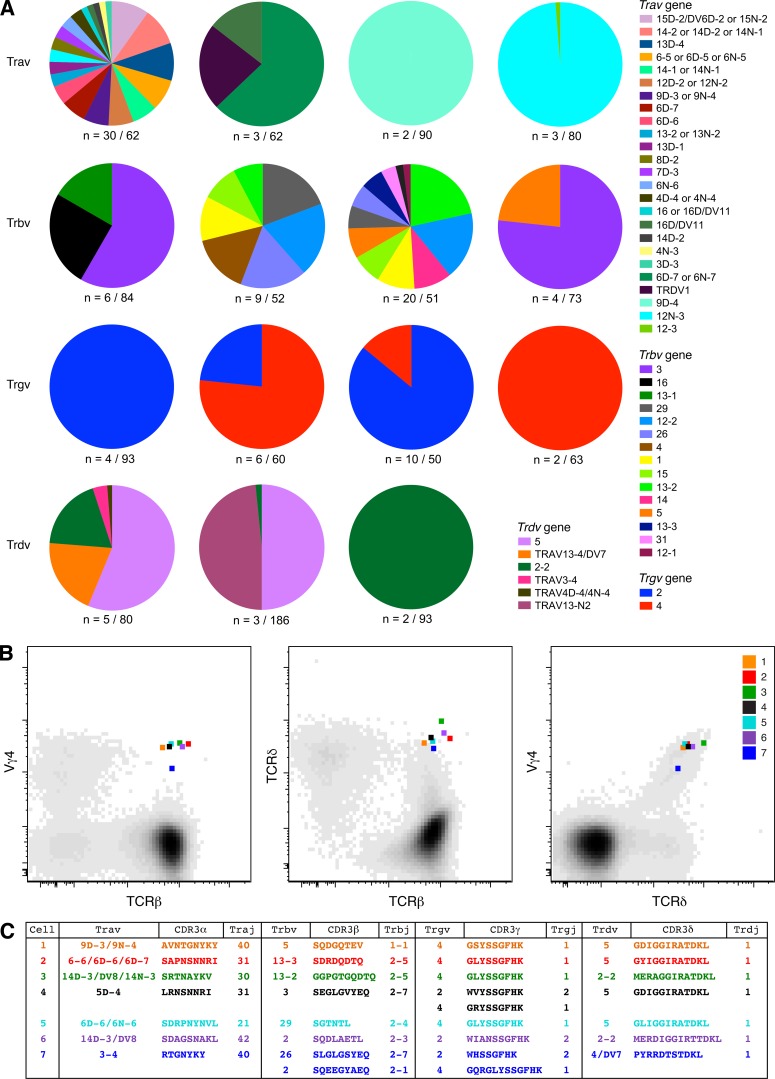
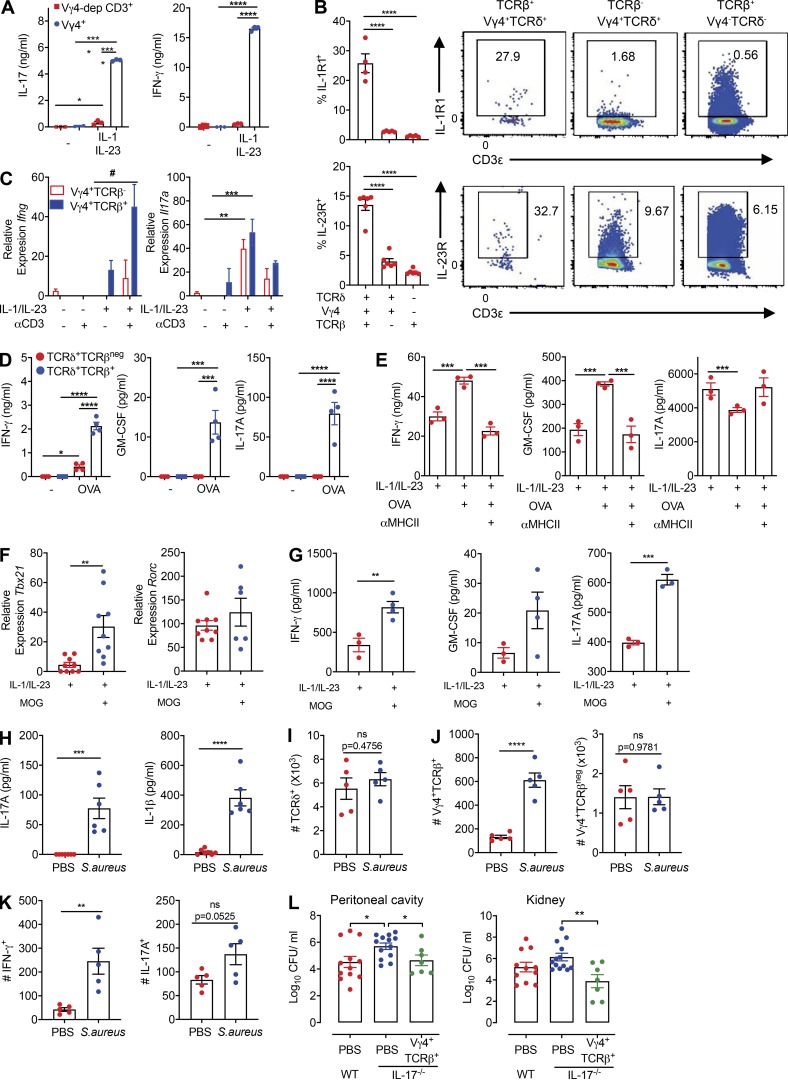
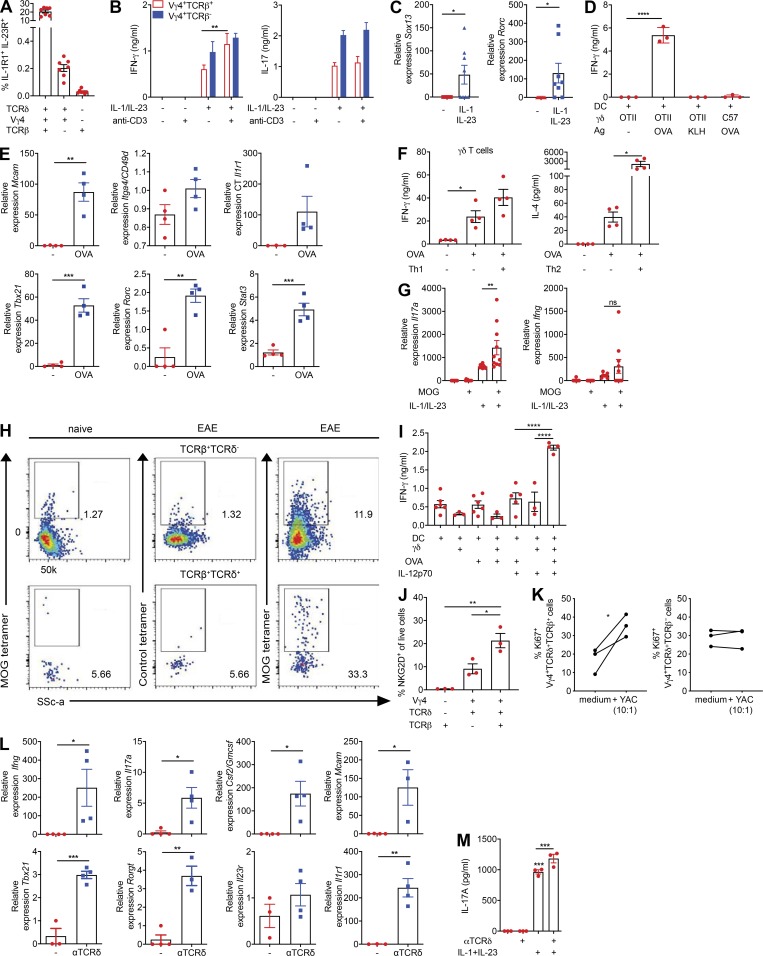
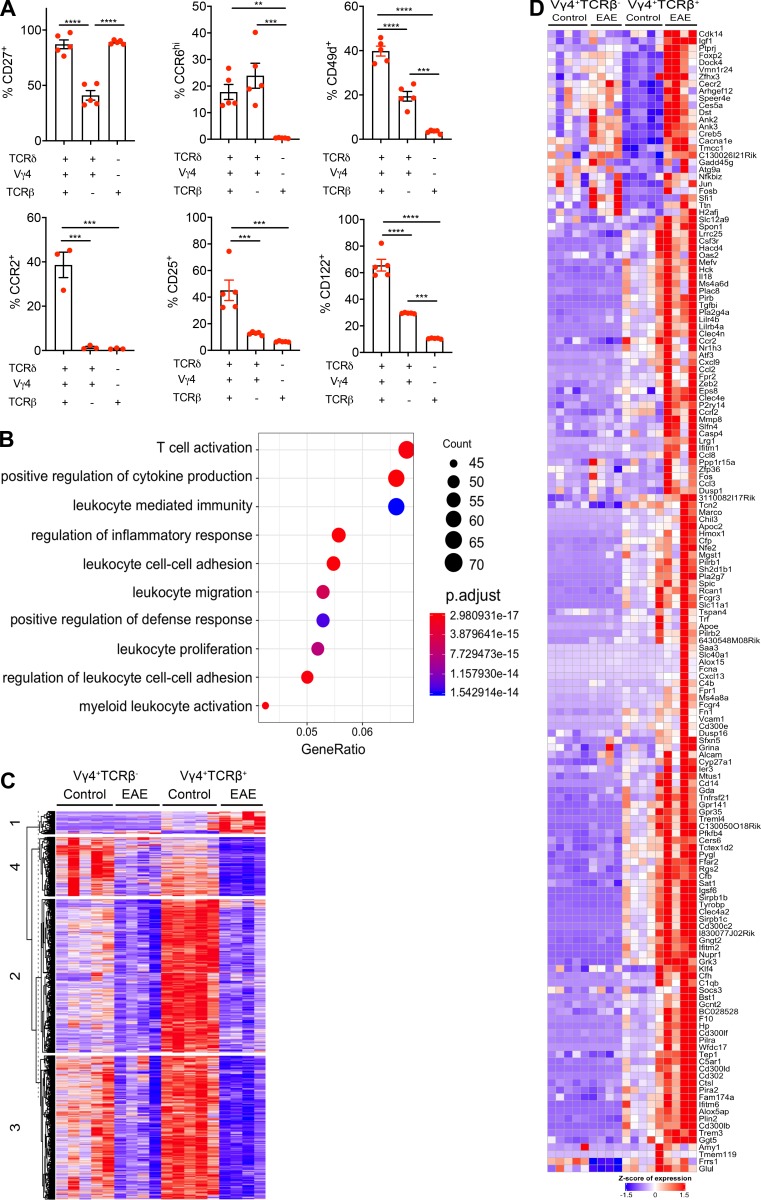
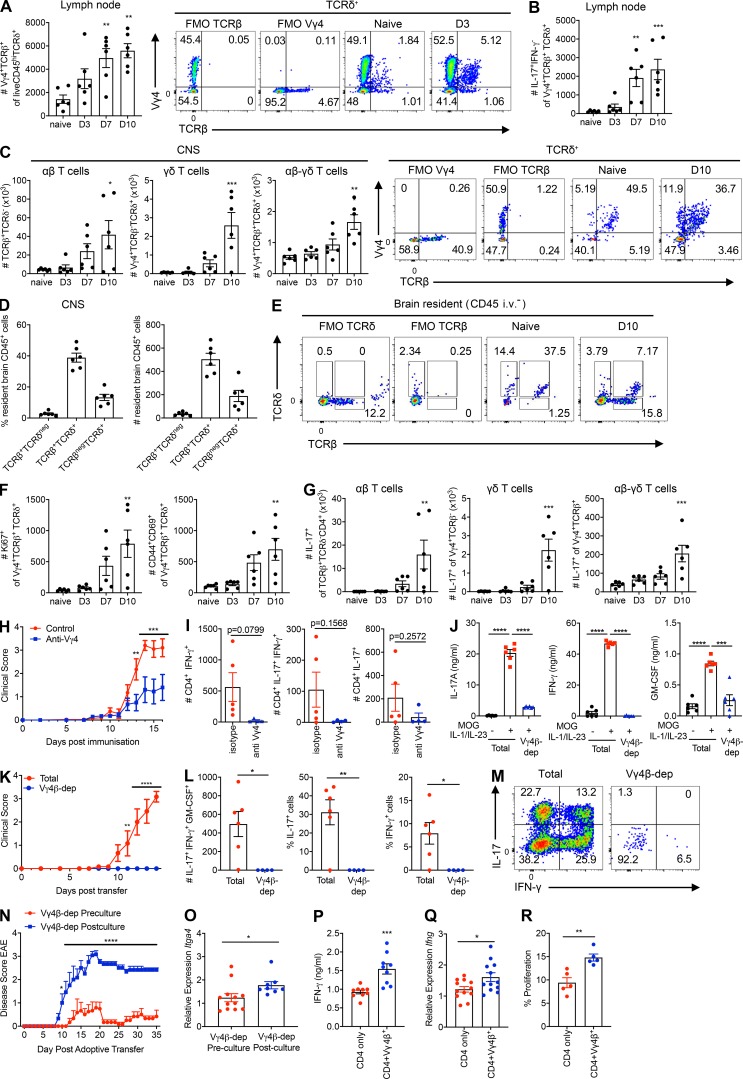
T cells are classically recognized as distinct subsets that express αβ or γδ TCRs. We identify a novel population of T cells that coexpress αβ and γδ TCRs in mice and humans. These hybrid αβ-γδ T cells arose in the murine fetal thymus by day 16 of ontogeny, underwent αβ TCR-mediated positive selection into CD4+ or CD8+ thymocytes, and constituted up to 10% of TCRδ+ cells in lymphoid organs. They expressed high levels of IL-1R1 and IL-23R and secreted IFN-γ, IL-17, and GM-CSF in response to canonically restricted peptide antigens or stimulation with IL-1β and IL-23. Hybrid αβ-γδ T cells were transcriptomically distinct from conventional γδ T cells and displayed a hyperinflammatory phenotype enriched for chemokine receptors and homing molecules that facilitate migration to sites of inflammation. These proinflammatory T cells promoted bacterial clearance after infection with Staphylococcus aureus and, by licensing encephalitogenic Th17 cells, played a key role in the development of autoimmune disease in the central nervous system.
T 细胞通常被认为是表达αβ或γδ TCR 的不同亚群。我们在小鼠和人类中鉴定出一种新型的 T 细胞群体,其同时表达αβ和γδ TCR。这些混合的αβ-γδ T 细胞在小鼠胚胎胸腺中于发育的第 16 天出现,通过αβ TCR 介导的阳性选择进入 CD4+或 CD8+胸腺细胞,并构成淋巴器官中 TCRδ+细胞的 10%。它们表达高水平的 IL-1R1 和 IL-23R,并对经典受限的肽抗原或 IL-1β 和 IL-23 的刺激作出反应,分泌 IFN-γ、IL-17 和 GM-CSF。混合的αβ-γδ T 细胞在转录水平上与传统的γδ T 细胞不同,并表现出高炎症表型,富含趋化因子受体和归巢分子,促进向炎症部位迁移。这些促炎性 T 细胞在感染金黄色葡萄球菌后促进了细菌清除,并通过许可致脑炎的 Th17 细胞,在中枢神经系统自身免疫疾病的发展中发挥了关键作用。