Carapelli Antonio, Greenslade Penelope, Nardi Francesco, Leo Chiara, Convey Peter, Frati Francesco, Fanciulli Pietro Paolo
Department of Life Sciences, University of Siena, Via A. Moro 2, 53100 Siena, Italy.
Environmental Management, School of Health and Life Sciences, Federation University, Ballarat, VIC 3350, Australia.
Insects. 2020 Feb 25;11(3):141. doi: 10.3390/insects11030141.
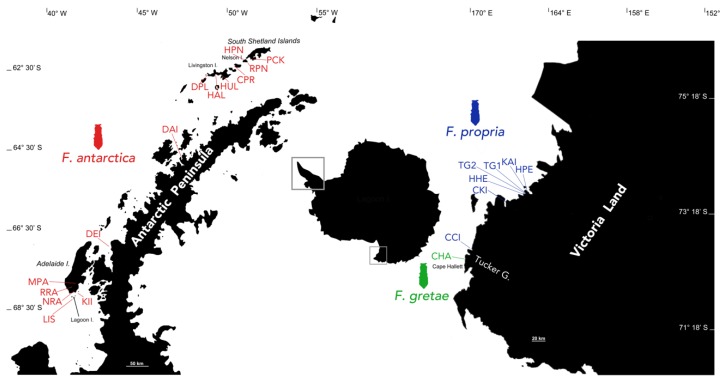
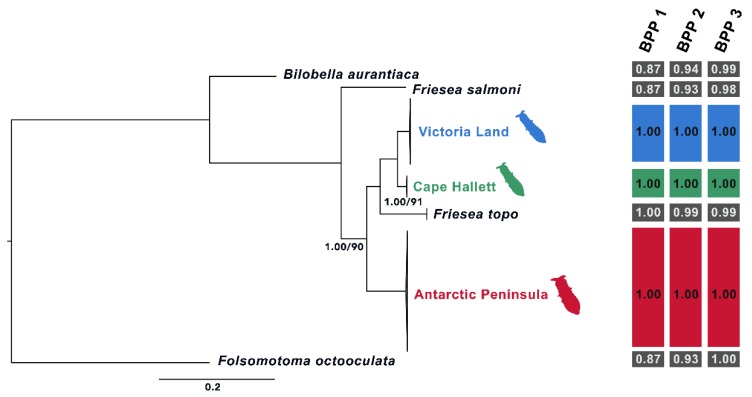
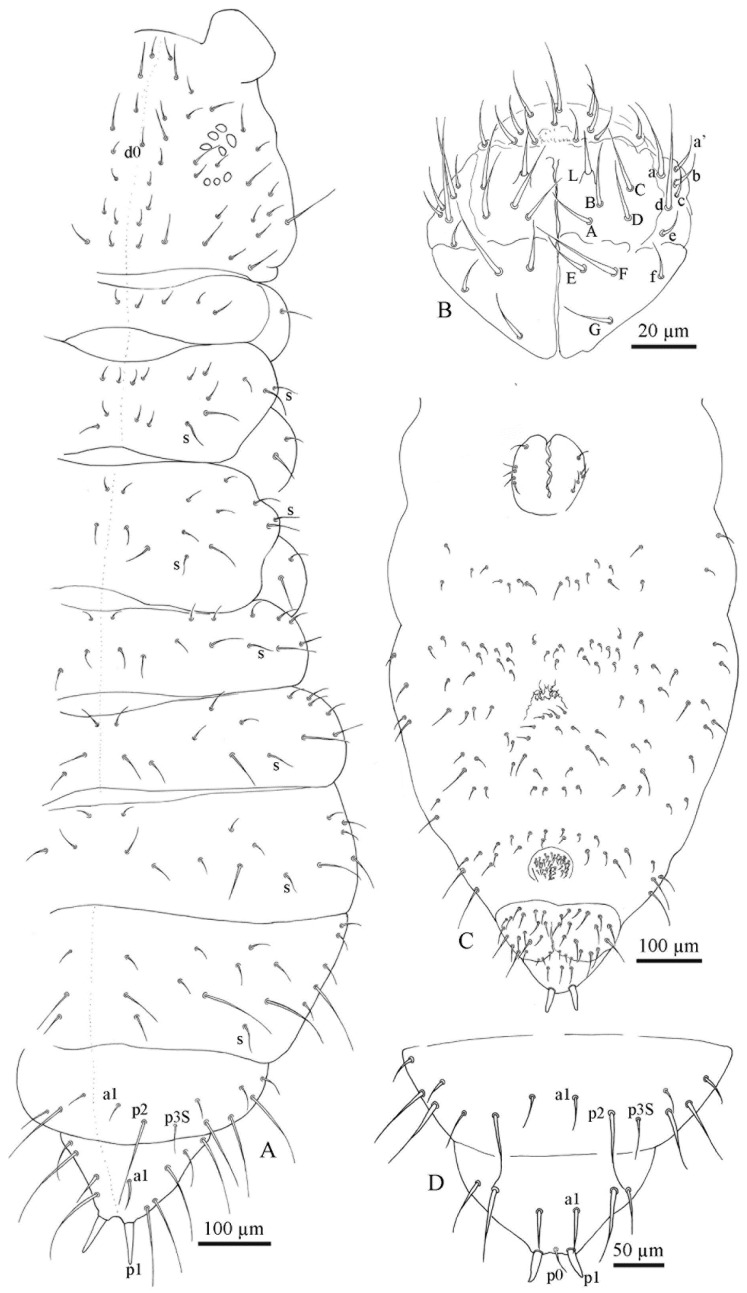
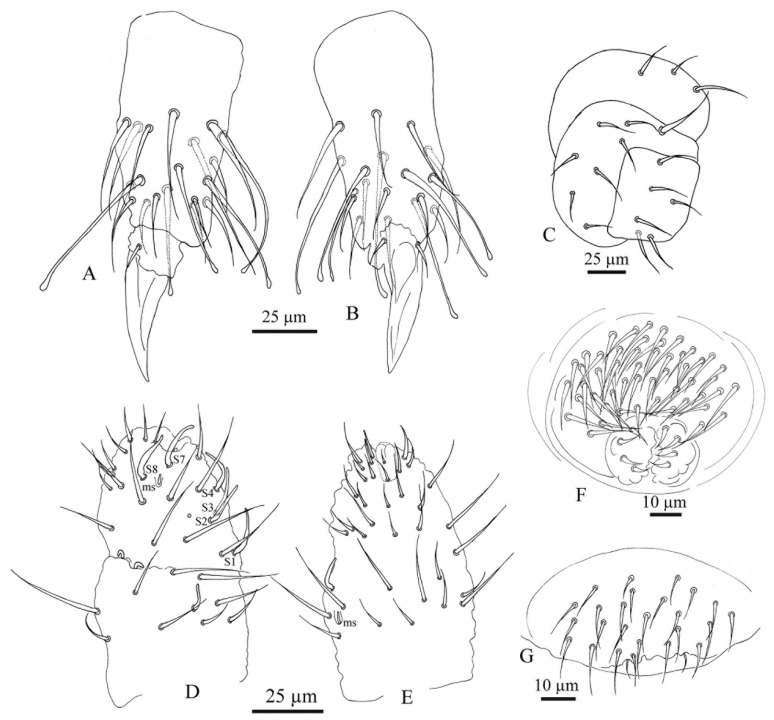
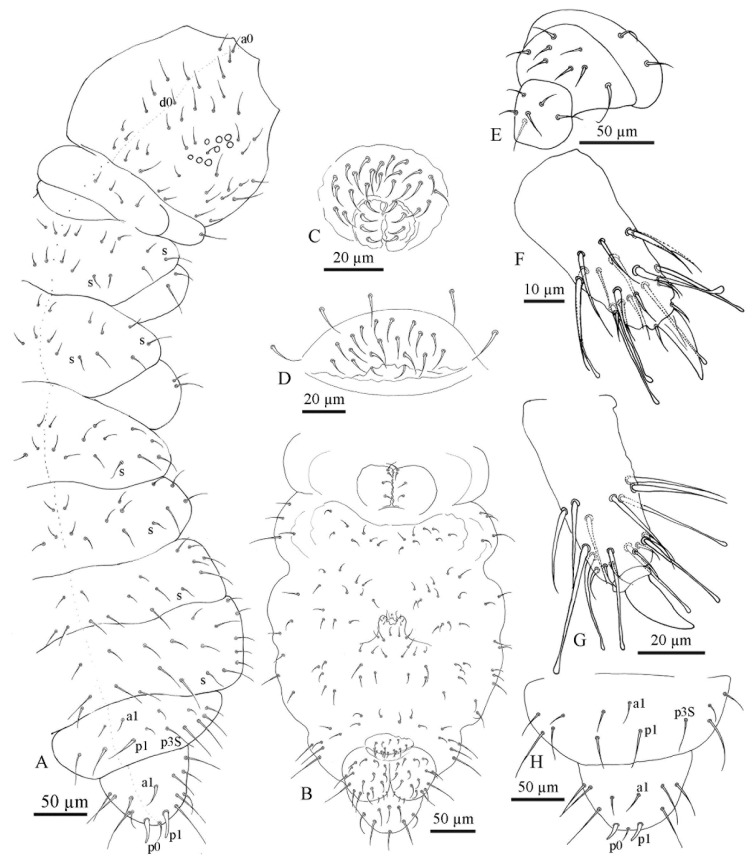
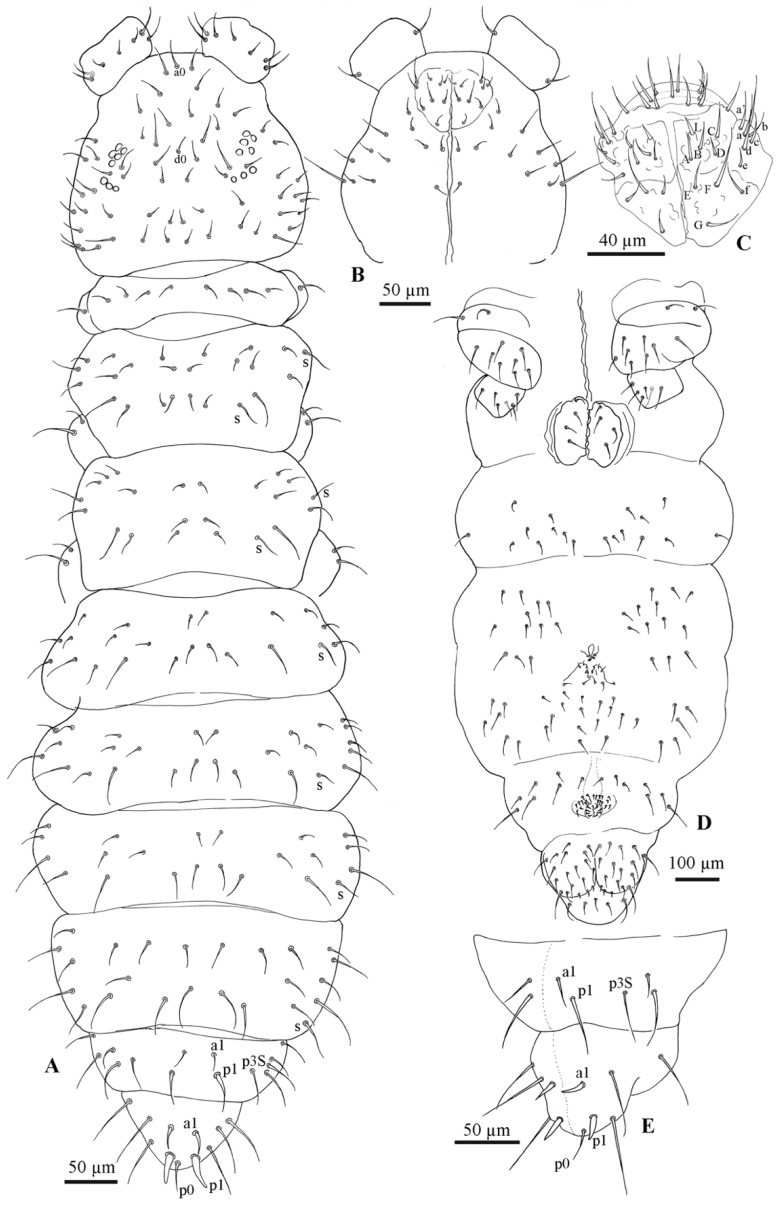
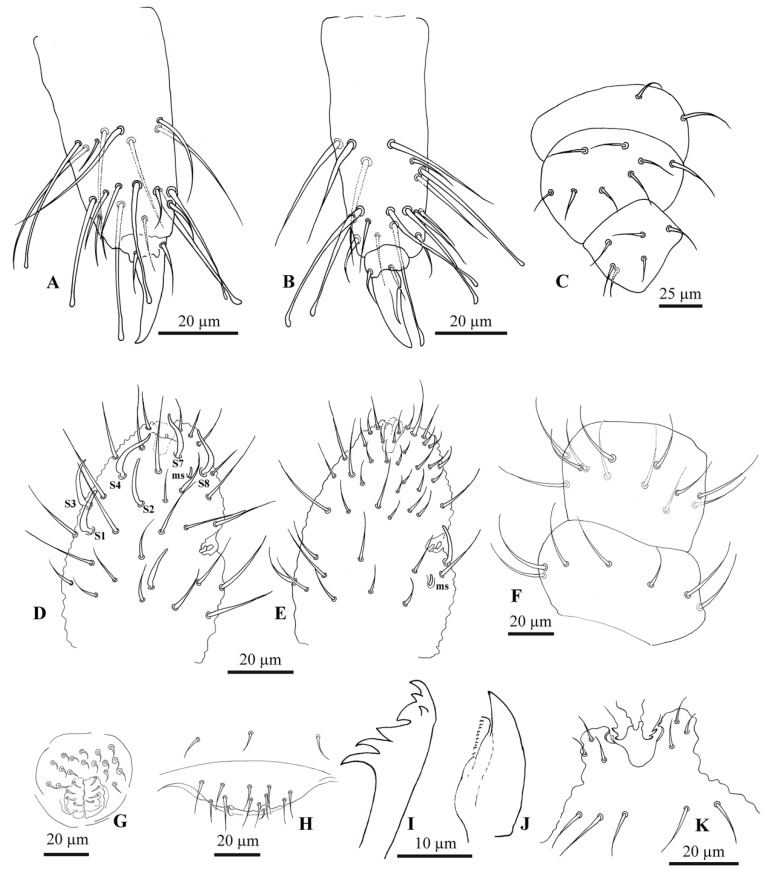
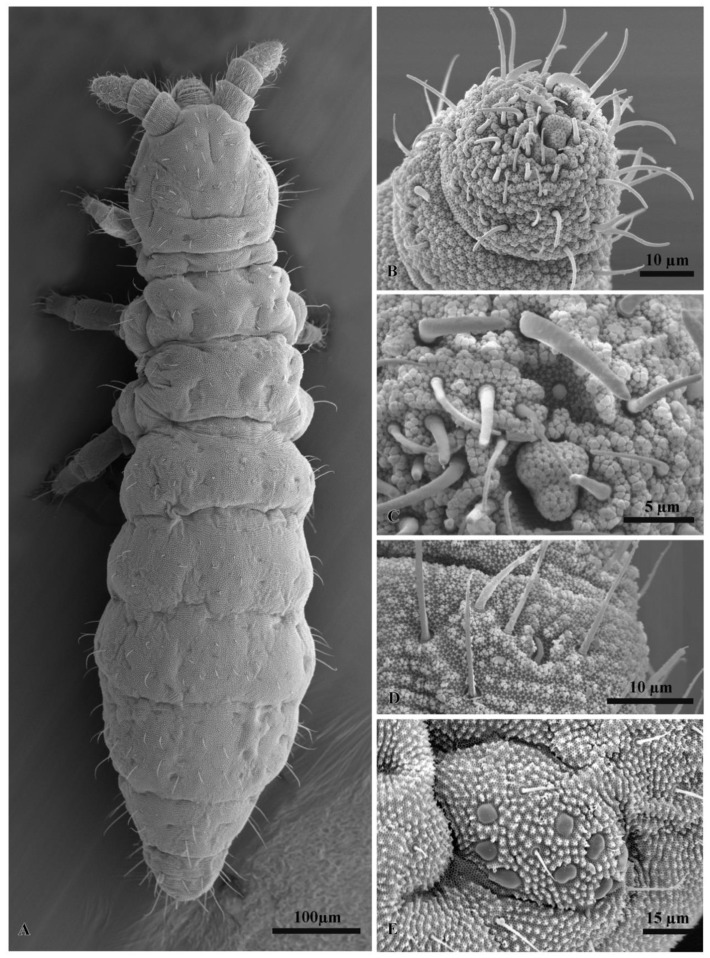
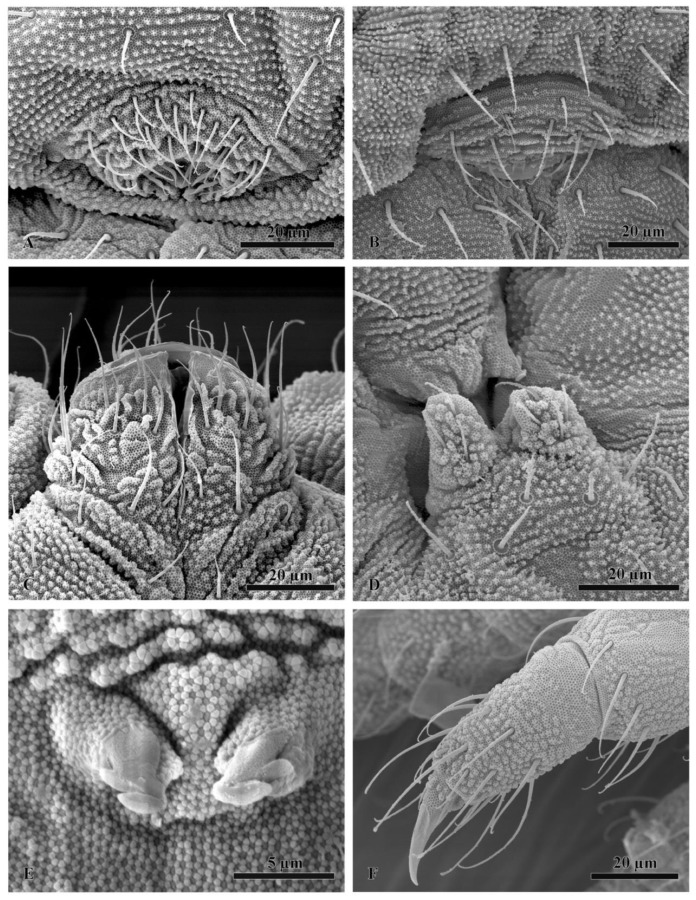
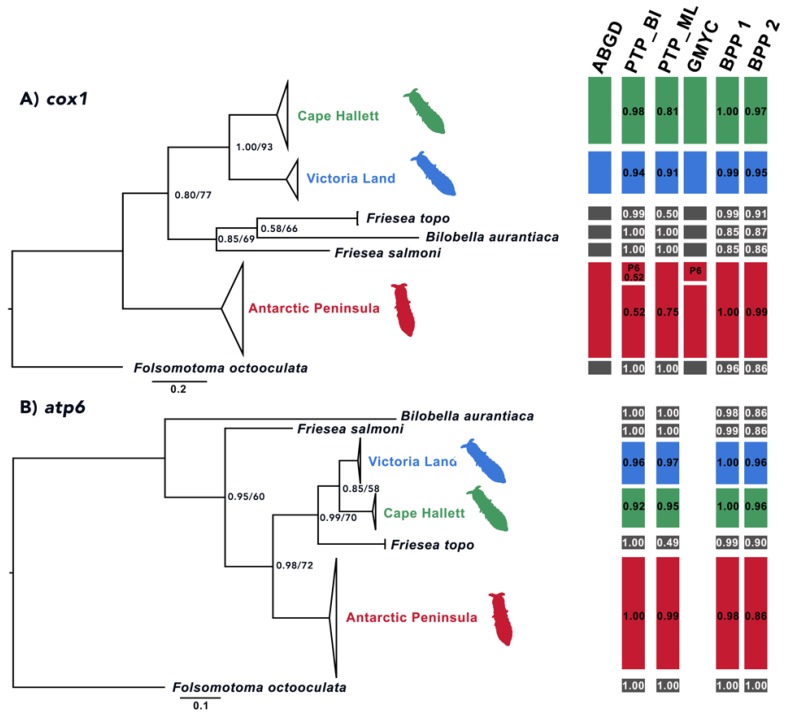
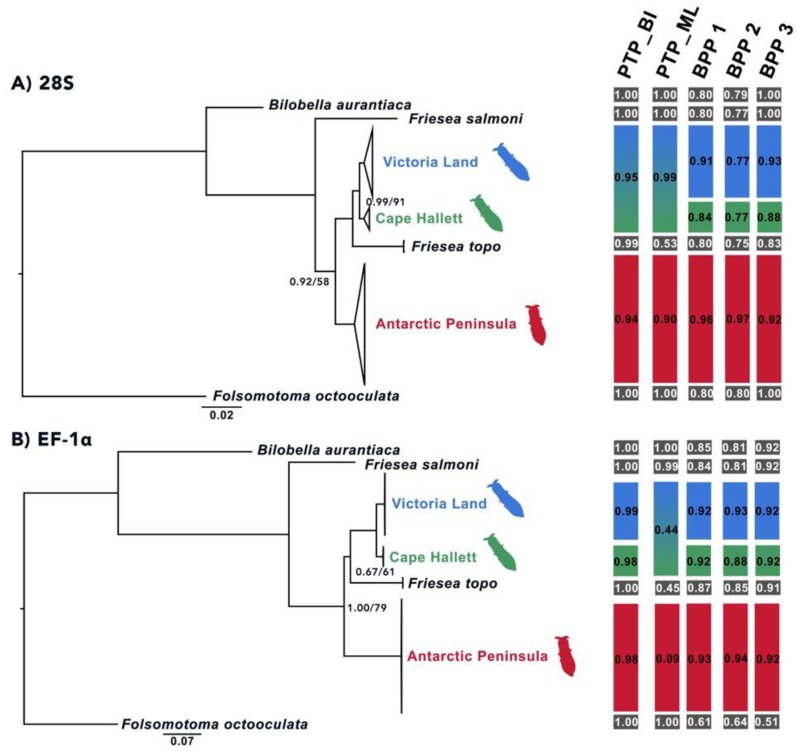
The invertebrate terrestrial fauna of Antarctica is being investigated with increasing interest to discover how life interacts with the extreme polar environment and how millions of years of evolution have shaped their biodiversity. Classical taxonomic approaches, complemented by molecular tools, are improving our understanding of the systematic relationships of some species, changing the nomenclature of taxa and challenging the taxonomic status of others. The springtail has previously been described as the only species with a "pan-Antarctic" distribution. However, recent genetic comparisons have pointed to another scenario. The latest morphological study has confined to the sub-Antarctic island of South Georgia, from which it was originally described, and resurrected as a congeneric species occurring on the continental mainland. Molecular data demonstrate that populations of this taxon, ostensibly occurring across Maritime and Continental Antarctica, as well as on some offshore islands, are evolutionarily isolated and divergent and cannot be included within a single species. The present study, combining morphological with molecular data, attempts to validate this hypothesis and challenges the taxonomic status of suggesting that two additional new species, described here as sp. nov. and sp. nov., are present in Continental Antarctica.
人们对南极洲无脊椎陆地动物群的研究兴趣日益浓厚,旨在探索生命如何与极端极地环境相互作用,以及数百万年的进化如何塑造了它们的生物多样性。传统分类学方法辅以分子工具,正增进我们对某些物种系统关系的理解,改变分类单元的命名,并对其他分类单元的分类地位提出挑战。弹尾虫此前被描述为唯一具有“泛南极”分布的物种。然而,最近的基因比较指向了另一种情况。最新的形态学研究将其限定于最初描述它的南乔治亚亚南极岛屿,并将其重新认定为在南极大陆出现的同属物种。分子数据表明,这个分类单元的种群表面上分布在南极海洋区域和南极大陆以及一些近海岛屿,但在进化上是隔离和分化的,不能归为单一物种。本研究结合形态学和分子数据,试图验证这一假设,并对该分类单元的分类地位提出质疑,表明在南极大陆存在另外两个新物种,分别在此描述为新物种1和新物种2。