Department of Anesthesiology, Intensive Care Medicine and Pain Therapy, University Hospital Giessen, UKGM, Justus-Liebig University Giessen, Giessen, Germany.
Korean J Anesthesiol. 2020 Apr;73(2):103-113. doi: 10.4097/kja.20022. Epub 2020 Feb 28.
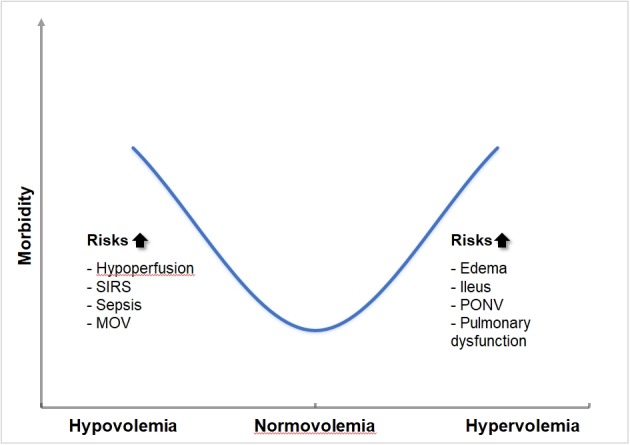
Over 300 million surgical procedures are performed every year worldwide. Anesthesiologists play an important role in the perioperative process by assessing the overall risk of surgery and aim to reduce the risk of complications. Perioperative hemodynamic and volume management can help to improve outcomes in perioperative patients. There has been ongoing discussion about goal-directed therapy. However, there is a consensus that fluid overload and severe fluid depletion in the perioperative period are harmful and can lead to adverse outcomes. This article provides an overview of how to evaluate the fluid responsiveness of patients, details which parameters could be used, and what limitations should be noted.
全球每年有超过 3 亿例手术。麻醉师在围手术期过程中发挥着重要作用,通过评估手术的总体风险,旨在降低并发症风险。围手术期血流动力学和容量管理有助于改善围手术期患者的预后。一直以来都在讨论目标导向治疗。然而,人们普遍认为围手术期的液体超负荷和严重液体耗竭是有害的,并可能导致不良后果。本文概述了如何评估患者的液体反应性,详细说明了可以使用哪些参数以及应该注意哪些限制。