Department of Pediatrics, University of Pittsburgh School of Medicine, Pittsburgh, Pennsylvania, United States of America.
Center for Microbial Pathogenesis, UPMC Children's Hospital of Pittsburgh, Pittsburgh, Pennsylvania, United States of America.
PLoS Pathog. 2020 Feb 28;16(2):e1008380. doi: 10.1371/journal.ppat.1008380. eCollection 2020 Feb.
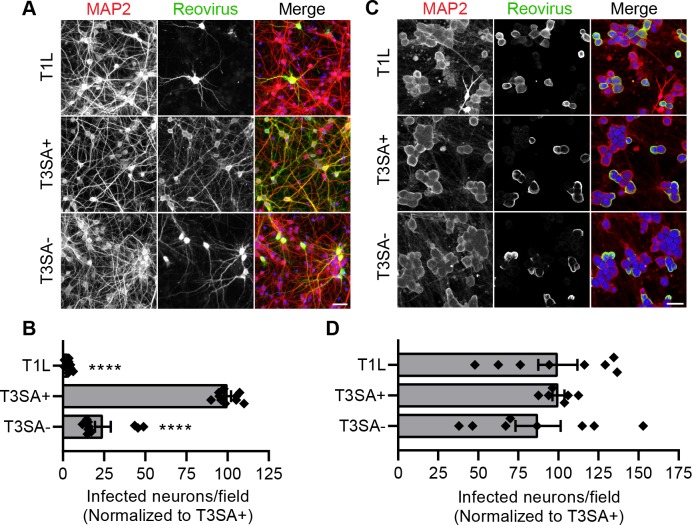
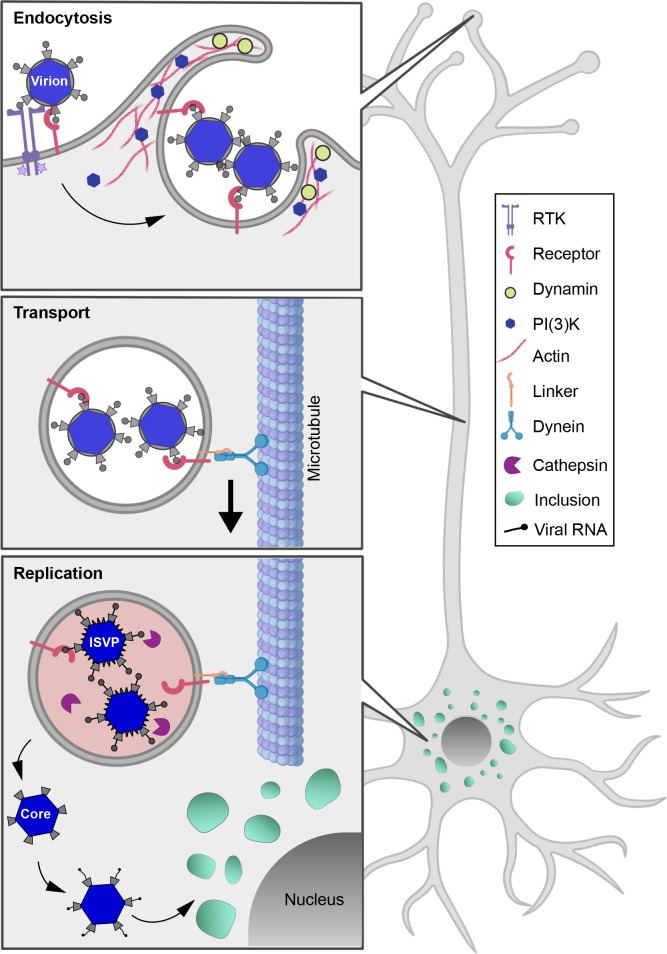
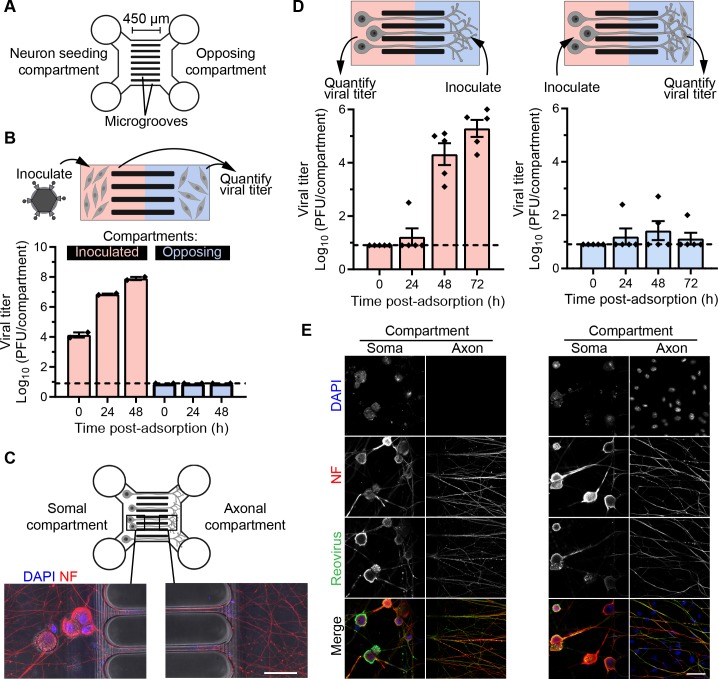
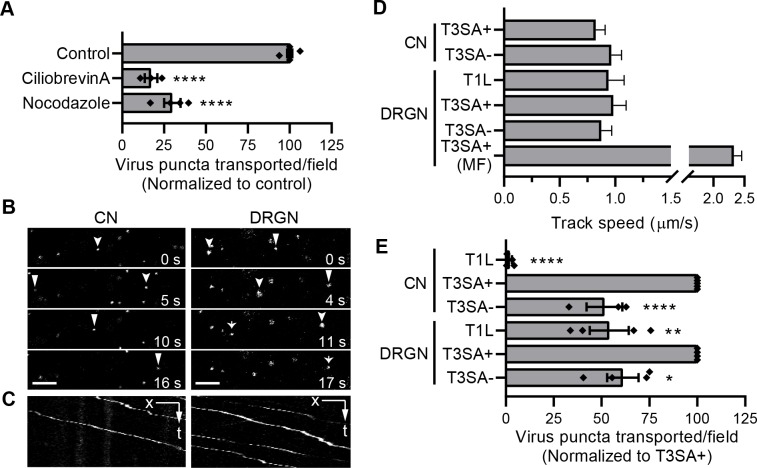
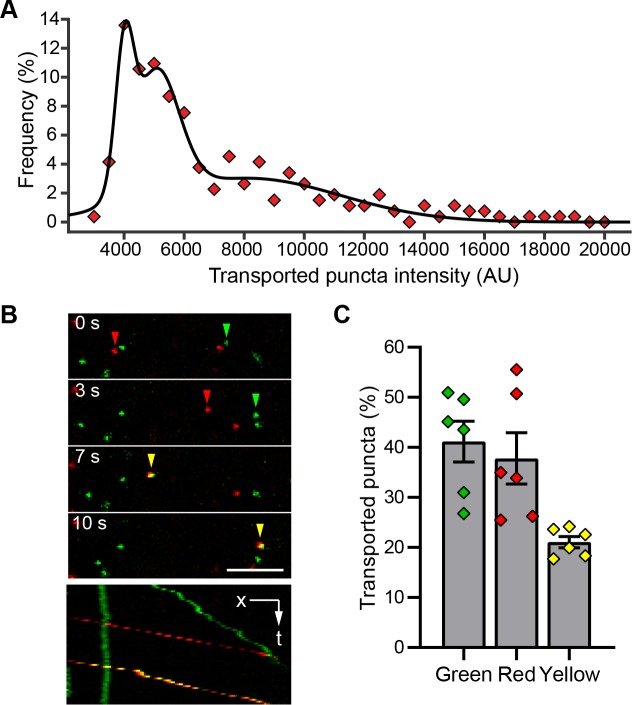
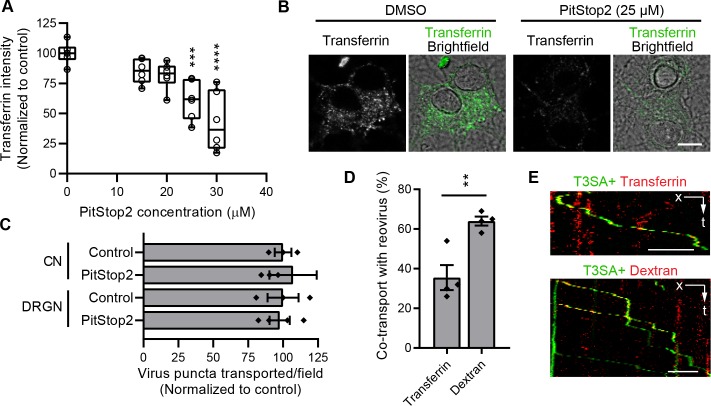
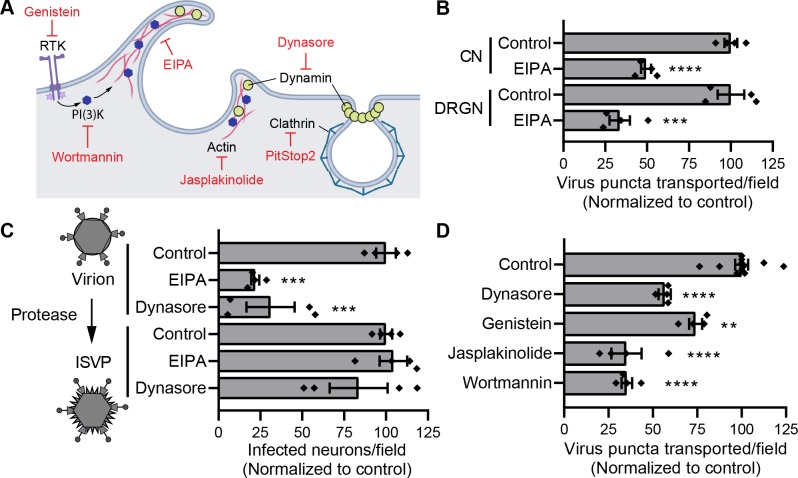
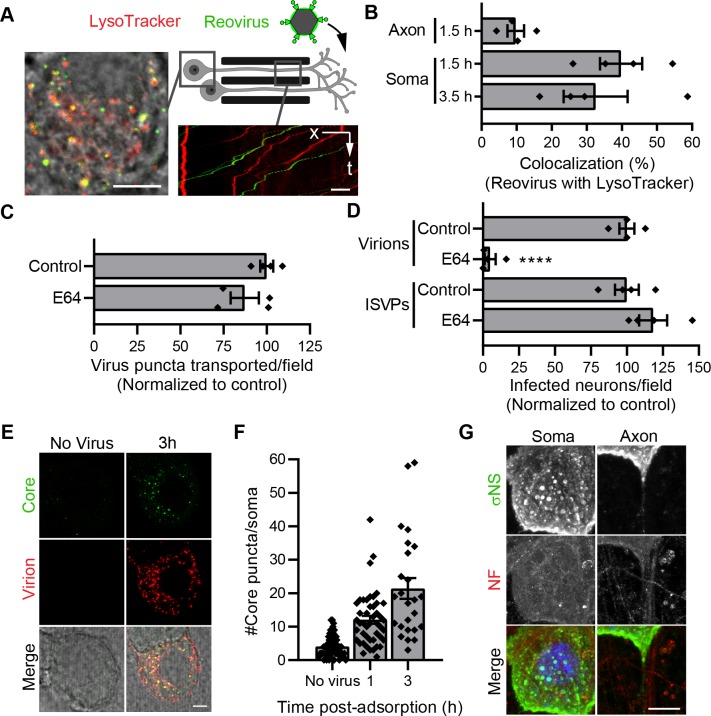
Several barriers protect the central nervous system (CNS) from pathogen invasion. Yet viral infections of the CNS are common and often debilitating. Understanding how neurotropic viruses co-opt host machinery to overcome challenges to neuronal entry and transmission is important to combat these infections. Neurotropic reovirus disseminates through neural routes and invades the CNS to cause lethal encephalitis in newborn animals. To define mechanisms of reovirus neuronal entry and directional transport, we used primary neuron cultures, which reproduce in vivo infection patterns displayed by different reovirus serotypes. Treatment of neurons with small-molecule inhibitors of different endocytic uptake pathways allowed us to discover that the cellular machinery mediating macropinocytosis is required for reovirus neuronal entry. This mechanism of reovirus entry differs from clathrin-mediated endocytosis, which is used by reovirus to invade non-neuronal cells. Analysis of reovirus transport and release from isolated soma or axonal termini of neurons cultivated in microfluidic devices indicates that reovirus is capable of retrograde but only limited anterograde neuronal transmission. The dynamics of retrograde reovirus movement are consistent with fast axonal transport coordinated by dynein along microtubules. Further analysis of viral transport revealed that multiple virions are transported together in axons within non-acidified vesicles. Reovirus-containing vesicles acidify after reaching the soma, where disassembly of virions and release of the viral core into the cytoplasm initiates replication. These results define mechanisms of reovirus neuronal entry and transport and establish a foundation to identify common host factors used by neuroinvasive viruses. Furthermore, our findings emphasize consideration of cell type-specific entry mechanisms in the tailored design of neurotropic viruses as tracers, oncolytic agents, and delivery vectors.
几种屏障保护中枢神经系统(CNS)免受病原体入侵。然而,CNS 的病毒感染很常见,且常常使人虚弱。了解嗜神经病毒如何利用宿主机制来克服神经元进入和传播的挑战,对于对抗这些感染非常重要。嗜神经呼肠孤病毒通过神经途径传播并入侵 CNS,导致新生动物致命性脑炎。为了定义呼肠孤病毒神经元进入和定向运输的机制,我们使用原代神经元培养物,该培养物再现了不同呼肠孤病毒血清型的体内感染模式。用不同的内吞摄取途径的小分子抑制剂处理神经元,使我们能够发现介导巨胞饮作用的细胞机制是呼肠孤病毒神经元进入所必需的。这种呼肠孤病毒进入机制与网格蛋白介导的内吞作用不同,后者被呼肠孤病毒用于入侵非神经元细胞。对在微流控装置中培养的分离的神经元体或轴突末端的呼肠孤病毒运输和释放的分析表明,呼肠孤病毒能够逆行,但只能有限地顺行神经元传播。逆行呼肠孤病毒运动的动力学与沿微管协调的动力蛋白的快速轴突运输一致。对病毒运输的进一步分析表明,多个病毒粒子在未酸化的囊泡内的轴突中一起运输。呼肠孤病毒囊泡在到达神经元体后酸化,其中病毒粒子的解体和病毒核心释放到细胞质中启动复制。这些结果定义了呼肠孤病毒神经元进入和运输的机制,并为鉴定神经侵袭性病毒使用的共同宿主因子奠定了基础。此外,我们的发现强调了在针对神经嗜性病毒作为示踪剂、溶瘤剂和递药载体的有针对性设计中考虑细胞类型特异性进入机制的重要性。