Gjonaj Lorina, Sapmaz Aysegul, Flierman Dennis, Janssen George M C, van Veelen Peter A, Ovaa Huib
Oncode Institute , Department of Cell and Chemical Biology , Leiden University Medical Center , Einthovenweg 20 , 2333 ZC , Leiden , The Netherlands . Email:
Centre for Proteomics and Metabolomics , Leiden University Medical Center , Albinusdreef 2 , 2333 ZA , Leiden , The Netherlands.
Chem Sci. 2019 Sep 30;10(44):10290-10296. doi: 10.1039/c9sc02226k. eCollection 2019 Nov 28.
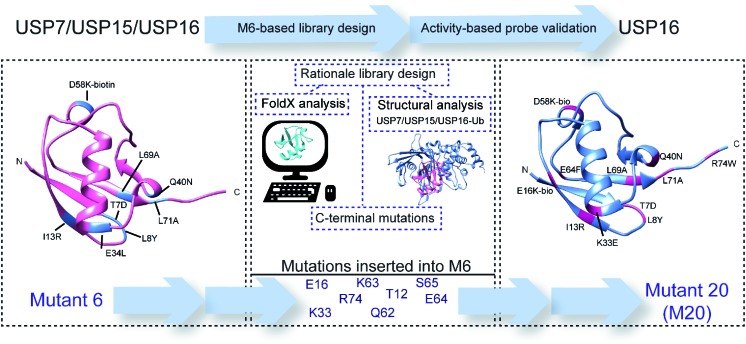
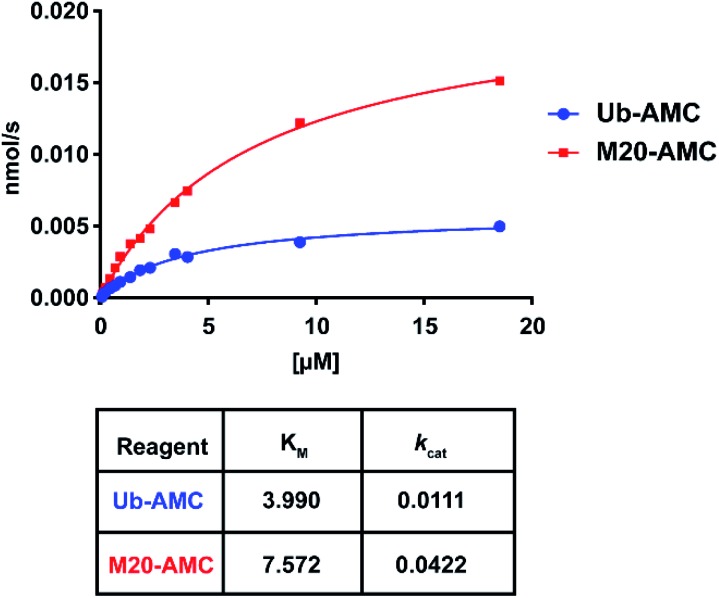
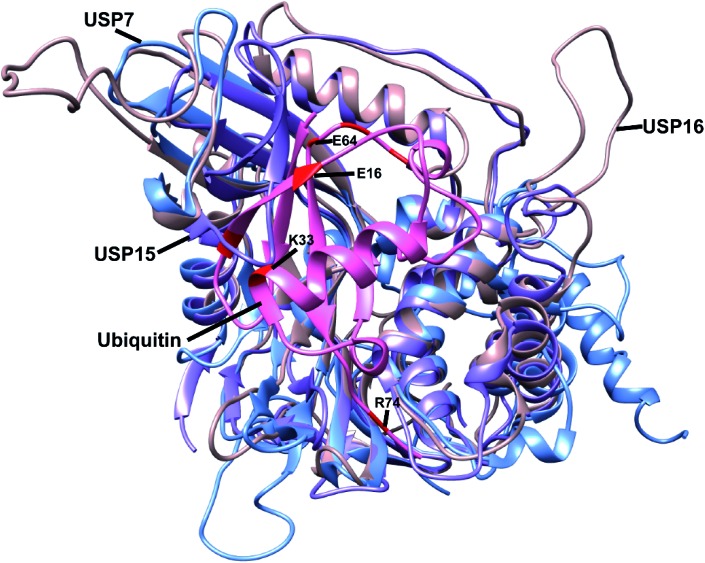
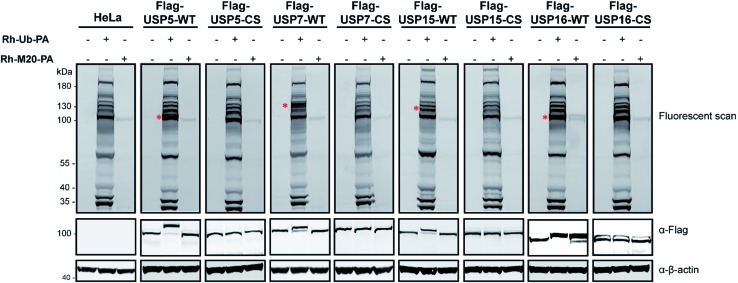
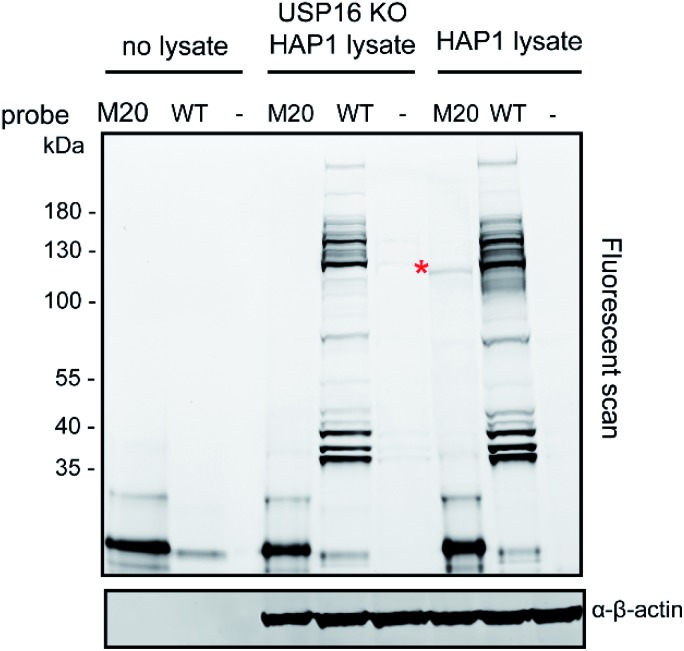
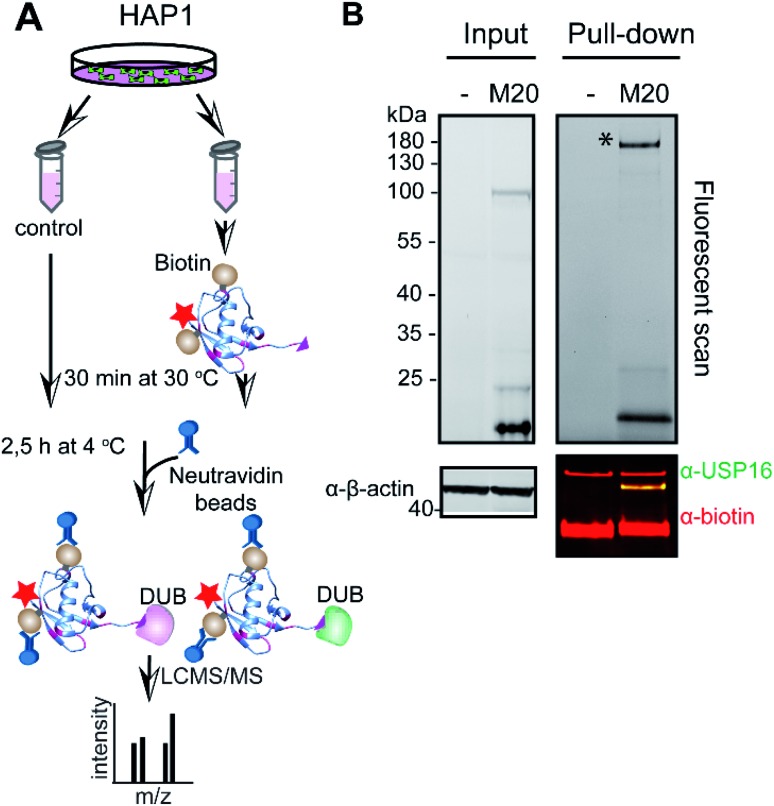
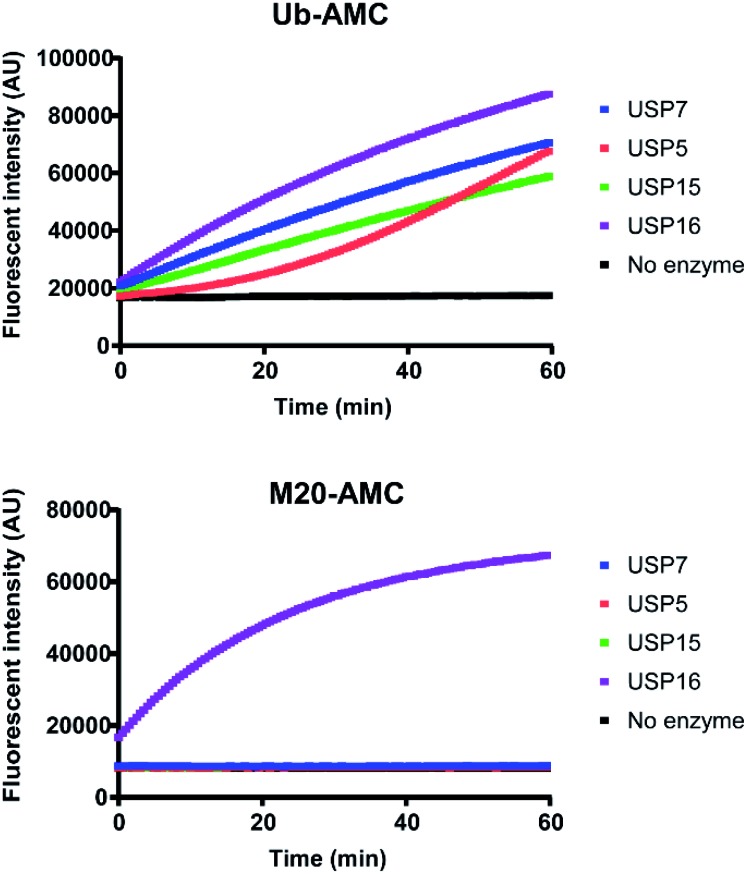
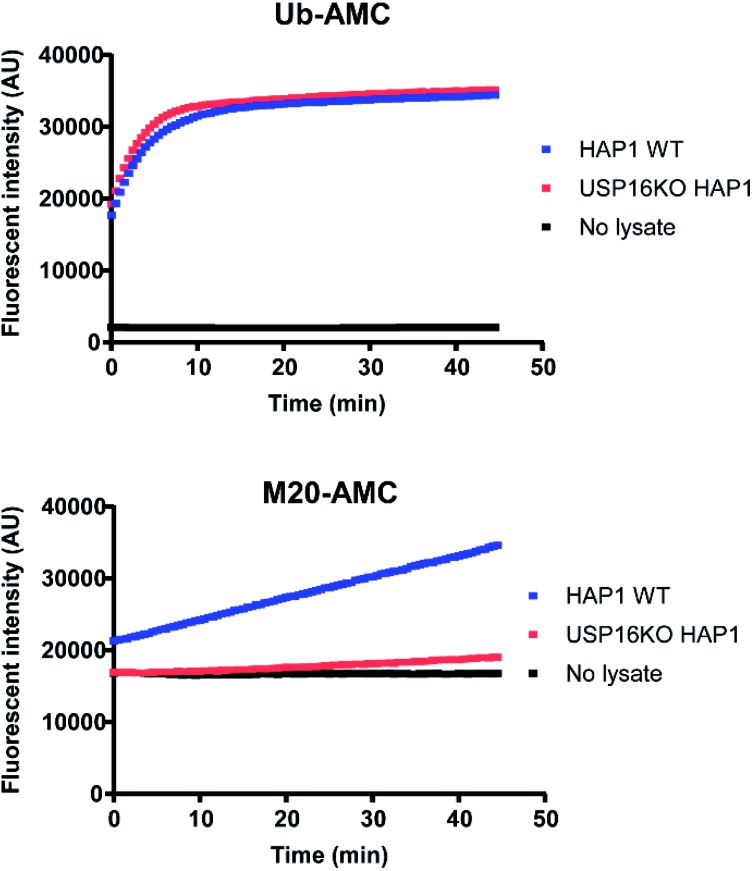
Ubiquitination is a post-translational modification that is involved in a plethora of cellular processes. Target proteins can be specifically modified with a single ubiquitin (Ub) molecule or with complex chains. In recent years, research has focused on deubiquitinating enzymes (DUBs) as potential therapeutic candidates in various diseases. USP16 is an emerging target due to its involvement in mitosis and stem cell self-renewal. Generally, activity-based probes (ABPs) used to study DUBs are based on the ubiquitin scaffold, thus lacking target selectivity. To overcome this issue, we designed a Ub-based activity probe bearing specific mutations to achieve selectivity for USP16, by combining structural modelling and analysis and mutational calculation predictions. We develop a fluorogenic substrate, the first of its kind, that is processed exclusively by USP16, which allows us to monitor USP16 activity in complex samples.
泛素化是一种翻译后修饰,参与众多细胞过程。靶蛋白可以被单个泛素(Ub)分子或复杂的链特异性修饰。近年来,研究集中在去泛素化酶(DUBs)作为各种疾病的潜在治疗候选物。USP16因其参与有丝分裂和干细胞自我更新而成为一个新兴靶点。一般来说,用于研究DUBs的基于活性的探针(ABPs)基于泛素支架,因此缺乏靶标选择性。为了克服这个问题,我们通过结合结构建模与分析以及突变计算预测,设计了一种带有特定突变的基于Ub的活性探针,以实现对USP16的选择性。我们开发了一种荧光底物,这是同类中的首个,它仅由USP16处理,这使我们能够监测复杂样品中的USP16活性。