Clinical and Research Institute on Addictions, University at Buffalo, New York, USA.
Department of Psychology, University of Miami, Coral Gables, Florida, USA.
Br J Soc Psychol. 2020 Oct;59(4):945-964. doi: 10.1111/bjso.12371. Epub 2020 Feb 28.
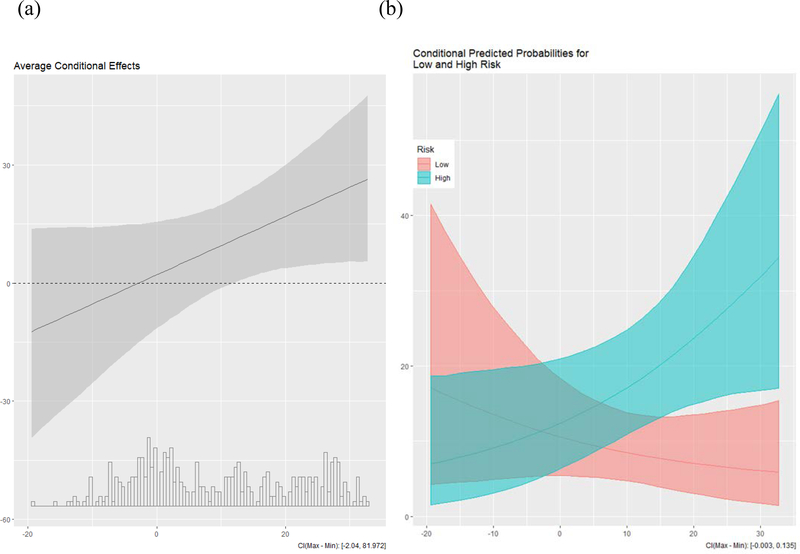
Evolutionarily minded researchers have hypothesized that women advertise their ovulatory status by wearing red or pink clothing on relatively cold days. Many of these studies have been based on samples of women who have self-reported their clothing choices, a practice that raises questions about accuracy. In two studies, we evaluated the relationship between women's fertility and their clothing choices using four methods for measuring clothing colour: self-reports; trained raters' judgements of garment coloration in outfits that women drew onto mannequins to represent what they would wear to a party with single attractive people in attendance; automated colour coding of the mannequins; and trained raters' judgements of garment coloration as evinced in photographs that women took of themselves. Using these four measures of clothing choice along with measures of women's fertility and outside temperature, we did not find compelling evidence that women are particularly inclined to wear red or pink during peak fertility, even on relatively cold days.
进化思维的研究人员假设,女性会在相对寒冷的日子里穿红色或粉色的衣服来展示自己的排卵期。许多这样的研究都是基于女性自我报告的服装选择样本,这种做法引发了准确性的问题。在两项研究中,我们使用了四种方法来测量服装颜色,即自我报告、训练有素的评估者对女性在人体模型上绘制的服装颜色的判断、对人体模型进行自动颜色编码,以及训练有素的评估者对女性自拍照片中服装颜色的判断,来评估女性生育能力与服装选择之间的关系。使用这四种服装选择的衡量标准以及女性生育能力和外部温度的衡量标准,我们没有发现确凿的证据表明女性在排卵期高峰时,即使在相对寒冷的日子里,特别倾向于穿红色或粉色衣服。