Zhu Yingjun, Liu Xihong, Zhao Peiyuan, Zhao Hui, Gao Wei, Wang Lei
School of Traditional Chinese Medicine, Beijing Key Lab of TCM Collateral Disease Theory Research, Capital Medical University, Beijing, China.
Basic Discipline of Integrated Chinese and Western Medicine, Henan University of Chinese Medicine, Henan, China.
Front Pharmacol. 2020 Feb 6;11:25. doi: 10.3389/fphar.2020.00025. eCollection 2020.
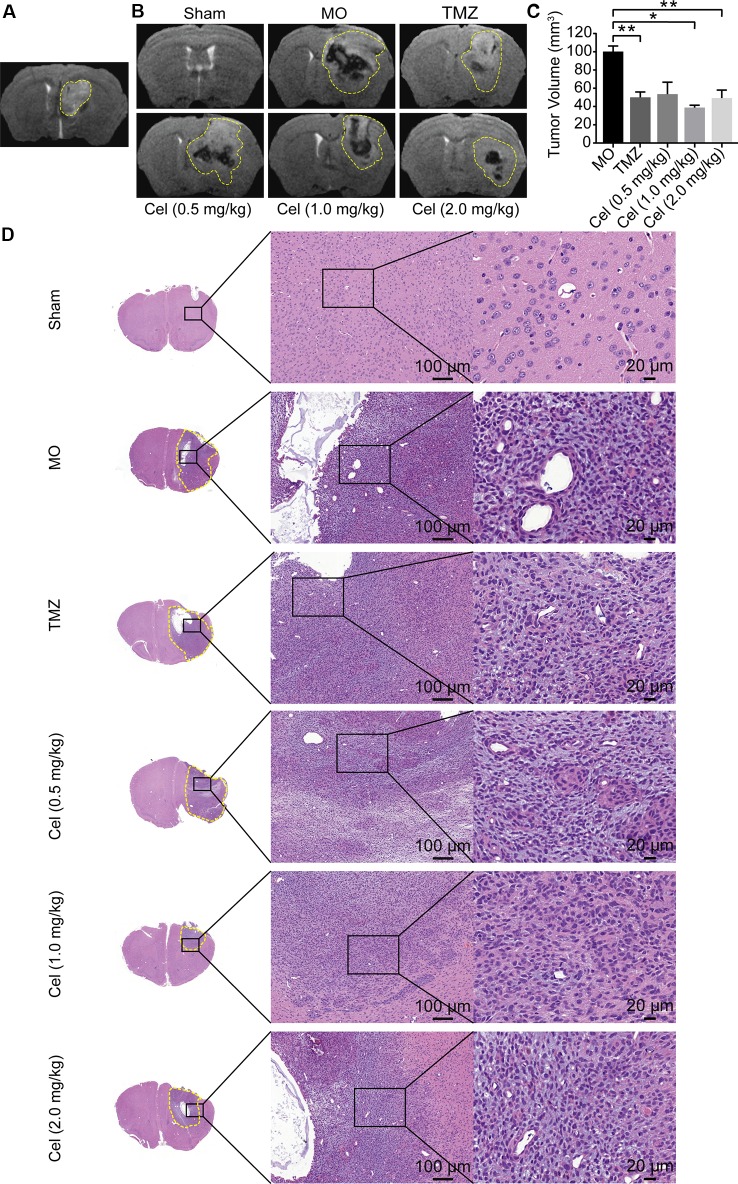
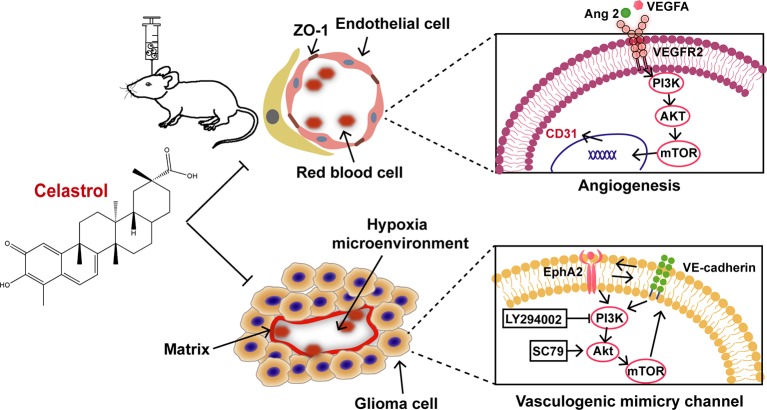
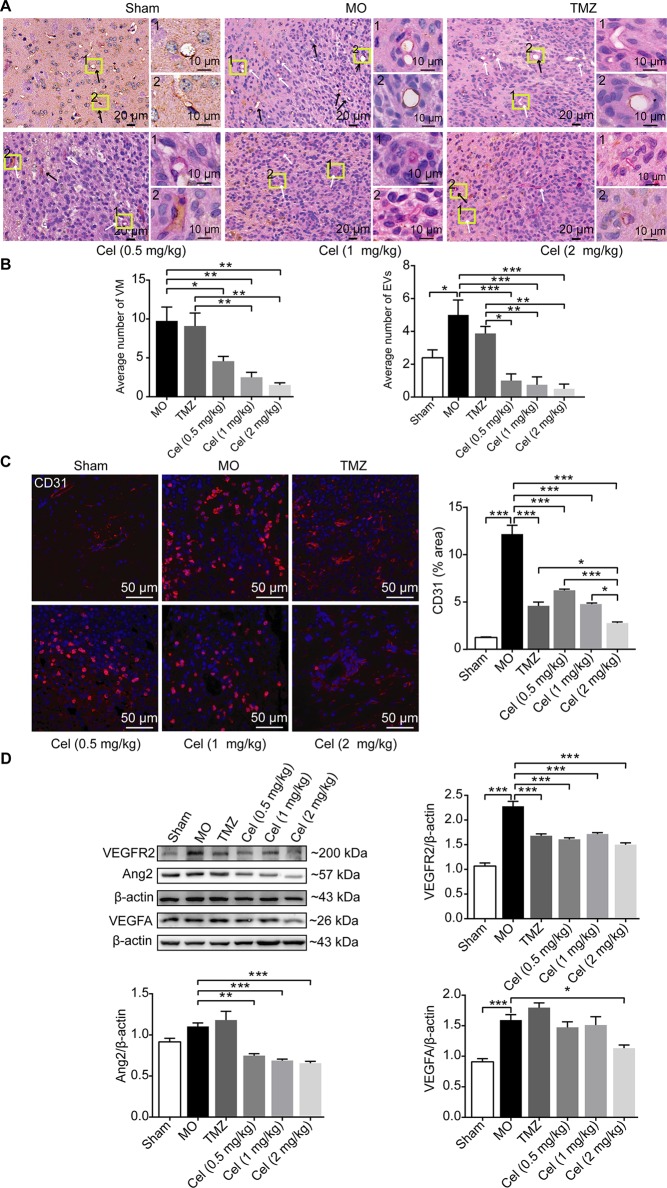
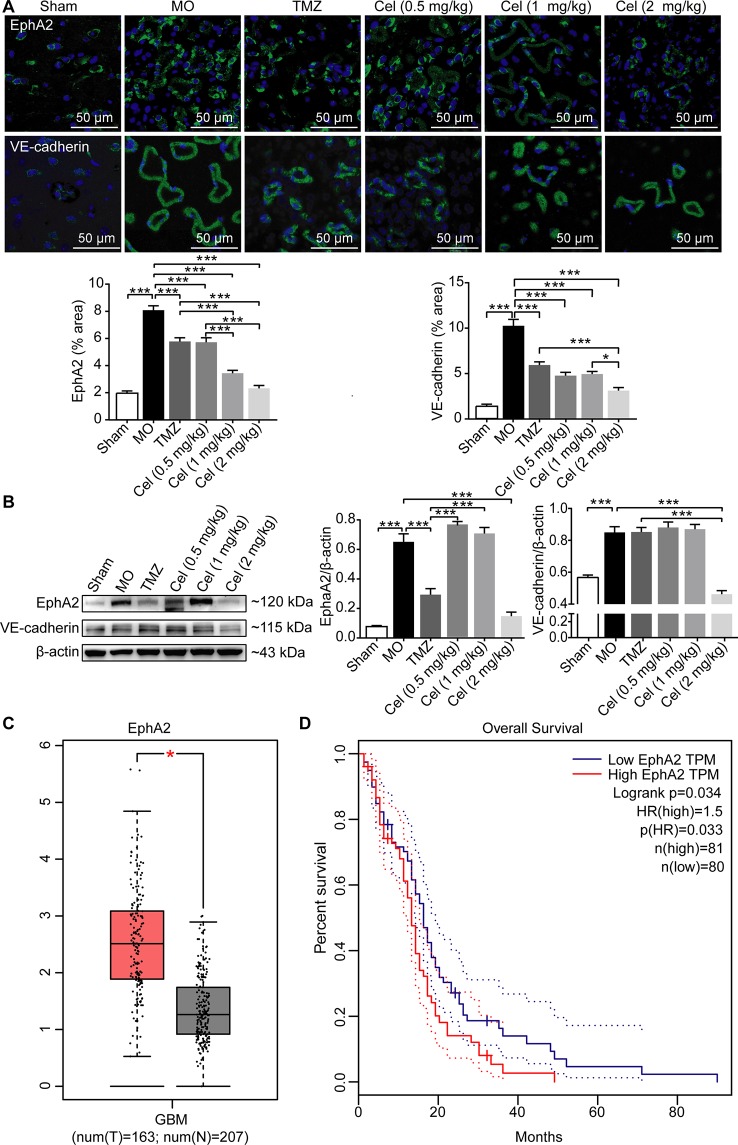
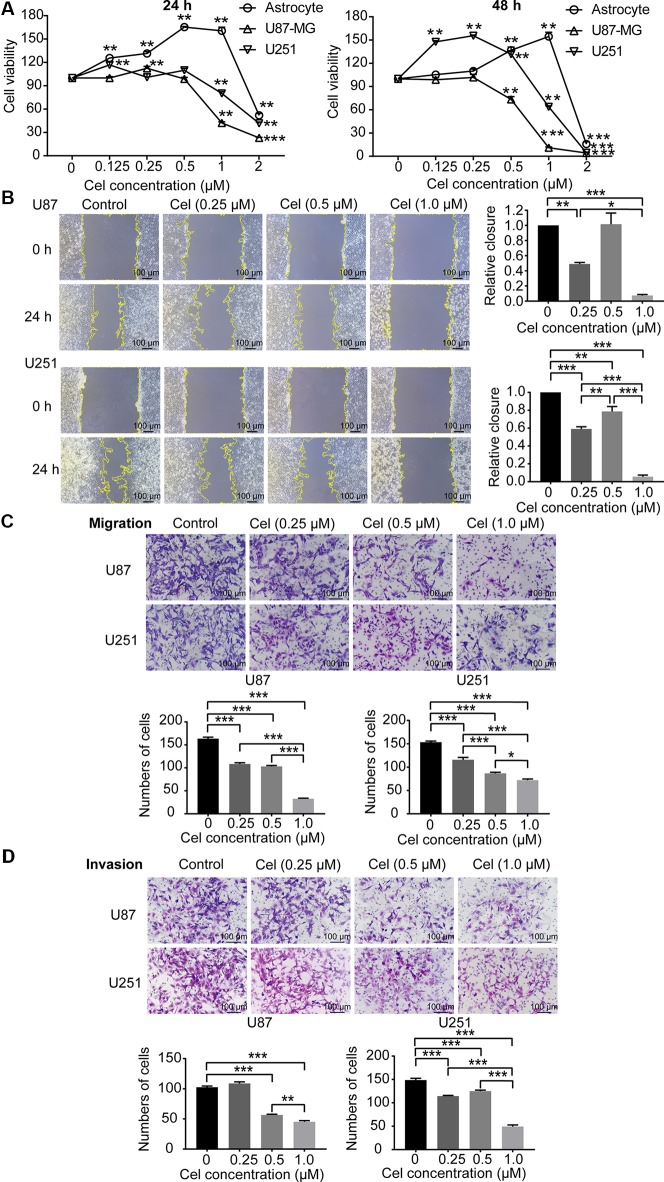
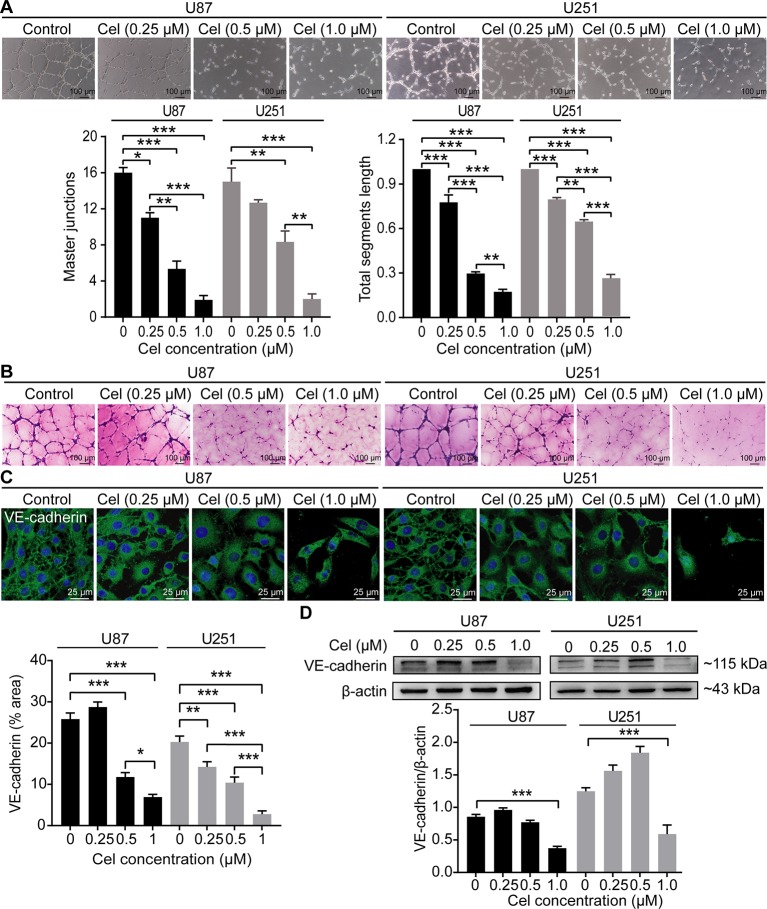
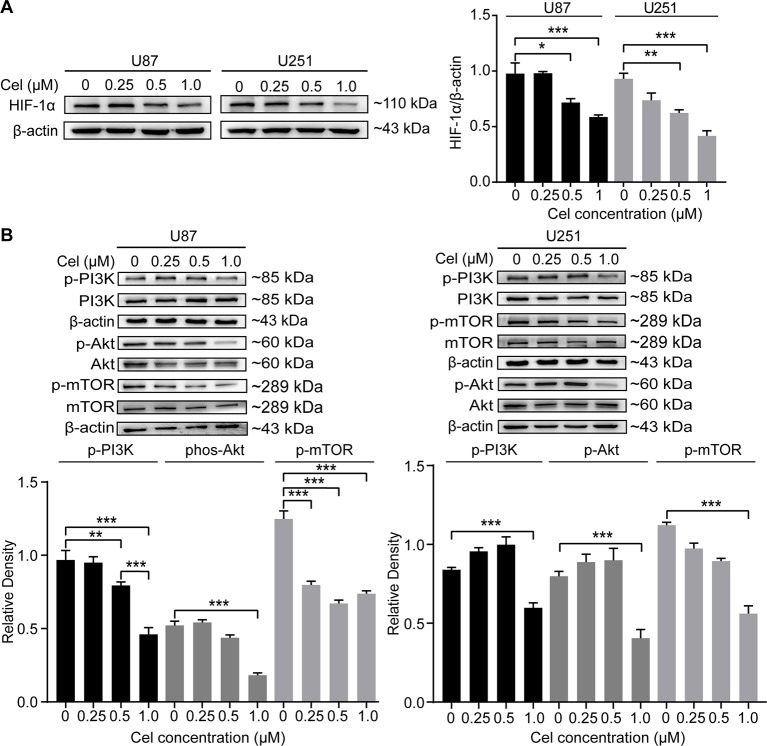
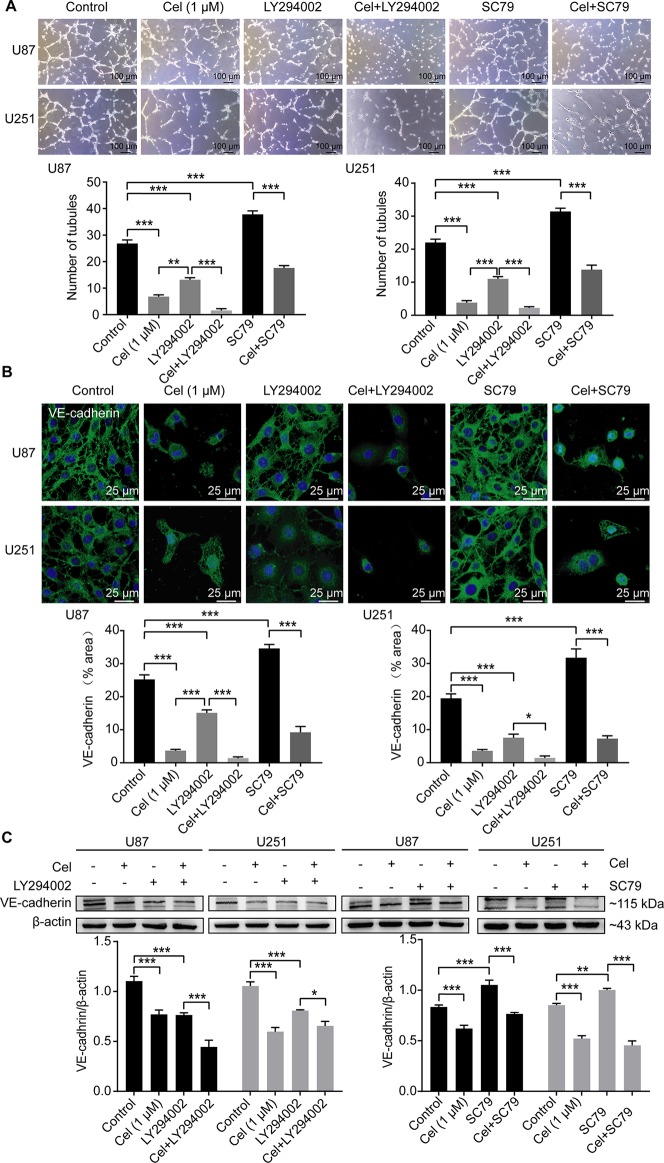
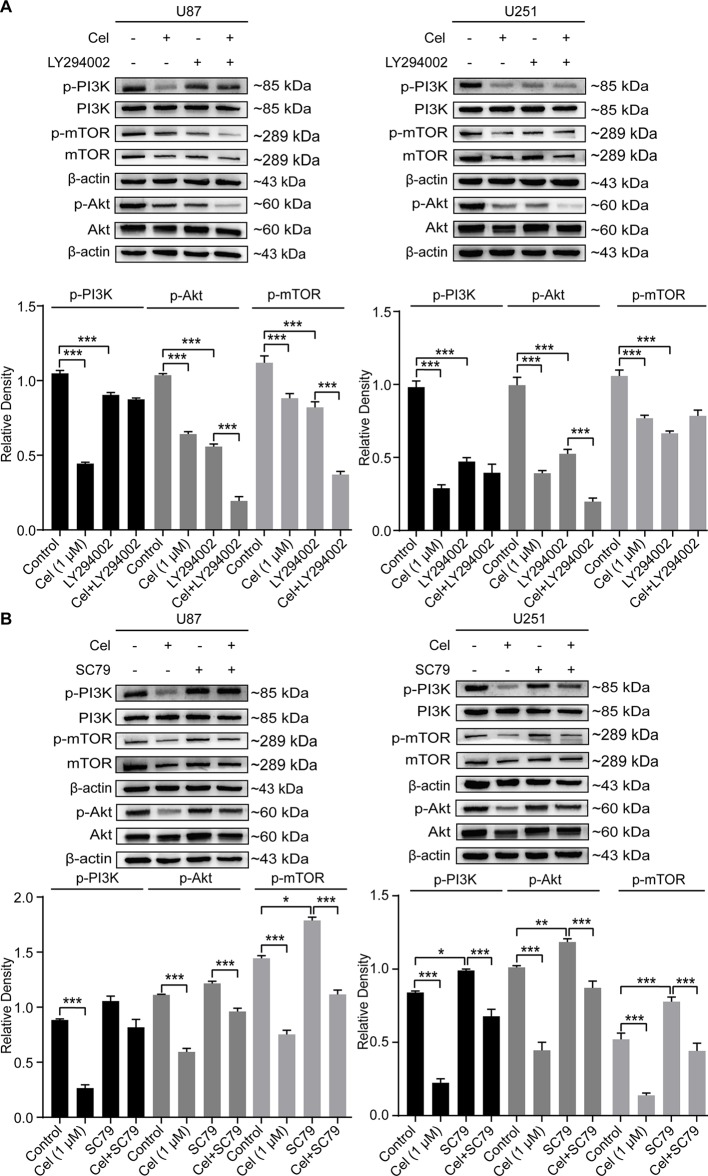
Angiogenesis and vasculogenic mimicry (VM) are thought to be the predominant processes ensuring tumor blood supply during the growth and metastasis of glioblastoma (GBM). Celastrol has potential anti-glioma effects, however the mechanisms underlying these effects remain unclarified. Recent studies have shown that the PI3K/Akt/mTOR signaling pathway is closely related to angiogenesis and VM formation. In the present study, we have demonstrated, for the first time, that celastrol eliminated VM formation by blocking this signaling pathway in glioma cells. By the treatment of celastrol, tumor growth was suppressed, tight junction and basal lamina structures in tumor microvasculature were disarranged in U87 glioma orthotopic xenografts in nude mice. Periodic acid Schiff (PAS)-CD31 staining revealed that celastrol inhibited both VM and angiogenesis in tumor tissues. Additionally, celastrol reduced the expression levels of the angiogenesis-related proteins CD31, vascular endothelial growth factor receptor (VEGFR) 2, angiopoietin (Ang) 2 and VEGFA, VM-related proteins ephrin type-A receptor (EphA) 2, and vascular endothelial (VE)-cadherin. Hypoxia inducible factor (HIF)-1α, phosphorylated PI3K, Akt, and mTOR were also downregulated by treatment with celastrol. , we further demonstrated that celastrol inhibited the growth, migration, and invasion of U87 and U251 cells, disrupted VM formation, and blocked the activity of PI3K, Akt, and mTOR. Collectively, our data suggest that celastrol inhibits VM formation and angiogenesis likely by regulating the PI3K/Akt/mTOR signaling pathway.
血管生成和血管生成拟态(VM)被认为是胶质母细胞瘤(GBM)生长和转移过程中确保肿瘤血液供应的主要过程。雷公藤红素具有潜在的抗胶质瘤作用,然而这些作用的潜在机制仍不清楚。最近的研究表明,PI3K/Akt/mTOR信号通路与血管生成和VM形成密切相关。在本研究中,我们首次证明雷公藤红素通过阻断胶质瘤细胞中的该信号通路消除了VM形成。通过雷公藤红素治疗,肿瘤生长受到抑制,裸鼠U87胶质瘤原位异种移植瘤的肿瘤微血管中的紧密连接和基膜结构紊乱。过碘酸希夫(PAS)-CD31染色显示雷公藤红素抑制肿瘤组织中的VM和血管生成。此外,雷公藤红素降低了血管生成相关蛋白CD31、血管内皮生长因子受体(VEGFR)2、血管生成素(Ang)2和VEGFA、VM相关蛋白 Ephrin A型受体(EphA)2和血管内皮(VE)-钙黏蛋白的表达水平。雷公藤红素处理还下调了缺氧诱导因子(HIF)-1α、磷酸化的PI3K、Akt和mTOR。我们进一步证明,雷公藤红素抑制U87和U251细胞的生长、迁移和侵袭,破坏VM形成,并阻断PI3K、Akt和mTOR的活性。总的来说,我们的数据表明雷公藤红素可能通过调节PI3K/Akt/mTOR信号通路抑制VM形成和血管生成。